

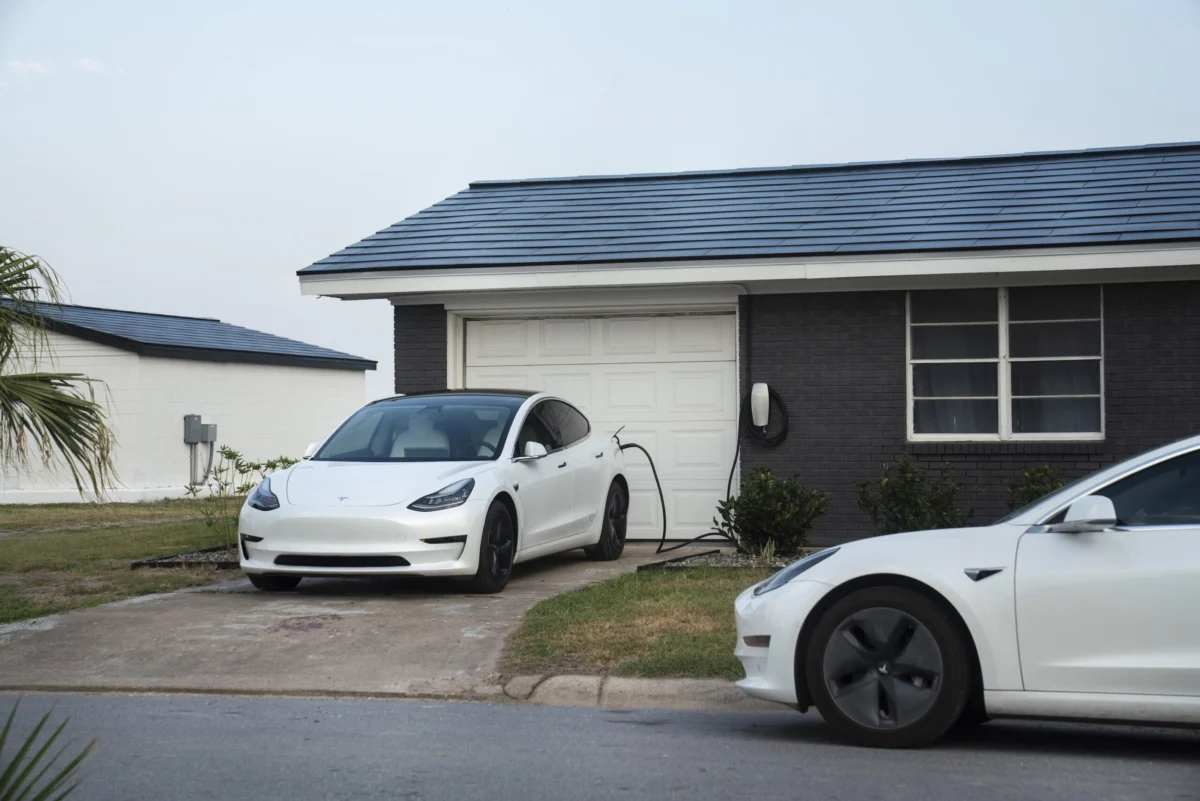
The pioneering vision of a seamlessly integrated solar roof, once hailed as a revolutionary step in renewable energy and home aesthetics, has officially ended its production run at Tesla. Nearly a decade after its grand unveiling, Tesla has systematically removed all public-facing mentions of its Solar Roof product from its official website. The dedicated solar roof URL now redirects to Tesla’s generic solar landing page, a definitive signal of the product’s cessation. Support pages, too, have been rerouted, confirming reports initially brought to light by Electrek regarding the quiet disappearance of the innovative, albeit troubled, offering.
This move signifies the quiet conclusion of one of Tesla’s most ambitious ventures outside of electric vehicles and battery storage. Introduced with considerable fanfare in October 2016 by CEO Elon Musk, the Solar Roof was presented as a sophisticated, high-end alternative to traditional solar panels, designed to blend seamlessly with residential architecture. It promised to transform homes into self-sufficient power plants, replacing conventional roofing materials with aesthetically pleasing, energy-generating tiles resembling terracotta, slate, or traditional shingles. The concept captivated imaginations, offering a glimpse into a future where sustainability didn’t compromise design.
A Decade of Development and Disappointment
The journey of the Tesla Solar Roof has been marked by a blend of technological ambition, production challenges, and evolving market realities. When it was first unveiled, the product was lauded for its innovative approach to integrating photovoltaic cells directly into roofing materials. This design aimed to overcome a common aesthetic objection to traditional rooftop solar panels, which many homeowners found visually intrusive. Tesla’s solution was an elegant integration, making the solar array virtually indistinguishable from a premium roof.
The initial rollout, however, was exceptionally slow. After the 2016 announcement, widespread availability and installation remained elusive for years. Early adopters and reservation holders faced significant delays, with some waiting multiple years for their installations to commence. The complexity of manufacturing these unique tiles, coupled with the specialized installation processes required, proved to be a formidable hurdle for Tesla’s production capabilities. Unlike standard solar panels, which are largely modular and manufactured on a massive scale, the Solar Roof tiles were proprietary and required bespoke manufacturing lines and highly trained installation teams.
By 2019, recognizing the sluggish progress, Tesla introduced "Solar Roof Version 3," promising improved efficiency, lower costs, and significantly faster installation times. At the time, Elon Musk articulated an ambitious goal of reaching 1,000 installations per week. This target was a clear indication of Tesla’s intent to scale the product from a niche luxury item to a more widely available solution. The company aimed to position the Solar Roof as a financially competitive option, asserting that its cost, when factoring in the long-term energy savings and the concurrent need for a new roof, would be less than or comparable to a traditional roof combined with standard solar panels.
Despite these renewed efforts and revised targets, the reality fell far short of expectations. By 2022, reports indicated that Tesla was managing only somewhere between 20 to 40 Solar Roof installations per week—a mere fraction of the 1,000-per-week goal set just three years prior. This dramatic disparity underscored the persistent challenges in scaling production and deployment for such a complex, integrated product.
The Economic and Physical Hurdles
The primary deterrent for the Tesla Solar Roof was arguably its exorbitant cost. While Tesla’s marketing often compared the product’s price to the combined cost of a new conventional roof and separate solar panels, the real-world quotes frequently shocked potential customers. Numerous reports from homeowners indicated quotes soaring to $100,000, $150,000, and even exceeding $200,000 for a full installation. These figures positioned the Solar Roof firmly in the ultra-luxury segment, limiting its appeal to a very narrow demographic, even among environmentally conscious consumers.
This high price point stood in stark contrast to the broader trends in the solar energy industry. Over the past decade, the cost of silicon-based photovoltaic technology has plummeted, driven by global economies of scale, standardization, and fierce competition among manufacturers. Traditional solar panels have become increasingly affordable, making rooftop solar accessible to a wider range of homeowners. The Solar Roof, however, proved to be an aberration in this trend. While it may have utilized standard solar cells internally, the unique design and manufacturing requirements of the tiles meant Tesla had to invest heavily in specialized equipment and processes. When sales failed to materialize at the projected volume, the per-unit cost of production remained prohibitively high, further eroding its market viability.
Beyond the economic hurdles, the physics of integrated solar presented significant engineering challenges. Solar panels, like many electronic devices, perform optimally at lower temperatures. Their efficiency can decline by approximately half a percent for every degree Celsius increase in temperature. Traditional solar panel installations mitigate this by leaving a gap between the panels and the roof deck, allowing for airflow that helps dissipate heat. The Tesla Solar Roof, designed for seamless integration, necessarily had a much smaller air gap. This design choice, while aesthetically pleasing, likely contributed to higher operating temperatures for the solar cells embedded within the tiles.
Reports from early adopters and online forums frequently highlighted performance issues. Some owners noted that the non-solar sections of their roofs experienced warping, while others documented instances of the roof underlayment melting due to excessive heat buildup. Perhaps more critically for a power-generating product, many users reported significant underproduction, with their systems failing to generate the promised amount of electricity. This underperformance, often attributed to heat-induced efficiency losses, directly undermined the value proposition of the Solar Roof as a long-term energy solution. The inability to consistently deliver on promised energy output, coupled with the astronomical upfront cost, made the product a difficult sell, even for brand loyalists.
Implications for Tesla’s Energy Strategy
The discontinuation of the Solar Roof marks a strategic recalibration for Tesla’s energy division. While the company initially positioned itself as a holistic energy provider—encompassing electric vehicles, battery storage (Powerwall), and solar generation—the focus now appears to be shifting more squarely towards its traditional solar panel installations and its highly successful Powerwall battery storage systems. Tesla’s energy segment, which includes solar deployments and energy storage, has been a growing part of its business, but it has largely been driven by the more conventional and cost-effective solar panel installations rather than the integrated roof.
For existing Solar Roof customers, the discontinuation raises immediate questions regarding long-term support, warranty fulfillment, and the availability of replacement tiles should damage occur. While two solar installers have reportedly indicated they are still offering the Solar Roof, contingent on project timelines, this likely points to Tesla offloading existing inventory rather than continued production. The lack of a formal announcement from Tesla regarding the end-of-life plan for the product and support for current owners is a point of concern that will need to be addressed. It underscores the challenges faced by consumers who invest in cutting-edge, proprietary technologies that may not achieve sustained market traction.
Broader Impact on the Integrated Solar Market
Tesla’s departure from the integrated solar roof market carries significant implications for the broader renewable energy sector. On one hand, it could cast a shadow of doubt over the entire concept of integrated solar. If one of the world’s most innovative and well-capitalized companies, led by a visionary like Elon Musk, could not make such a product economically viable and scalable, it raises questions about the fundamental challenges inherent in combining roofing materials with photovoltaic technology. This "if Tesla can’t do it, who can?" sentiment might deter potential investors and customers from similar offerings.
However, the demise of Tesla’s Solar Roof does not necessarily spell the end for integrated solar solutions. Other companies have been pursuing their own versions of solar shingles and tiles, often with different approaches to manufacturing, installation, and market positioning. Companies like GAF Energy, a division of North America’s largest roofing manufacturer, have introduced solar shingles designed for easier installation by existing roofing contractors, aiming for a more cost-effective and scalable solution. Merlin Solar is another player exploring innovative panel designs for rooftop integration. These companies may learn from Tesla’s experience, focusing on modularity, ease of installation, and a more aggressive pricing strategy to broaden market appeal.
The demand for aesthetically pleasing solar solutions remains. Many homeowners, particularly those in historical districts, with architecturally significant homes, or simply those with a preference for clean design, are still actively seeking alternatives to conventional panels. This persistent market niche provides an incentive for other innovators to continue refining integrated solar technologies. The challenge lies in striking the right balance between premium aesthetics, robust performance, and a price point that makes the product genuinely competitive with both traditional roofing and standard solar installations.
Lessons for Innovation and Market Realities
The story of the Tesla Solar Roof serves as a powerful case study in the complexities of bringing disruptive technology to market. It highlights several critical lessons:
- Cost-Effectiveness is King: Even for luxury products, there are limits to what consumers will pay, especially when more affordable and efficient alternatives exist. The initial promise of cost parity with traditional roofing plus solar never fully materialized for the mass market.
- Scalability is Paramount: A brilliant concept must be matched by the ability to manufacture and install it at scale. Tesla struggled immensely with the production logistics and installation complexity of its unique tiles.
- Performance Cannot Be Compromised: For an energy-generating product, consistent and reliable performance is non-negotiable. The reported issues with underproduction and thermal management significantly undermined the Solar Roof’s value proposition.
- Market Alignment: Understanding the true target market and designing a product that meets their needs (including budget constraints) is crucial. The Solar Roof was perhaps too far ahead of its time in terms of manufacturing capability and too niche in its pricing to achieve widespread adoption.
In conclusion, Tesla’s quiet discontinuation of its Solar Roof product marks the end of an ambitious chapter in the company’s quest to revolutionize home energy. While the vision of a beautiful, energy-generating roof was compelling, the practical realities of cost, manufacturing, installation, and performance proved insurmountable for Tesla. The move consolidates Tesla’s energy efforts around its more successful traditional solar panel and Powerwall offerings. While this decision may temper enthusiasm for integrated solar in the short term, the underlying desire for aesthetically pleasing and efficient renewable energy solutions persists, leaving the door open for other innovators to learn from Tesla’s journey and perhaps, one day, realize the full potential of solar-integrated roofing.
