

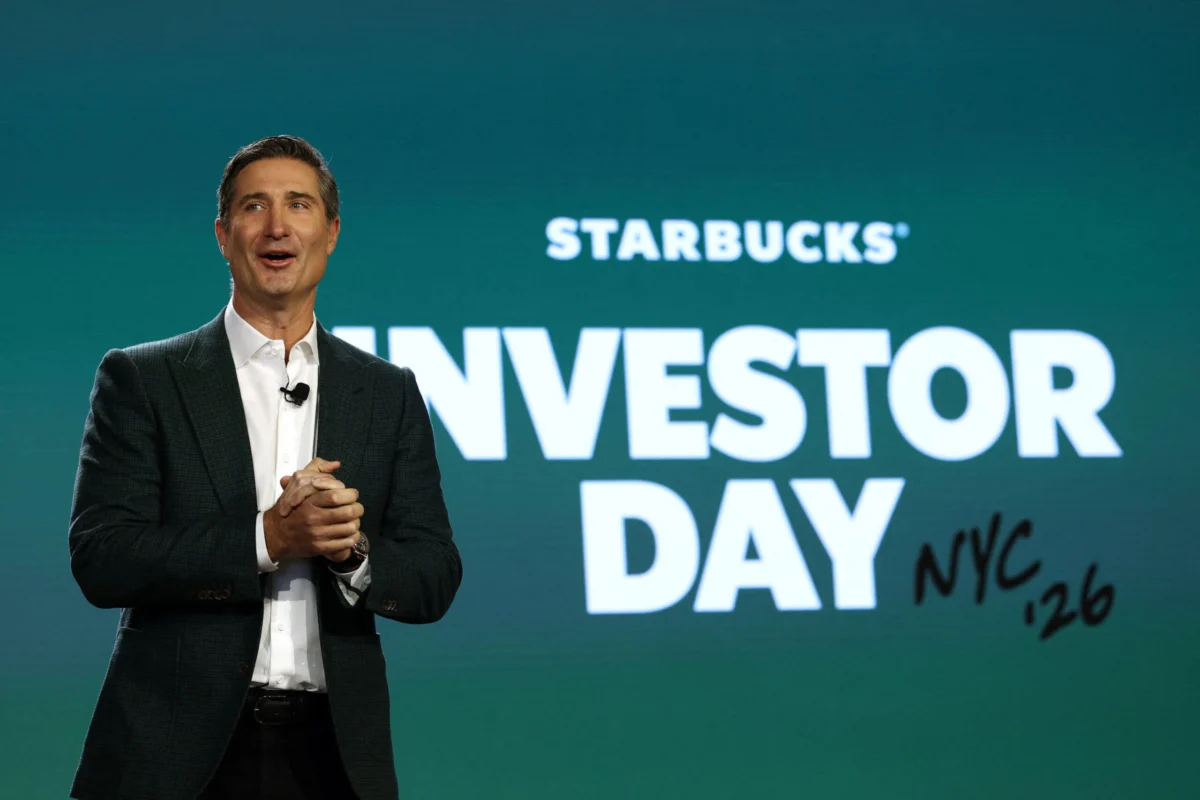
New York, NY – Starbucks, the global coffee behemoth, has reportedly initiated discussions with advisors regarding a potential takeover of fast-casual giant Chipotle Mexican Grill. This speculative megadeal, first reported by the Financial Times on Thursday, has ignited a fierce debate among investors and industry analysts concerning its strategic merit, financial implications, and the potential for a new era of restaurant conglomerates. While no official confirmation has emerged from either company, the mere rumor sent Chipotle’s stock soaring by approximately 6% on Thursday, while shares of Starbucks experienced a slight dip, reflecting the typical investor caution associated with a potential acquirer.
The proposed acquisition would unite two formidable players in the U.S. restaurant landscape. Starbucks, with its colossal footprint of roughly $31 billion in annual domestic sales, stands as the nation’s second-largest restaurant chain by sales volume. Chipotle, occupying the seventh spot, boasts an impressive $11 billion in annual system-wide sales within its home market. A successful merger would represent the largest restaurant takeover in history, fundamentally reshaping the competitive dynamics of the quick-service and fast-casual sectors.
Unpacking the Genesis of the Rumor: A Familiar Face at the Helm
Central to the speculation surrounding this potential acquisition is the familiar figure of Starbucks CEO Brian Niccol. Appointed to lead the coffee giant in 2024, Niccol’s prior tenure as chief executive of Chipotle Mexican Grill from 2018 to 2024 offers a compelling narrative for the prospective deal. During his six-year leadership at Chipotle, Niccol orchestrated a remarkable turnaround, successfully navigating the brand through a tumultuous period marred by foodborne illness outbreaks that had severely eroded consumer trust and financial performance. His strategic initiatives, including digital innovation, menu optimization, and operational enhancements, were widely credited with revitalizing the burrito chain.
Following Niccol’s departure from Chipotle in 2024, the company experienced a dip in traffic in 2025, as budget-conscious consumers reportedly frequented its restaurants less often. While current Chipotle CEO Scott Boatwright noted "encouraging progress" on the company’s July earnings conference call, signaling a potential recovery, the stock had still been trading at a significant discount—approximately 20% lower than a year prior, and a stark 40% decline since Niccol’s exit—even factoring in Thursday’s rumor-fueled surge. This perceived undervaluation, coupled with Niccol’s intimate knowledge of Chipotle’s operations and potential, provides a foundational layer for the acquisition narrative.
The Vision: Building a Multi-Brand Powerhouse
A primary strategic argument supporting the acquisition posits the creation of a diversified restaurant conglomerate, akin to industry titans such as Yum Brands (KFC, Pizza Hut, Taco Bell), Restaurant Brands International (Burger King, Popeyes, Tim Hortons), and Roark Capital-backed Inspire Brands (Arby’s, Baskin-Robbins, Buffalo Wild Wings, Jimmy John’s, Sonic Drive-In, Dunkin’). Multi-brand restaurant companies often appeal to investors due to their inherent diversification, which can mitigate risks by offsetting poor performance in one segment with growth in another. For Starbucks, a company deeply entrenched in the coffee and beverage segment, integrating a leading fast-casual food chain like Chipotle would significantly broaden its market reach and product portfolio.
One of the most compelling synergies lies in international expansion. While Starbucks boasts an impressive global footprint with approximately 23,000 international locations out of its roughly 38,000 stores worldwide, Chipotle’s international presence remains nascent, with only about 100 locations outside the U.S. Leveraging Starbucks’ established global infrastructure, supply chain, and market expertise could dramatically accelerate Chipotle’s growth in untapped international markets. This strategy mirrors the successful blueprints laid by other conglomerates: Yum Brands, for instance, utilized KFC and Pizza Hut’s global networks to propel Taco Bell’s international expansion, while Restaurant Brands International has similarly capitalized on Burger King’s global reach to expand Popeyes’ international footprint. The potential for Chipotle to become a truly global brand under Starbucks’ stewardship is a significant draw.
Operational Efficiencies and Customer Synergies
Beyond international growth, a merger could unlock substantial operational synergies and cost efficiencies. While a coffee shop and a burrito restaurant might seem disparate in terms of ingredients and core offerings, the potential for cost cuts through economies of scale is considerable. Consolidating corporate functions, such as finance, human resources, and marketing, could lead to layoffs in redundant roles. Furthermore, shared procurement strategies for non-food items, technology infrastructure, and administrative services could yield significant savings.
Real estate overlap presents another compelling case for synergy. Stephens analyst Jim Salera highlighted in a recent research note that roughly 90% of Chipotle restaurants are located within a one-mile radius of a Starbucks café. This geographical proximity could facilitate shared real estate development strategies, potentially optimizing site selection, lease negotiations, and even co-located store formats in certain high-traffic areas. Such efficiencies could streamline expansion efforts and reduce overall operational costs for both brands.
Moreover, the customer bases of Starbucks and Chipotle exhibit significant overlap. Many consumers who frequent Starbucks for their daily coffee ritual also patronize Chipotle for lunch or dinner. As a unified entity, the combined company could leverage this overlap through integrated loyalty programs. Imagine a single rewards system that incentivizes purchases across both brands, driving increased customer engagement and spend. This cross-promotion potential could enhance customer lifetime value and strengthen brand loyalty in a highly competitive market.
A Business Model in Alignment: Lessons from the Past
A crucial factor supporting the strategic fit of Starbucks and Chipotle is their shared operational model: both companies primarily operate their own U.S. locations, though Starbucks also manages thousands of licensed cafes. This differentiates them from many other large restaurant chains, particularly those that heavily rely on franchising. This alignment in business philosophy could ease integration and minimize cultural clashes that often derail mergers.
This point is particularly salient when recalling Chipotle’s previous strategic owner, McDonald’s. In 1998, the burger giant made a majority investment in the then-upstart Mexican-inspired chain. However, by 2006, McDonald’s divested its ownership, with Wall Street observers labeling its restaurant investments (which also included Boston Market) as a "distraction" during a period when the Golden Arches faced its own operational challenges. A key factor in that divestiture was a fundamental cultural misalignment: McDonald’s, a heavily franchised model, clashed with Chipotle’s leadership, including founder Steve Ells, who resisted efforts to franchise its restaurants or to adopt operational changes like drive-thru windows and breakfast menus that would have made it more akin to McDonald’s. The current compatibility in business model between Starbucks and Chipotle suggests a smoother integration pathway compared to its predecessor.
The Counterarguments: A Costly Distraction Amidst a Turnaround
Despite the compelling strategic arguments, the proposed acquisition faces significant headwinds and skepticism from investors and analysts alike. A primary concern revolves around Starbucks’ current strategic focus. CEO Brian Niccol joined Starbucks more than two years ago with a mandate to lead a comprehensive turnaround of the embattled coffee chain. While early indicators suggest positive momentum in its U.S. business, the company is still actively engaged in this transformation. Niccol himself articulated Starbucks’ ambition to become "the world’s greatest customer service company" in a September 2026 memo to employees, underscoring the ongoing push to enhance customer loyalty and operational excellence.
Integrating a company the size of Chipotle would undoubtedly consume a substantial amount of senior management time, resources, and attention. BTIG analyst Pete Saleh succinctly captured this sentiment, noting, "Starbucks is still executing its turnaround strategy, and acquiring Chipotle could consume significant senior management time on financing, integration, organizational design, systems, and personnel. Why introduce another major strategic initiative before demonstrating that Starbucks can deliver sustainable margin recovery?" This highlights the risk that a large acquisition could divert crucial focus and capital away from Starbucks’ core business at a critical juncture. Moreover, Starbucks is reportedly considering other strategic moves, such as selling a majority stake in its Japan business, its largest overseas company-operated market, as reported by Reuters in September 2026, further suggesting a need for internal consolidation rather than external expansion.
The Staggering Price Tag and Financial Strain
The financial implications of acquiring Chipotle are perhaps the most significant deterrent. Starbucks’ ongoing turnaround has already been costly, involving substantial investments in labor, cafe renovations, and store equipment aimed at improving service and the overall customer experience. Even strategic measures like layoffs and store closures, while intended to yield long-term cost savings, have weighed on quarterly earnings in the short term.
Chipotle, despite its recent stock struggles, commands a market capitalization of roughly $42 billion. Acquiring it would necessitate a monumental financial outlay. William Blair analyst Sharon Zackfia estimated that if Starbucks were to pay a 20% premium on Chipotle’s current market value and finance the deal primarily through debt, its leverage could balloon to approximately six times its current level. Starbucks reported about $9.4 billion in debt at the end of June. Such a significant increase in debt could raise concerns among credit rating agencies and investors, potentially impacting Starbucks’ borrowing costs and financial flexibility. While an all-stock deal would mitigate the debt burden, Zackfia projected it could still dilute earnings per share by about 10%, a factor that would likely displease investors seeking improved profitability.
Integration Complexities and Historical Precedents
Beyond the financial metrics, the sheer complexity of merging two colossal restaurant companies presents formidable operational and cultural challenges. While Brian Niccol possesses invaluable experience turning around struggling brands like Chipotle and Starbucks, his corporate resume does not include leading a merger of this scale and complexity.
Citi Research analyst Jon Tower pointed out that multi-brand restaurant companies often struggle to maintain consistent same-store sales growth across all their brands. Furthermore, internal employees tend to gravitate towards the brand perceived to be performing better or offering more career opportunities, potentially creating internal friction and talent drain for the less favored brand.
The restaurant industry is replete with cautionary tales of mergers and acquisitions that failed to deliver their promised synergies. A recent example is Jack in the Box’s acquisition of Del Taco in a $585 million deal in 2022. Despite initial executive pronouncements of a "strategically and financially compelling" transaction, the outcome was disastrous. During Jack in the Box’s ownership, its shares plummeted by 73%, and the company shuttered dozens of locations amid struggling sales. Del Taco reported even worse results, enduring over a year of consecutive quarterly same-store sales declines. Ultimately, Jack in the Box divested Del Taco for a mere $119 million more than three years later, underscoring the severe risks inherent in large-scale restaurant M&A when integration falters. This history serves as a stark reminder that even seemingly logical combinations can unravel due to unforeseen complexities, cultural mismatches, or an inability to execute integration effectively.
Official Responses and the Road Ahead
In response to inquiries, a Starbucks spokesperson stated that the company does not comment on rumors and speculation. Chipotle did not immediately respond to requests for comment. This typical corporate stance leaves investors and the market to weigh the various pros and cons based on available information and expert analysis.
D.A. Davidson analyst Matt Curtis, while acknowledging the strategic rationale, expressed significant skepticism regarding the likelihood of a deal materializing, assigning it a "relatively low" probability of about 20%. This cautious outlook suggests that while the strategic fit might appear strong on paper, the practical hurdles—financial, operational, and managerial—are substantial.
As Starbucks continues its internal transformation and Chipotle navigates its post-Niccol era, the market will keenly watch for any further developments. The reported exploration of this megadeal underscores the ongoing consolidation trends within the restaurant industry, driven by the pursuit of diversification, scale, and international growth. However, the ultimate success of such an ambitious undertaking hinges not just on strategic vision, but on flawless execution and an unwavering focus that may prove challenging for Starbucks during its own critical turnaround phase. The coming months will reveal whether this tantalizing rumor progresses into a concrete proposal or remains a hypothetical "what if" in the annals of restaurant industry M&A.
