

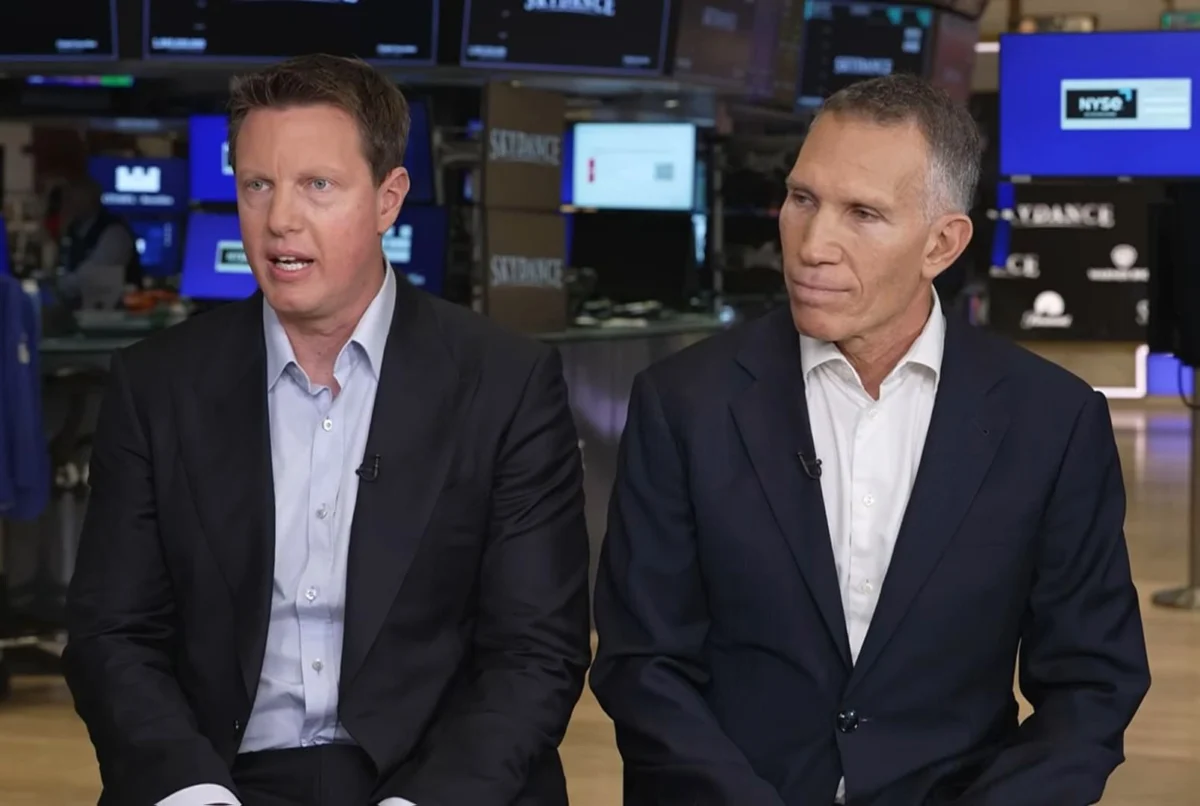
Skydance co-CEO David Ellison, speaking to CNBC on Thursday, just days after the monumental acquisition of Warner Bros. Discovery by Paramount officially concluded, confidently asserted that the newly combined entertainment and media conglomerate is "positioned to win in every single vertical that we operate in." This bold declaration signals the ambitions of the freshly formed entity, which now commands an unprecedented array of content, distribution channels, and technological capabilities in a rapidly evolving global media landscape.
The Dawn of a New Media Colossus
The merger, which closed on October 6, 2026, has birthed a true behemoth in the entertainment world, bringing together two of Hollywood’s most storied studios and their vast ecosystems. Skydance now encompasses the iconic film studios of Paramount Pictures and Warner Bros., alongside the venerable CBS broadcast network. Its sprawling pay-TV portfolio is formidable, featuring major cable powerhouses such as CNN, TNT, MTV, and BET. Crucially, the combined entity also boasts two of the industry’s leading streaming services: Paramount+ and HBO Max.
Ellison emphasized the unparalleled strength derived from this consolidation. "By combining Paramount and Warner Bros., we have the greatest content engine," he stated, highlighting the rich tapestry of blockbuster intellectual property (IP) and a robust sports portfolio that now resides under one roof. He elaborated on the immediate scale achieved in the fiercely competitive streaming arena, noting, "You’re immediately getting to scale in streaming between HBO Max and Paramount+, over 200 million global streaming subscribers. Not to mention the Olympics internationally and an incredibly profitable linear portfolio, anchored by CBS." This aggregate subscriber figure positions the new entity as a formidable challenger to industry giants like Netflix and Disney+, suggesting a new era of intensified competition for viewer eyeballs and subscription revenue.
The strategic rationale behind such a colossal merger reflects a broader industry trend towards consolidation, driven by the escalating costs of content creation, the imperative for global scale in streaming, and the need to amortize significant debt burdens. Media companies are increasingly finding that only through immense size can they effectively compete for talent, secure rights, and reach diverse audiences worldwide.
Leadership and Strategic Vision for the Future
Guiding this new leviathan are co-CEOs David Ellison and Ynon Kreiz, who have outlined a clear division of executive responsibilities designed to leverage their complementary strengths. Ellison, who also serves as Skydance chairman, will focus on the company’s overarching creative vision, driving technological innovations, and shaping the long-term strategic direction. His background as an on-set producer for over 15 years, with a keen eye for storytelling and talent, positions him as the creative architect of the new enterprise. He has consistently expressed a desire to establish Skydance as a preeminent creative hub for filmmakers and storytellers, fostering an environment where artistic vision can thrive alongside commercial success.
Ynon Kreiz, a seasoned veteran with three decades of experience in the media sector, is tasked with the critical role of integrating the two complex companies and overseeing day-to-day management and operations. Kreiz has earned a reputation as a "turnaround man," known for his strategic acumen and operational efficiency, particularly in navigating complex corporate transitions. His leadership will be crucial in realizing the promised synergies and streamlining the vast operational machinery of the combined entity.
Kreiz articulated the immense opportunity at hand: "We have a unique opportunity to build the next generation media and entertainment global company that is powered by creativity and technology." He underscored the foundational assets, capabilities, and talent pool now at Skydance’s disposal. "All of this is happening at the point in time when the industry is at an inflection point, where it’s getting harder and harder to reach the consumer and aggregate fans." This "inflection point" refers to the fragmented media consumption landscape, where audiences are increasingly dispersed across numerous platforms, making aggregation and monetization more challenging than ever. The merger, therefore, is seen as a strategic response to these market dynamics, aiming to create a unified platform capable of commanding attention and loyalty.
Navigating Regulatory Waters: The Merger Timeline and Antitrust Concerns
The path to this mega-merger was not without significant hurdles, particularly from regulatory bodies concerned about market concentration and potential antitrust implications. Initial rumors of a potential combination between Paramount Global and Warner Bros. Discovery began circulating in late 2025, fueled by increasing pressures in the streaming market and the need for greater scale. A formal proposal from Skydance, backed by a consortium of investors, emerged in early 2026, kickstarting a period of intense scrutiny.
The acquisition proposal quickly drew the attention of state attorneys general in several U.S. states, who expressed concerns that the consolidation of such vast content libraries, distribution networks, and production capabilities could stifle competition, limit consumer choice, and potentially lead to higher prices. These antitrust concerns led to a lawsuit to block the acquisition, necessitating extensive negotiations between Skydance and the state regulators.
To address these concerns and secure regulatory approval, Skydance ultimately reached a comprehensive settlement with the group of state attorneys general. A key condition of this settlement was a binding commitment to uphold theatrical distribution, ensuring that the merged entity would not prematurely shift its entire content slate to streaming, thereby impacting cinemas and independent distributors. Specifically, Skydance has agreed to release a minimum of 30 films into theaters annually in both 2027 and 2028. This commitment further escalates to at least 32 films annually for the subsequent three years, from 2029 through 2031. This agreement underscores the continued importance of the theatrical window, even in an era dominated by streaming, and provides a measure of assurance to exhibition partners and moviegoers.
Currently, the combined entity already has a robust pipeline, with 35 films scheduled for release in the coming year, according to data from Rentrak, a media measurement firm. This existing slate demonstrates the immediate production capacity and commitment to content output that the merger brings.
Beyond theatrical releases, a significant strategic move anticipated by Ellison is the eventual merger of the Paramount+ and HBO Max streaming services. This consolidation is expected to create a single, more powerful streaming offering that can better compete with established giants, simplify the consumer experience, and leverage the combined content libraries more effectively. While specific timelines for this integration were not detailed, it represents a crucial step in rationalizing the direct-to-consumer strategy.
Financial Imperatives: Debt, Synergies, and Restructuring
The scale of the merger also brings with it substantial financial obligations. Skydance must now manage approximately $80 billion in debt, a significant burden resulting from the complex financial structuring of the acquisition and the prior debt carried by both Paramount Global and Warner Bros. Discovery. Managing this debt while simultaneously investing in content and technology will be a critical balancing act for the new leadership team.

To address these financial realities and enhance profitability, Skydance has publicly stated its ambitious target of achieving $6 billion in cost savings, or "synergies," over the next three years. Ellison expressed confidence in achieving this goal, stating, "There are absolutely operational efficiencies. We’ve looked at this deal for over a year. We know where every single dollar is." This forensic level of detail in identifying cost-saving opportunities suggests a meticulously planned integration strategy.
Kreiz further elaborated on the sources of these anticipated savings, noting that they "will come from technology, marketing consolidation, real estate optimization, and some labor." This breakdown indicates a multi-pronged approach to efficiency, ranging from streamlining back-end infrastructure and reducing redundant marketing expenditures to optimizing office spaces and, inevitably, workforce reductions.
The prospect of significant layoffs has understandably spurred considerable anxiety among employees from both legacy companies and drawn concern from industry observers. Ellison acknowledged that Skydance has already begun the process of unifying ad sales across the various platforms and is actively working to integrate back-end technology stacks, which often precedes broader operational restructuring.
Kreiz addressed the sensitive issue of workforce reductions with a pragmatic yet empathetic tone. "This is not about a few days of share trading, or even managing synergies for three years. We’re building a company for future generations," he asserted, emphasizing the long-term vision. He then acknowledged the difficult reality: "But reducing the workforce is a part of that. We said that, we were public about it. But when it comes to making those decisions, of course, we’re thinking of our people. We’re going to do it in the right way, respectfully, transparently, and communicate our plans." This statement underscores the delicate balance between achieving financial objectives and managing the human impact of such a large-scale corporate integration.
Content Powerhouse: Film, Television, and Streaming Ambitions
The merger’s most immediate and visible impact will be on content. The combined IP libraries are staggering, encompassing cinematic franchises from Mission: Impossible and Transformers (Paramount) to Batman, Harry Potter, and the DC Extended Universe (Warner Bros.). On the television side, the acquisition brings together the CBS network’s robust lineup of procedurals, comedies, and reality programming with Warner Bros. Television’s prolific output, which includes hit shows across every genre.
The integration of sports rights is equally significant. Paramount’s portfolio includes NFL and UEFA Champions League broadcasts, while Warner Bros. Discovery holds rights to NBA, MLB, and NHL games through TNT and TBS, as well as extensive coverage of the NCAA Men’s Basketball Tournament. This combined sports offering creates an unparalleled destination for live sports enthusiasts, further bolstering the appeal of the merged streaming service.
The commitment to theatrical releases, as mandated by the antitrust settlement, ensures a steady flow of high-profile films to cinemas globally. This strategy aims to maximize revenue across different windows – theatrical, premium video-on-demand, and streaming – ensuring that content generates value at every stage of its lifecycle. The unified creative leadership under Ellison is expected to foster a more streamlined and synergistic approach to content development, identifying opportunities for cross-promotion and franchise expansion across film, television, and gaming.
Safeguarding Editorial Independence: CBS and CNN Under One Roof
Perhaps one of the most scrutinized aspects of the merger involves the consolidation of two highly influential and distinct news organizations: CBS News and CNN. Both networks have significant legacies and play critical roles in the national and international news landscape.
CNN, in particular, has faced intense political scrutiny in recent years, notably from President Donald Trump, who has frequently criticized the network and, at times, limited its access to White House press events. The acquisition by Skydance, whose co-founder Larry Ellison (David Ellison’s father) is a long-time ally of President Trump, immediately raised concerns about potential improper political influence over newsgathering operations and editorial independence.
Recognizing these sensitivities, Skydance proactively addressed these fears as part of its settlement with state attorneys general. The agreement includes a commitment to establish a new, independent board specifically tasked with overseeing CBS and CNN to safeguard their editorial integrity and ensure journalistic independence. This measure is intended to create a firewall between the corporate ownership and the news divisions, preserving their autonomy from political or commercial pressures.
On Monday, Skydance further solidified its commitment by announcing key leadership continuity for the news divisions. Mark Thompson will remain in his current role as chairman and editor-in-chief of CNN Worldwide, a position he has held with distinction. Similarly, Bari Weiss will continue to serve as editor-in-chief of CBS News. These appointments signal a desire to maintain stability and respect the established leadership within these critical news organizations.
Kreiz reiterated the commitment to independent operations on Thursday. "We’ll look to keep the businesses run in parallel with independent editorial operation," he stated. "We’re so fortunate to have such successful, well-established, highly recognized brands in news." Ellison echoed this sentiment, emphasizing the clear separation: "Corporate stays out of editorial." This firm stance is crucial for maintaining the credibility and trust that both CBS News and CNN have cultivated over decades.
Industry Reactions and Future Outlook
The media industry is watching the Skydance merger with a mix of anticipation and apprehension. Competitors such as Disney, Netflix, Amazon, and Apple will undoubtedly be strategizing their responses to this new powerhouse. Analysts suggest that the increased scale could lead to more aggressive bidding for talent and content, potentially driving up costs across the board. However, the sheer size of the combined entity also presents significant integration challenges, from merging disparate corporate cultures and technological infrastructures to harmonizing creative strategies across vast portfolios.
For consumers, the implications are varied. The potential for a single, comprehensive streaming service combining HBO Max’s prestige content with Paramount+’s broad appeal, coupled with a massive film and television library, could offer unprecedented value. However, the industry’s trend towards consolidation also raises questions about diversity of voices and potential price increases in a less competitive market.
Ellison and Kreiz are embarking on a monumental journey, tasked with not only integrating two complex enterprises but also steering them through a rapidly transforming media landscape. Their success will depend on their ability to realize the ambitious synergy targets, navigate the significant debt, foster a thriving creative environment, and, crucially, maintain the public’s trust in their news divisions. If successful, Skydance could indeed redefine what it means to be a global media and entertainment company in the 21st century.
