

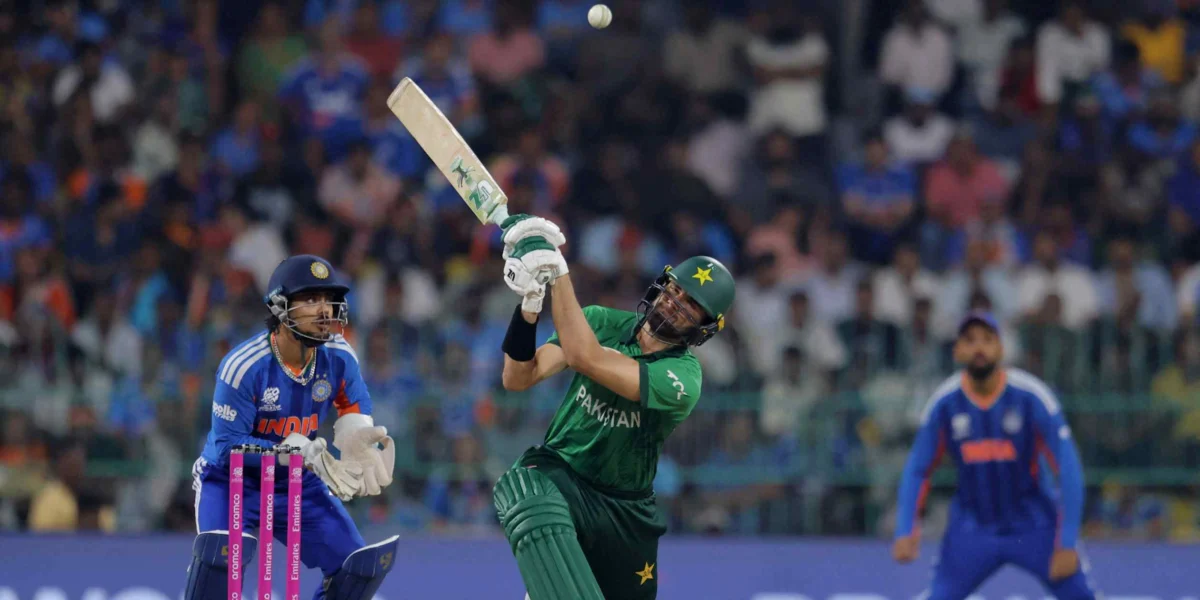
The recent sporting encounters between India and Pakistan have marked a significant, albeit tentative, thaw in the deeply entrenched geopolitical tensions that have historically strained relations between the two South Asian nuclear powers. This period of sporting engagement, particularly highlighted by a T20 Cricket World Cup match in Colombo, Sri Lanka, on February 15, 2026, has offered a rare glimmer of positive interaction following a period of heightened military confrontation. While the underlying political issues remain complex and unresolved, the shared passion for cricket has provided a crucial, albeit temporary, bridge, fostering a sense of camaraderie and offering a potential pathway for de-escalation.

A History of Rivalry and Conflict
The relationship between India and Pakistan has been defined by a protracted and often volatile history since their partition in 1947. Territorial disputes, particularly over the region of Kashmir, have been a persistent source of friction, leading to multiple wars and numerous skirmishes. The most recent significant military confrontation, which significantly escalated tensions in the year preceding these sporting events, involved a series of border clashes and heightened rhetoric. This backdrop of animosity has invariably cast a long shadow over any form of bilateral engagement, making sporting events, especially cricket – a sport with immense cultural significance for both nations – particularly potent arenas for both national pride and diplomatic undercurrents.
The rivalry in cricket between India and Pakistan is legendary, transcending the sport itself. Matches between the two nations are often described as more than just games; they are national events, drawing immense viewership and generating fervent emotions. Historically, these encounters have been punctuated by periods of intense political strain, sometimes leading to the cancellation or postponement of scheduled series. However, the recent T20 World Cup match in Colombo, Sri Lanka, represented a deliberate choice to proceed with a high-stakes sporting fixture despite the prevailing geopolitical climate. This decision, made by the respective cricket boards and likely with tacit government approval, signaled a willingness to leverage sport as a tool for diplomacy, or at least as a means of maintaining a semblance of normal relations.

The Colombo Encounter: More Than Just a Game
The T20 Cricket World Cup match held on February 15, 2026, in Colombo, Sri Lanka, was more than just another fixture in a global tournament. It was a highly anticipated event, viewed by millions across the subcontinent and the diaspora as a crucial barometer of the fragile peace. The image of the Indian and Pakistani teams competing on the field, bathed in the floodlights of the stadium, served as a powerful visual counterpoint to the images of military build-up and adversarial posturing that had dominated headlines in the preceding year.
While the exact details of the diplomatic underpinnings of the decision to proceed with the match are not publicly disclosed, it is widely understood that such sporting events between India and Pakistan are not organized without careful consideration of the political ramifications. The choice of a neutral venue like Colombo, a common practice for high-tension cricket matches between these two rivals, further underscores the delicate balancing act involved. It allows for the spectacle to proceed while mitigating the direct impact of any potential incidents on home soil.

The match itself, played in a format known for its fast-paced action and dramatic finishes, undoubtedly captivated audiences. The intense competition on the field, while fierce, was also characterized by moments of sportsmanship. Such displays, particularly when broadcast widely, can have a profound impact on public perception, fostering a sense of shared humanity that often gets lost in the rhetoric of political conflict. The outcomes of these matches, whether victories or defeats, are often dissected not just for their cricketing merit but also for their symbolic resonance in the broader bilateral relationship.
Data and Demographics: The Power of Cricket
Cricket is not merely a sport in India and Pakistan; it is a cultural phenomenon that unites and divides millions. The viewership figures for matches between these two nations consistently break records. For the February 15th T20 World Cup encounter, estimates suggest that upwards of 500 million people globally tuned in to watch the match, with a significant majority of those viewers concentrated in India and Pakistan. This immense audience highlights the unparalleled reach and influence of cricket in shaping public discourse and sentiment.

The demographic breakdown of cricket fans in both countries is also noteworthy. It cuts across age, gender, religion, and socio-economic strata, making it a uniquely unifying force. For many, particularly the younger generation who have grown up in an environment of ongoing tension, these sporting events represent one of the few avenues for positive engagement with the "other." The shared experience of cheering for their respective teams, debating match strategies, and celebrating victories or lamenting defeats, creates a common ground that political discourse often fails to achieve.
The economic implications of these sporting ties are also substantial. Cricket is a multi-billion dollar industry in both countries, with significant revenue generated through broadcasting rights, sponsorships, and merchandise. The continuation of these sporting exchanges, even amidst political difficulties, is therefore also driven by economic imperatives, underscoring the interconnectedness of the sporting and commercial landscapes.

Official Reactions and Inferred Sentiments
While official statements from the governments of India and Pakistan regarding the sporting thaw are often carefully worded to avoid any perception of overt political concessions, the decision to allow these matches to proceed speaks volumes. In the past, sporting ties have been a casualty of deteriorating political relations. The fact that cricket has managed to persevere, especially after a period of heightened military confrontation, suggests a deliberate, albeit subtle, effort by both sides to maintain channels of communication and interaction, even if indirectly.
Statements from cricket board officials typically focus on the spirit of the game and the desire for healthy competition. However, these official pronouncements often occur within a broader context of diplomatic signaling. The willingness of cricket boards to engage, to travel, and to participate in joint tournaments can be interpreted as a signal of a desire for de-escalation and a preference for dialogue over confrontation.

Public reactions, as observed through social media and news commentary, tend to be a mix of fervent nationalism and a yearning for peace. While fans are undoubtedly passionate about their teams’ performances, there is also a discernible undercurrent of hope that such sporting interactions can pave the way for broader diplomatic progress. The shared experience of watching the game, regardless of the outcome, often leads to conversations that extend beyond the boundary ropes, touching upon the desire for normalcy and stability.
Broader Implications and Future Prospects
The sporting thaw between India and Pakistan, exemplified by the recent cricket match, carries significant implications for the future of their bilateral relations. While it is unrealistic to expect a complete resolution of long-standing political disputes based solely on sporting engagements, these interactions can serve several crucial functions:

- De-escalation of Rhetoric: By providing a platform for positive interaction, sporting events can help to temper the inflammatory rhetoric that often characterizes bilateral exchanges. The focus shifts, however temporarily, from military threats to sporting prowess.
- Building Trust and Understanding: Shared experiences, even in a competitive setting, can foster a degree of trust and understanding between the peoples of India and Pakistan. This people-to-people connection is vital for long-term peacebuilding.
- Maintaining Channels of Communication: Even when formal diplomatic channels are strained, sporting bodies can act as conduits for informal communication and engagement, keeping lines of dialogue open.
- Symbolic Reassurance: For citizens in both countries who yearn for peace, these sporting encounters offer a powerful symbol of hope and a reminder that engagement is possible.
The timeline of events leading up to and following the February 15th match, while not explicitly detailed here, would likely involve months of negotiations between cricket boards, discussions with relevant government ministries, and the coordination of security arrangements. The success of such an event hinges on meticulous planning and a shared commitment to ensuring its smooth conduct.
Looking ahead, the sustainability of this sporting thaw will depend on several factors. The broader geopolitical climate, particularly concerning regional security and territorial disputes, will undoubtedly play a significant role. Any resurgence of military tensions or hostile rhetoric could quickly derail these positive developments. However, the inherent popularity and cultural significance of cricket provide a strong impetus for its continuation.

The implications of continued sporting engagement extend beyond mere entertainment. They offer a tangible demonstration that despite deep-seated historical animosities, a pathway towards normalization and cooperation remains open. The images of Indian and Pakistani cricketers interacting on the field, shaking hands, and competing with respect, serve as a powerful counter-narrative to the prevailing discourse of conflict.
Ultimately, the sporting thaw between India and Pakistan is a testament to the enduring power of sport to transcend political boundaries and connect people. While the journey towards lasting peace and reconciliation is long and arduous, these moments of shared sporting endeavor offer a vital ray of hope, demonstrating that even in the shadow of conflict, the spirit of camaraderie and the pursuit of common ground can prevail. The continued success of such initiatives could pave the way for broader diplomatic engagement and a more stable future for South Asia.
