

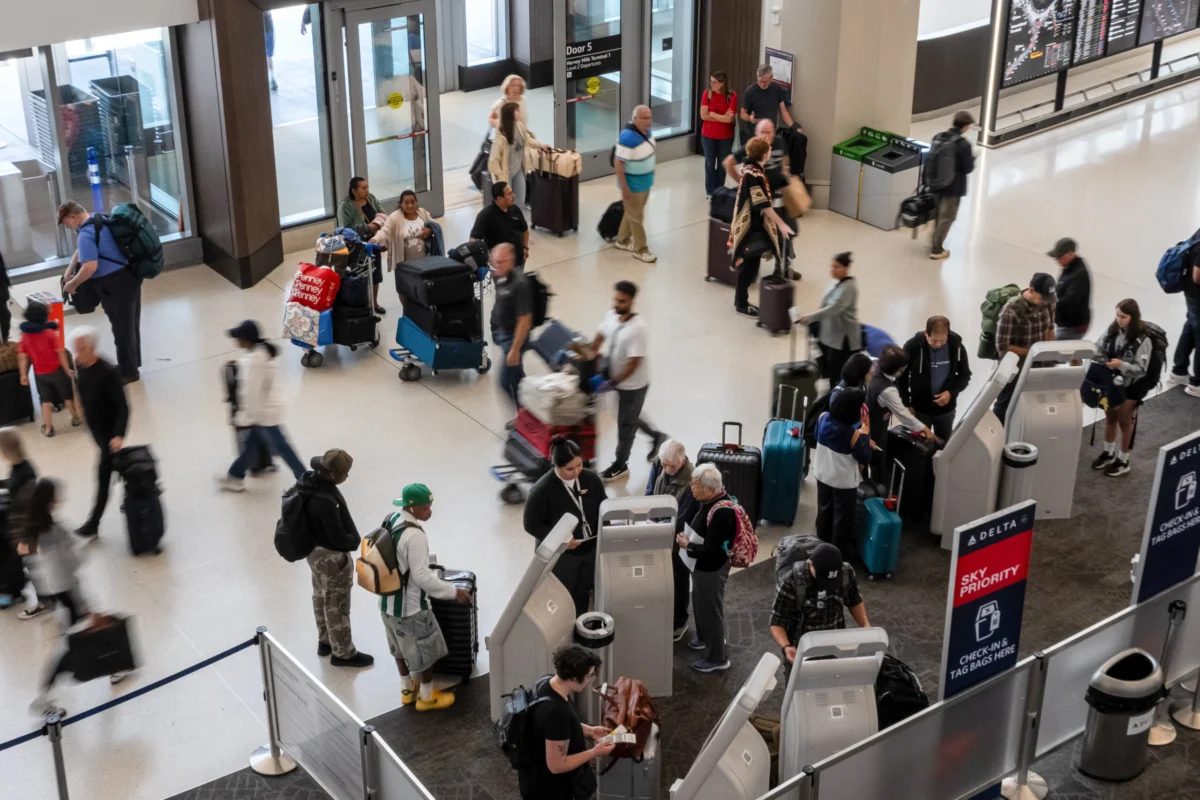
Travelers are facing unprecedented challenges in securing affordable flights for the upcoming holiday season, with both cash ticket prices and frequent flyer mileage redemptions experiencing significant surges. The confluence of robust consumer demand, escalating operational costs driven by geopolitical events, and the pervasive shift to dynamic pricing models has created a perfect storm, pushing the cost of air travel to new highs. Data from Seats.aero, a prominent miles and points redemption search site, reveals that tickets purchased with frequent flyer miles for flights between major U.S. airports over the Thanksgiving travel period in 2026 will cost an astonishing 32% more than during last year’s holiday. This dramatic increase underscores a fundamental shift in the economics of air travel, impacting millions of Americans planning to reunite with family or embark on holiday getaways.
The Unfolding Crisis: Soaring Travel Costs and Geopolitical Undercurrents
The steep ascent in air travel expenses is not an isolated phenomenon; it is a direct consequence of several powerful market forces. While airline executives have consistently reported strong demand, signaling a sustained post-pandemic desire for travel, the operational environment has become significantly more challenging.
-
A Thanksgiving Squeeze: Award Travel Takes a Hit
The 32% year-over-year increase in the cost of award tickets for Thanksgiving 2026 represents a substantial blow to frequent flyers who have meticulously accumulated miles over years. This figure, based on one-way flights on average as of early November, highlights the eroding value of loyalty currency in a high-demand, high-cost market. Traditionally, award travel offered a hedge against rising cash fares, providing a tangible benefit for brand loyalty. However, with dynamic pricing, this distinction has blurred considerably. Routes from high-demand origins, such as Hawaii, to major mainland hubs, are experiencing some of the most dramatic increases, with some segments requiring upwards of 150,000 miles for a one-way economy ticket – a figure previously associated with international business class. Even shorter, non-stop routes like New York to Houston, which might have been considered moderately priced in previous years, are now commanding premium mileage redemptions. This trend extends even to historically cheaper regional routes, with flights from Tulsa, Oklahoma, to Dallas Fort Worth International Airport, for instance, showing a notable increase in mileage requirements compared to last year. The accessibility of award travel, once a cornerstone of airline loyalty programs, is becoming increasingly constrained, forcing travelers to either pay significantly more in miles or resort to cash fares that are themselves at elevated levels. -
The Specter of Geopolitics: Jet Fuel’s Sharp Ascent
A primary driver of these escalating costs can be traced back to a critical geopolitical event: the coordinated attack by the U.S. and Israel on Iran on February 28, 2026. This sudden and significant escalation in Middle Eastern tensions sent immediate shockwaves through global energy markets. Brent crude futures, a key international benchmark for oil prices, surged by over 15% in the immediate aftermath, pushing global jet fuel prices up by an average of 25% by late March. For airlines, fuel typically represents the single largest operational expense, often accounting for 25% to 35% of total costs. Such a dramatic and rapid increase in fuel prices directly translates into higher operating expenditures that carriers are compelled to pass on to consumers to maintain profitability. The industry, still recovering from the financial ravages of the pandemic, is particularly vulnerable to these external shocks. While airlines have implemented fuel hedging strategies, these often only provide partial protection against sustained price increases and can sometimes lag behind market movements, leaving carriers exposed to immediate volatility. The February 28th incident served as a stark reminder of the global interconnectedness of energy markets and the fragility of airline economics to geopolitical instability.
The Evolution of Airline Pricing: Dynamic Models and Loyalty Programs
The current environment of surging costs and robust demand has also accelerated and intensified a long-standing trend within the airline industry: the widespread adoption of dynamic pricing for mileage redemptions.
-
From Fixed Charts to Fluid Fares: The Rise of Dynamic Pricing
For decades, frequent flyer programs operated on static mileage redemption charts, where a fixed number of miles would correspond to a specific flight route or cabin class. This offered predictability and a clear value proposition for loyalty members. However, major airlines began phasing out these fixed charts around 2019-2020, with the transition becoming almost universal across legacy carriers like Delta, United, and American Airlines by 2023. This shift was driven by a desire for greater revenue management flexibility, allowing airlines to maximize yield by aligning award ticket costs more closely with real-time cash fares and demand fluctuations. Dynamic pricing means that the number of miles required for a ticket can change by the hour, influenced by a myriad of factors including:- Demand: Higher demand for a specific flight or route drives up mileage costs.
- Route Popularity: Premier routes often command higher redemptions.
- Time of Booking: Last-minute bookings are almost always more expensive.
- Specific Dates: Holiday periods, like Thanksgiving, are peak travel times, naturally leading to inflated mileage costs.
- Competitor Pricing: Airlines adjust award costs in response to cash fare movements by rivals.
- Seat Availability: Fewer available seats in a given fare class will increase mileage requirements.
This fluid system, while beneficial for airlines in optimizing revenue, has made budgeting for award travel significantly more complex and often frustrating for consumers.
-
The Shifting Value Proposition of Frequent Flyer Miles
The move to dynamic pricing has fundamentally altered the perceived and actual value of frequent flyer miles. What once felt like a tangible reward, offering a clear path to free travel, now often feels like a moving target. Travelers who saved hundreds of thousands of miles might find that their hard-earned currency yields fewer trips, or trips to less desirable destinations, than anticipated. The transparency and predictability that characterized older loyalty programs have largely been replaced by an opaque system where the value of a mile fluctuates wildly. While airlines argue that dynamic pricing allows them to offer more award seats across a wider range of flights, albeit at varying prices, consumer advocacy groups contend that it primarily serves to devalue miles, making redemptions harder and more expensive, especially during peak travel periods when travelers need them most.
Industry Responses and Expert Analysis
The current economic and geopolitical climate has prompted various reactions from industry stakeholders, revealing both resilience and concern.
-
Airline Executives on Demand and Profitability
Despite the substantial increase in operational costs due to the surge in jet fuel prices, airline executives have consistently highlighted the robust and seemingly insatiable demand for air travel. During recent quarterly earnings calls in October 2026, leaders from major carriers reiterated strong booking trends. "While the geopolitical situation presented an immediate challenge to our fuel expenditures, we’ve observed remarkable resilience in consumer demand," stated Patrick Quayle, Senior Vice President of Global Sales for United Airlines, during a recent investor briefing. "Bookings for the holiday season remain strong, and we are seeing continued robust interest well into the first quarter of 2027. Travelers are prioritizing experiences, and air travel is a key component of that." Airlines have, to a large extent, succeeded in passing on a significant portion of these increased costs to consumers through higher fares. This ability to maintain profitability amidst rising costs is a testament to effective capacity management and a strong consumer willingness to pay for travel, albeit with growing frustration among passengers. -
Analyst Perspectives: Navigating Economic Headwinds
Aviation analysts are closely monitoring the delicate balance airlines are attempting to strike between capitalizing on demand and managing spiraling costs. "The February 28th event introduced a significant and unpredictable variable into the airline operating environment, reminiscent of past oil shocks but compounded by existing inflationary pressures," observed John Grant, a senior aviation analyst at OAG, a global travel data provider. "While carriers have demonstrated impressive agility in adjusting pricing and managing their networks, the sustained high cost of jet fuel, coupled with broader economic uncertainties, presents a complex challenge. We expect this environment to continue through the first half of 2027, with little relief in sight for consumers in terms of lower fares." Analysts also point to the potential for airlines to become more selective in their route offerings, prioritizing high-yield international and business travel over more price-sensitive domestic leisure routes if cost pressures persist. -
Consumer Advocacy and Industry Watchdogs
The ongoing increase in both cash fares and award ticket costs has drawn criticism from consumer advocacy groups. "The promise of loyalty programs is increasingly being eroded by opaque dynamic pricing models," commented Charlie Leocha, Chairman and Co-Founder of Travelers United, a consumer advocacy organization. "Consumers diligently earn miles, often through co-branded credit cards with annual fees, expecting a clear and predictable redemption value. The current system makes it incredibly difficult to plan or even understand the true cost of their travel, effectively devaluing their loyalty currency." Organizations like Seats.aero play a crucial role in providing some level of transparency, enabling travelers to search and compare mileage redemption rates across various airlines, thereby helping to demystify the complex world of dynamic award pricing. However, these tools are reactive, showing current prices rather than guaranteeing future stability.
Broader Economic and Societal Implications
The sustained high cost of air travel extends its impact beyond individual travelers and airline balance sheets, creating ripple effects across various sectors of the economy.
-
Impact on Travel Patterns and Consumer Behavior
The persistent increase in airfares is likely to influence consumer travel patterns. Budget-conscious travelers may opt for fewer trips, shorter distances, or choose alternative modes of transportation, such as rail or road travel, for domestic journeys. There could be a noticeable shift towards booking travel much further in advance in an attempt to lock in better rates, although dynamic pricing can still fluctuate. Conversely, some travelers might hold out for last-minute deals, a strategy that carries significant risk in the current high-demand environment. The increased reliance on flexible travel funds, credit card points, or travel vouchers might also become more prevalent as consumers seek ways to mitigate the direct financial burden of air travel. The aspiration for international travel might also face headwinds, as long-haul flights often see the most significant price increases. -
The Ripple Effect on Related Industries
A reduction or shift in air travel patterns due to high costs will inevitably affect a broad ecosystem of related industries. The hospitality sector, including hotels and resorts, particularly in destinations heavily reliant on air tourism, could see a slowdown in bookings. Similarly, car rental companies, tour operators, and local attractions will feel the pinch. The economic impact on communities that depend heavily on tourism, from small island nations to major metropolitan hubs, could be substantial. Furthermore, business travel, while often less price-sensitive, could also face increased scrutiny from corporate budgets, potentially leading to a greater adoption of virtual meetings where possible, impacting the frequency of face-to-face engagements. -
Long-Term Outlook for Air Travel
The long-term outlook for air travel will largely depend on the resolution of geopolitical tensions, the stability of global energy markets, and the trajectory of the broader global economy. While airlines are currently demonstrating resilience due to strong demand, there’s a limit to how much cost can be passed to consumers before demand begins to erode. Innovation in fuel efficiency, the development and adoption of sustainable aviation fuels (SAFs), and advancements in aircraft technology represent long-term solutions to mitigate the industry’s vulnerability to fossil fuel price volatility. However, these solutions are capital-intensive and will take years, if not decades, to implement at scale. In the interim, travelers should anticipate a continued environment of higher fares and more complex mileage redemptions.
Strategies for Travelers in a High-Cost Environment
In this new era of expensive and dynamically priced air travel, proactive planning and strategic flexibility are paramount for consumers.
-
Navigating Dynamic Award Pricing
Travelers aiming to maximize the value of their frequent flyer miles must adopt new strategies. Booking as far in advance as possible remains a critical piece of advice, as award availability and pricing often worsen closer to the travel date, especially for peak periods. Flexibility with travel dates and even airports can yield significant savings; flying a day or two before or after a major holiday, or considering alternative airports within a region, can drastically reduce mileage requirements. Utilizing specialized search tools like Seats.aero, which aggregates award availability and pricing across multiple airlines, becomes indispensable. Understanding the nuances of different airline loyalty programs and their partners can also unlock better value, as some partner redemptions might still offer more favorable rates than the operating carrier directly. -
The Continued Value of Loyalty
Despite the challenges posed by dynamic pricing, loyalty programs still offer tangible benefits. Elite status, earned through consistent travel, often provides perks such as complimentary upgrades, free checked bags, priority boarding, and lounge access, which can enhance the travel experience and offset some costs. Strategic accumulation of miles through co-branded credit cards, which often offer sign-up bonuses and accelerated earning rates on everyday spending, remains a viable strategy. However, travelers must be more discerning about when and how they redeem these miles, recognizing that their value is no longer fixed but fluctuates with market conditions.
The current landscape of air travel is undeniably challenging for consumers. The confluence of a robust travel appetite, exacerbated by geopolitical events driving up operational costs, and the widespread adoption of dynamic pricing models, has reshaped the economics of flying. For the Thanksgiving holiday of 2026, and likely beyond, travelers must brace for significantly higher expenses, whether paying in cash or utilizing their hard-earned frequent flyer miles. The era of predictable and consistently affordable air travel, particularly for peak periods, appears to be firmly in the past, replaced by a dynamic and often more expensive reality requiring adaptability and informed decision-making from every traveler.
