

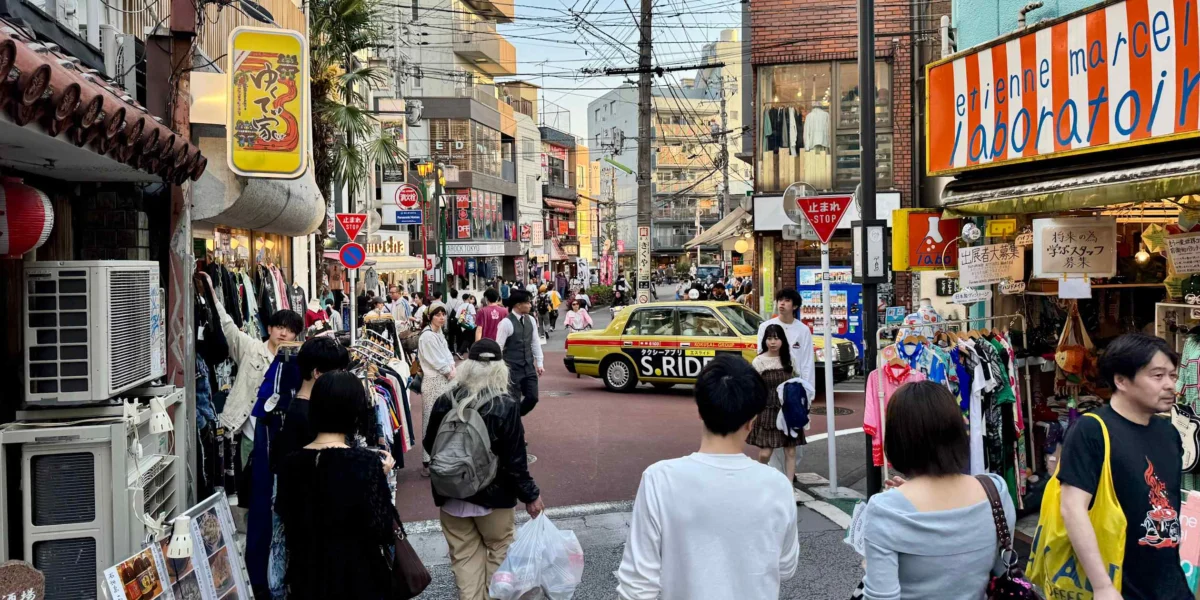
On weekends, Shimokitazawa feels less like a Tokyo neighborhood than a village in a 1960s art-house film. Young Japanese sport green hair, guitar cases and bags stuffed with secondhand clothes. The aroma of drip coffee wafts along lanes, and handwritten signs point the way to basement music venues known as live houses. People flock to "Shimokita" by train, but the maze-like streets belong to pedestrians. This evocative description, while capturing the quintessential charm of Shimokitazawa, serves as a snapshot of a district that has long defied conventional urban development, evolving into a dynamic cultural hub cherished by a dedicated following. Its unique character, however, is not a static relic of the past but a constantly reinterpreted expression of Tokyo’s counter-cultural spirit, shaped by decades of organic growth and recent infrastructural shifts.
The Genesis of a Bohemian Enclave
Shimokitazawa, or "Shimokita" as it is affectionately known, traces its roots back to the post-World War II era. Initially, the area was a residential district, gradually developing in the mid-20th century with a mix of housing and small businesses. However, its transformation into a bohemian enclave began in earnest during the 1970s and 1980s. This period saw a surge of young artists, musicians, and students drawn to its relatively affordable rents and the burgeoning independent arts scene. The absence of large commercial chains allowed for the proliferation of independent boutiques, record stores, theaters, and cafes, fostering a distinctively laid-back and creative atmosphere.
The area’s labyrinthine streets, a result of its organic development rather than planned urban design, naturally lent themselves to pedestrian exploration. This characteristic has been instrumental in cultivating its intimate, village-like feel. Unlike the grid-like avenues of other Tokyo wards, Shimokitazawa’s narrow alleys and hidden courtyards encourage serendipitous discovery, a key element of its enduring appeal.
The Rise of the "Live House" and Independent Retail
A significant pillar of Shimokitazawa’s identity is its vibrant music scene, epitomized by its numerous "live houses." These intimate basement venues, often seating fewer than 100 people, have served as crucial launching pads for countless Japanese musicians across diverse genres, from punk and rock to jazz and experimental sound. The late 1970s and 1980s witnessed a boom in these venues, with bands and artists finding a supportive community and an eager audience. Bands like The Blue Hearts, who achieved immense popularity in the late 1980s and early 1990s, honed their skills in Shimokita’s live houses, solidifying its reputation as a fertile ground for emerging talent.
Alongside the music scene, Shimokitazawa emerged as a preeminent destination for vintage and secondhand clothing. The proliferation of "furugiya" (secondhand clothing stores) in the 1990s and early 2000s attracted a new wave of fashion-conscious youths seeking unique and affordable styles. This trend not only contributed to the area’s eclectic visual aesthetic but also fostered a culture of sustainable fashion and individual expression. Today, Shimokitazawa boasts hundreds of such stores, ranging from curated vintage boutiques to large-scale resale shops, offering a diverse array of clothing and accessories. According to a 2022 survey by the Shimokitazawa Shopping Street Association, over 40% of businesses in the area are dedicated to fashion and apparel, with a significant portion falling under the vintage and secondhand category.
Recent Developments and the Shifting Urban Fabric
While Shimokitazawa has largely thrived on its independent spirit, recent years have seen significant infrastructural changes that have inevitably impacted its unique character. The most notable of these is the completion of the Odakyu Line Elevated Railway Project in 2018. This project involved raising the railway tracks that previously ran at ground level through the heart of Shimokitazawa. The elevated tracks not only modernized the transportation infrastructure but also freed up valuable land at ground level, which has since been redeveloped.
The redevelopment has led to the construction of new commercial buildings and public spaces, including the "Reload" and "Mujicom" complexes, which have introduced a more contemporary retail mix. This has sparked debate and concern among long-time residents and business owners who fear that these developments might dilute the neighborhood’s distinctive bohemian identity and lead to an influx of larger, more commercial chains.
Data and Demographics: A Shifting Profile
The demographic profile of Shimokitazawa has also been subtly evolving. While it remains a popular destination for young adults and students, the rising property values and rents in Tokyo, exacerbated by ongoing development, have begun to influence the area’s residential makeup. Data from the Setagaya Ward office indicates a slight increase in the average age of residents in the immediate Shimokitazawa vicinity over the past decade, alongside a rise in rental costs. Average rents for a one-bedroom apartment in Shimokitazawa have reportedly increased by approximately 15% between 2018 and 2023, according to real estate analysis firms.
Despite these shifts, the influx of visitors and the sustained popularity of its independent businesses suggest that Shimokitazawa’s core appeal remains potent. The area continues to attract an estimated 300,000 to 400,000 visitors per weekend, according to local tourism figures, underscoring its enduring draw as a cultural and shopping destination.
Community Reactions and Concerns
The perceived threat to Shimokitazawa’s unique character has elicited a range of reactions from its stakeholders. Many established business owners express a pragmatic understanding of the need for modernization but remain vigilant about preserving the neighborhood’s soul. Ms. Akiko Tanaka, owner of a vintage clothing store that has been operating in Shimokitazawa for over two decades, commented, "We understand that the city needs to evolve, and the new infrastructure is, in many ways, an improvement. However, we are deeply concerned about the rising rents and the potential for large corporations to overshadow the small, independent shops that are the heart of Shimokita. We hope that the developers and the ward office will consider the impact on the existing community."
Conversely, some newer businesses and younger residents welcome the increased amenities and improved accessibility brought by the redevelopment. Mr. Kenji Sato, a graphic designer who recently opened a small design studio in one of the new complexes, stated, "Shimokitazawa offers an inspiring environment for creative work. The new facilities make it easier to access, and I believe there’s still ample space for independent businesses to thrive alongside newer ventures. It’s about finding a balance."
The Shimokitazawa Shopping Street Association has been actively involved in discussions with local authorities and developers. A spokesperson for the association stated, "Our primary objective is to ensure that Shimokitazawa remains a vibrant and diverse neighborhood that celebrates its unique culture. We are advocating for policies that support small businesses, maintain affordable rents where possible, and preserve the pedestrian-friendly atmosphere that so many people cherish."
Broader Implications for Urban Planning and Cultural Preservation
The case of Shimokitazawa offers valuable insights into the complex interplay between urban development, cultural preservation, and community identity. As major cities worldwide grapple with gentrification and the homogenization of urban spaces, Shimokitazawa serves as a compelling case study. The district’s success in maintaining its distinctiveness for so long can be attributed to a combination of organic growth, a strong sense of community, and a consistent influx of individuals seeking alternative cultural experiences.
The recent infrastructural changes present a critical juncture. The ability of Shimokitazawa to adapt without losing its core identity will depend on a delicate balancing act. This includes fostering a symbiotic relationship between established independent businesses and new commercial ventures, implementing policies that mitigate excessive rent increases, and actively preserving the pedestrian-centric urban fabric that defines its charm. The future of Shimokitazawa will likely be shaped by its continued capacity to evolve while remaining true to the spirit that has made it a beloved bohemian heartland of Tokyo for decades. The challenge lies in integrating progress with preservation, ensuring that the echoes of the 1960s art-house film continue to resonate amidst the evolving urban symphony of modern Tokyo.
