

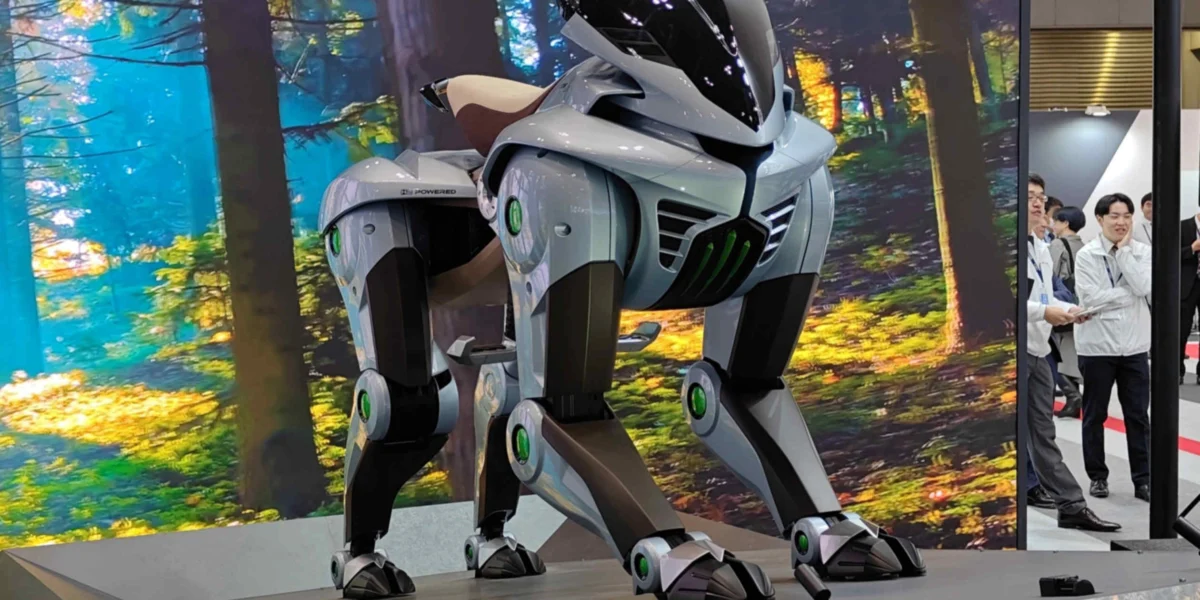
TOKYO – Kawasaki Heavy Industries is at the forefront of a significant technological leap in the maritime sector, announcing the development of an advanced AI-equipped shipbuilding robot poised to dramatically enhance productivity and address a critical shortage of skilled technicians. This groundbreaking innovation, drawing on the company’s extensive experience in robotics and automation, is designed to tackle complex welding tasks with unprecedented precision and efficiency, promising to reshape the future of ship construction. The initiative underscores a broader trend of digitalization and automation transforming heavy industries globally, as companies seek to overcome labor challenges and optimize operational performance.

The Need for Automation in Shipbuilding
The shipbuilding industry, a cornerstone of global trade and manufacturing, has long relied on a highly skilled, yet aging, workforce. Traditional shipbuilding processes, particularly welding, are labor-intensive, physically demanding, and require years of specialized training to master. This has led to a growing concern about the availability of qualified welders as experienced workers retire, creating a potential bottleneck for production and increasing operational costs. Furthermore, the inherent risks associated with welding in confined spaces and hazardous environments pose significant safety challenges for human workers.
Kawasaki Heavy Industries, a long-standing player in the industrial robot market, has recognized these pressing issues. The company’s investment in developing an AI-driven shipbuilding robot is a strategic response to these industry-wide challenges. By leveraging artificial intelligence, Kawasaki aims to automate a significant portion of the welding process, thereby increasing output, improving weld quality, and most importantly, reducing the reliance on manual labor for these critical tasks. This move is not merely about replacing human workers but about augmenting their capabilities and creating a safer, more efficient working environment.

Technological Foundation: Corleo Quadrupedal Robot and AI Integration
The new shipbuilding robot is expected to incorporate advanced technologies developed by Kawasaki, including those from its Corleo quadrupedal robot. This robotic platform, designed for navigating complex and uneven terrains, provides a stable and adaptable base for performing intricate tasks. For shipbuilding, this means the robot can be equipped with sophisticated welding tools and sensors capable of maneuvering in the often-challenging internal structures of a vessel.
The integration of artificial intelligence is the key differentiator for this new robot. AI algorithms will enable the robot to:

- Perceive and Analyze: Utilize advanced vision systems and sensors to accurately identify weld seams, their geometry, and any surface imperfections.
- Adapt and Optimize: Dynamically adjust welding parameters such as voltage, current, and travel speed in real-time based on the analysis of the weld joint. This ensures consistent and high-quality welds, minimizing defects.
- Learn and Improve: Continuously learn from each welding operation, improving its accuracy and efficiency over time. This machine learning capability means the robot’s performance will improve with use.
- Collaborate (Potentially): In the future, AI could enable these robots to work in tandem with human supervisors or even other robots, optimizing workflow and task allocation.
The application of technology from the Corleo robot, originally designed for inspection and maintenance in harsh environments, highlights Kawasaki’s strategy of repurposing and adapting its existing robotic platforms for specialized industrial applications. This approach can significantly accelerate development timelines and reduce costs by building upon proven engineering.
Projected Productivity Gains and Economic Impact
Kawasaki Heavy Industries projects that the AI-equipped shipbuilding robot will double welding productivity. This ambitious target is based on the robot’s ability to operate continuously without fatigue, perform welds with higher precision, and potentially reduce the need for rework due to inconsistent quality.

The economic implications of such a productivity increase are substantial:
- Reduced Production Times: Faster welding directly translates to shorter overall shipbuilding cycles, allowing shipyards to deliver vessels more quickly and increase their output capacity.
- Cost Savings: Improved efficiency and reduced rework lead to lower labor costs, material waste, and energy consumption.
- Enhanced Competitiveness: Shipyards that adopt this technology can gain a competitive edge in the global market by offering faster turnaround times and potentially lower prices.
- Addressing Technician Shortage: By automating a significant portion of welding tasks, the robot can alleviate the pressure caused by the scarcity of skilled welders, ensuring that production is not hampered by labor limitations.
Addressing Safety Concerns
Beyond productivity, the introduction of this AI robot directly addresses safety concerns in shipbuilding. Welding is a hazardous occupation, exposing workers to intense heat, fumes, sparks, and potential ergonomic injuries from repetitive motions in awkward positions. By delegating these tasks to robots, Kawasaki aims to:

- Minimize Human Exposure to Hazards: Robots can operate in environments that are too dangerous or uncomfortable for humans, such as confined spaces or areas with high levels of airborne contaminants.
- Reduce Ergonomic Strain: The repetitive and physically demanding nature of welding can lead to long-term musculoskeletal issues for human workers. Robots can perform these tasks without experiencing such strain.
- Improve Workplace Safety: A reduction in accidents and injuries not only benefits the workers but also leads to fewer production disruptions and lower insurance costs for shipyards.
A Timeline of Innovation and Future Outlook
Kawasaki Heavy Industries has a long history of developing industrial robots, dating back to the 1960s. This latest development is a testament to their continuous commitment to innovation. While specific timelines for full deployment were not detailed in the initial announcement, the development of such a sophisticated system typically involves several phases:
- Research and Development (Ongoing): The current phase likely involves refining AI algorithms, testing robotic arm precision, and integrating sensor technology.
- Prototype Testing (Upcoming): Prototypes will undergo rigorous testing in controlled environments and then within actual shipbuilding facilities to validate performance and identify any operational challenges.
- Pilot Programs (Future): Collaboration with select shipyards for pilot programs will be crucial to gather real-world feedback and demonstrate the robot’s capabilities in diverse shipbuilding scenarios.
- Commercialization (Projected): Following successful pilot programs, Kawasaki will aim for wider commercialization, making the AI shipbuilding robot available to shipyards globally.
The company’s experience with its Corleo robot, which has been developed and tested over several years for various applications, suggests a methodical approach to bringing this new shipbuilding solution to market. This phased rollout allows for continuous improvement and ensures that the technology is robust and reliable when it reaches full production.

Broader Implications for the Maritime Industry
The introduction of Kawasaki’s AI shipbuilding robot signals a transformative period for the entire maritime industry. This innovation is likely to spur further investment in automation and digitalization across shipbuilding yards worldwide. Other key implications include:
- Shifting Skill Requirements: As robots take over repetitive tasks, the demand for human workers will shift towards roles requiring higher-level skills, such as robot programming, maintenance, supervision, and quality assurance of automated processes. This will necessitate retraining and upskilling initiatives within the industry.
- Increased Efficiency in Supply Chains: Faster shipbuilding can have ripple effects throughout the maritime supply chain, from component manufacturers to logistics providers.
- Potential for New Ship Designs: Increased automation might also open up possibilities for more complex or intricate ship designs that were previously impractical or too costly to manufacture.
- Global Competition: Shipyards that embrace these advanced robotic solutions will be better positioned to compete on the global stage, potentially leading to consolidation or specialization within the industry.
Official Responses and Industry Reactions (Inferred)
While direct statements from other industry players were not immediately available, the development is likely to be met with keen interest and a degree of anticipation from shipyards and their competitors.

Shipyard Executives (Inferred Reaction): Would likely express optimism about the potential for increased efficiency, cost reduction, and improved safety. They might also voice concerns about the initial investment costs, the need for workforce adaptation, and the reliability of new, complex technologies. Discussions would likely focus on the return on investment and the long-term strategic advantages of adopting such automation.
Competitors (Inferred Reaction): Would undoubtedly be monitoring Kawasaki’s progress closely. This could spur them to accelerate their own research and development efforts in robotics and automation to remain competitive. It might also lead to strategic partnerships or acquisitions to gain access to similar technologies.

Labor Unions (Inferred Reaction): Would likely engage in discussions regarding the impact on employment. While the technology is intended to address shortages, there would be a focus on ensuring fair transition for existing workers, opportunities for retraining, and the maintenance of safe working conditions.
Technology Providers (Inferred Reaction): Companies specializing in AI, robotics, sensors, and industrial software would see this as a significant opportunity to partner with leading shipbuilders and robotics manufacturers like Kawasaki, offering their complementary technologies and expertise.

Conclusion
Kawasaki Heavy Industries’ development of an AI-equipped shipbuilding robot represents a significant stride towards a more automated, efficient, and safer future for the maritime construction sector. By leveraging cutting-edge artificial intelligence and proven robotic platforms, the company aims to not only double welding productivity but also to provide a crucial solution to the industry’s ongoing technician shortage. This innovation is poised to drive substantial economic benefits, enhance global competitiveness for shipyards, and fundamentally alter the nature of work within this vital global industry, setting a new benchmark for technological advancement in heavy manufacturing. The successful integration of such advanced automation will be a critical factor for shipyards looking to thrive in the evolving landscape of global industrial production.
