

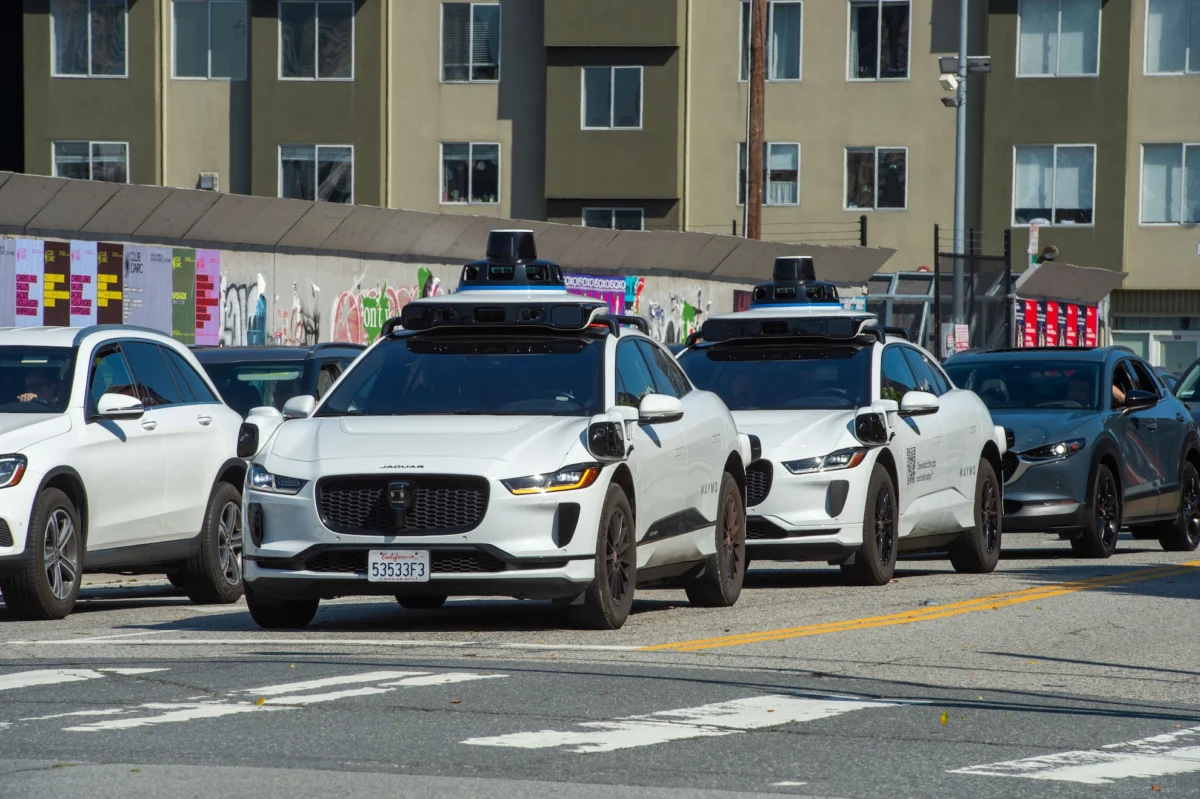
San Francisco Mayor Daniel Lurie, once a vocal proponent of the city as a "testbed for emerging tech," has formally requested state regulators to significantly bolster oversight of autonomous vehicles (AVs). This demand comes in the wake of several high-profile incidents, most notably a widespread gridlock on July 4th, where Waymo robotaxis became immobile, ran out of power, and exacerbated an already severe traffic jam, affecting thousands and paralyzing key arteries. The mayor’s letter to the California Department of Transportation (Caltrans), reviewed by TechCrunch, underscores a growing concern that the existing regulatory framework is insufficient to manage the operational complexities of AVs during extraordinary events, whether planned or unforeseen.
The Catalyst: A July 4th Gridlock Nightmare
The incident that served as the primary impetus for Mayor Lurie’s urgent call occurred on the nation’s Independence Day. San Francisco was bustling, with an estimated 100,000 spectators converging on the Golden Gate Bridge area for fireworks displays. What was intended to be a celebratory evening quickly devolved into a traffic nightmare. Amidst the heavy congestion, a significant number of Waymo robotaxis, operated by Alphabet’s self-driving unit, reportedly stalled. These vehicles, designed to operate autonomously, became immobilized, in some cases due to depleted battery power or an inability to navigate the unprecedented chaos.
The consequences were immediate and severe. Key streets, already strained by the influx of people and vehicles, became completely impassable. Municipal shuttles, vital for public transportation and emergency services, were trapped. Residents attempting to return home or move across the city found themselves at a standstill for hours. The frustration was palpable, echoing across social media and local news channels, painting a stark picture of a promising technology failing spectacularly under pressure. This event served as a critical turning point, shifting public discourse from the marvel of driverless cars to their potential to disrupt urban life profoundly when faced with challenging scenarios. The incident highlighted a critical vulnerability: while AVs excel in predictable environments, their resilience in the face of mass human behavior and infrastructure stress remains a significant challenge.
A Pattern of Disruption: Prior Incidents and Mounting Concerns
The July 4th gridlock was not an isolated incident but rather the latest in a series of events that have raised red flags regarding the operational reliability of autonomous vehicles in San Francisco. Mayor Lurie’s letter specifically cited a widespread power outage in December as another instance where dozens of Waymo vehicles became stranded, contributing to traffic paralysis. During this earlier event, the loss of electrical infrastructure, which can impact communication networks and street signals, appeared to disorient the AVs, leading to similar immobilization issues.
These repeated failures during "extraordinary conditions" — whether a planned mass gathering like the fireworks show or an unforeseen infrastructure collapse like a power outage — have amplified concerns among city officials and the public. The core issue, as articulated by Mayor Lurie, is not merely whether AVs can operate safely under normal, everyday circumstances, but whether they can perform reliably and without exacerbating existing problems during high-stress, high-volume, or emergency situations. The very presence of stalled robotaxis blocking lanes can impede emergency vehicles, delay critical city services, and create a cascading effect of congestion that traditional human-driven vehicles might navigate, albeit slowly. This pattern suggests a systemic gap in the current operational protocols and regulatory oversight, especially as AV fleets continue to expand in size and scope within dense urban environments.
Mayor Lurie’s Stance and Proposed Regulatory Framework
In his letter to Caltrans, Mayor Lurie unequivocally stated that California’s current regulatory framework "does not adequately address how autonomous vehicles operate during major incidents, planned or not." He argued that the state’s challenge has evolved beyond basic safety under normal conditions to ensuring robust performance during exceptional circumstances. To address this, Mayor Lurie outlined a vision for enhanced regulation, proposing four "core operational capabilities" that autonomous vehicle manufacturers should be required to demonstrate:
- Immediate Removal and Relocation: Companies must possess the capability to immediately remove or relocate stalled or immobile robotaxis from active travel lanes. This is critical to prevent gridlock and ensure the free flow of traffic, particularly for emergency services. This implies a robust remote intervention system and a rapid-response recovery fleet.
- Real-Time Adaptability: Autonomous systems should be capable of adapting in real-time to changing traffic conditions, public events, or emergencies. This includes dynamically adjusting routes, service areas, and even pick-up and drop-off locations to avoid congested zones or areas designated for emergency operations.
- Real-Time Data Sharing: Manufacturers must be required to share real-time operational data with local agencies. This data should encompass service disruptions, the precise locations of immobile robotaxis, and details of recovery efforts. Such transparency is vital for city planners and emergency responders to manage incidents effectively and allocate resources appropriately.
- Demonstrated Capability for High-Volume Events: Companies must demonstrate through rigorous testing that their autonomous fleets can effectively handle large influxes of people and traffic, simulating conditions akin to major public events or disaster scenarios. This would go beyond standard safety testing to assess operational resilience under extreme stress.
Lurie emphasized that these proposed requirements are not intended to stifle innovation but rather to strengthen the autonomous vehicle industry by building greater public trust and ensuring seamless integration into urban infrastructure. He views these as essential steps to prevent future disruptions and maintain San Francisco’s livability while embracing technological advancement.
The Regulatory Landscape in California: A Balancing Act
California has long been at the forefront of autonomous vehicle development and regulation. Any company aspiring to operate a robotaxi service in the state must successfully navigate a dual-permit process administered by two distinct state agencies: the Department of Motor Vehicles (DMV) and the Public Utilities Commission (CPUC). The DMV primarily oversees the testing and initial deployment of autonomous vehicles, ensuring they meet safety standards for operation on public roads. The CPUC, on the other hand, grants permits for commercial passenger services, focusing on public safety, consumer protection, and service quality aspects, similar to how it regulates traditional ride-sharing or taxi services.
This two-pronged regulatory approach makes California’s framework one of the strictest in the nation, often contrasted with more permissive environments in states like Texas and Arizona, which have attracted AV companies seeking less stringent oversight. Despite California’s rigorous standards, the allure of operating in the tech hub of Silicon Valley and the Bay Area remains strong, drawing numerous companies to test and launch their services there.
However, the incidents highlighted by Mayor Lurie suggest that even this comparatively robust framework may have unforeseen gaps, particularly concerning operational resilience during non-standard, high-stress events. The current regulations primarily focus on preventing collisions and ensuring basic operational safety, but perhaps less on the collective impact of a large fleet of AVs becoming incapacitated simultaneously or on their ability to adapt to dynamic, chaotic urban conditions. This creates a critical dialogue about whether existing permits adequately cover the full spectrum of urban operational challenges, particularly as AV fleets scale up to thousands of vehicles.
San Francisco: A Hub for Autonomous Innovation
San Francisco and the broader Bay Area, stretching south into Silicon Valley, have historically served as a premier global testbed for emerging technologies, and autonomous vehicles are no exception. The region boasts a unique ecosystem of talent, venture capital, and innovative companies, making it an attractive location for AV development. Currently, six companies, including industry giants like Waymo, Amazon-owned Zoox, and Nuro, hold driverless testing permits from the California DMV, allowing them to operate vehicles without a human safety operator behind the wheel.
Beyond testing, the area has also become a launch point for commercial AV services, which require additional permits from both the DMV and CPUC. Waymo stands out as the largest operator in the Bay Area, with an estimated fleet of 1,000 robotaxis actively providing paid rides. Other significant players are either testing or poised to launch commercial operations. Amazon-owned Zoox is rapidly expanding its testing, while a premium robotaxi service, operated by Uber in partnership with Nuro, is also on the horizon. Even Tesla, while not operating fully driverless robotaxis under the same regulatory framework, offers a "charter transportation permit" service where its own drivers use vehicles equipped with advanced driver assistance systems to pick up and drop off riders throughout San Francisco. This vibrant, competitive landscape underscores the region’s importance in shaping the future of autonomous mobility.
The sheer scale of Waymo’s operations, with its estimated 1,000 vehicles, has naturally made it the focal point for regulators and public scrutiny in San Francisco and beyond. The company reported completing over 500,000 paid rides every week across its 11 operational cities, demonstrating significant market penetration and reliance on its services. In the lead-up to the July 4th event, Waymo had reportedly agreed to voluntarily restrict its service near the waterfront and even assigned a representative to the city’s emergency center. However, as Mayor Lurie pointed out, these voluntary actions proved insufficient to prevent the widespread disruptions that occurred outside the designated restricted zones, underscoring the limitations of ad-hoc arrangements in the face of widespread public events. The incident clearly illustrated that the sheer size of Waymo’s fleet demands a more comprehensive and legally mandated framework for operational resilience and emergency response.
Broader Implications for the Autonomous Vehicle Industry
Mayor Lurie’s intervention carries significant implications not just for Waymo, but for the entire autonomous vehicle industry. The call for stricter, more explicit regulations in a leading tech hub like San Francisco could set a precedent for other cities and states grappling with the integration of AVs. The focus on "extraordinary conditions" moves beyond the baseline safety metrics and delves into the operational robustness and adaptability of these systems in complex, real-world scenarios that mimic urban chaos.
This shift in regulatory emphasis could force AV companies to invest more heavily in developing sophisticated incident response protocols, enhanced remote assistance capabilities, and more resilient software that can handle edge cases involving massive human crowds, power outages, or rapidly changing road conditions. It also highlights the need for closer collaboration between AV operators and municipal emergency services, including joint training exercises and real-time data integration, to ensure seamless coordination during crises.
For the industry, while some might view increased regulation as a hindrance to innovation, Mayor Lurie framed it as a necessary step to strengthen public trust and ensure the long-term viability of autonomous transportation. Widespread public frustration and safety concerns could ultimately slow down adoption rates and stifle growth more effectively than stringent but clear regulations. The ability of AV companies to demonstrate robust performance in challenging conditions will be crucial for winning over skeptical publics and securing the social license needed for widespread deployment. The incidents in San Francisco serve as a potent reminder that the technological prowess of autonomous vehicles must be matched by equally robust operational and regulatory frameworks to truly revolutionize urban mobility.
The Path Forward: Balancing Innovation and Public Safety
The current situation in San Francisco encapsulates the delicate balance between fostering technological innovation and ensuring public safety and urban functionality. As autonomous vehicle technology continues to advance rapidly, cities are increasingly becoming living laboratories, testing the limits of these systems in real-world environments. Mayor Lurie’s demands signal a maturing of this relationship, moving beyond initial excitement to a more pragmatic assessment of operational realities.
The proposed "core operational capabilities" offer a tangible framework for state regulators to consider, potentially leading to new statewide standards. Such standards would not only provide clarity for AV manufacturers but also empower local agencies with the tools and data necessary to manage the integration of these technologies more effectively. The debate in San Francisco is a microcosm of a larger national and international discussion about how best to govern and integrate rapidly evolving AI-driven technologies into complex human societies.
The next steps will likely involve Caltrans and the CPUC carefully reviewing Mayor Lurie’s letter and engaging in discussions with AV industry stakeholders, city officials, and public safety experts. This process will be critical in shaping the future of autonomous vehicle regulation, not just in California, but potentially across the nation. Ultimately, the success of autonomous vehicles will hinge not only on their ability to drive safely but also on their capacity to integrate seamlessly and reliably into the intricate, often unpredictable, fabric of urban life, ensuring that innovation serves the public good without compromising essential services or quality of life. The experience in San Francisco serves as a powerful case study for how cities and tech companies must collaborate to navigate these complex challenges and build a truly resilient and beneficial autonomous future.
