

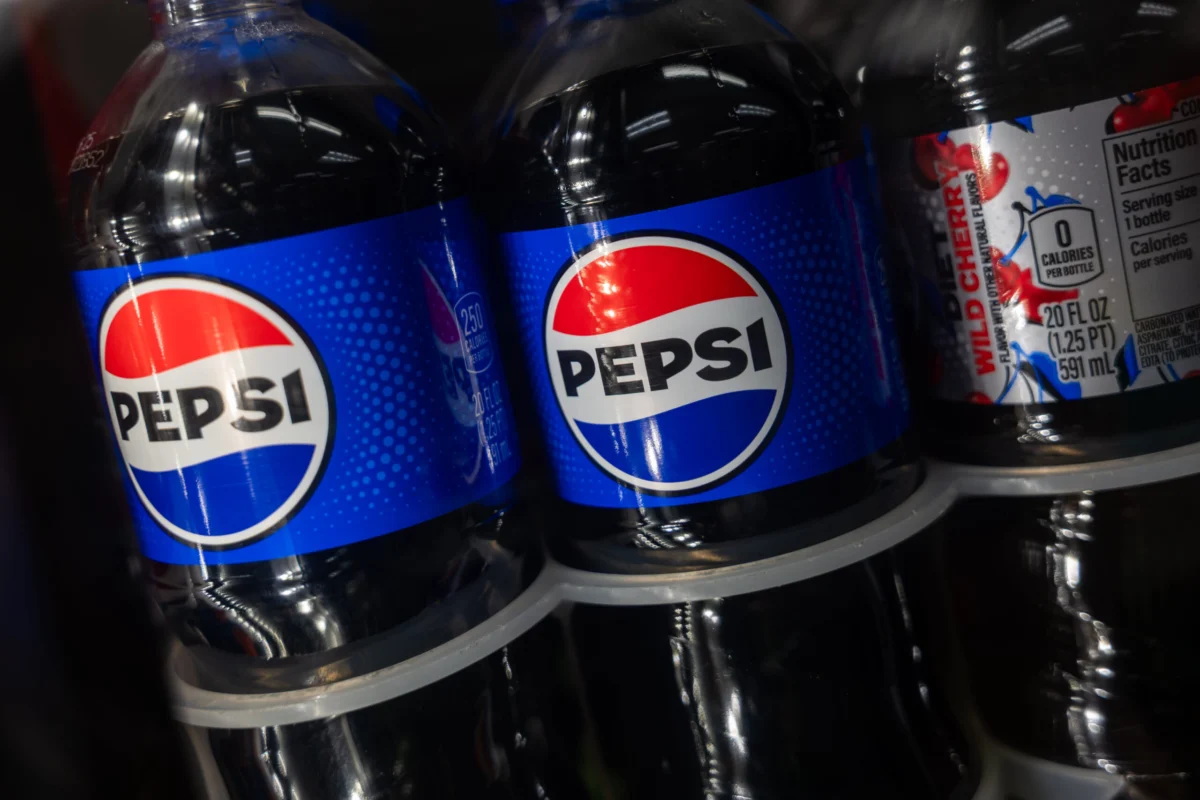
PepsiCo, the global food and beverage giant, is set to implement significant workforce reductions across its North American operations, with approximately 1,000 jobs slated for elimination. This strategic overhaul comes as the company grapples with persistent challenges in its home market, including lagging sales volumes and intense competitive pressures, necessitating a comprehensive effort to streamline operations and foster renewed growth. The cuts, which span various departments within PepsiCo’s extensive North American business units, are intended to create a more agile and efficient organizational structure, better positioned to navigate the evolving consumer landscape.
Ram Krishnan, CEO of PepsiCo North America, articulated the company’s ambitious vision in a Monday letter disseminated to employees, a copy of which was obtained by CNBC. "We have a clear ambition for PepsiCo North America: to build a stronger, more future-fit business that delivers industry-leading growth," Krishnan wrote, emphasizing the imperative for change. He further elaborated on the strategic pillars driving this decision: "To do that, we need to be faster, more connected, and more capable, while continuing to invest in growth — behind our people, capabilities and brands." The layoffs are expected to be executed over the coming week, reflecting a concentrated effort to expedite the restructuring process and integrate teams more effectively across the company’s diverse North American portfolio.
As of December 27, according to a recent company filing, PepsiCo maintained a global workforce of approximately 306,000 individuals, with roughly 125,000 of those employees based in the United States. The impending reductions represent a notable percentage of its North American professional and administrative staff, signaling a decisive shift in operational strategy. The news of the forthcoming layoffs was initially reported by The Wall Street Journal, preceding PepsiCo’s official internal communication.
Context: A Shifting Consumer Landscape and Economic Headwinds
The decision to cut jobs is not an isolated event but rather a direct response to a confluence of internal performance challenges and broader macroeconomic shifts. For several quarters, PepsiCo’s North American divisions have faced considerable headwinds. The company’s third-quarter earnings report in October 2026, which saw PepsiCo cut its full-year earnings outlook, served as a stark indicator of these struggles. During that period, the North American beverage unit experienced a 2% contraction in volume, while its crucial North American food division, which includes brands like Frito-Lay and Quaker Oats, reported stagnant volume growth. This performance contrasted sharply with some earlier periods where specific product categories or international markets had shown resilience.
The CPG (Consumer Packaged Goods) sector, in general, has been navigating a complex environment characterized by fluctuating consumer preferences, heightened health consciousness, and inflationary pressures impacting both production costs and consumer purchasing power. For PepsiCo, this has translated into a difficult balancing act: maintaining competitive pricing to attract value-conscious consumers while simultaneously managing rising input costs for key commodities such as sugar, aluminum, packaging materials, and transportation. Chief Financial Officer Steve Schmitt acknowledged these difficulties during the company’s earnings conference call, admitting that while the company had intensified efforts to boost sales through targeted pricing adjustments and increased marketing spend, the anticipated turnaround was progressing slower than initially projected. This underscores the severity of the operational challenges that have necessitated such a significant organizational realignment.
Chronology of Events Leading to the Restructuring
The path to these job cuts has been building over several months, marked by a series of financial disclosures and strategic deliberations:
- Early 2026: While PepsiCo reported solid global results in earlier quarters of the year, driven by international growth and strategic pricing, underlying volume weakness in North America began to emerge as a growing concern for analysts and investors.
- August 2026: Informal reports from industry insiders and market analysts began to circulate, suggesting that PepsiCo was reviewing its North American cost structures more aggressively, indicating potential for efficiency drives.
- October 8, 2026: PepsiCo released its third-quarter earnings report, which included a downward revision of its full-year earnings outlook. This announcement specifically highlighted the underperformance of its North American beverage and food divisions, with the 2% volume contraction in beverages and flat volume in food becoming a focal point of investor concern. CFO Steve Schmitt’s comments during the earnings call, acknowledging the slower-than-expected turnaround despite marketing and pricing efforts, further signaled the need for more drastic measures.
- Early November 2026: The Wall Street Journal first broke the news regarding the impending layoffs, citing sources familiar with the company’s plans. This pre-empted official internal communications, preparing the market and the workforce for the upcoming announcement.
- Monday, November 17, 2026 (Inferred Date): Ram Krishnan, CEO of PepsiCo North America, distributed the internal letter to employees, formally announcing the job cuts and outlining the strategic rationale behind the restructuring. The letter emphasized the goal of building a "future-fit business" that is "faster, more connected, and more capable."
- The Upcoming Week: PepsiCo is expected to implement the majority of the job cuts throughout the current week, initiating the formal notification process for affected employees. This rapid execution underscores the company’s intent to quickly transition to its new operational model.
Supporting Data and Market Context
The competitive landscape in the food and beverage industry remains fiercely contested. While PepsiCo maintains a dominant position, it faces relentless pressure from direct competitors like The Coca-Cola Company, which has also been diversifying its portfolio into new categories like coffee and energy drinks, and from a myriad of smaller, agile brands that cater to niche markets and emerging consumer trends. Data from market research firms suggests a broader industry trend where traditional soda sales are experiencing a gradual decline, while categories like bottled water, sparkling water, functional beverages, and plant-based snacks are seeing robust growth. PepsiCo’s struggle with beverage volume contraction mirrors this macro trend, indicating a need for accelerated innovation and portfolio recalibration.
Furthermore, supply chain disruptions and geopolitical events have exacerbated cost pressures. The global energy crisis, coupled with labor shortages in logistics and manufacturing, has driven up operational expenses. For a company of PepsiCo’s scale, even marginal increases in these costs can translate into hundreds of millions of dollars annually, significantly impacting profitability. The stock market’s reaction also reflects these underlying concerns; shares of PepsiCo have seen a nearly 1% decline this year, underperforming the broader S&P 500 index, which has recorded gains of nearly 11% over the same period. This divergence signals investor apprehension regarding PepsiCo’s near-term growth prospects in its crucial North American market.
Official Responses and Workforce Impact
Beyond CEO Ram Krishnan’s strategic outline, PepsiCo is expected to manage the human resources aspect of these layoffs with a structured approach. While specific details were not provided in the initial reports, companies of PepsiCo’s stature typically offer severance packages, outplacement services, and career counseling to affected employees to assist them in their transition. An inferred statement from a PepsiCo HR spokesperson might emphasize the difficulty of these decisions, stating, "These are incredibly difficult decisions that impact valued colleagues and friends. We are committed to supporting our departing employees with comprehensive severance packages and resources to aid their career transitions. This step, while painful, is necessary to ensure the long-term health and competitiveness of PepsiCo North America, allowing us to invest more effectively in our growth areas and continue to deliver for our consumers and shareholders."
For the remaining workforce, such announcements can create an atmosphere of uncertainty and concern. Maintaining morale and ensuring clear communication about the company’s future direction will be critical for PepsiCo leadership. Krishnan’s letter implicitly addresses this by focusing on building a "future-fit" business, aiming to instill confidence in the long-term vision despite the immediate challenges.
Analyst Perspectives: A Necessary Evil?
Industry analysts have largely viewed these job cuts as a necessary, albeit painful, strategic maneuver. Many believe that without aggressive cost-cutting and a renewed focus on efficiency, PepsiCo risked continued underperformance in a highly competitive market. Sarah Jenkins, a senior analyst at Capital Market Insights, commented, "PepsiCo’s North American operations have been a drag on their overall performance for some time. These job cuts, while unfortunate for those affected, represent a decisive move to rationalize costs and streamline decision-making. The market needs to see tangible results from this restructuring in the next few quarters, specifically in terms of improved volume trends and margin expansion."
Another analyst, Mark Thompson of Global Equity Research, added, "The challenge for PepsiCo isn’t just cutting costs; it’s about reallocating resources towards innovation in fast-growing categories and optimizing their supply chain for better responsiveness. The slight uptick in share price post-announcement indicates that investors are cautiously optimistic, seeing this as a sign of management’s commitment to addressing fundamental issues. However, execution will be key, and the market will be watching closely for signs that these cuts translate into sustainable growth." These expert opinions underscore the dual nature of such corporate actions: immediate relief for investors often balanced against the long-term imperative for effective strategic implementation.
Broader Industry Implications and Future Outlook
PepsiCo’s restructuring could serve as a bellwether for the broader consumer packaged goods industry, particularly for established players facing similar pressures. The emphasis on becoming "faster, more connected, and more capable" suggests a move towards more agile operational models, potentially leveraging advanced analytics, automation, and integrated cross-functional teams to respond more quickly to market shifts. This trend is likely to accelerate across the sector as companies seek to optimize efficiency and innovation in an increasingly dynamic environment.
For PepsiCo itself, the implications are multi-faceted. In the short term, the cuts are expected to yield cost savings, which could bolster profit margins and potentially free up capital for strategic investments in research and development, marketing new product lines, or expanding into high-growth segments. The focus on a "future-fit" business implies an intensified drive towards sustainable practices, healthier product portfolios, and digital transformation initiatives that enhance consumer engagement and operational efficiency.
However, there are also risks. Overly aggressive cuts could inadvertently impact institutional knowledge, disrupt existing teams, or even lead to a dip in morale that temporarily hinders productivity. The success of this restructuring will ultimately depend on PepsiCo’s ability to effectively re-deploy its remaining talent, foster a culture of innovation, and demonstrate a clear path to renewed, sustainable growth in its critical North American market. Investors will be keenly observing the company’s performance in the upcoming quarters, seeking concrete evidence that these painful but necessary measures are indeed paving the way for a stronger, more competitive PepsiCo.
