

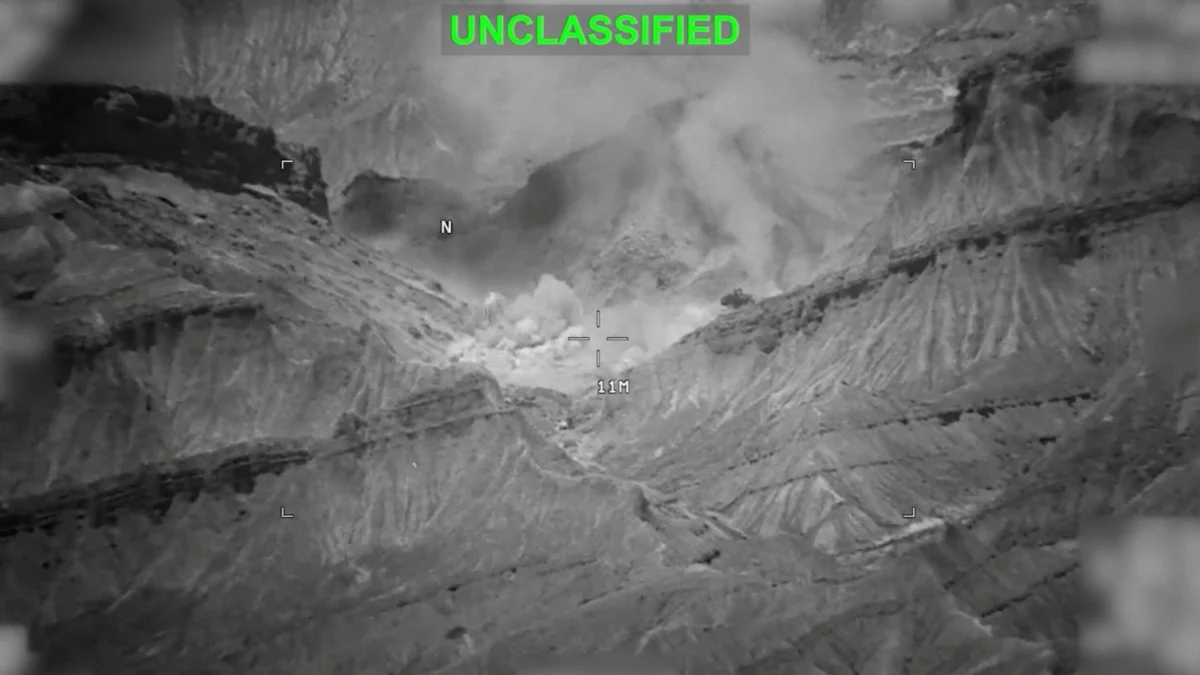
The conflict between the United States and Iran escalated for the ninth consecutive night, with U.S. forces launching further strikes against Iranian targets. This sustained military action follows a period of heightened tensions in the region, primarily stemming from disputes over maritime security in the Strait of Hormuz and broader geopolitical rivalries. The ongoing strikes aim to degrade Iran’s military capabilities, specifically those employed in threatening commercial shipping and civilian seafarers.
Escalation and Widespread Impact
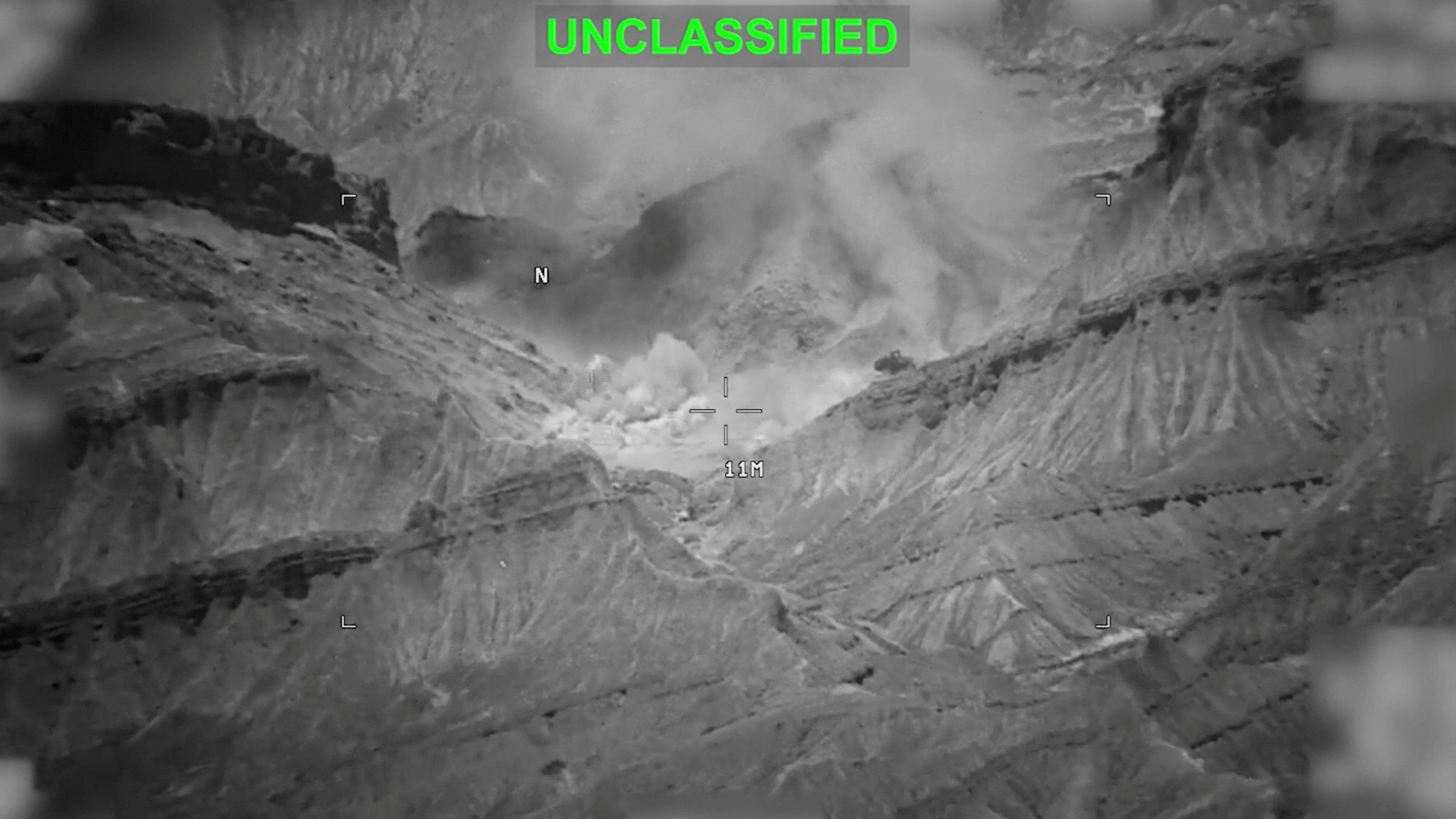
Reports indicate that the latest wave of U.S. military operations has resulted in explosions across several Iranian regions. The Iranian news agency Tasnim reported explosions in Tabriz in the north, the port city of Chabahar on the Gulf of Oman, Konarak in the southeastern province of Sistan-Balochistan, the port city of Mahshahr in the Khuzestan province, and Bandar Imam Khomeini on the Persian Gulf. These widespread reports suggest a broad scope to the U.S. military’s objectives.
In parallel, the conflict has spilled over into neighboring countries. Kuwait has reported being under renewed attack, with its air defense systems reportedly intercepting "enemy drones" originating from Iran. The military stated this on the platform X, though further details were not immediately available. Similarly, Bahrain experienced the activation of air raid sirens, as confirmed by its Interior Ministry. These incidents highlight the volatile nature of the conflict and its potential to destabilize the wider Gulf region.
The strategic Strait of Hormuz, a critical chokepoint for global oil and gas transit, remains a focal point of the conflict. The U.S. military has urged vessels to use a route near the Omani coast, a maneuver that Iran has countered with direct attacks on shipping. This strategic dispute over control of the vital waterway has been a primary driver of the recent escalation since the beginning of the month.
Casualties and International Concern
The conflict has not been without human cost for the United States. The U.S. military reported the death of a soldier in Iraq due to the controlled detonation of a downed Iranian drone. This incident brings the total number of U.S. soldiers killed in the conflict with Iran to 17, with over 430 American personnel sustaining injuries. The report of this death came just one day after the U.S. military announced the deaths of two other soldiers following an Iranian attack on a military outpost in Jordan.
The U.S. Embassy in Bahrain has issued a warning to its citizens regarding potential Iranian attacks in the capital, Manama. Intelligence suggests Iran may be targeting unspecified locations in the city center, prompting the embassy to urge vigilance among U.S. citizens.
Timeline of Recent Events:
- Recent Escalation: The conflict began to escalate at the start of the month, primarily driven by disputes over the Strait of Hormuz.
- Iranian Retaliation: Iran has reportedly conducted retaliatory attacks on countries hosting U.S. military bases in the region.
- U.S. Reinforcements: In response to the escalating situation, the United States is reportedly deploying additional fighter jets and refueling aircraft to the Middle East.
- Specific Incidents:
- A ship caught fire in the Strait of Hormuz near the Omani coast, as reported by the UK Maritime Trade Operations (UKMTO). The cause of the fire remains unclear.
- Kuwait’s air defense systems intercepted drones from Iran.
- Bahrain’s air raid sirens were activated.
- U.S. soldiers were killed in Iraq by a drone explosion.
- U.S. soldiers were killed in Jordan in an Iranian attack.
- Reports of explosions in multiple Iranian cities, including Tabriz, Chabahar, Konarak, Mahshahr, and Bandar Imam Khomeini.
International Reactions and Diplomatic Efforts
The United States has signaled its intent to continue its military operations, with the U.S. Central Command (Centcom) stating that strikes were initiated at 7:00 PM Eastern Standard Time (2:30 AM Iran local time). The stated objective is to further weaken Iran’s military capabilities used for attacks on merchant ships and civilian seafarers in the Strait of Hormuz.

The United Arab Emirates has called for an "immediate end to hostilities and a swift return to the negotiating table" in the Middle East conflict. While not explicitly naming the U.S. or Iran, the UAE’s Ministry of Foreign Affairs urged an "immediate stop to escalation" and "utmost restraint" to prevent "dangerous consequences and a slide of the region into a new phase of violence and instability." The UAE also condemned attacks on civilian infrastructure, such as schools, hospitals, and desalination plants, deeming them violations of international law.
Iran’s Stance and Internal Dynamics
Iran’s Foreign Minister Abbas Araghchi has spoken candidly about perceived security vulnerabilities that existed prior to the conflict with the U.S. and Israel. In an interview with a pro-government media activist, Araghchi detailed his experiences on the first day of the war, February 28th, noting that several key political and military decision-making bodies were in session during airstrikes on Tehran. He suggested that Israel and the U.S. might have been aware of these meetings, indicating a potential security breach that may persist. He also alluded to the possibility of external influence on decision-making processes, though he declined to elaborate further.

Iran has also reported an attack on a partially constructed nuclear power plant in the southwest of the country. The Iranian Atomic Energy Organization condemned the alleged U.S. missile attack. The International Atomic Energy Agency (IAEA) confirmed that the construction was in its early stages and that no nuclear material was present at the time. Despite the lack of immediate radiological risk, IAEA Director General Rafael Grossi reiterated calls for military restraint around nuclear facilities.
Furthermore, Iran has announced the suspension of its framework agreement with the U.S., citing the U.S.’s alleged violations of its commitments. Vice Foreign Minister Kasem Gharibabadi stated that Iran felt no longer bound by the agreement due to "aggressive measures" by the U.S. The framework agreement, intended to pave the way for a permanent end to the war, was supposed to be finalized within 60 days and included provisions for opening the Strait of Hormuz. A ceasefire had been in place since April, but the conflict reignited in early July.

Broader Geopolitical Context and Implications
The current conflict is unfolding against a backdrop of long-standing geopolitical tensions between the United States and Iran. The U.S. has consistently sought to curb Iran’s influence in the region, particularly its support for proxy groups and its nuclear program. Iran, in turn, views U.S. military presence in the Middle East as a threat and has employed asymmetric warfare tactics to counter perceived American aggression.
The strategic importance of the Strait of Hormuz cannot be overstated. Approximately 30% of the world’s seaborne oil trade passes through this narrow waterway. Any disruption to shipping in this region can have immediate and significant impacts on global energy prices and supply chains. The current escalation poses a direct threat to this vital artery of global commerce.

The involvement of various regional actors, such as Kuwait, Bahrain, and the UAE, underscores the interconnectedness of security in the Gulf. Attacks on one nation can quickly draw in others, creating a domino effect that could destabilize the entire region. The diplomatic efforts by countries like the UAE to de-escalate the situation are crucial, though their effectiveness remains to be seen in the face of continued military actions.
The implications of this prolonged conflict extend beyond immediate security concerns. The economic impact on regional and global markets is significant, with potential for oil price spikes and disruptions to trade. Furthermore, the humanitarian toll, both in terms of direct casualties and potential displacement, is a growing concern. The international community, including the United Nations, is likely to face increasing pressure to mediate a resolution and prevent a wider regional war.

The U.S. military’s stated goal of degrading Iran’s capabilities suggests a long-term strategic objective. However, the sustained nature of the attacks and the reported retaliatory actions by Iran indicate a cycle of escalation that is proving difficult to break. The risk of miscalculation or unintended consequences remains high, making diplomatic intervention and a clear path toward de-escalation paramount. The situation demands careful monitoring as it continues to evolve rapidly.
