

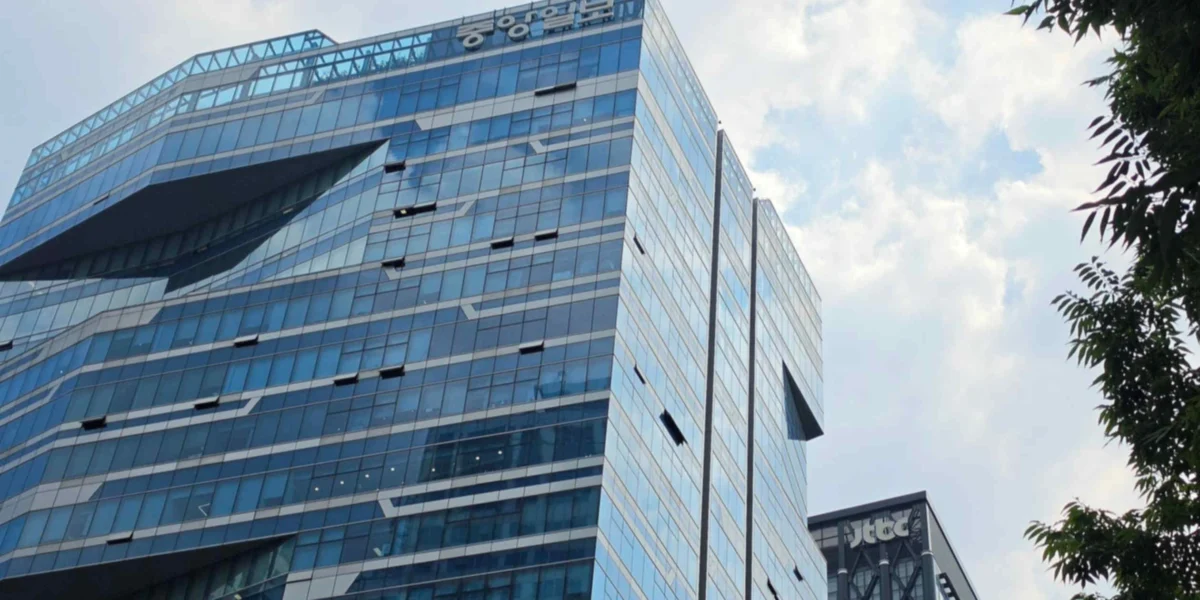
Seoul, South Korea – In a significant development for South Korea’s media landscape, the prominent daily newspaper JoongAng Ilbo is set to divest a substantial 95% stake to a domestic consortium of investors, including prominent players in the technology and retail sectors. The transaction, valued at 520 billion won (approximately $383 million USD), aims to inject much-needed capital into the publication following a severe credit crisis that engulfed its parent group earlier this year. The move signals a potential shift in ownership and operational strategies for one of the nation’s oldest and most influential newspapers.
Deepening Financial Woes Prompt Strategic Sale
The decision to sell a controlling interest in JoongAng Ilbo stems directly from the financial distress experienced by its parent company. In June of this year, the parent group filed for rehabilitation proceedings, a legal framework akin to bankruptcy protection, in South Korean courts. This filing triggered a liquidity crunch, impacting the operations and financial stability of its various subsidiaries, including the flagship newspaper. The rehabilitation process, while designed to restructure debt and facilitate a return to solvency, often necessitates the sale of assets or significant equity stakes to secure immediate funding and long-term viability.
JoongAng Ilbo, a newspaper with a rich history dating back to 1965, has been a key voice in South Korean journalism, covering politics, economy, society, and culture with a generally centrist editorial stance. However, like many traditional media outlets globally, it has grappled with declining advertising revenues and the seismic shift towards digital media consumption. The parent group’s broader financial difficulties exacerbated these existing challenges, pushing the newspaper to the brink and necessitating a drastic measure to ensure its survival.
The Investor Consortium: A Blend of Traditional and Digital Powerhouses
While specific details regarding the full composition of the domestic consortium remain under wraps pending official announcements, preliminary reports indicate a strategic alignment of established Korean businesses. The inclusion of "tech and retail companies" suggests a forward-looking approach to media ownership, potentially aiming to leverage digital expertise and consumer engagement strategies to revitalize the newspaper’s business model.
This diversification of ownership from a traditional media conglomerate to a consortium with strong ties to the technology and retail sectors could herald a period of significant transformation for JoongAng Ilbo. Such partnerships often bring not only financial investment but also new perspectives on content delivery, audience engagement, and the integration of digital platforms. The consortium’s objective is likely to stabilize the newspaper’s finances, modernize its operations, and ensure its continued relevance in an increasingly competitive media environment.
Timeline of Events: From Crisis to Sale
The journey leading to this significant stake sale can be traced back several months, marked by escalating financial pressures and subsequent strategic decisions:
- Early 2026: Reports begin to surface regarding the financial strain on JoongAng Ilbo’s parent group, hinting at liquidity challenges and potential restructuring.
- June 2026: The parent company formally files for rehabilitation proceedings in South Korean courts, a pivotal moment that signals the severity of its financial distress. This filing immediately raises concerns about the future of its media assets, including JoongAng Ilbo.
- July – October 2026: Amidst the rehabilitation process, discussions and negotiations commence with potential investors. The need for substantial capital to stabilize operations and satisfy creditors becomes paramount. Several domestic and international parties are rumored to have expressed interest.
- Late October – Early November 2026: A domestic consortium, comprising entities from the technology and retail sectors, emerges as the leading candidate. Negotiations intensify, focusing on the valuation of the stake and the terms of the acquisition.
- November 6, 2026: JoongAng Ilbo announces its intention to sell a combined 95% stake to the domestic consortium for 520 billion won, marking a new chapter for the venerable publication.
This chronology underscores the rapid and decisive action taken to address the financial crisis, prioritizing the preservation of the newspaper’s legacy while securing its future.
Financial Implications: A Lifeline and a New Era
The 520 billion won injection represents a substantial lifeline for JoongAng Ilbo. This capital infusion is expected to be utilized for several critical purposes:
- Debt Reduction: A significant portion will likely be allocated to servicing and reducing the debt accumulated by the parent group and the newspaper itself, easing the immediate financial burden.
- Operational Funding: The funds will support day-to-day operations, including salaries, printing costs, and editorial expenses, ensuring the continued publication of the newspaper.
- Digital Transformation: A key area of investment is anticipated to be in the modernization of its digital infrastructure, content management systems, and online presence. This is crucial for adapting to evolving media consumption habits and attracting a younger audience.
- Strategic Initiatives: The capital may also fuel new editorial projects, investigative journalism, and potential expansion into new media formats or related ventures.
The sale of a 95% stake signifies a transfer of control. The remaining 5% stake likely offers the existing ownership a degree of residual influence or an option for future buy-back, but the operational and strategic direction will now be firmly in the hands of the new consortium. This could lead to significant changes in editorial policy, management structure, and business strategy, aiming to create a more agile and digitally-oriented media organization.
Industry Context and Broader Impact
The challenges faced by JoongAng Ilbo are not unique. Traditional newspapers worldwide have been navigating a complex digital transition, with declining print revenues and the rise of free online news. South Korea, with its highly connected population and advanced digital infrastructure, presents a particularly dynamic and competitive media market.
The involvement of tech and retail companies in the acquisition is a trend that reflects a broader recognition of the media industry’s potential, albeit with a strong emphasis on digital innovation and diversified revenue streams. These new owners may bring expertise in data analytics, e-commerce integration, and direct-to-consumer engagement, all of which are vital for media companies seeking to thrive in the 21st century.
The implications of this sale extend beyond JoongAng Ilbo itself:
- Media Consolidation and Diversification: This transaction could accelerate trends of media consolidation or, conversely, encourage new forms of diversified ownership in the South Korean media sector.
- Innovation in Journalism: The infusion of capital and new expertise may foster innovation in journalistic practices, content creation, and audience engagement models, potentially setting new benchmarks for the industry.
- Public Discourse: As a major newspaper, JoongAng Ilbo plays a significant role in shaping public discourse. Changes in its ownership and editorial direction could have a ripple effect on the national conversation.
- Investor Confidence: The successful completion of such a substantial deal, despite the parent group’s financial difficulties, could signal a degree of investor confidence in the resilience and future potential of South Korea’s media industry, provided that strategic and innovative approaches are adopted.
Official Statements and Future Outlook
While official statements from JoongAng Ilbo and the acquiring consortium are expected to be released in the coming days, the announcement itself represents a critical step forward. The primary focus for the new ownership will be to restore financial stability, rebuild market confidence, and chart a clear path for the newspaper’s future. This will likely involve a robust digital strategy, potential integration with the consortium’s existing businesses, and a renewed focus on delivering high-quality journalism that resonates with a modern audience.
The transition will undoubtedly be closely watched by media professionals, industry analysts, and the South Korean public alike. The success of this new chapter for JoongAng Ilbo will depend on its ability to adapt, innovate, and effectively leverage the strengths of its new ownership structure while upholding the journalistic integrity and public service mission that has defined it for decades. The 520 billion won investment is not just a financial transaction; it is a bet on the future of a storied institution in the ever-evolving world of news and information.
