

TOKYO – In a significant strategic modernization initiative, Japan’s Ground Self-Defense Force (GSDF) is set to integrate control systems for its diverse array of missiles and artillery units at the division level. This pivotal decision, obtained by Nikkei, is designed to dramatically enhance battlefield responsiveness, enabling commanders to rapidly pinpoint enemy locations and orchestrate swift, decisive counterattacks. The move underscores a broader strategic pivot by Japan, aiming to bolster its defensive capabilities in an increasingly complex regional security environment, particularly in light of escalating tensions and territorial disputes in the Indo-Pacific.
The integration aims to create a more cohesive and agile command and control (C2) network. Historically, the management of different weapon systems has often been siloed, leading to potential delays in information sharing and weapon deployment. By bringing missile and artillery control under a unified divisional command structure, the GSDF seeks to streamline the decision-making process, shorten the "kill chain" – the sequence of steps from target detection to engagement – and maximize the effectiveness of its firepower. This is especially critical for Japan, which relies on its Self-Defense Forces to deter aggression and protect its vast archipelago, including remote islands that are logistically challenging to resupply.
Strategic Imperatives and Evolving Security Landscape
The GSDF’s modernization push is directly influenced by the evolving geopolitical realities in East Asia. The increasing assertiveness of China, particularly its expanding military presence and territorial claims in the East China Sea and South China Sea, presents a significant challenge to regional stability. Japan, which shares maritime borders with China and has its own territorial disputes, including the Senkaku Islands (known as the Diaoyu Islands in China), views these developments with considerable concern. Furthermore, the unpredictable nature of North Korea’s ballistic missile programs and its ongoing nuclear development continue to pose a direct threat to Japan’s security.
In this context, the ability to rapidly and effectively respond to incursions or attacks is paramount. The integration of missile and artillery control systems is not merely a technological upgrade; it represents a fundamental shift in operational doctrine. It moves away from a more piecemeal approach to a networked, synchronized defense posture. This is particularly relevant for the defense of Japan’s outlying islands, such as those in the Nansei Islands chain stretching southwest towards Taiwan. These islands are strategically vital but geographically dispersed, making them vulnerable to potential amphibious assaults or missile strikes. An integrated C2 system would allow for the rapid redirection of defensive assets to threatened locations, enhancing the survivability and effectiveness of GSDF units stationed in these remote areas.
Background and Chronology of the Initiative
While the recent announcement highlights the immediate plans, the concept of integrating C2 systems within the GSDF has been a subject of discussion and development for several years. The need for greater interoperability and a more unified command structure has been a recurring theme in defense reviews and strategic planning documents.
Mid-2010s: Initial discussions begin within the GSDF and the Ministry of Defense regarding the need to modernize C2 systems to cope with advanced enemy capabilities and to improve joint operations with the Japan Maritime Self-Defense Force (JMSDF) and the Japan Air Self-Defense Force (JASDF).
Late 2010s: Pilot programs and studies are initiated to assess the feasibility and effectiveness of integrating different fire control systems. These often focus on specific weapon platforms and communication networks.
Early 2020s: The increasing pace of military modernization by neighboring countries, coupled with a series of regional security incidents, accelerates the urgency for comprehensive defense reforms. The GSDF begins to prioritize the development of networked warfare capabilities.
2023-2024: The GSDF intensifies its efforts, conducting simulations and exercises to test integrated C2 concepts. This period likely sees significant input from defense contractors and technological experts.
Late 2024 – Early 2025: The formal decision-making process for the division-level integration of missile and artillery control systems is likely completed, paving the way for the announcement and subsequent implementation.
November 2026: Nikkei reports on the GSDF’s plans to integrate these systems at the division level.
The integration is expected to involve a multi-faceted approach, encompassing hardware upgrades, software development, and extensive training. The GSDF is likely to leverage existing communication infrastructure while also developing new, secure, and resilient networks capable of handling the high volume of data required for real-time battlefield awareness and command.
Enhancing Ammunition and Missile Inventory Management
A crucial, often overlooked, benefit of this integration is its intended impact on ammunition and missile inventory conservation. Remote islands, due to their geographical isolation, present significant logistical challenges for resupply. The current approach may involve maintaining larger stockpiles on these islands, which can be costly and potentially compromise their security if enemy intelligence identifies them.
By enabling commanders to precisely identify targets and allocate the most appropriate weapon systems for engagement, the GSDF can optimize ammunition usage. Instead of firing multiple rounds to achieve a desired effect, a single, well-aimed shot from an appropriately equipped unit could neutralize a threat. This not only conserves precious munitions and missiles but also reduces the logistical burden of frequent resupply missions. For islands that are difficult to resupply, this conservation strategy becomes a critical component of their sustained defense. The ability to make every round count is a key tenet of modern, resource-constrained warfare, and this integration directly addresses that imperative.
Supporting Data and Technological Underpinnings
The successful implementation of this integration will rely on several key technological advancements. While specific details remain classified, the GSDF is likely to be incorporating elements such as:
- Advanced Sensor Networks: This includes integrating data from various sources, such as reconnaissance drones, surveillance aircraft, ground-based radar, and potentially even intelligence from allied nations. This network will provide a comprehensive and near real-time picture of the battlefield.
- Secure and Resilient Communication Systems: The ability to transmit vast amounts of data securely and reliably between division headquarters, subordinate units, and forward-deployed assets is paramount. This will likely involve encrypted satellite communications, tactical data links, and potentially the use of artificial intelligence (AI) for network management and optimization.
- Battlefield Management Systems (BMS): These software platforms will serve as the central hub for integrating sensor data, displaying friendly and enemy positions, and facilitating the planning and execution of fires. They will allow commanders to visualize the battlefield and make informed decisions rapidly.
- Targeting and Fire Control Systems: Modern missiles and artillery pieces are already equipped with sophisticated targeting systems. The integration will focus on linking these individual systems into a unified network, allowing for the seamless transfer of target data and the automated generation of firing solutions. This could include the integration of precision-guided munitions (PGMs) for enhanced accuracy.
- Cybersecurity Measures: Given the networked nature of the system, robust cybersecurity protocols will be essential to prevent enemy hacking, electronic warfare, and data breaches.
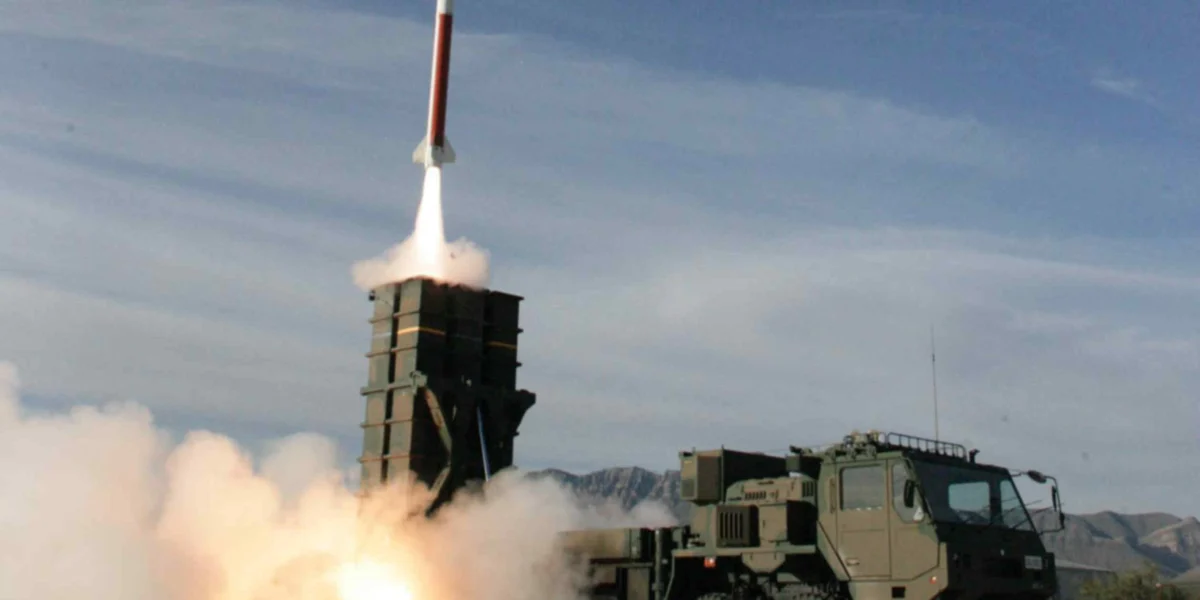
The GSDF’s existing arsenal includes a range of missile systems, such as anti-ship missiles (e.g., Type 12), surface-to-air missiles (e.g., Type 03 Chu-SAM), and various artillery pieces, including self-propelled howitzers and multiple rocket launchers. The integration aims to bring these disparate systems under a common operational framework. For example, data from an anti-ship missile battery could be used to direct fire from a long-range artillery unit, or vice versa, creating a synergistic effect that exceeds the capabilities of individual weapon systems acting in isolation.
Official Responses and Public Perception
While the Nikkei report provides the initial details, official confirmation and further elaboration from the Ministry of Defense and the GSDF are expected. Such announcements typically follow a period of internal deliberation and external consultation.
A likely official statement might emphasize the defensive nature of this modernization effort, highlighting its role in enhancing Japan’s deterrence capabilities and its commitment to regional security. It would likely underscore the GSDF’s dedication to evolving its operational concepts to meet contemporary threats effectively. The ministry might also point to the increased efficiency and resource optimization that the integration will bring.
Public reaction within Japan is likely to be mixed, but generally supportive of efforts to strengthen national defense. The country has a strong tradition of pacifism following World War II, but there is growing public awareness and concern regarding regional security challenges. Defense spending has been steadily increasing in recent years, reflecting a shift in public sentiment and political priorities. Modernization efforts like this are often framed as necessary to maintain peace and stability. However, there will also be ongoing debates about the scale of defense spending, the implications of increased military capabilities, and the importance of diplomatic solutions.
Broader Impact and Implications
The integration of missile and artillery control systems at the division level has several significant implications for Japan’s defense posture and the broader Indo-Pacific region:
- Enhanced Deterrence: A more responsive and effective GSDF can act as a stronger deterrent against potential aggressors. The ability to rapidly counterattack and inflict significant damage on an invading force can raise the cost of aggression to an unacceptable level.
- Improved Joint Operations: This initiative will likely pave the way for even closer integration with the JMSDF and JASDF, as well as with allied forces, particularly the United States. A networked defense system is crucial for seamless joint operations, allowing for the efficient sharing of intelligence and the coordinated employment of diverse military assets.
- Increased Regional Stability: By strengthening its own defenses, Japan contributes to overall regional stability. A credible defense posture can reassure allies and partners, while simultaneously deterring potential adversaries.
- Technological Advancement: The development and implementation of such a sophisticated C2 system will drive innovation within Japan’s defense industry, potentially leading to advancements in AI, cybersecurity, and network-centric warfare technologies.
- Logistical Efficiency: As mentioned, the conservation of ammunition and missiles, particularly for remote island defense, represents a significant logistical advantage. This can free up resources and reduce reliance on vulnerable supply lines.
The move by the GSDF to integrate its missile and artillery control systems is a clear indication of Japan’s commitment to adapting its defense strategy to the complex security challenges of the 21st century. It signifies a move towards a more agile, networked, and responsive military, better equipped to protect its territory and contribute to regional peace and stability. The successful execution of this plan will be a critical factor in shaping the future of Japan’s defense capabilities.
