

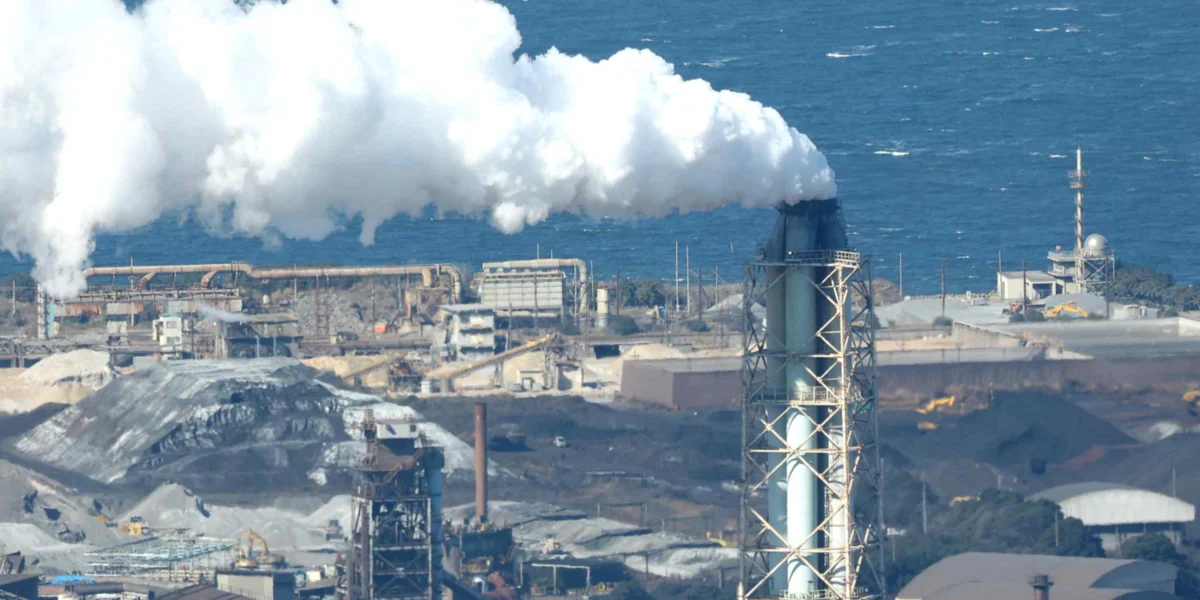
TOKYO – Japan is poised to temporarily suspend certain operational restrictions on its coal-fired power plants, a significant policy shift driven by escalating geopolitical tensions in the Middle East and the subsequent threat to the nation’s energy security. Sources close to the matter revealed that the government’s decision aims to mitigate the imminent risk of an energy shortage, particularly concerning the supply of oil and natural gas that traverses the strategically vital Strait of Hormuz. This move underscores the profound vulnerability of Japan’s energy infrastructure to international supply chain disruptions and highlights a pragmatic, albeit controversial, pivot in its long-term decarbonization strategy.
The decision comes at a critical juncture for Japan, an archipelago nation with a voracious appetite for energy and limited domestic resources. For decades, Japan has relied heavily on imported fossil fuels to power its industrial engine and illuminate its cities. The current geopolitical climate, characterized by heightened conflict in the Middle East, has amplified concerns over the reliability of these vital energy lifelines. The Strait of Hormuz, a narrow waterway through which a significant portion of global oil and liquefied natural gas (LNG) shipments pass, has become a focal point of international anxiety. Disruptions to this critical chokepoint could have immediate and severe repercussions for energy-importing nations like Japan.
Deepening Energy Dependence and Vulnerability
Japan’s energy landscape is notably imbalanced. Thermal power plants, primarily fueled by coal, liquefied natural gas (LNG), and oil, currently account for approximately 70% of the nation’s electricity generation. This overwhelming reliance on imported fossil fuels, especially in the wake of the Fukushima Daiichi nuclear disaster in 2011 which led to the shutdown of most of Japan’s nuclear reactors, has made the country acutely susceptible to fluctuations in global energy markets and geopolitical instability.
The war in the Middle East, with its inherent unpredictability, has sent shockwaves through global energy markets. Oil prices have surged, and the specter of supply disruptions looms large. For Japan, which imports nearly all of its oil and a substantial portion of its LNG, the potential impact is particularly severe. The Strait of Hormuz, a passage of immense strategic importance, is a critical artery for these imports. Any sustained blockage or significant reduction in shipping through this waterway would cripple Japan’s energy supply, threatening widespread blackouts and severe economic disruption.
A Strategic Pivot in Energy Policy
The temporary lifting of restrictions on coal-fired power plants represents a stark departure from Japan’s stated decarbonization goals. The nation has committed to achieving carbon neutrality by 2050 and has been actively promoting renewable energy sources such as solar and wind power, as well as exploring the potential of hydrogen and next-generation nuclear technologies. However, the immediate imperative of energy security appears to have superseded these long-term aspirations, at least in the short to medium term.
Coal, while a significant contributor to greenhouse gas emissions, remains a readily available and relatively stable fuel source for Japan. The nation possesses several operational coal-fired power plants, many of which have been subject to operational limitations aimed at reducing their environmental impact. Relaxing these restrictions would allow these plants to operate at higher capacities, thereby increasing domestic electricity generation and providing a crucial buffer against potential supply shortages stemming from the Middle East crisis.
Chronology of Emerging Concerns and Policy Response
The escalation of the conflict in the Middle East in recent months has been a primary driver behind this policy reevaluation. Initial reports of rising tensions began to surface in late 2025, with sporadic incidents impacting shipping routes. By early 2026, the situation had deteriorated significantly, leading to a noticeable increase in global oil and LNG prices.
- Late 2025: Initial reports of heightened geopolitical tensions in the Middle East emerge, with isolated incidents affecting regional maritime traffic. Global energy markets begin to show signs of volatility.
- Early 2026: The conflict intensifies, leading to a sustained increase in oil and LNG prices. Concerns about the security of the Strait of Hormuz become a central issue in international discussions.
- Mid-March 2026: Japanese government officials, including those from the Ministry of Economy, Trade and Industry (METI), begin holding urgent consultations regarding energy security. Reports indicate that contingency plans are being developed, including the potential for increased reliance on domestic thermal power generation.
- Late March 2026: Sources familiar with the matter confirm that the government is preparing to temporarily lift operational restrictions on coal-fired power plants. This decision is presented as a necessary measure to avert an energy crisis.
- March 26, 2026: The news of the impending policy shift is reported by major news outlets, signaling a significant, albeit temporary, recalibration of Japan’s energy strategy.
The decision to relax coal plant restrictions is not without precedent. Following the 2011 earthquake and tsunami that crippled the Fukushima Daiichi nuclear power plant, Japan also saw a temporary increase in its reliance on coal power to fill the energy deficit. However, the current situation is driven by a different set of external pressures, namely international conflict rather than a domestic disaster.
Supporting Data and Projected Impacts
Japan’s energy import dependency statistics paint a stark picture of its vulnerability. In fiscal year 2022, the nation imported approximately 87% of its primary energy supply, with fossil fuels constituting the vast majority. Coal accounted for around 30% of its total primary energy supply, while LNG made up approximately 37%. Oil imports, though reduced from pre-Fukushima levels, remained substantial.
The operational capacity of Japan’s coal-fired power plants is considerable. As of early 2026, the country possesses a total installed coal power generation capacity of roughly 42 gigawatts (GW). While not all of this capacity is consistently utilized, the ability to ramp up operations at these plants offers a tangible solution to immediate supply concerns.
Estimated Impact of Increased Coal Plant Operation:
- Increased Electricity Generation: A temporary surge in coal plant operations could add an estimated 5-10 GW of electricity generation capacity, depending on the extent of the relaxed restrictions and the operational readiness of the plants. This additional output could be crucial in averting rolling blackouts during peak demand periods.
- Reduced Reliance on Imported LNG: By substituting some LNG-fired power generation with coal, Japan could reduce its immediate demand for imported LNG, thereby mitigating the impact of potentially higher prices and supply uncertainties from the Middle East.
- Environmental Considerations: This move, however, will undoubtedly lead to a temporary increase in Japan’s carbon emissions, a development that will likely draw criticism from environmental groups and international climate bodies. The government will face pressure to ensure these measures are indeed temporary and that a clear roadmap for returning to its decarbonization targets is maintained.
Official Responses and Stakeholder Reactions
While the government has yet to issue an official statement confirming the policy change, sources indicate that discussions have been ongoing at the highest levels. The Ministry of Economy, Trade and Industry (METI), which oversees Japan’s energy policy, is expected to be at the forefront of implementing these temporary measures.
- Government Rationale (Inferred): The primary justification for this policy shift is undoubtedly national energy security. Officials are likely to frame it as a necessary, albeit temporary, measure to protect the Japanese public and economy from the immediate consequences of an international energy crisis. The emphasis will be on "temporary" to reassure the public and international partners of Japan’s continued commitment to climate goals.
- Industry Reactions (Likely): Electric power companies, which operate the coal-fired plants, are likely to welcome the temporary relaxation of restrictions, as it provides them with greater operational flexibility. However, they will also be keenly aware of the long-term implications and the need to align with future decarbonization strategies.
- Environmental Group Concerns (Anticipated): Environmental organizations are expected to express strong opposition to any increased reliance on coal, which is a major source of greenhouse gas emissions. They will likely call for greater investment in renewable energy and urge the government to avoid any backsliding on its climate commitments. For instance, groups like Greenpeace Japan and Friends of the Earth Japan have consistently advocated for a rapid transition away from fossil fuels. Their statements are likely to highlight the paradox of increasing coal use while facing a climate crisis.
- Public Opinion: Public reaction is likely to be mixed. While many citizens may prioritize energy security and fear blackouts, there will also be concerns about the environmental impact and the perception of a compromised commitment to climate action. Surveys conducted by Japanese media outlets following past energy crises have often shown a public willingness to accept measures that ensure stable energy supply, even if they have environmental drawbacks.
Broader Implications and Future Outlook
The temporary relaxation of coal power restrictions in Japan is a clear indicator of the complex interplay between geopolitical realities and national energy strategies. It highlights the difficult choices governments face when confronted with immediate security threats that can challenge long-term policy objectives.
- Impact on Decarbonization Goals: This move raises questions about the pace and feasibility of Japan’s 2050 carbon neutrality target. While presented as temporary, the increased reliance on coal could set a precedent or at least create a perception of weakened resolve in the fight against climate change. The government will need to articulate a robust plan for how it intends to compensate for any temporary increase in emissions and accelerate its transition to cleaner energy sources once the immediate crisis subsides.
- Diversification of Energy Sources: The crisis underscores the urgent need for Japan to further diversify its energy portfolio. While renewables are a key component, this event might also spur renewed interest in other low-carbon or carbon-neutral energy sources, such as advanced nuclear power, geothermal energy, and potentially carbon capture and storage (CCS) technologies for fossil fuel power plants.
- International Energy Diplomacy: Japan’s actions will also be observed by other energy-importing nations facing similar vulnerabilities. It could influence regional and international energy diplomacy, potentially leading to greater cooperation on energy security and the development of alternative supply routes and energy technologies. The crisis may also accelerate discussions around the strategic importance of energy storage solutions and grid resilience.
- Economic Considerations: The short-term economic impact could be positive in terms of preventing energy price spikes and ensuring industrial activity. However, the long-term costs associated with climate change and the potential for continued reliance on volatile global energy markets remain significant.
In conclusion, Japan’s decision to temporarily ease restrictions on coal-fired power plants is a pragmatic response to an immediate and pressing energy security threat. It is a testament to the nation’s vulnerability to global geopolitical events and its commitment to maintaining a stable power supply for its citizens and economy. However, this strategic pivot will necessitate careful management to ensure it does not derail Japan’s long-term decarbonization ambitions and will likely spur further innovation and strategic thinking in the realm of energy security and sustainability. The coming months will be crucial in observing how Japan navigates this delicate balance between immediate needs and its future energy trajectory.
