

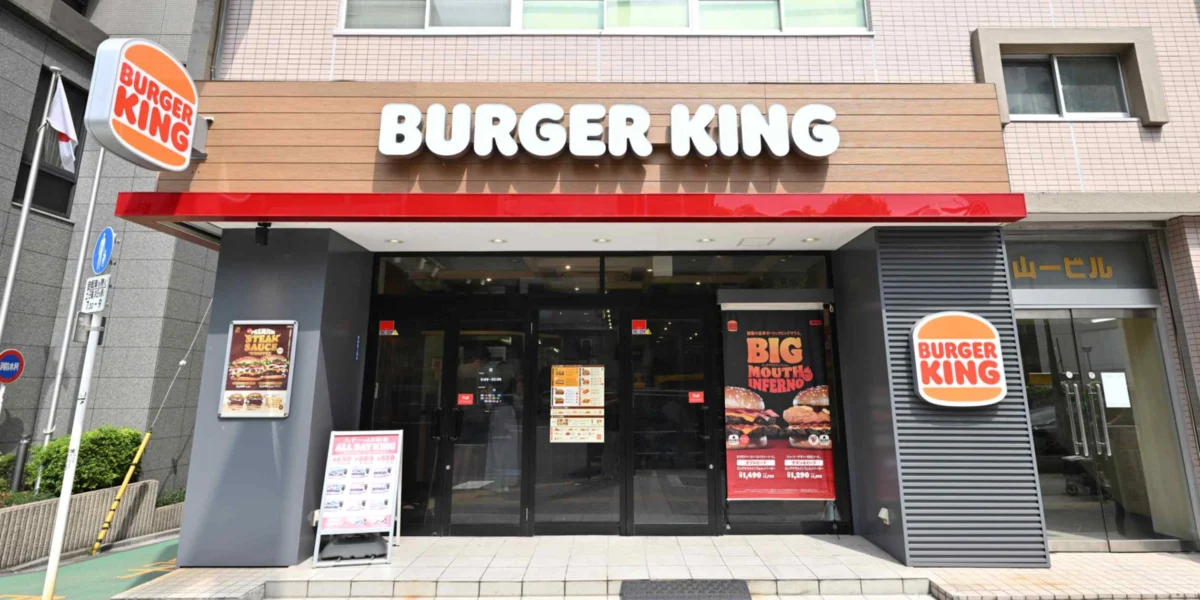
TOKYO – Burger King Japan has initiated a significant social media campaign aimed at substantially increasing its number of franchised locations across the nation, offering attractive incentives to potential franchisees. This strategic move signals a concerted effort by the fast-food giant to accelerate its expansion and solidify its presence in a competitive Japanese market where its franchised footprint currently lags behind many of its rivals. The campaign, which began in early June 2026, underscores a pivotal moment for the brand’s growth trajectory in Japan, a country where it has historically operated with a higher proportion of company-owned stores.
Strategic Shift Towards Franchising
The current landscape of Burger King’s operations in Japan presents a stark contrast to many global fast-food chains. While international brands often rely heavily on franchise partners to drive rapid expansion and local market penetration, Burger King’s Japanese subsidiary has historically maintained a more centralized ownership model. Data indicates that only approximately 20% of Burger King’s Japanese outlets are currently operated by franchisees. This figure is considerably lower than benchmarks set by competitors such as McDonald’s, which boasts a significantly higher percentage of franchised locations, enabling faster store rollouts and greater localized market adaptation.
This disparity has prompted a strategic re-evaluation, leading to the current initiative. By actively seeking and incentivizing new franchisees, Burger King Japan aims to leverage the entrepreneurial spirit and local market knowledge that franchise partners can bring. This approach is a well-established pathway for rapid scalability in the food service industry, allowing for faster store openings, increased brand visibility, and potentially more tailored product offerings to suit regional tastes.
The Incentive Package: A Closer Look
While the specifics of the reward structure are being rolled out incrementally through the social media campaign, initial reports suggest a comprehensive package designed to attract serious investors. These incentives are rumored to include financial support for initial setup costs, reduced royalty fees for a defined period, and dedicated marketing and operational support from the parent company. The aim is to lower the barrier to entry for prospective franchisees, making the prospect of opening and operating a Burger King restaurant more financially appealing and less operationally daunting.
The recruitment drive is being primarily disseminated through popular social media platforms, including X (formerly Twitter), Instagram, and Facebook, targeting individuals and businesses with a keen interest in the food and beverage sector and a desire to invest in a globally recognized brand. The campaign is expected to feature testimonials from existing franchisees (if any are available and willing to participate), detailed explanations of the franchise model, and clear calls to action for interested parties to learn more.
Historical Context and Market Dynamics
Burger King’s presence in Japan dates back to the early 1990s, with its initial entry marked by ambitious expansion plans. However, the brand has faced considerable challenges in establishing a dominant market share compared to rivals like McDonald’s and emerging local players. The Japanese fast-food market is characterized by its discerning consumer base, a strong preference for quality and convenience, and intense competition. For years, Burger King has operated in a more niche segment, often focusing on its signature flame-grilled burgers.
The decision to pivot towards a more franchise-centric growth model is not entirely unprecedented within the broader fast-food industry in Japan. Many international chains have found success by empowering local entrepreneurs to navigate the complexities of the Japanese consumer landscape. This often involves adapting menus, store designs, and marketing strategies to resonate with local preferences. For Burger King, this shift represents a deliberate attempt to accelerate its growth and capture a larger segment of the market that may have been underserved or overlooked due to its historically centralized operational structure.
Timeline of the Initiative
The social media campaign officially commenced in early June 2026. This marked the public announcement of Burger King Japan’s renewed focus on franchising.
- Phase 1 (Early June 2026): Launch of the initial social media teasers and announcements, outlining the general intent to expand through franchising and hinting at attractive incentives.
- Phase 2 (Mid-June 2026 onwards): Detailed disclosure of the specific rewards and support packages offered to potential franchisees. This phase will likely involve webinars, informational sessions, and dedicated online portals for application and inquiries.
- Ongoing: Continuous recruitment efforts, with a targeted approach to identify and vet suitable franchise candidates across various regions of Japan. The success of this phase will be measured by the number of new franchise agreements signed and the subsequent opening of new outlets.
The company has indicated that it aims to significantly increase its franchised store count within the next three to five years, although specific numerical targets have not yet been publicly disclosed.
Potential Implications and Analysis
This strategic shift carries several potential implications for Burger King and the broader Japanese fast-food market:
- Accelerated Growth and Market Penetration: By empowering franchisees, Burger King can likely achieve a faster rate of store openings than through company-owned expansion alone. This will enhance brand visibility and accessibility across a wider geographical area.
- Increased Localized Adaptation: Franchisees, with their intimate knowledge of local markets, can be instrumental in tailoring menu offerings, promotions, and store operations to better suit regional consumer preferences. This could lead to greater customer engagement and loyalty.
- Competitive Landscape Adjustment: An expansion of Burger King’s footprint, particularly in areas where it is currently underrepresented, will intensify competition with established players. This could lead to more dynamic pricing strategies, innovative product launches, and enhanced marketing efforts across the industry.
- Economic Impact: The recruitment of new franchisees will create entrepreneurial opportunities and generate employment in the food service sector, contributing to local economies.
However, challenges remain. Burger King will need to ensure robust training and support systems are in place to maintain brand standards and operational consistency across its franchised network. Furthermore, attracting high-quality franchisees in a competitive investment market will require the incentives to be genuinely attractive and the franchise model to be demonstrably profitable.
Official Statements and Reactions (Inferred)
While direct quotes from Burger King Japan executives were not immediately available for this report, the strategic shift itself speaks volumes. The company’s leadership has likely recognized that the current pace of expansion is insufficient to compete effectively with market leaders. The focus on franchising signals a belief that external entrepreneurial drive, coupled with corporate support, is the most effective path forward.
Potential franchisees, on the other hand, are likely to view this initiative with cautious optimism. The promise of rewards and support from a global brand is enticing, but thorough due diligence will be essential. Industry analysts might interpret this move as a sign of Burger King’s commitment to revitalizing its Japanese operations and a recognition of the limitations of its previous expansion strategy.
Supporting Data and Benchmarking
To understand the significance of Burger King’s initiative, it is helpful to consider data from the Japanese fast-food market. McDonald’s, the dominant player, operates over 2,800 stores in Japan, a vast majority of which are franchised. This model has allowed for rapid expansion and a strong presence in virtually every city and town. Other international brands, such as KFC and Subway, also utilize a significant proportion of franchised outlets, enabling them to build substantial networks.
The low percentage of franchised Burger King outlets (around 20%) suggests a historical reliance on corporate capital and management. This can lead to slower decision-making and a less agile response to local market nuances compared to a franchise-driven model. The current campaign is an explicit effort to bridge this gap and adopt a more scalable and adaptive growth strategy.
Future Outlook
The success of Burger King Japan’s franchise recruitment drive will hinge on several factors: the attractiveness and clarity of its incentive packages, the effectiveness of its marketing and outreach efforts, and its ability to onboard and support a new wave of franchisees. If successful, this initiative could lead to a significant transformation of Burger King’s presence in Japan, making the brand more accessible and competitive in one of the world’s most dynamic fast-food markets. It represents a bold step towards a more decentralized and entrepreneurial future for the iconic burger chain in the Land of the Rising Sun.
