

TOKYO – The Japanese government is poised to inject approximately 1 trillion yen ($6.3 billion) into its burgeoning circular economy initiatives by the end of the decade, aiming to significantly bolster the development of advanced facilities and cutting-edge technologies for the recycling of critical minerals and plastics from waste streams. This substantial investment, revealed through a Nikkei report, underscores Japan’s strategic commitment to reducing its reliance on imported raw materials and fostering a more sustainable, resource-efficient industrial landscape.
The initiative signals a determined push to transform waste, particularly electronic waste (e-waste), into valuable secondary resources. By subsidizing the establishment of recycling plants and the adoption of innovative processing technologies, Tokyo seeks to unlock the immense potential of discarded materials, thereby enhancing national resource security and mitigating the environmental impact of traditional mining and manufacturing processes. The ¥1 trillion allocation will likely be disbursed over several years, targeting various stages of the recycling value chain, from collection and sorting to advanced material extraction and refinement.
Strategic Imperative: Resource Security and Economic Resilience
Japan, an island nation with limited domestic natural resources, has long grappled with its vulnerability to global supply chain disruptions and price volatility in the international commodity markets. The ongoing geopolitical shifts and the increasing demand for rare earth elements and other critical minerals, essential for the production of high-tech goods, electric vehicles, and renewable energy technologies, have amplified these concerns. This strategic investment in recycling is, therefore, not merely an environmental policy but a critical component of Japan’s broader economic and national security strategy.
The envisioned ¥6.3 billion investment is expected to catalyze private sector engagement, encouraging companies to innovate and invest in the necessary infrastructure and research and development. Government subsidies are anticipated to de-risk such investments, making them more attractive to businesses that might otherwise hesitate due to the high upfront costs and technological complexities involved in advanced recycling processes. This public-private partnership approach is seen as crucial for achieving the ambitious goals set forth by the government.
The E-Waste Challenge and Opportunity
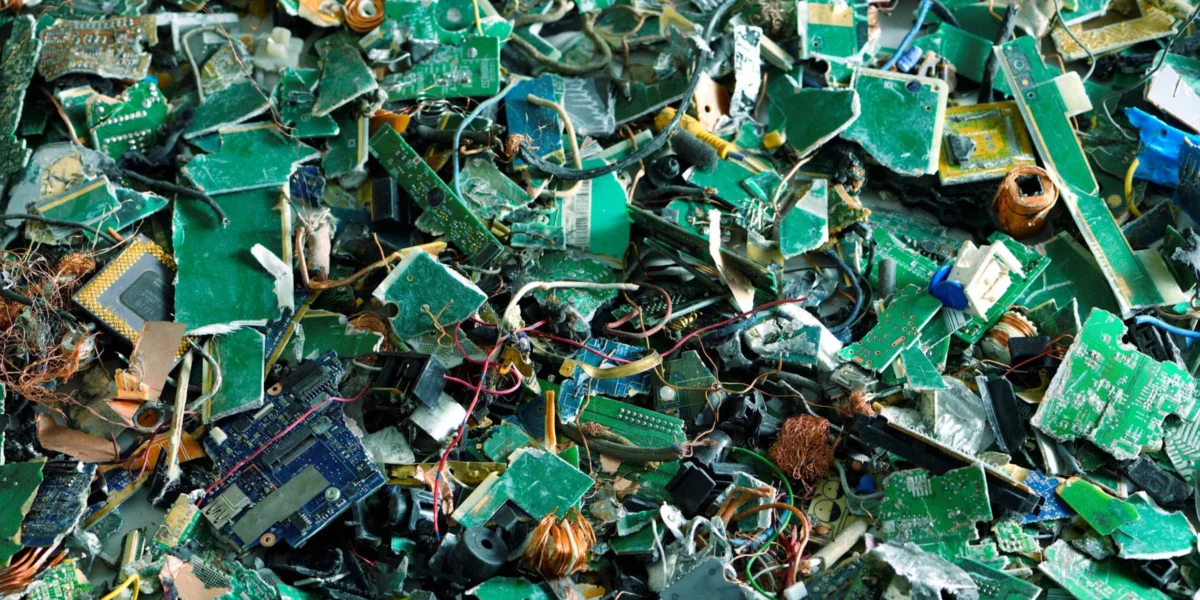
Electronic waste is a particularly pressing issue globally, and Japan is no exception. The rapid pace of technological advancement leads to a constant stream of discarded electronics, containing valuable metals like gold, silver, copper, and rare earth elements, alongside plastics. Historically, the recovery rates for these materials have been suboptimal, with much of it ending up in landfills or being exported for less regulated processing.
The Japanese government’s plan aims to change this narrative. By supporting the development of specialized recycling facilities, the country intends to create a domestic ecosystem capable of efficiently extracting these valuable components. This not only reduces the need for virgin material extraction, which is often environmentally damaging and resource-intensive, but also creates a stable, localized supply of raw materials for Japanese industries.
Supporting Data and Projections:
While specific breakdowns of the ¥1 trillion investment are yet to be fully detailed, the allocation is expected to cover:
- Infrastructure Development: Subsidies for building new recycling plants, upgrading existing facilities, and investing in advanced sorting and processing equipment. This could include facilities dedicated to recovering specific metals from batteries, semiconductors, and other electronic components.
- Technological Advancement: Funding for research and development of novel recycling technologies, such as improved chemical leaching, bio-mining techniques, and advanced separation processes for plastics and metals. This could also involve support for pilot projects and the commercialization of new technologies.
- Logistics and Collection Networks: Investments in optimizing waste collection and transportation systems to ensure a steady and efficient flow of recyclable materials to processing centers.
- Policy and Regulatory Support: While not directly financial, the government’s commitment to this investment will likely be accompanied by supportive policies and regulations that facilitate the circular economy, such as extended producer responsibility schemes and incentives for using recycled materials.
The potential economic benefits are significant. A robust domestic recycling industry could generate new jobs, foster innovation, and create new export opportunities for Japanese recycling technologies. Furthermore, by reducing reliance on imported raw materials, Japan could mitigate the impact of price fluctuations and supply chain vulnerabilities, enhancing its economic resilience.
A Timeline for Transformation
This ambitious initiative is envisioned to unfold over the remainder of the current decade, implying a phased approach to investment and development.
- Immediate Focus (2024-2026): The initial phase is likely to concentrate on identifying key areas for investment, supporting pilot projects, and establishing the foundational infrastructure. This could involve announcing specific subsidy programs and partnering with leading recycling companies and research institutions. The government might also focus on raising public awareness and incentivizing consumer participation in e-waste recycling.
- Mid-Term Development (2027-2029): As the program matures, the focus will shift towards scaling up operations, deploying advanced technologies, and establishing comprehensive collection and processing networks. This period will likely see the establishment of larger, more sophisticated recycling facilities capable of handling a wider range of waste materials and achieving higher recovery rates.
- Long-Term Integration (2030 onwards): By the end of the decade, the aim is to have a fully integrated and efficient circular economy system for critical materials and plastics, significantly reducing Japan’s dependence on primary resources and establishing it as a leader in sustainable resource management.
Potential Industry Reactions and Expert Analysis
While official statements from relevant ministries are anticipated, industry leaders and environmental experts are likely to view this investment positively.
Inferred Industry Reactions:
- Recycling Companies: Businesses operating in the waste management and recycling sectors would likely welcome the substantial government support, seeing it as an opportunity to expand their operations, invest in new technologies, and secure long-term contracts. They may also advocate for clear guidelines and incentives to ensure the efficient and effective deployment of funds.
- Manufacturing Sector: Companies that rely on critical minerals and plastics would benefit from a more stable and domestically sourced supply of raw materials. This could lead to more predictable production costs and reduced vulnerability to global market disruptions. They might also be encouraged to design products with recyclability in mind.
- Technology Providers: Developers of recycling machinery, chemical processes, and digital solutions for waste management would find a receptive market for their innovations, driven by government subsidies and industry demand.
Expert Analysis:
Dr. Hiroshi Tanaka, a leading researcher in resource economics at Tokyo University, commented, "This ¥1 trillion investment represents a paradigm shift for Japan’s resource strategy. It moves beyond merely managing waste to actively creating value from it. The success of this initiative will hinge on effective technology deployment, robust public-private collaboration, and a clear understanding of the economic viability of recycled materials compared to virgin resources. The focus on critical minerals is particularly prescient, given their strategic importance in the global green transition."
Environmental organizations are also expected to applaud the move, emphasizing the positive environmental implications. "Reducing the environmental footprint associated with mining and the disposal of waste is paramount," stated Ms. Yumi Sato, Director of the Green Earth Alliance. "This investment has the potential to significantly decrease landfill burden, reduce greenhouse gas emissions from material production, and conserve natural habitats. The challenge will be to ensure that the recycling processes themselves are as environmentally sound as possible."
Broader Implications for Japan and the Global Economy
The ripple effects of this Japanese initiative could extend far beyond its borders.
- Global Supply Chain Diversification: As Japan strengthens its domestic recycling capabilities, it could become a more reliable partner for international businesses seeking diversified and secure sources of critical materials.
- Technological Leadership: Success in developing advanced recycling technologies could position Japan as a global exporter of these solutions, contributing to a worldwide shift towards a more circular economy.
- Environmental Standards: The investment may spur greater adoption of stringent environmental standards in recycling processes, setting a benchmark for other nations.
- Economic Model Innovation: Japan’s approach could serve as a blueprint for other resource-dependent nations seeking to enhance their economic resilience and sustainability.
However, challenges remain. The complexity of certain recycling processes, the fluctuating market prices for recovered materials, and the need for consistent consumer and industrial participation are all factors that will influence the ultimate success of this ambitious plan. Nevertheless, the ¥1 trillion commitment signifies a powerful statement of intent, positioning Japan at the forefront of the global transition towards a more circular and sustainable future. The coming years will be crucial in determining how effectively this substantial investment translates into tangible progress in resource security and environmental stewardship.
