

DETROIT – A powerful coalition representing the vast majority of automakers operating in the United States is ratcheting up pressure on Congress to enact a permanent and comprehensive ban on the domestic sale, import, and manufacturing of Chinese connected vehicles, as well as their associated hardware and software. The Alliance for Automotive Innovation (AAI), a prominent industry advocacy group, formally urged congressional leaders this past Thursday to take decisive action before the conclusion of the current congressional session on January 3, 2027, emphasizing the urgency of the threat posed by heavily subsidized Chinese automotive products.
The call to action comes amid escalating geopolitical tensions and growing concerns over national security implications tied to advanced technologies embedded in modern vehicles. John Bozzella, CEO of the Alliance for Automotive Innovation, articulated the industry’s apprehensions in a letter obtained by CNBC, stating, "Right now, Chinese automakers are dumping subsidized vehicles with connected software and hardware around the world. This hasn’t happened inside the U.S. yet, but given the scale and urgency of this threat, we urge you to enact a Chinese vehicle, software and hardware ban before adjourning this year and make this policy the law of the land." This plea underscores a perceived existential threat to the American automotive sector, both economically and strategically.
Rising Concerns Over Chinese Automotive Dominance
The rapid ascent of Chinese automotive manufacturers, particularly in the electric vehicle (EV) segment, has sent ripples of concern through established global markets. Brands like BYD, Geely, SAIC, and others have aggressively expanded their reach, leveraging substantial government subsidies and sophisticated supply chains to offer highly competitive, often lower-priced, vehicles. While their direct presence in the U.S. consumer market remains limited, their aggressive expansion into Europe, Central and South America, and Southeast Asia has created a sense of impending market disruption. The fear among U.S. automakers is that these subsidized vehicles, once they gain a foothold, could quickly undercut domestic production, leading to significant job losses and a weakening of the American industrial base.
Beyond economic competition, the core of the AAI’s argument rests on national security. Modern vehicles are essentially rolling computers, equipped with an array of sensors, cameras, microphones, and advanced connectivity features that collect vast amounts of data—from driving habits and biometric information to geographical locations and personal communications. This data, if accessible by foreign governments, particularly those considered geopolitical rivals, poses significant intelligence and cybersecurity risks. The potential for remote access, data exfiltration, or even vehicle immobilization as a form of strategic sabotage is a critical concern for U.S. policymakers and industry leaders alike.
A Detailed Chronology of Mounting Tensions
The current push for a ban is not an isolated incident but rather the culmination of several years of escalating tensions and policy discussions:
- Early 2020s: As Chinese EV manufacturers began demonstrating technological prowess and aggressive expansion strategies, initial concerns within the U.S. auto industry started to surface regarding potential future competition. Reports from intelligence agencies also highlighted the dual-use nature of connected vehicle technology.
- February 2024: President Joe Biden issued an executive order aimed at preventing "countries of concern" from accessing Americans’ sensitive personal data through connected vehicles. While not explicitly naming China, the order clearly signaled the administration’s intent to scrutinize foreign technology in the automotive sector, citing risks to national security and privacy. This move initiated a review by the Commerce Department into regulations that could restrict connected vehicle imports from adversarial nations.
- May 2026: Bipartisan efforts in the U.S. Congress gained momentum, with discussions centering on legislative measures to address the perceived threat. Senator Ted Cruz (R-TX) and other lawmakers advanced legislation within the Senate Commerce Committee that specifically targeted vehicles from manufacturers with significant Chinese ownership. One notable aspect of this proposed bill could potentially bar European luxury automaker Mercedes-Benz from the U.S. market, given that Chinese investors reportedly hold nearly 20% of the German company. This highlights the complex web of global automotive investments and the far-reaching implications of such legislation.
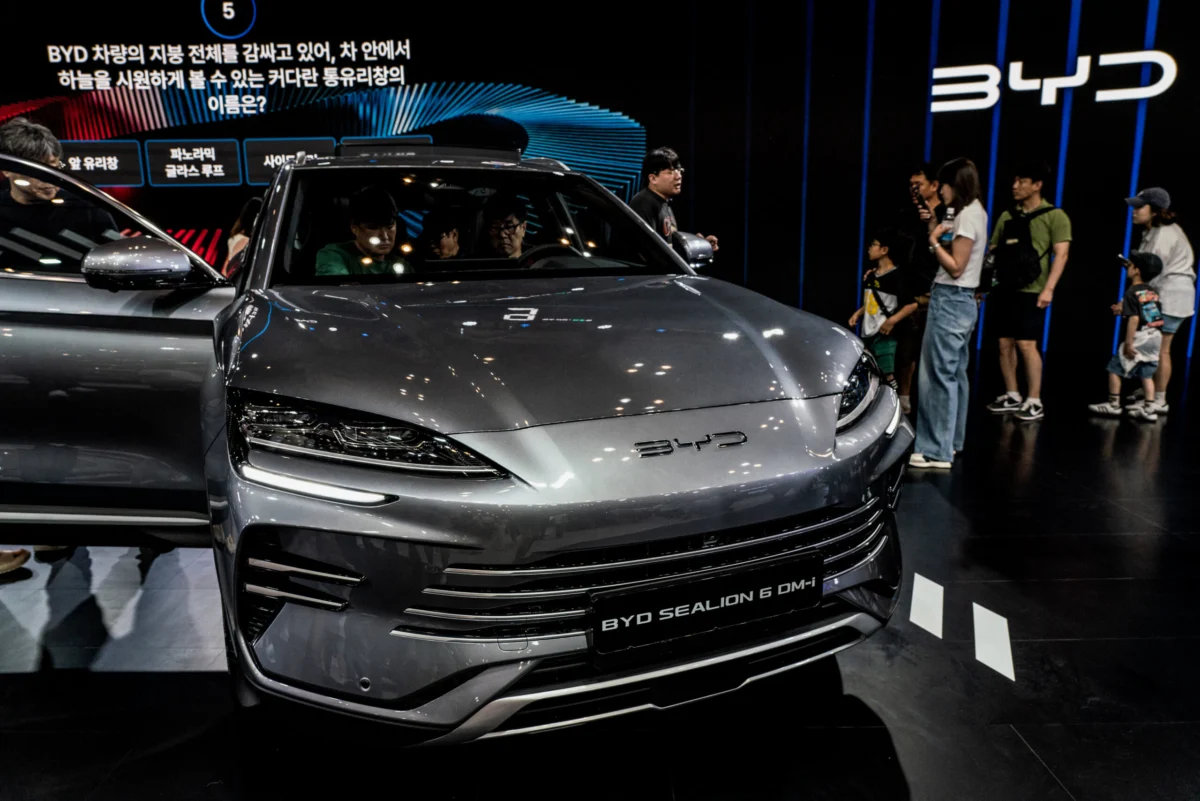
- June 2026: The visibility of Chinese brands increased globally, exemplified by events such as the BYD Sealion 6 DM-i being on display at the Busan International Mobility Show 2026 in South Korea on June 27. Such public appearances underscore the growing international footprint of these companies.
- November 2026: With midterm elections approaching, the political landscape adds another layer of urgency to the legislative agenda. Lawmakers are often more inclined to demonstrate strong stances on national security and economic protection during election cycles, potentially accelerating action on the proposed ban.
- Late 2026 (This Past Thursday): The Alliance for Automotive Innovation sends its definitive letter to congressional leaders, explicitly calling for a permanent ban before the January 3, 2027, adjournment, consolidating the industry’s demands and providing a clear timeline for legislative action.
- January 3, 2027: The deadline for the current congressional session, making the period leading up to it a critical window for any legislative moves on this issue.
Supporting Data and Economic Ramifications
The data supporting the AAI’s concerns paints a clear picture of China’s burgeoning automotive power. In the fourth quarter of 2023, BYD notably surpassed Tesla as the world’s largest producer of electric vehicles, signaling a significant shift in the global EV landscape. China’s overall vehicle exports surged dramatically in recent years, reaching unprecedented levels and positioning the country as the world’s largest auto exporter, ahead of Germany and Japan. This export growth is driven by a massive domestic production capacity, often supported by generous state subsidies that allow Chinese manufacturers to price their vehicles aggressively in international markets.
Economically, the stakes for the U.S. are immense. The American automotive industry directly employs hundreds of thousands of workers and supports millions more through its vast supply chain. Companies like General Motors, Ford, and Stellantis, along with international brands manufacturing in the U.S. such as Toyota, Honda, and Hyundai, have invested tens of billions of dollars in transitioning to electric vehicle production and developing advanced automotive technologies. The influx of heavily subsidized Chinese vehicles could disrupt these investments, jeopardize American jobs, and undermine the competitiveness of domestic manufacturers, potentially reversing years of efforts to revitalize the U.S. manufacturing sector.
Official Responses and Stakeholder Perspectives
The AAI, while pushing for a ban, has also expressed its willingness to collaborate with lawmakers to "achieve a balanced policy so all our member companies continue to succeed and thrive inside the U.S." This suggests a desire for a solution that protects national interests without inadvertently harming member companies with global operations or complex ownership structures, such as Mercedes-Benz.
From the U.S. government’s perspective, various departments are involved in assessing the threat:
- The Commerce Department: Continues its review mandated by President Biden’s executive order, focusing on potential regulations and restrictions on connected vehicles from "countries of concern." Secretary of Commerce Gina Raimondo has previously emphasized the national security risks associated with data collected by foreign-made connected vehicles.
- The Treasury Department: Monitors economic impacts and trade implications, including potential retaliatory tariffs or trade disputes.
- Congressional Leaders: Have shown bipartisan support for addressing Chinese economic and technological threats. While specific legislative approaches may vary, there is a general consensus on the need to protect U.S. interests. Lawmakers from auto-producing states are particularly attuned to the economic impact on their constituents.
On the other side, Chinese automakers and the Chinese government would likely vehemently oppose any ban, characterizing it as protectionist and discriminatory. They would argue that their vehicles adhere to international safety and privacy standards and that such measures hinder free trade and global innovation. State-backed media outlets in China have often criticized U.S. actions against Chinese tech firms as an attempt to stifle China’s economic rise.
Consumer groups in the U.S. might express concerns about the potential impact on vehicle affordability and choice. If a significant segment of the market is excluded, it could lead to higher prices for consumers and limit access to potentially innovative and cost-effective alternatives, creating a delicate balance between national security and consumer welfare.
Broader Impact and Geopolitical Implications
Enacting a permanent ban on Chinese vehicles and associated technology would have profound implications, both domestically and internationally.
- U.S.-China Relations: Such a ban would undoubtedly further strain an already tense relationship between the world’s two largest economies. It would likely be perceived by Beijing as another front in the ongoing economic and technological rivalry, following restrictions on semiconductors, telecommunications equipment, and social media platforms like TikTok.
- Global Trade Landscape: The U.S. action could prompt retaliatory measures from China, potentially affecting American exports or the operations of U.S. companies within China. It could also set a precedent for other nations, particularly those in Europe, that are also grappling with the influx of Chinese EVs and their own national security concerns. The European Union has already launched investigations into Chinese EV subsidies, signaling a similar apprehension.
- Innovation and Competition: While intended to protect domestic industry, critics might argue that a ban could stifle competition and slow down innovation in the long run. Proponents, however, would counter that it safeguards crucial intellectual property and ensures a level playing field for American manufacturers.
- National Security Precedent: The move would establish a significant precedent for how the U.S. addresses national security risks posed by connected technologies across various sectors, extending beyond automotive to smart homes, critical infrastructure, and artificial intelligence. It would underscore a strategic shift towards prioritizing data security and supply chain resilience over purely economic considerations.
- Political Ramifications: With midterm elections looming in November 2026, the issue carries significant political weight. A strong stance against China’s economic practices and perceived national security threats could resonate with voters, especially in manufacturing-heavy states.
The coming weeks leading up to the January 3, 2027, congressional adjournment will be critical. The Alliance for Automotive Innovation’s urgent plea highlights a growing consensus within the industry and among policymakers that proactive measures are necessary to address the multifaceted challenges posed by Chinese connected vehicles. The decision made by Congress will not only shape the future of the American automotive industry but also have lasting repercussions on U.S. foreign policy, global trade dynamics, and the broader landscape of technological competition.
