

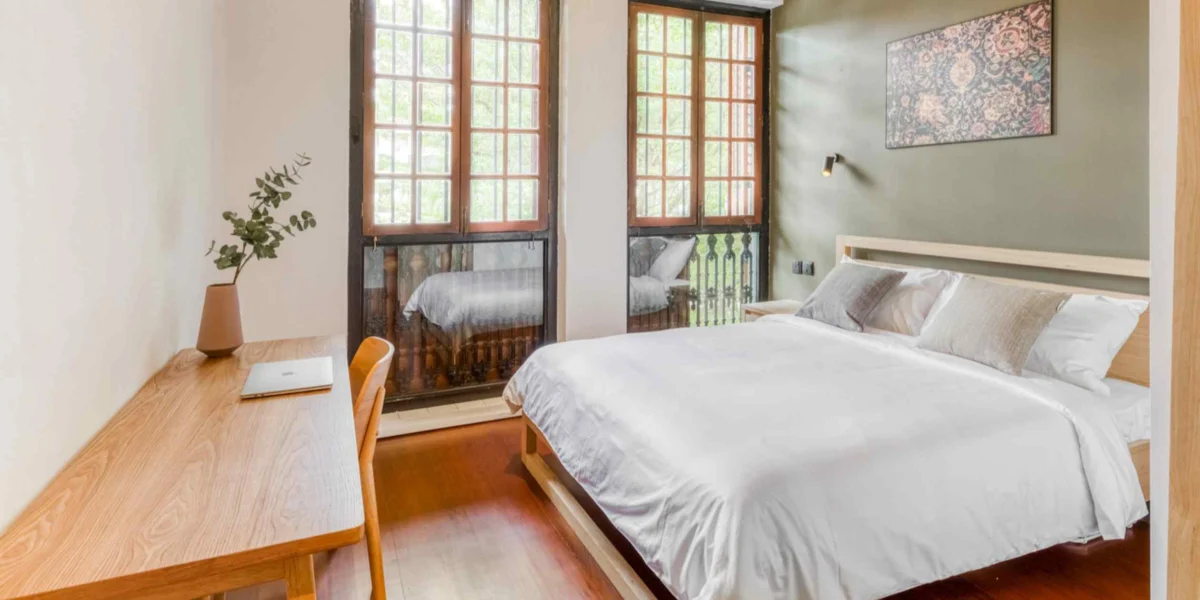
Tokyo – Mitsubishi Estate, a leading Japanese real estate developer, has announced its strategic acquisition of a Singapore-based operator of furnished rental housing, marking a significant expansion of its global footprint in the mid- to long-term accommodation sector. This move signals the company’s intent to capitalize on the burgeoning demand for flexible and cost-effective living solutions, particularly among expatriates, digital nomads, and corporate travelers worldwide. The acquisition, details of which are still emerging, is poised to bolster Mitsubishi Estate’s existing portfolio and accelerate its growth trajectory in international markets.
Strategic Rationale Behind the Acquisition
The acquisition of the Singaporean entity, identified as Habyt by industry sources, aligns with Mitsubishi Estate’s broader corporate strategy to diversify its revenue streams and establish a robust international presence. For years, the company has been a dominant force in Japan’s domestic real estate market, with a strong emphasis on office buildings, residential properties, and commercial complexes. However, the evolving landscape of global mobility and the increasing demand for adaptable living arrangements have prompted a strategic pivot towards serviced apartments and flexible rental solutions.
Mid- to long-term stays, often ranging from a few months to a year or more, represent a lucrative niche that bridges the gap between short-term hotel stays and traditional long-term leases. This segment caters to individuals and families relocating for work, undertaking extended projects, or seeking temporary housing solutions. The COVID-19 pandemic, while initially disruptive, has paradoxically accelerated the trend towards remote work and distributed teams, further fueling the need for flexible accommodation that can support a mobile workforce.
Habyt, the acquired company, has established itself as a prominent player in this space, particularly within the dynamic Asian market. Its operational model focuses on providing furnished apartments with a range of services tailored to the needs of its target demographic. Unlike traditional serviced apartments, which often offer hotel-like amenities such as daily cleaning and 24-hour reception, Habyt’s approach emphasizes cost efficiency by keeping services to a minimum, thereby enabling more affordable rental arrangements. This focus on value proposition is crucial in markets where cost of living can be a significant factor for expatriates and temporary residents.
Deepening the Push into Overseas Markets
Mitsubishi Estate’s foray into the overseas rental market is not entirely new. The company has been actively exploring opportunities to expand its international reach through various investments and partnerships. This latest acquisition, however, represents a more direct and substantial commitment to a specific segment of the global real estate market. By acquiring an established operator with a proven track record and an existing network of properties, Mitsubishi Estate can significantly shorten its learning curve and accelerate its market penetration.
The choice of Singapore as the operational base for the acquired entity is strategically significant. Singapore is a global hub for business, finance, and expatriate communities in Asia. Its robust infrastructure, multicultural environment, and attractive business landscape draw a steady stream of international professionals and their families. This provides a fertile ground for a furnished rental housing operator to thrive. Furthermore, Singapore’s position as a gateway to Southeast Asia makes it an ideal springboard for further expansion into other regional markets.
Background and Chronology of the Deal
While specific dates for the initiation of negotiations and the finalization of the deal have not been publicly disclosed, industry observers have noted Mitsubishi Estate’s increasing interest in the global flexible living sector over the past few years. The company has been actively scouting for acquisition targets and potential partners that align with its vision for international expansion. The COVID-19 pandemic, while posing challenges to the hospitality sector, also created opportunities for consolidation and strategic investments as businesses reassessed their operational models and market positions.
It is plausible that Mitsubishi Estate identified Habyt as a prime candidate due to its strong operational efficiency, its established presence in key Asian markets, and its alignment with the growing demand for flexible and cost-conscious accommodation. The acquisition likely involved a rigorous due diligence process, evaluating Habyt’s property portfolio, its customer base, its management team, and its financial performance.
The formal announcement by Mitsubishi Estate signifies the culmination of these efforts. The company’s press release, though brief, underscores the strategic importance of this move for its long-term growth objectives. The integration of Habyt’s operations into Mitsubishi Estate’s global network is expected to commence in the coming months, with a focus on leveraging synergies and optimizing operational strategies.
Supporting Data and Market Trends
The global serviced apartment market has witnessed consistent growth, driven by several key factors:
- Corporate Travel: Companies are increasingly opting for serviced apartments over traditional hotels for their employees on business trips, especially for extended assignments. This is due to cost savings, the availability of amenities like kitchens and laundry facilities, and the provision of a more homely environment. Data from the Association of Serviced Apartment Providers (ASAP) has consistently shown robust occupancy rates and revenue growth in this sector prior to the pandemic, with a strong recovery trajectory thereafter.
- Expatriate Relocations: As globalization continues, the movement of skilled professionals across borders remains a significant driver for the serviced apartment market. Expatriates often require furnished accommodation for an initial settling-in period, making serviced apartments an ideal solution.
- Rise of the Gig Economy and Digital Nomads: The growing trend of remote work and the rise of digital nomads have created a new segment of demand. These individuals often seek flexible, short-to-medium term accommodation that allows them to work and live in different locations without the commitments of long-term leases.
- Cost-Effectiveness: Compared to hotels, serviced apartments can offer significant cost savings for stays exceeding a few days, particularly when factoring in the availability of self-catering facilities. This is a critical consideration for both individuals and corporations.
- Technological Advancements: The adoption of technology in property management, booking platforms, and guest services has streamlined operations and enhanced the customer experience in the serviced apartment sector, making it more attractive to both providers and consumers.
The Asia-Pacific region, in particular, has emerged as a dynamic growth engine for the serviced apartment market. Factors such as rapid economic development, increasing foreign direct investment, and a growing middle class contribute to sustained demand. Cities like Singapore, Hong Kong, and major metropolitan areas in Southeast Asia are key hubs for this growth.
Potential Implications and Future Outlook
This acquisition is likely to have several significant implications for Mitsubishi Estate and the broader real estate market:
- Enhanced Global Competitiveness: By acquiring an established player in a key international market, Mitsubishi Estate strengthens its position against global real estate conglomerates. This move diversifies its revenue base and reduces its reliance on the Japanese domestic market.
- Synergies and Scalability: The integration of Habyt’s operations is expected to unlock synergies in property management, marketing, and technology. Mitsubishi Estate can leverage its financial strength and development expertise to scale Habyt’s business model to new markets.
- Innovation in Flexible Living: The acquisition could spur further innovation in the flexible living sector. Mitsubishi Estate may explore integrating smart home technologies, sustainable building practices, and enhanced digital services to meet the evolving needs of its clientele.
- Impact on Competitors: The move by a major player like Mitsubishi Estate could intensify competition within the serviced apartment and flexible rental market, potentially leading to consolidation or a drive for greater efficiency among existing operators.
- Contribution to Urban Development: As Mitsubishi Estate expands its presence in mid- to long-term rental housing, it could contribute to the development of more adaptable and community-oriented urban living spaces, catering to a more mobile and diverse population.
The strategic move by Mitsubishi Estate into the global furnished rental housing market, exemplified by its acquisition in Singapore, underscores a clear vision for growth in an evolving real estate landscape. As the demand for flexible, cost-effective, and comfortable living arrangements continues to rise globally, this acquisition positions Mitsubishi Estate to capture a significant share of this expanding market. The company’s commitment to international expansion through strategic acquisitions signals a proactive approach to navigating the future of real estate and accommodation. The success of this integration will be closely watched by industry stakeholders as it unfolds.
