

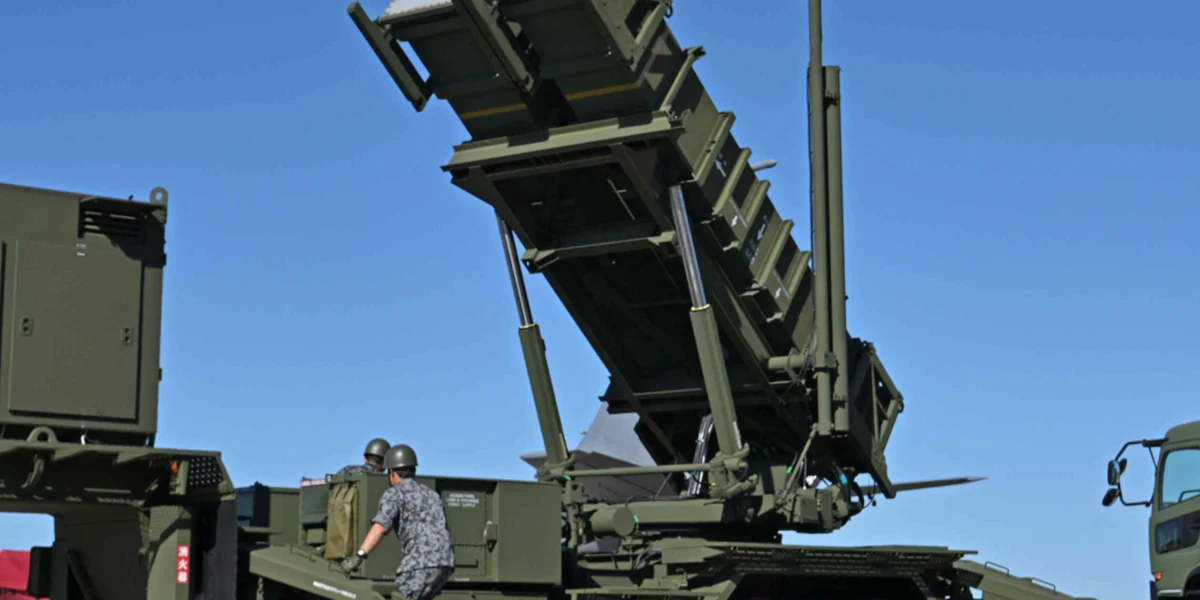
The escalating use of advanced air defense missiles in the Middle East is triggering a strategic reassessment by the United States, leading to the transfer of critical overseas resources to the volatile region. This redeployment, according to unconfirmed reports, may involve the relocation of sophisticated missile systems from South Korea, potentially creating a production bottleneck that could necessitate Japan’s increased support for the manufacturing of such vital defense assets, especially if the ongoing conflict continues to draw out. The implications for regional security and global supply chains are significant, underscoring the interconnectedness of international defense capabilities in the face of persistent geopolitical challenges.
The intricate dance of global defense logistics has been brought into sharp focus by the protracted conflict in the Middle East, which has seen a voracious demand for air defense systems. These sophisticated weapons, designed to intercept a wide range of aerial threats from ballistic missiles to drones, are crucial for protecting strategic assets and civilian populations. The sustained operational tempo in the region has, in turn, placed an unprecedented strain on existing inventories and production lines. Sources familiar with the matter, speaking on condition of anonymity due to the sensitive nature of the information, suggest that the U.S. is actively exploring all avenues to bolster its presence and capabilities in the Middle East. This includes the potential reassignment of assets that were previously stationed in other key allied nations, a move that could have ripple effects across the Indo-Pacific theater.
While specific details remain undisclosed, the reported movement of air defense systems from South Korea is particularly noteworthy. South Korea, a linchpin in U.S. security strategy in Northeast Asia, hosts a significant U.S. military presence and is a key partner in regional defense initiatives. The decision to potentially relocate such advanced weaponry would signal a considerable shift in strategic priorities, prioritizing immediate needs in the Middle East over long-standing deployments. This reassignment also raises questions about the ongoing security commitments to allies and the potential vulnerabilities that could arise from such a redistribution of military assets.
The Growing Demand for Air Defense
The demand for air defense systems has surged in recent years, a trend exacerbated by the rise of asymmetric warfare and the proliferation of advanced drone technology. The Middle East, in particular, has become a testing ground for these systems, with multiple actors employing sophisticated aerial platforms. The conflict in question has seen a significant expenditure of interceptor missiles, depleting stockpiles that are already under pressure from global demand.
According to industry analyses, the global market for air and missile defense systems is projected to grow substantially in the coming years, driven by increasing geopolitical tensions and the perceived threat of aerial attacks. For instance, market research reports have indicated a compound annual growth rate (CAGR) of over 7% for the global air defense systems market between 2023 and 2028. This sustained demand highlights the strategic importance of these systems and the challenges faced by manufacturers in meeting production targets.
Japan’s Pivotal Role in Defense Production
Japan, a nation with a highly advanced industrial base and a strong technological capacity, has long been a crucial partner in global defense supply chains. Its expertise in precision manufacturing and electronics makes it a natural candidate for supporting the production of complex defense systems. The potential request for Japanese support in producing air defense missiles would not be unprecedented, but it would underscore the severity of the current supply constraints.
Historically, Japan has contributed to the production of certain defense components and systems, often through licensed manufacturing agreements. However, a more direct involvement in the production of advanced air defense missiles would represent a significant expansion of its role. This could involve not only the manufacturing of specific components but potentially the assembly of complete systems, a step that would require substantial technological transfer and adherence to stringent quality control protocols.
Implications of a Production Crunch
The prospect of a production crunch for air defense missiles carries several significant implications. Firstly, it could lead to extended delivery times for new systems, impacting the modernization plans of various nations, including the U.S. and its allies. This delay could create windows of vulnerability, particularly in regions where the threat of aerial attack is high.
Secondly, it could trigger a strategic re-evaluation of defense spending priorities. Nations might be compelled to invest more heavily in domestic production capabilities or explore alternative defense solutions. This could lead to increased research and development efforts focused on enhancing existing missile technologies or developing entirely new interceptor systems.
Thirdly, and most critically for Japan, it could lead to a significant increase in its defense manufacturing output. This would not only bolster its own defense capabilities but also solidify its position as a key player in the global security architecture. However, it would also necessitate careful consideration of resource allocation, potential workforce shortages, and the geopolitical ramifications of becoming a more prominent arms producer.
Background and Chronology
The current situation is a culmination of several interconnected factors that have been developing over the past few years.
- 2020s Onward: Increasing regional tensions in the Middle East, coupled with advancements in drone technology by various state and non-state actors, have led to a heightened demand for robust air defense capabilities.
- Early 2020s: Global supply chain disruptions, exacerbated by the COVID-19 pandemic and geopolitical events, began to impact the defense manufacturing sector, leading to longer lead times for critical components.
- 2023-2024: The intensification of conflicts in the Middle East has led to an unprecedented operational tempo for existing air defense systems, depleting missile stockpiles at an accelerated rate.
- Late 2024 – Early 2025: Reports emerge of the U.S. assessing its global defense posture, including the redeployment of assets to address immediate operational requirements.
- March 2026 (Current Reporting Period): Unconfirmed reports indicate that the U.S. is considering or has initiated the transfer of air defense systems from South Korea, prompting discussions about Japan’s potential role in bolstering production.
Official Responses and Reactions (Inferred)
While official statements from the U.S. Department of Defense and the Japanese Ministry of Defense have been cautious or non-existent regarding these specific reports, the broader context suggests a high level of strategic communication and contingency planning.
- U.S. Department of Defense: In public statements, officials have consistently emphasized the U.S.’s commitment to its allies and its readiness to respond to evolving threats. The focus has been on ensuring the readiness of U.S. forces and the security of its partners. Any redeployment of assets would likely be framed as a strategic adjustment to meet current operational demands, with assurances of continued security commitments to affected regions.
- Japanese Ministry of Defense: Japan has been steadily increasing its defense spending and capabilities in recent years, driven by regional security concerns. Any potential request to enhance its defense production would likely be met with serious consideration, aligning with its strategic objective of strengthening its own defense posture and contributing to regional stability. Discussions within the Japanese government would likely involve the Ministry of Foreign Affairs, the Ministry of Economy, Trade and Industry (for industrial capacity assessment), and the Ministry of Defense.
- South Korean Ministry of National Defense: While not directly implicated in the reported production support, South Korea would be a key party to any discussion regarding the relocation of U.S. military assets stationed on its territory. Seoul’s stance would be crucial, balancing its own security needs with the broader strategic requirements of the U.S.-led alliance.
Broader Impact and Implications
The potential strain on air defense missile production and the subsequent reallocation of resources have far-reaching implications beyond the immediate conflict zone.
- Regional Security Dynamics: The perceived reduction in readily available advanced air defense assets in the Indo-Pacific could alter the strategic calculus for regional players. This could potentially embolden adversaries or necessitate a greater reliance on indigenous defense capabilities by allied nations. Japan’s increased role in production could, conversely, strengthen its own deterrent capabilities and its standing as a security provider.
- Global Supply Chain Resilience: The reliance on a concentrated production base for critical defense components highlights the vulnerability of global supply chains. This event could catalyze efforts to diversify production, encourage greater international collaboration in defense manufacturing, and potentially lead to the establishment of regional defense industrial hubs.
- Technological Advancement and Innovation: Increased demand and production challenges often spur innovation. The need to ramp up production and potentially develop new or improved missile systems could lead to significant advancements in materials science, propulsion systems, guidance technology, and countermeasure capabilities.
- Economic Considerations: For Japan, an increased role in defense production would present both opportunities and challenges. It could stimulate economic growth, create high-skilled jobs, and foster technological development. However, it would also require substantial investment, careful management of resources, and a robust export control framework. The ethical and political considerations surrounding increased arms production would also be a significant factor in public and governmental discourse.
In conclusion, the current geopolitical landscape, marked by sustained conflict in the Middle East, is forcing a critical re-evaluation of global defense resource allocation. The reported movement of air defense systems from South Korea and the potential call for increased Japanese production underscore the interconnectedness of international security and the fragility of current defense supply chains. The coming months will likely see significant strategic adjustments as nations grapple with these challenges, shaping the future of defense capabilities and alliances for years to come.
