

BANGKOK – Thailand’s parliamentary session, commencing on Thursday, March 19, 2026, is widely anticipated to witness the reelection of incumbent Prime Minister Anutin Charnvirakul. This expected outcome stems directly from the resounding victory achieved by his Bhumjaithai Party in the general election held on February 15, 2026, a mandate that has reshaped the nation’s political landscape and solidified his party’s ascendancy. The election results, a significant departure from previous political dynamics, have positioned the Bhumjaithai Party as the dominant force, paving a clear path for its leader to continue at the helm of the Thai government.
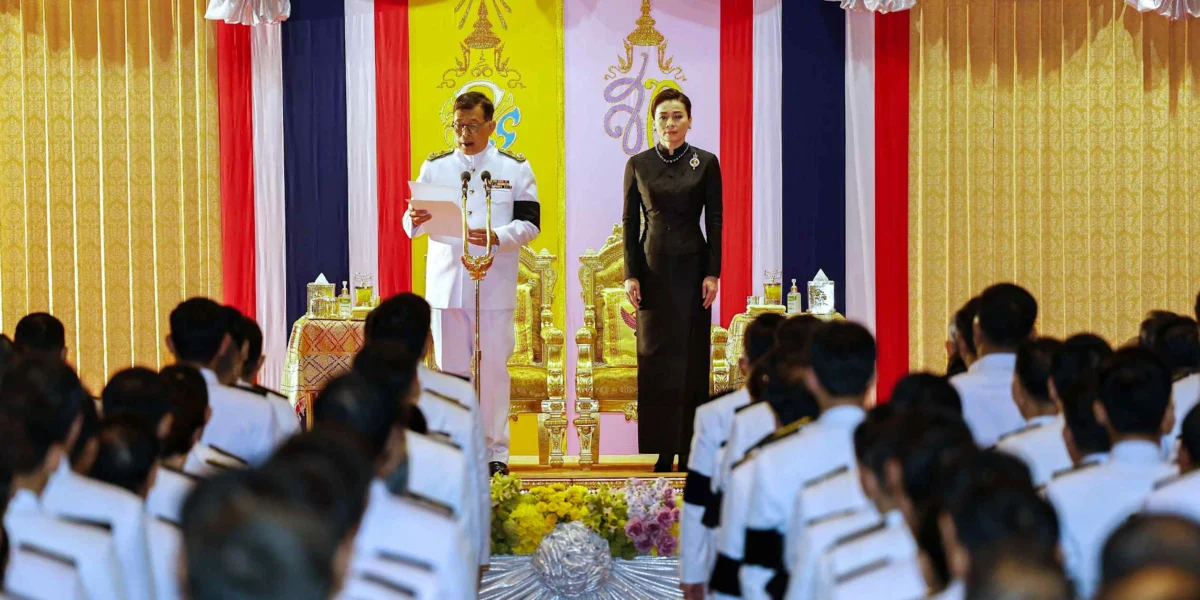
The State Opening of Parliament on March 14, presided over by His Majesty King Maha Vajiralongkorn and Her Majesty Queen Suthida, marked the formal commencement of the new parliamentary term. This symbolic event, held at Parliament House in Bangkok, underscores the constitutional framework within which the nation’s leadership is determined. The upcoming vote for Prime Minister will be a critical juncture, formalizing the political reality shaped by the February polls.
Bhumjaithai’s Landslide Victory: A Political Realignment
The general election of February 15, 2026, delivered a stunning result, with the Bhumjaithai Party securing a substantial majority of seats in the House of Representatives. Official figures released by the Election Commission of Thailand indicated that the Bhumjaithai Party garnered over 18 million votes, translating into 295 seats, a significant increase from their previous representation. This landslide victory represents a considerable shift from the fragmented and often contentious parliamentary arithmetic that characterized previous administrations.
The election campaign was largely dominated by economic recovery strategies, with the Bhumjaithai Party effectively campaigning on a platform of continuity and stability, promising to build upon existing economic initiatives and address lingering challenges exacerbated by global economic headwinds. Their message resonated particularly with rural constituencies and the burgeoning middle class, who responded positively to proposals aimed at boosting agricultural output, promoting tourism, and fostering technological innovation.
Conversely, traditional political powerhouses, including the Pheu Thai Party and the Palang Pracharath Party, experienced a significant downturn in their electoral fortunes. Pheu Thai, which had been a dominant force for over a decade, saw its seat count dwindle to just 85, a stark contrast to its historical performance. Palang Pracharath, a key component of the previous coalition government, managed to secure only 42 seats, signaling a loss of public trust and support. The Democrat Party, another long-standing political entity, also faced a disappointing outcome, securing a mere 15 seats.
Anutin Charnvirakul: A Political Trajectory
Anutin Charnvirakul, a seasoned politician with a career spanning over two decades, has emerged as a formidable figure in Thai politics. He first entered the political arena in 1997 and has since held various ministerial portfolios, including Minister of Public Health, where he gained considerable public recognition for his handling of the COVID-19 pandemic. His leadership style is often characterized by pragmatism and a focus on policy implementation, which appears to have struck a chord with a broad spectrum of the electorate.
The Bhumjaithai Party, founded in 2008, has steadily grown in influence, often positioning itself as a centrist party with a strong focus on regional development and grassroots issues. Its success in the 2026 election can be attributed to a well-executed campaign strategy that emphasized its commitment to agricultural reform, infrastructure development, and the promotion of Thailand’s unique cultural heritage. The party also benefited from strategic alliances and a skillful navigation of the complex political landscape in the lead-up to the election.
Timeline of Events Leading to the Vote
The path to this anticipated reelection has been marked by several key milestones:
- February 15, 2026: General election held across Thailand. Polling stations opened early in the morning, and voter turnout was reported to be exceptionally high, exceeding 80% nationwide.
- February 16, 2026: Preliminary results begin to emerge, indicating a strong performance by the Bhumjaithai Party. The Election Commission of Thailand starts releasing official vote counts and seat projections.
- February 18, 2026: The Election Commission officially announces the final results, confirming the Bhumjaithai Party’s landslide victory and its clear majority in the House of Representatives. Other parties acknowledge the results, with some calling for introspection.
- February 20, 2026: Anutin Charnvirakul, as the leader of the victorious party, is formally nominated as the candidate for Prime Minister by his party. Other parties, recognizing the electoral outcome, begin to signal their intentions regarding the parliamentary vote.
- March 14, 2026: The State Opening of Parliament takes place, signaling the formal commencement of the new legislative session and setting the stage for the Prime Ministerial election.
- March 19, 2026: The Thai Parliament is scheduled to convene for the vote to elect the new Prime Minister.
Analysis of the Electoral Mandate and Future Implications
The overwhelming victory of the Bhumjaithai Party and the projected reelection of Anutin Charnvirakul signal a period of anticipated political stability, a welcome development for an economy seeking sustained recovery. This outcome suggests a public desire for continuity and a clear direction, moving away from the political fragmentation that has often led to policy paralysis and frequent government changes in the past.
The implications of this electoral shift are far-reaching. Domestically, it is expected to empower the government to pursue its policy agenda with greater confidence and speed. Key areas likely to see accelerated action include agricultural modernization, aimed at increasing farmer incomes and export competitiveness; continued investment in tourism infrastructure and promotion to capitalize on Thailand’s global appeal; and the development of a robust digital economy, fostering innovation and creating new employment opportunities. The government’s commitment to environmental sustainability and the promotion of renewable energy sources is also likely to remain a central tenet of its policy framework.
Internationally, a stable Thai government under Anutin Charnvirakul is expected to reinforce Thailand’s position as a key player in Southeast Asian economic and political affairs. The government’s focus on regional cooperation and its commitment to international trade agreements are likely to be maintained, fostering stronger economic ties with neighboring countries and global partners. Thailand’s role in regional forums such as ASEAN is expected to be strengthened, contributing to broader regional stability and economic integration.
However, the magnitude of the Bhumjaithai Party’s win also presents challenges. The significant decline of established opposition parties raises questions about the future of political pluralism and the robustness of democratic checks and balances. While a strong majority can facilitate decisive governance, it also necessitates a vigilant approach to ensure that diverse voices and perspectives are adequately represented and considered in the policy-making process. The government will need to demonstrate its commitment to inclusive governance and actively engage with civil society to address potential concerns and foster a sense of shared national progress.
The upcoming parliamentary vote on Thursday is, therefore, more than just a procedural formality; it is the culmination of a significant electoral mandate that has realigned Thailand’s political forces. The coming term under Anutin Charnvirakul is anticipated to be one of focused policy execution, aiming to consolidate economic recovery and further enhance Thailand’s standing on the global stage, while navigating the inherent responsibilities that accompany a strong parliamentary majority.
