

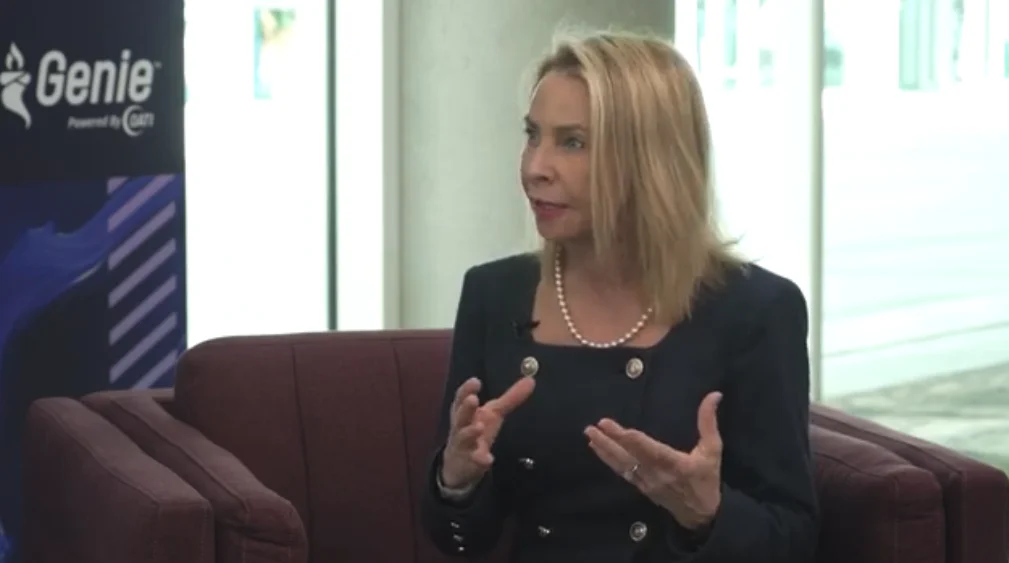
The intersection of electric and water utilities has emerged as a critical frontier in the global pursuit of grid modernization and carbon neutrality, moving beyond traditional siloed operations toward a model of integrated resource management. At the DISTRIBUTECH International (DTECH) 2026 conference, industry leaders gathered for a specialized workshop titled “Understanding Energy and Nutrient Optimization at Wastewater Facilities,” which highlighted the untapped potential of wastewater treatment plants (WWTPs) to serve as dynamic assets for the electrical grid. While these two sectors have historically operated in separate spheres—governed by different regulatory bodies and technical priorities—the workshop underscored that wastewater infrastructure is often the single largest consumer of electricity within a municipal jurisdiction, making it a primary candidate for strategic energy alignment.
The central thesis of the session, moderated by Rebekah Eggers, Vice President of Strategic Integrated Technology at Hazen and Sawyer, focused on the transition of wastewater facilities from passive energy consumers to active grid participants. By treating these facilities as "de-facto batteries," utilities can engage in sophisticated load-shifting and peak-shaving strategies that enhance grid reliability while simultaneously lowering costs for ratepayers. This shift is not merely theoretical; the data and technological tools necessary to bridge the gap between electric and water operations are already available, though deep-seated organizational silos remain a significant hurdle to widespread implementation.
The Evolution of Utility Synergy: A Chronology of Integration
The relationship between water and energy, often referred to as the "energy-water nexus," has undergone a significant transformation over the last two decades. In the early 2000s, the primary focus of wastewater facilities was strictly compliance-driven, ensuring that effluent met federal and state environmental standards with little regard for energy efficiency. Energy was viewed as a fixed cost of doing business, and electric utilities viewed water plants simply as large, stable industrial loads.
By the mid-2010s, as energy costs fluctuated and municipal sustainability mandates became more prevalent, water utilities began adopting localized energy efficiency measures, such as installing high-efficiency pumps and LED lighting. However, these efforts remained internal to the water sector. It was not until the late 2010s and early 2020s that the rise of intermittent renewable energy—such as wind and solar—created a pressing need for grid flexibility.
The DTECH 2026 workshop represents the latest milestone in this chronology, signaling a move toward "Sector Coupling." This phase is characterized by real-time data sharing and joint strategic planning. Today, the conversation has shifted from simple efficiency to complex optimization, where nutrient removal processes are timed to coincide with periods of low energy demand or high renewable generation, effectively turning the massive physical inertia of water treatment systems into a tool for grid stabilization.
Supporting Data: The Scale of the Opportunity
The quantitative argument for integrating wastewater and electric operations is compelling. According to data from the Environmental Protection Agency (EPA) and the Department of Energy (DOE), water and wastewater treatment facilities account for approximately 3% to 4% of total electricity consumption in the United States. On a local level, these facilities can represent as much as 30% to 40% of a municipal government’s total energy budget.
Wastewater treatment is particularly energy-intensive due to the aeration process, which is necessary for biological nutrient removal. Aeration alone can account for 50% to 60% of a plant’s total energy use. By optimizing the timing of these aeration cycles, a facility can reduce its peak demand—the period when electricity is most expensive and the grid is under the most stress—without compromising water quality standards.
Furthermore, the potential for "behind-the-meter" generation at these sites is substantial. Many modern wastewater plants utilize anaerobic digesters to process organic solids, producing biogas that can be converted into heat and electricity via combined heat and power (CHP) systems. When integrated with the grid, these CHP units can provide dispatchable power during emergencies or peak events, further acting as a decentralized energy resource (DER).
Technical Mechanisms: The "Battery" Concept Explained
The concept of a wastewater plant acting as a "battery" relies on the inherent flexibility of certain treatment stages. Unlike many industrial processes that require a constant, unwavering power supply, several components of wastewater treatment can be modulated without immediate negative impacts on the final output.
- Load Shifting: Facilities can "over-oxygenate" or increase processing speeds during periods of high renewable energy production (e.g., midday when solar output is at its peak) and then scale back operations during evening peaks when the grid is strained.
- Pump Optimization: Large-scale pumping of influent and effluent can be scheduled to avoid "Time of Use" (TOU) pricing peaks. By utilizing wet wells and storage basins as buffers, utilities can move water when energy is cheapest.
- Nutrient Optimization: Advanced sensors and AI-driven control systems can now monitor nitrogen and phosphorus levels in real-time. This allows for "precision treatment," where energy-intensive processes are only used when strictly necessary, rather than running at a constant high level as a safety margin.
During the DTECH workshop, case studies demonstrated that by aligning these technical capabilities with the needs of the electric utility, wastewater plants could achieve energy cost reductions of 10% to 20% while providing the grid with megawatts of flexible capacity.
Stakeholder Perspectives and Official Responses
Rebekah Eggers, leading the discussion, emphasized that the primary barrier to these benefits is no longer technological but cultural and organizational. In her post-session remarks, Eggers noted that while the "tools and data are in place," the missing link is the establishment of cross-departmental collaboration frameworks.
"We are seeing a convergence of needs," Eggers stated. "The electric utility needs flexibility to manage a greener grid, and the water utility needs to manage rising operational costs and stricter environmental regulations. When these two entities sit at the same table, the solutions become clear."
Responses from electric utility representatives at the workshop echoed this sentiment, noting that wastewater facilities are "ideal partners" for demand response programs. Unlike residential consumers, whose behavior can be unpredictable, wastewater plants are managed by professional engineers and automated systems, allowing for precise, reliable, and large-scale load adjustments.
However, municipal leaders pointed out that regulatory structures often discourage this collaboration. Water utilities are often regulated based on their ability to meet strict water quality permits, and there is a perceived risk that altering energy use might lead to a permit violation. Addressing these regulatory "silos" is a priority for the roadmap following the DTECH 2026 sessions.
Broader Impact and Implications for Urban Infrastructure
The implications of deeper electric and water utility alignment extend far beyond the fence line of the treatment plant. As cities strive to meet ambitious decarbonization goals, the optimization of wastewater facilities offers a path to reduce the carbon footprint of essential public services.
From a grid reliability perspective, treating wastewater plants as flexible assets provides a "non-wires alternative" to building expensive new peaking power plants or expanding transmission lines. By managing demand more effectively, utilities can defer or avoid capital-intensive infrastructure projects, ultimately saving money for all taxpayers.
In the context of climate change and extreme weather, this integration also enhances community resilience. A wastewater plant that can operate as a microgrid—using its own biogas and stored energy—can continue to protect public health during a grid outage. Conversely, during a heatwave, the ability of a wastewater plant to shed load can prevent rolling blackouts for the rest of the community.
Conclusion: A Roadmap for the Future
The DTECH 2026 workshop served as a call to action for a more integrated approach to utility management. The roadmap forward involves three primary pillars:
First, the adoption of unified data platforms. Electric and water utilities must develop shared interfaces that allow for real-time visibility into grid conditions and plant operations. This transparency is the foundation of automated demand response.
Second, the redesign of tariff structures. Electric utilities need to offer "water-friendly" rate designs that incentivize the specific types of load flexibility that wastewater plants can provide, such as multi-hour shifts rather than short-duration spikes.
Third, a shift in regulatory philosophy. Environmental regulators and energy commissions must work together to ensure that energy optimization is recognized as a valid and encouraged component of water utility management, provided that water quality standards remain the top priority.
As the session moderated by Rebekah Eggers concluded, the consensus was clear: the wastewater treatment plant of the future is no longer just a sanitation facility; it is a critical hub of the smart grid, a generator of renewable energy, and a cornerstone of urban sustainability. The tools are ready; the data is available; the only remaining task is the work of collaboration.
