

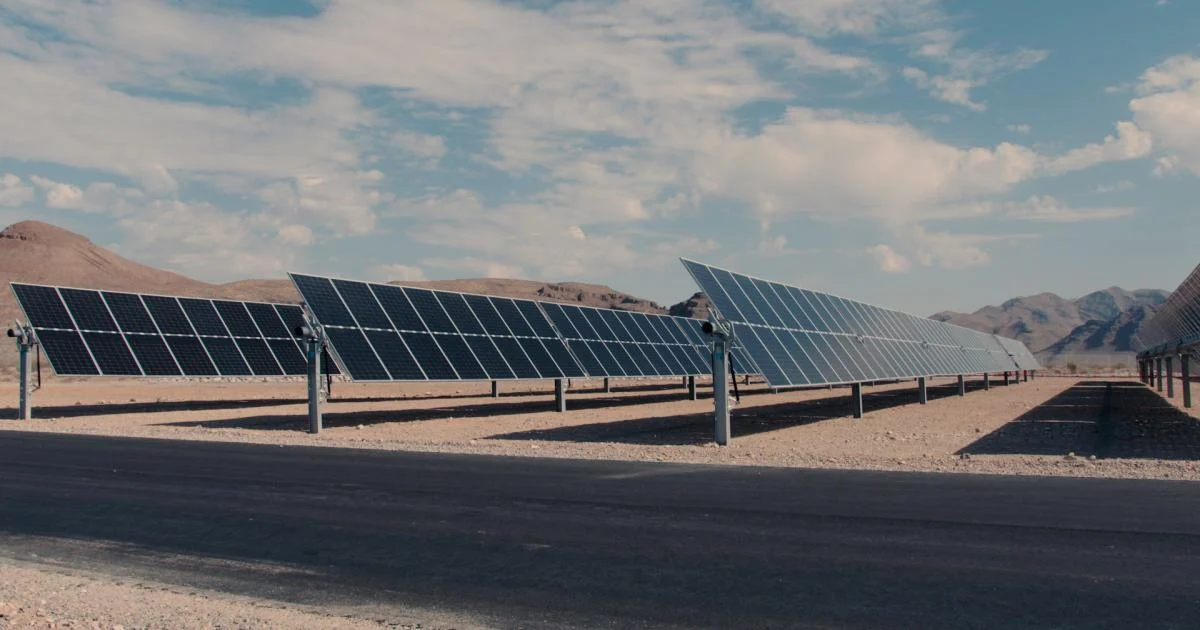
The solar energy landscape in Nevada underwent a significant contraction in 2025, marked by a precipitous drop in new installations and a sharp decline in national rankings. According to a comprehensive industry report released Tuesday by the Solar Energy Industries Association (SEIA) and Wood Mackenzie, the Silver State fell to 27th in the nation for new solar capacity added over the past year. This represents a stark reversal for a state that consistently ranked among the top ten solar producers in 2023 and 2024. The downturn is largely attributed to a pivot in federal energy priorities under the Trump administration, which has emphasized the expansion of fossil fuel production and implemented a series of regulatory hurdles for renewable energy development on public lands.
Despite the stagnation in new growth, Nevada remains a formidable player in the domestic renewable energy market. The state currently ranks sixth in total cumulative solar capacity, with an installed base of 8.2 gigawatts—enough to power approximately 1.4 million homes. Furthermore, solar energy continued to be the primary source of new electricity generation added to both the Nevada and national grids in 2025, even as the pace of that expansion slowed significantly.
The Regulatory Shift and the Burgum Mandate
The primary catalyst for the slowdown in Nevada appears to be a fundamental change in how the federal government manages renewable energy projects on public lands. In July 2025, the administration issued a mandate requiring that all solar and wind energy projects on federal territory receive personal approval from Interior Secretary Doug Burgum. This policy replaced a more decentralized approval process that had previously expedited project timelines.
In Nevada, where the federal government owns or manages approximately 85% of the land, this administrative bottleneck has had immediate consequences. Governor Joe Lombardo has noted that this high threshold for approval has effectively stalled several major solar initiatives. According to the SEIA, at least ten significant solar and storage projects—representing nearly 95% of all planned new power capacity in the state—are currently in limbo due to federal inaction or policy reversals.
The impact of these delays is felt most acutely in the utility-scale sector. Because Nevada relies heavily on its vast desert expanses for large-scale arrays, the "Burgum Mandate" has created a climate of uncertainty for developers. Investors, wary of protracted legal and administrative battles, have begun to pivot toward states with more private land availability or more favorable local regulatory environments.
National Solar Trends: A Year of Contraction
The slowdown in Nevada mirrors a broader national trend. The SEIA/Wood Mackenzie report indicates that total solar installations across the United States declined by 14% in 2025 compared to the previous year. While the industry still managed to install 43.2 gigawatts of new capacity—accounting for more than half of all new electricity generation in the country—the trajectory of growth has flattened for the first time in several years.
The report identifies several key factors contributing to this national decline:
- Tariff-Related Expenses: New trade barriers and tariffs on imported solar components have increased the capital expenditure required for new projects.
- Tax Credit Reversals: Changes to the renewable energy tax credit framework, which previously provided long-term certainty for developers, have led to project cancellations and financing difficulties.
- Grid Interconnection Backlogs: Persistent issues with connecting new projects to the aging national electric grid continue to hamper development, regardless of political leadership.
Sector Breakdown: Growth and Decline
The impact of current federal policies has not been uniform across the different segments of the solar industry.
Community Solar
The community solar segment experienced the most dramatic downturn, with installations falling by 25% nationally compared to 2024 levels. This sector, which allows multiple customers to share the benefits of a single mid-sized solar array, was hit particularly hard in Nevada. The federal government recently froze $156 million in grant funding previously allocated under the "Solar for All" program. These funds were intended to finance community solar projects specifically designed to lower energy costs for low-income households. The clawback of these funds has effectively halted dozens of projects that were in the late stages of planning.
Utility-Scale Solar
Utility-scale installations, the backbone of Nevada’s renewable portfolio, saw a 16% national decline in 2025. These large-scale projects are highly sensitive to federal land-use policies and the availability of large-scale financing. The shift toward fossil fuel prioritization has led to a reallocation of resources within the Department of the Interior, slowing the environmental review process for solar farms in the Mojave Desert and other key regions.

Residential Solar
The residential sector remained relatively stable but still saw a 2% decline nationally. High interest rates and changes to net-metering policies in several states have made the "payback period" for home solar panels longer, discouraging some homeowners from making the investment.
Commercial Solar: The Exception
Commercial solar was the only segment to experience growth in 2025, increasing by 6% and adding more than 2,300 megawatts of capacity nationally. This growth was primarily driven by California’s net-metering program, which remains a robust incentive for businesses to adopt solar power. The success of the commercial sector in California suggests that state-level policies can, to some extent, buffer the industry against federal shifts.
Nevada’s Leadership in Battery Storage
One area where Nevada continues to excel is energy storage. The state currently ranks fourth in the nation for battery storage capacity, with over 6.3 gigawatt-hours installed. Battery storage is considered critical for the stability of the grid, as it allows solar energy generated during the day to be used during peak evening hours.
The synergy between solar generation and battery storage has been a cornerstone of Nevada’s energy strategy since 2016. Over the last decade, the share of Nevada’s in-state electricity generation from solar sources has more than tripled, now accounting for nearly one-third of the state’s total power. However, industry analysts warn that if new solar installations continue to stall, the growth of the storage sector will also likely plateau, as the two technologies are economically and operationally linked.
Industry Reactions and Economic Implications
The solar industry has expressed deep concern over the current policy direction in Washington. Darren Van’t Hof, Interim President and CEO of the SEIA, emphasized that the demand for renewable energy remains high despite the regulatory "headwinds."
"American households and businesses of all sizes are demanding solar and storage because they deliver fast, affordable power to help meet rapidly rising demand," Van’t Hof said in a statement accompanying the report. "Washington must deliver policy certainty for the market to work and to keep pace with growing energy demands. Without this certainty, less solar will get built and Americans will pay the price with higher energy bills."
Economists point out that the slowdown in solar growth could have long-term repercussions for Nevada’s economy. The renewable energy sector has been a significant driver of job creation in the state, from construction and engineering to maintenance and operations. A prolonged freeze on new projects could lead to layoffs and a "brain drain" of skilled workers to other industries or regions.
Furthermore, there is the issue of energy independence and grid reliability. As Nevada’s population continues to grow, so does its demand for electricity. Solar energy has historically provided a low-cost way to meet this demand without increasing reliance on out-of-state energy imports. If the development of new solar capacity remains stalled, the state may be forced to rely more heavily on natural gas, which is subject to price volatility.
Timeline of Nevada’s Solar Transition (2016–2025)
- 2016–2020: Nevada begins a rapid expansion of solar capacity, driven by state-level renewable portfolio standards and favorable federal tax credits.
- 2021–2023: The state reaches the top tier of national solar rankings. Massive utility-scale projects are approved on Bureau of Land Management (BLM) land.
- 2024: Solar energy accounts for a record percentage of Nevada’s grid; the state ranks in the top ten for new installations.
- January 2025: A new federal administration takes office with a stated goal of "unleashing" domestic fossil fuel production.
- July 2025: The "Burgum Mandate" is implemented, requiring high-level approval for all renewable projects on public lands.
- August 2025: The federal government freezes $156 million in "Solar for All" grants for Nevada.
- February 2026: Industry reports confirm Nevada’s drop to 27th in the nation for new solar installations, with nearly all planned projects stalled.
Future Outlook
The future of Nevada’s solar industry remains uncertain as the state navigates a complex political and economic environment. While the abundance of sunshine and public land provides a natural advantage, the regulatory path forward is currently obstructed. Governor Lombardo and other state leaders face the challenge of advocating for Nevada’s energy interests in a federal landscape that has shifted its focus.
For now, the state’s existing 8.2 gigawatts of capacity provide a solid foundation, but the momentum that once characterized the Silver State’s renewable energy sector has clearly faltered. Whether 2025 is remembered as a temporary setback or the beginning of a long-term decline will depend largely on how quickly federal and state policymakers can resolve the current administrative bottlenecks and provide the market with the certainty it requires.
