

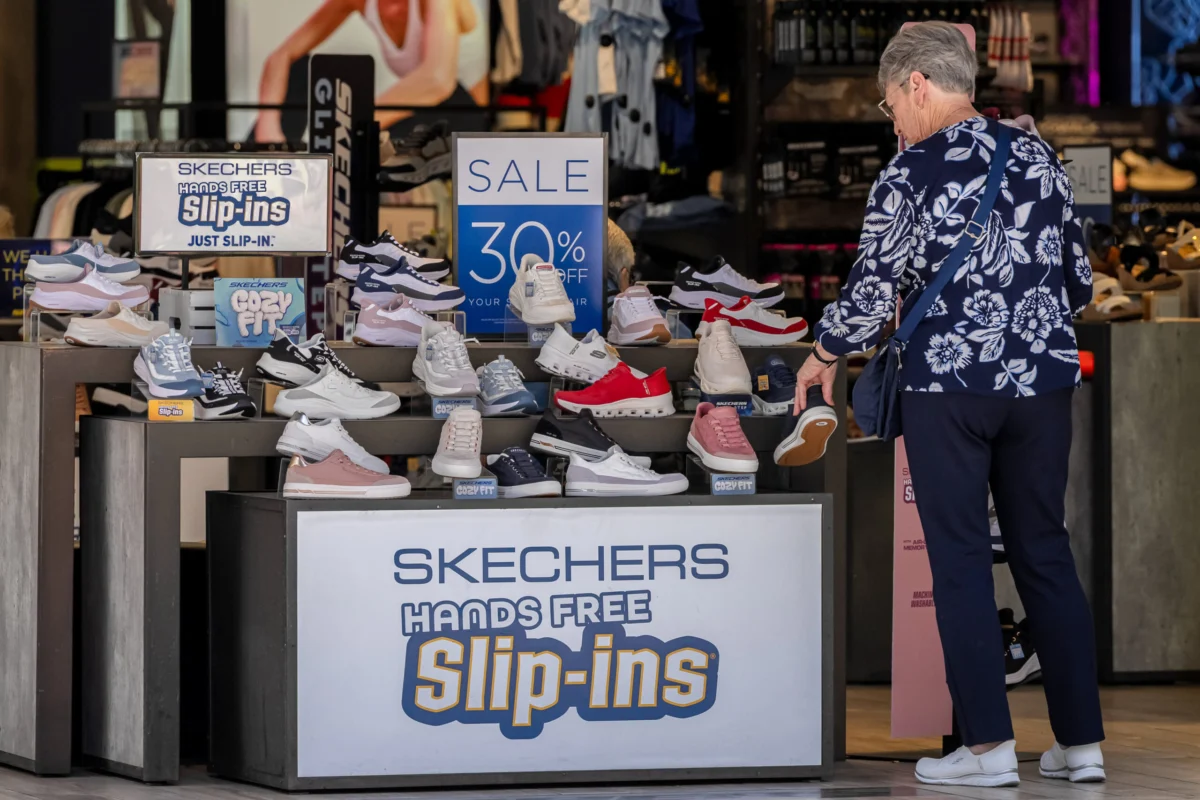
A new report from Visa reveals a complex picture of consumer sentiment and spending intentions for the upcoming holiday season, characterized by a persistent desire for experiences clashing with the economic realities of elevated inflation and the far-reaching impacts of the ongoing Iran war. While Americans aspire to travel more and engage in live events, the lion’s share of their holiday budgets remains earmarked for physical gifts, a trade-off driven by surging costs, diminished consumer confidence, and a heightened emphasis on value. This dynamic underscores the profound adjustments consumers are making in a challenging economic landscape, where rising prices outstrip wage gains and geopolitical tensions cast a long shadow over global markets.
The Economic Headwinds: Inflation’s Relentless March and Geopolitical Fallout
The backdrop to this holiday season is one of significant economic turbulence. May 2026 saw U.S. inflation accelerate to its fastest pace in more than three years, a stark indicator of the sustained pressure on household budgets. This acceleration was largely fueled by the Iran war, which has triggered substantial increases in energy prices, cascading through supply chains and impacting nearly every sector of the economy. The conflict, which escalated significantly in late 2025, has disrupted global oil production and transit routes, sending crude oil benchmarks soaring past $100 per barrel and subsequently pushing up the cost of gasoline, natural gas, and, critically for holiday travel, jet fuel.
Prior to the war’s most intense phase, the U.S. economy had already been grappling with persistent inflationary pressures stemming from a confluence of factors including post-pandemic supply chain disruptions, robust consumer demand, and expansive fiscal policies. The Federal Reserve had been on a tightening path, raising interest rates to curb inflation, but the geopolitical shock introduced a new, formidable challenge. By September, consumer prices had risen 3.7% annually, a figure heavily influenced by these surging energy costs. This continuous erosion of purchasing power means that despite some nominal wage gains, many Americans find their real incomes stagnating or even declining, forcing difficult choices in discretionary spending. For instance, the Bureau of Labor Statistics reported that average hourly earnings, while up 4.1% year-over-year in the same period, translated into a real wage decline when adjusted for inflation, especially for lower and middle-income households.
Consumer Aspirations vs. Economic Realities: Visa’s Holiday Spending Outlook
Visa’s comprehensive survey, conducted among approximately 4,660 U.S. adults aged 18 and older, offers a granular view into these evolving consumer behaviors. The report highlights a compelling dichotomy: over half of respondents (53%) placed travel and live events at the pinnacle of their holiday wish lists, signifying a strong yearning for experiences after years of restricted movement and social gatherings. However, this aspirational outlook sharply contrasts with actual spending intentions for others. Only 15% of those surveyed indicated they would prioritize spending on experiences for recipients, while a more substantial 27% plan to favor physical gifts. This 12-percentage-point gap underscores a significant disconnect between what consumers desire and what they feel they can realistically afford to give.
Michael Brown, Visa’s principal U.S. economist, shed light on this intriguing trade-off. "There is some interesting trade-offs there that we’re seeing on the part of consumers," Brown told CNBC. "If I’m traveling more, I’m probably going to be gifting those physical goods less, so this is really the broader context." He attributed this divergence primarily to higher travel costs, a palpable decline in consumer sentiment, and a renewed emphasis on value. The survey methodology, designed to be representative of the broader U.S. consumer population, provides a robust statistical foundation for these insights, reflecting sentiment across diverse demographics and income brackets. The data collection, primarily conducted in early October, captured consumer thinking as they began to finalize their holiday budgets amidst escalating economic concerns.
Travel Dreams Grounded: The High Cost of Journeys
The dream of holiday travel, once a staple for many, has become increasingly unaffordable for a significant segment of the population. Airlines have been compelled to hike ticket prices dramatically throughout the year, directly in response to the astronomical rise in fuel costs. The Iran war’s impact on crude oil prices translated into billions of dollars in additional expenses for carriers, forcing them to pass these costs onto passengers. Industry analysts from the International Air Transport Association (IATA) reported a 35% increase in global jet fuel prices year-over-year by late Q3 2026, directly impacting operational costs.
According to the consumer price index, airfares in September were up more than 22% compared with a year earlier. Even with projections of a potential moderation in crude oil prices, airline executives have indicated that fares are likely to remain elevated. This is partly due to the long-term hedging strategies employed by airlines, which can delay the impact of price drops, and also due to a strategic shift towards prioritizing profitability over volume in a high-cost environment. As a result, Visa anticipates that more people will opt to celebrate the holidays "a little bit closer to home" than in previous years. This trend is likely to bolster regional tourism and local hospitality sectors, but at the expense of long-distance travel and international destinations. The ripple effect extends to related industries such as car rentals and accommodation providers, which may see a shift in demand towards more localized, budget-friendly options.
A Divided Consumer Landscape: Affluence and Austerity
The Visa report also starkly illustrates a widening gap in spending patterns between different income segments. Only households with an annual income exceeding $200,000 demonstrated an increase in spending on trips departing between November 1 and early next year, compared with the 2025-2026 holiday season. This affluent demographic, often characterized by substantial investment portfolios, has largely benefited from a robust equity market run-up over the preceding months. Michael Brown noted, "If you think about that segment, a lot of them own equities, and the equity market runup over the last several months has created a lot of positivity among that specific affluent demographic, and I think that’s one of the factors that continues to motivate even aggregate macro spend today." This wealth effect allows higher-income consumers to maintain their discretionary spending, including on luxury travel and experiences, largely insulated from the inflationary pressures impacting the broader population. Reports from luxury travel agencies corroborated this trend, indicating sustained demand for high-end bespoke travel experiences among their clientele.
Conversely, less affluent shoppers, particularly those with incomes below $100,000, are placing an overwhelming emphasis on value. Visa’s October survey revealed that roughly one-third of these consumers plan to switch to lower-cost brands or stores when shopping for holiday gifts. This translates into increased patronage for discount retailers, a surge in demand for private label brands, and a more rigorous search for sales and promotions. Retailers are keenly aware of this shift, with many preparing aggressive promotional strategies and expanding their budget-friendly product lines to capture this value-conscious segment. This trend could significantly impact mid-tier brands and stores that struggle to compete on price with both premium and ultra-discount segments. For example, major general merchandise retailers have indicated plans for earlier and more aggressive Black Friday and Cyber Monday sales to attract these budget-conscious shoppers.
Holiday Sales Outlook: The Illusion of Growth
Visa’s projection for a 4.5% year-over-year increase in holiday sales growth might, at first glance, appear encouraging for the retail sector. However, this figure requires careful scrutiny through the lens of inflation. A substantial portion of this projected growth is attributed directly to price increases rather than an actual increase in the volume of goods purchased. When these inflationary effects are stripped away, the real sales growth is expected to rise by a mere 1.1% this year. This represents a slight decline from the 1.3% real increase observed during the 2025 holiday season, signaling a stagnation in actual consumer spending power.
Historically, healthy holiday sales growth has typically been characterized by real growth rates of 2-3% or higher, reflecting robust consumer confidence and a growing economy. The current projection of 1.1% real growth suggests a holiday season where consumers are spending more dollars but acquiring fewer goods, a classic symptom of stagflationary pressures. This has significant implications for retailers, who must manage inventory carefully and adjust pricing strategies to remain competitive while navigating higher operational costs. Retail analysts from firms like Deloitte and McKinsey have cautioned that while topline revenue figures might look positive due to inflation, profit margins could be squeezed if retailers absorb some of the higher costs to maintain market share.
The Psychology of Spending: Internalizing Higher Prices
The survey findings, despite the underlying economic pressures, may offer some encouragement for the broader retail scene, particularly for physical goods. With less emphasis on travel and more projected spending on tangible gifts, certain retail categories could see a boost at a time when overall spending is under pressure. However, Michael Brown also pointed out another critical psychological factor at play: consumers may simply be expecting to spend more this holiday season because they have become accustomed to the pervasive environment of higher prices.
"But, of course, consumers are internalizing higher prices of things, and I think that’s why they’re reporting higher anticipated spend this year," Brown explained. "I think these numbers just need to be looked at through the lens of the inflation and particularly consumers’ perception of where inflation is going to go. I think that weighed heavily on consumer psychology this season." This suggests that consumers are not necessarily planning to buy more, but rather anticipating that the items they typically purchase will cost more. This normalization of higher prices could influence spending habits beyond the holiday season, potentially leading to a long-term adjustment in consumer expectations regarding affordability and value. The "new normal" of elevated prices influences everything from grocery shopping to major purchases, forcing a re-evaluation of household budgets and discretionary expenditures.
Beyond the Holidays: Long-Term Shifts and Economic Vigilance
The trends observed in Visa’s holiday spending report are not isolated to a single season but represent deeper, potentially long-lasting shifts in consumer behavior. The sustained period of high inflation, exacerbated by geopolitical conflicts like the Iran war, is reshaping how Americans perceive value, allocate their discretionary income, and prioritize their needs versus wants. The growing disparity between affluent and less affluent spending segments also highlights a broader economic stratification that policymakers and businesses will need to address.
As the global economy navigates continued uncertainty, including the unpredictable trajectory of energy prices and the lingering impacts of supply chain vulnerabilities, consumers are likely to remain highly intentional and value-driven in their spending. The holiday season of 2026, therefore, serves as a crucial barometer for understanding the complex interplay of economic reality, consumer psychology, and geopolitical events, offering vital insights into the evolving landscape of retail and personal finance for the years to come. Central banks globally will continue to monitor these trends closely, weighing the persistent inflationary pressures against the risks of dampening economic growth and consumer confidence. The delicate balance between managing inflation and supporting economic activity will remain a defining challenge, with implications stretching far beyond the festive period.
