

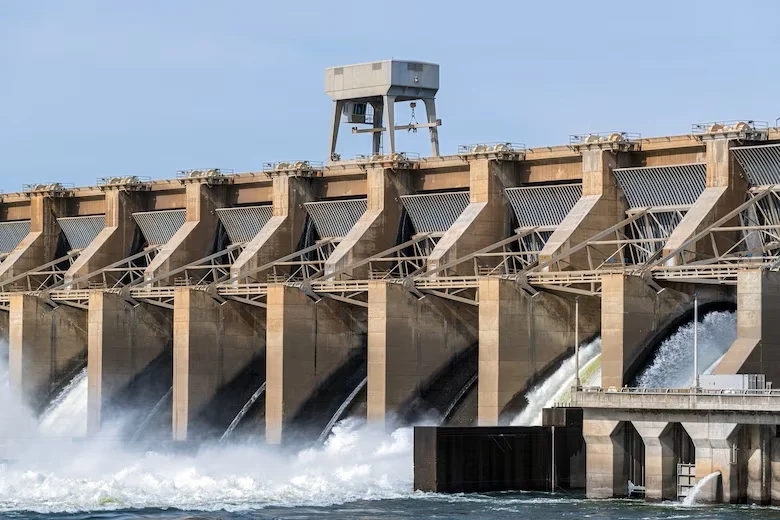
The Federal Energy Regulatory Commission (FERC) has issued a unanimous decision to implement new measures designed to simplify the National Environmental Policy Act (NEPA) review procedures for specific hydropower-related actions. These measures, targeting projects and administrative actions characterized as having minimal environmental impact, represent a significant shift in how the commission balances regulatory oversight with the need for administrative efficiency. According to the Commission, these regulatory changes are intended to increase the speed of approvals and reduce the bureaucratic burden on both the agency and project applicants, all while ensuring that high environmental standards remain intact.
The decision arrives at a critical juncture for the American energy sector, as the aging hydropower fleet faces a wave of license renewals, surrenders, and technical upgrades. By modernizing the review process, FERC aims to redirect its specialized staff resources toward more complex, large-scale projects that require intensive environmental scrutiny, such as new pumped-storage facilities or major dam rehabilitations.
The Strategic Shift in Environmental Oversight
In announcing the decision, FERC Chairman Laura V. Swett emphasized the necessity of balancing speed with statutory obligations. The Chairman noted that the commission must move important approvals forward quickly to meet the demands of a changing energy landscape while ensuring that NEPA obligations are fully met. The approved actions are framed as practical, common-sense solutions that streamline hydropower environmental review processes.
Under the National Environmental Policy Act of 1970, federal agencies are required to assess the environmental effects of their proposed actions prior to making decisions. While this often involves the preparation of a detailed Environmental Impact Statement (EIS) or a slightly less intensive Environmental Assessment (EA), Congress has long provided a third pathway: the Categorical Exclusion (CE). A CE is a category of actions that a federal agency has determined, through its own experience and analysis, do not individually or cumulatively have a significant effect on the human environment. When an action falls within a CE, neither an EA nor an EIS is required, provided there are no extraordinary circumstances that might suggest a significant impact.
The recent FERC ruling expands the use of these exclusions, reflecting a broader federal push to modernize permitting under the "FAST-41" framework, which was established to improve the transparency and predictability of the federal environmental review process for major infrastructure projects.
Analyzing the Two Primary Regulatory Orders
The Commission’s action was divided into two distinct orders, each targeting different aspects of hydropower administration and development.
Order One: Termination and Revocation of Licenses
The first order issued by FERC involves a final rule that amends existing NEPA regulations by expanding a specific categorical exclusion. This revised exclusion now encompasses the termination or revocation of hydropower licenses and exemptions, provided these actions involve minor or no ground-disturbing activities. Furthermore, the exclusion applies only when there are minor or no alterations to reservoir conditions or downstream flows.
Historically, the process of surrendering or revoking a license could be nearly as administratively taxing as the initial licensing process. By applying a CE to these scenarios, FERC acknowledges that many license terminations—particularly those involving "paper" projects that were never built or small-scale facilities where the physical infrastructure is being left in a stable state—do not warrant the multi-year environmental studies typically associated with dam construction. This change is expected to help the Commission clear a backlog of inactive dockets and allow staff to focus on active generation assets.
Order Two: Adoption of Tennessee Valley Authority Exclusions
The second order represents a collaborative approach to federal regulation. In this instance, FERC adopted two existing categorical exclusions previously established by the Tennessee Valley Authority (TVA). This "adoption" mechanism allows one agency to utilize the proven environmental frameworks of another, preventing the need to "reinvent the wheel" for similar types of activities.
The first of these adopted exclusions applies to the development of recreation sites near hydropower projects. This includes the creation of facilities for hunting, fishing, primitive camping, wildlife observation, hiking, and mountain biking. The second exclusion covers the development of public use areas that result in physical disturbance of no more than 10 acres. These activities typically include the construction of parking areas, campgrounds, stream access points, and day-use areas.
By adopting these TVA standards, FERC is facilitating the enhancement of public land use around hydropower reservoirs. These projects are often high in public value but low in environmental risk, yet they previously faced regulatory hurdles that could delay community access to recreational resources for years.
Chronology of the Rulemaking Process
The path to these regulatory changes began in earnest in early 2026. The following timeline outlines the key milestones in the development of this policy:
- February 2026: FERC issued a Notice of Proposed Rulemaking (NOPR), signaling its intent to revise hydropower NEPA regulations. The NOPR invited public comment from industry stakeholders, environmental advocacy groups, and tribal nations.
- Spring-Summer 2026: The public comment period saw significant engagement. Industry groups, such as the National Hydropower Association (NHA), generally supported the measures, citing the need for regulatory certainty. Conversely, some environmental organizations raised questions regarding the definition of "minor ground-disturbing activities," prompting FERC to refine its language to ensure safeguards remained robust.
- Autumn 2026: FERC staff conducted a comparative analysis of existing categorical exclusions across other federal agencies, including the Department of Energy and the TVA, to ensure consistency in the application of environmental laws.
- Late 2026: The Commission finalized the technical language of the orders, incorporating feedback from the Department of the Interior and the Environmental Protection Agency (EPA) regarding downstream flow protections.
- January 2027: FERC officially issued the unanimous decision, enacting the final rule and adopting the TVA exclusions.
Supporting Data: The Efficiency Gap in Hydropower Licensing
The push for these changes is supported by stark data regarding the time required for various types of federal permits. Research conducted by the Columbian College of Arts & Sciences at George Washington University highlights a massive disparity in project timelines based on the level of NEPA review required.
Under the FAST-41 framework, projects that qualify for categorical exclusions are typically completed in under six months. The research indicates a median completion time of just 0.95 months for these exclusions. In contrast, non-federal hydropower licenses—which usually require full EAs or EISs—have a median completion time of approximately 33 months. In some complex cases, the licensing process has been known to stretch beyond a decade.
This "efficiency gap" has long been cited by energy developers as a primary barrier to investment in the hydropower sector. By moving more routine administrative and recreational actions into the CE category, FERC is effectively removing over two and a half years of lead time for these specific activities.
Stakeholder Reactions and Industry Impact
The reaction from the energy industry has been overwhelmingly positive. Many utility operators argue that the administrative burden of hydropower is disproportionate compared to other renewable energy sources like wind or solar.
"Hydropower is a foundational element of a reliable grid, but the regulatory process has historically been a deterrent for small-scale development and recreational enhancements," said one industry analyst. "FERC’s move to adopt TVA’s exclusions is a pragmatic step that recognizes that building a hiking trail or a boat ramp should not require the same level of federal oversight as building a 500-megawatt dam."
Environmental groups have offered a more cautious response. While many acknowledge that recreational improvements and license revocations for non-existent projects are low-risk, they emphasize that "minor" alterations to downstream flows must be strictly monitored. The concern is that even small changes in flow can affect local fish populations or water quality if not properly managed. FERC has countered these concerns by clarifying that the "extraordinary circumstances" clause of NEPA will still allow for full reviews if a project appears likely to impact sensitive habitats or endangered species.
Broader Implications for the U.S. Energy Transition
The streamlining of hydropower regulations is about more than just administrative convenience; it is a strategic move aimed at maintaining the viability of the nation’s largest source of renewable baseload power. As the United States seeks to decarbonize its electrical grid, hydropower provides the essential services of frequency regulation and energy storage that intermittent sources like wind and solar cannot always provide.
However, the industry faces a "relicensing cliff," with hundreds of projects scheduled for federal review over the next decade. If FERC’s staff is bogged down in the minutiae of recreational permits and minor license revocations, the agency risks failing to process major license renewals in a timely manner. Delays in relicensing can lead to project surrenders, potentially removing carbon-free generation from the grid at a time when it is needed most.
Furthermore, these changes align FERC with broader executive branch goals to accelerate infrastructure development. By utilizing interagency coordination—such as the adoption of TVA’s exclusions—FERC is demonstrating a more integrated approach to federal land and water management.
Conclusion: A Model for Regulatory Modernization
The unanimous approval of these measures by FERC represents a milestone in the effort to modernize the National Environmental Policy Act for the 21st century. By identifying low-impact activities and moving them into the "fast lane" of categorical exclusions, the Commission is attempting to prove that environmental stewardship and administrative efficiency are not mutually exclusive.
The success of this initiative will be measured by the Commission’s ability to reduce its backlog and the speed with which local communities see new recreational investments around hydropower sites. As the energy sector continues to evolve, the ability of federal agencies to adapt their regulatory frameworks will be a deciding factor in the pace of the national energy transition. For now, FERC’s recent actions provide a roadmap for how other agencies might use existing statutory tools to clear the path for a more efficient and responsive regulatory environment.
