

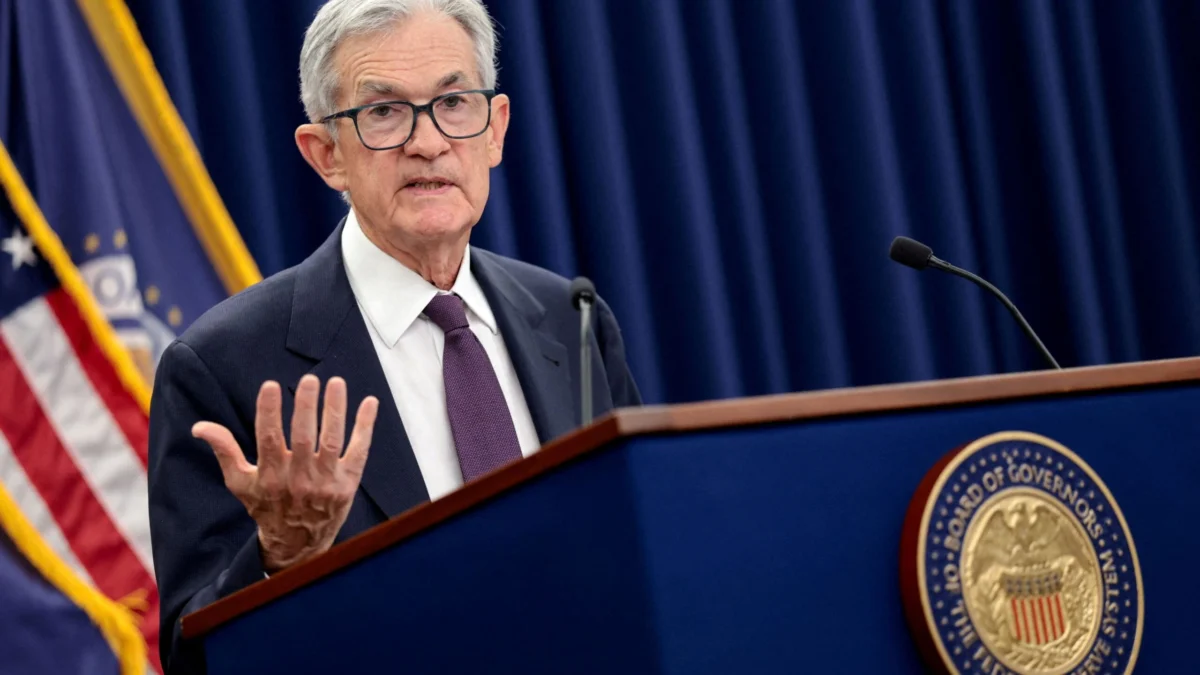
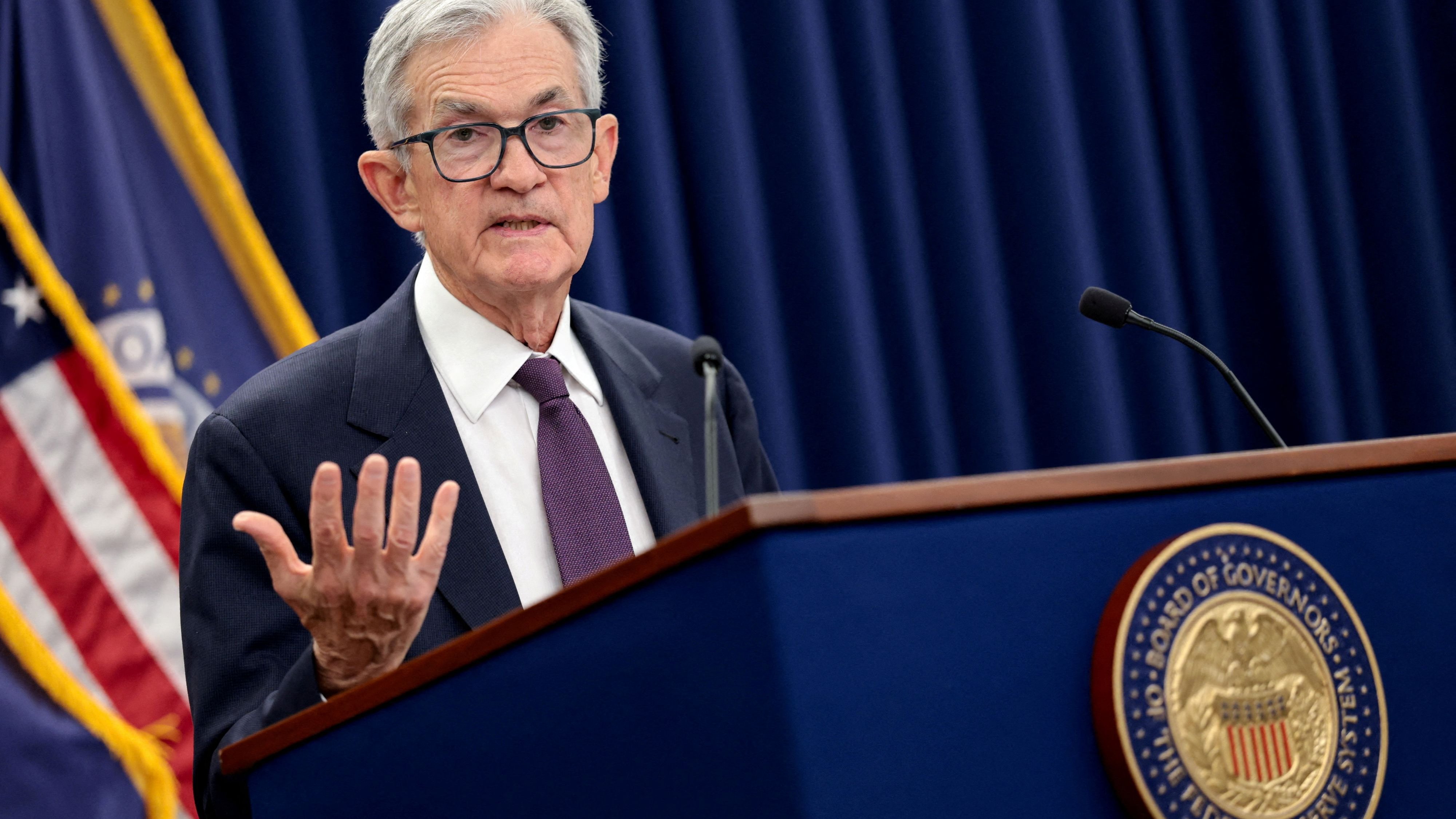
In a move largely anticipated by financial markets and economists, the U.S. Federal Reserve has decided to maintain its benchmark interest rate, keeping it within the current range of 3.50% to 3.75%. This marks the second consecutive meeting where the central bank has opted for a "hold" after implementing a pause on rate hikes in January. The decision comes at a critical juncture, as recent producer price data from the U.S. signals a potential uptick in inflation, presenting a complex balancing act for the Federal Open Market Committee (FOMC).
Background and Current Economic Landscape
The Federal Reserve’s monetary policy decisions are guided by a dual mandate: achieving maximum employment and maintaining price stability. For the past year, the central bank has been engaged in an aggressive campaign of interest rate increases aimed at curbing stubbornly high inflation. These hikes were designed to cool demand, slow economic growth, and bring inflation back towards the Fed’s 2% target.
However, the economic landscape has become increasingly nuanced. While inflation has shown signs of moderating from its peaks, recent data, particularly from the producer side, suggests underlying inflationary pressures may not have fully abated. This has created a dilemma for policymakers: continue tightening to ensure inflation is definitively vanquished, or pause to assess the impact of previous hikes and avoid inadvertently triggering a recession.
The "Dot Plot" and Market Expectations
The FOMC’s interest rate decisions are closely scrutinized, with market participants parsing every word and projection from the central bank. A key tool for gauging future policy direction is the "Dot Plot," which reflects individual FOMC members’ projections for the future path of the federal funds rate.
In the latest projections, a significant majority of FOMC participants – 12 out of 19 – anticipate at least one rate cut occurring within the current year. This suggests a growing consensus that the peak of the tightening cycle may have been reached, and the focus is shifting towards when and how quickly rates might be lowered. However, only twelve members hold voting positions on the FOMC, meaning the immediate policy decisions are influenced by this core group.
This divergence in projections highlights the ongoing debate within the Fed regarding the appropriate timing and pace of future monetary policy adjustments. While a majority anticipates cuts, the timing and magnitude remain subject to evolving economic data.
Producer Price Index: A Warning Sign?
The release of the latest U.S. Producer Price Index (PPI) has added a layer of complexity to the Fed’s decision-making. The PPI measures the average change over time in the selling prices received by domestic producers for their output. An increase in the PPI often foreshadows rising consumer prices, as businesses pass on higher input costs to consumers.

While specific figures for the latest PPI release are not detailed in the provided text, the article explicitly states that "new U.S. producer prices point to rising inflation." This suggests that the PPI data indicated an acceleration in price increases at the wholesale level. This development is concerning for the Fed, as it implies that inflationary pressures might be re-emerging or proving more persistent than previously hoped.
Internal Fed Deliberations and Dissent
The article mentions that within the monetary policy committee, there was a broad agreement on the current course of action, with one notable exception. Stephen Miran, a Fed Governor, reportedly voted in favor of a 0.25 percentage point rate cut. This dissent, though isolated, underscores the differing perspectives within the Fed regarding the urgency of stimulating the economy versus maintaining vigilance against inflation.

The Fed’s official statement, as quoted in the article, emphasized the prevailing uncertainty: "The uncertainty regarding the economic outlook remains high." This acknowledgment reflects the challenging environment where geopolitical events, such as the ongoing conflict in the Middle East, cast a shadow over economic forecasts and create unpredictable impacts on supply chains and energy prices. The Fed’s commitment to its "dual mandate" of price stability and full employment means it must carefully weigh these external risks against domestic economic conditions.
Market Reactions and Future Outlook
Financial markets, which had largely priced in a steady interest rate at this meeting, reacted with a degree of caution. The indication of potential rate cuts later in the year, coupled with the rising inflation signals from the PPI, has created a more uncertain outlook for interest rate trajectories.

Futures markets, specifically referencing the CME FedWatch Tool, indicate that the probability of a rate cut this year has decreased, with the market now leaning towards a potential cut occurring as late as the December meeting. This shift in market sentiment reflects the increased weight given to the persistent inflationary signals.
Broader Implications of the Fed’s Stance
The Federal Reserve’s decision to hold rates steady has several broader implications for the U.S. economy and global financial markets:

- Cost of Borrowing: Businesses and consumers will continue to face the current level of borrowing costs. This can impact investment decisions, housing market activity, and consumer spending. A prolonged period of high interest rates can slow economic growth.
- Inflation Control: By holding rates steady, the Fed signals its continued commitment to taming inflation. However, the rising PPI data raises questions about whether this stance is sufficient to bring inflation back to target swiftly.
- Economic Growth: The Fed’s cautious approach aims to avoid a sharp economic downturn. However, the tightrope walk between controlling inflation and fostering growth is delicate. If inflation proves more persistent, further tightening might be necessary, increasing the risk of recession. Conversely, if inflation subsides, the Fed could pivot to rate cuts sooner, providing a boost to economic activity.
- Global Impact: As the world’s largest economy, U.S. monetary policy has ripple effects globally. Higher interest rates can strengthen the dollar, impacting trade balances and the cost of borrowing for other nations.
- Investor Sentiment: The uncertainty surrounding the future path of interest rates can lead to volatility in equity and bond markets as investors adjust their portfolios in response to changing economic expectations.
The Path Forward
The Federal Reserve’s recent decision underscores the complex and dynamic nature of economic policymaking in the current global environment. While the intention is to navigate a path that ensures price stability without stifling economic growth, the interplay of geopolitical events, supply chain disruptions, and evolving labor market conditions makes forecasting future economic trends exceptionally challenging.
The upcoming economic data releases, particularly those related to inflation and employment, will be closely monitored by the Fed and financial markets alike. The FOMC’s next steps will likely be heavily influenced by these indicators, as the central bank continues its delicate balancing act in pursuit of its economic objectives. The coming months will be crucial in determining whether the Fed’s current strategy is sufficient to guide the U.S. economy towards a soft landing or if further policy adjustments will be required to address the persistent challenge of inflation.
