

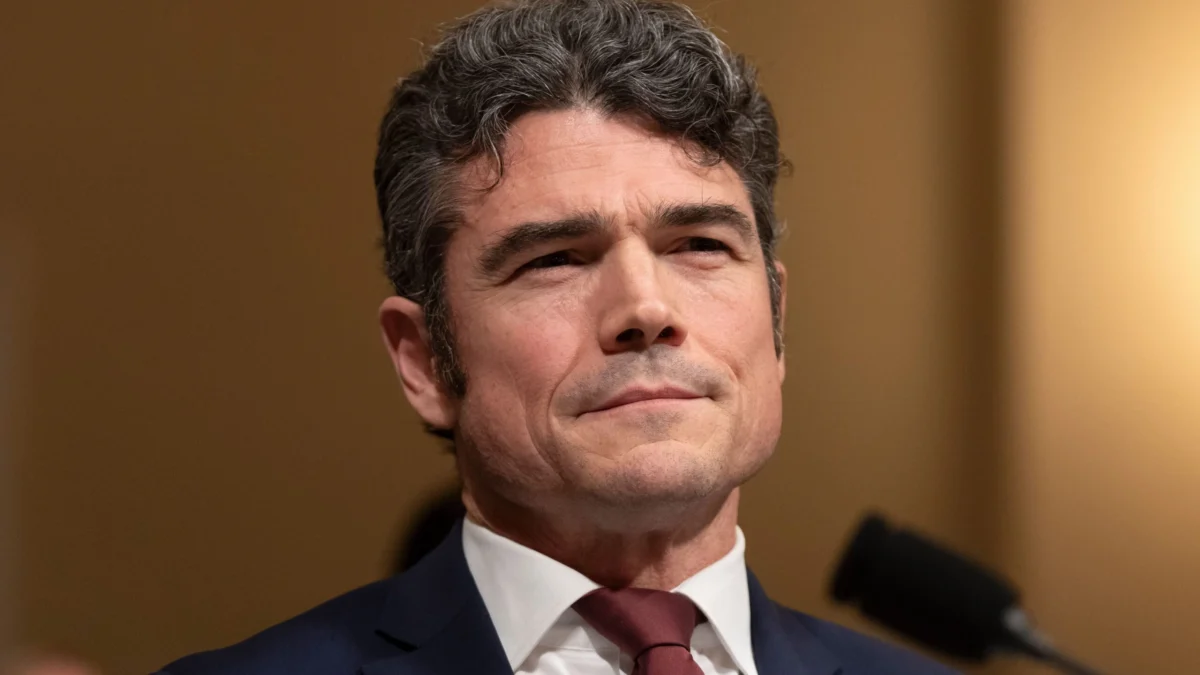
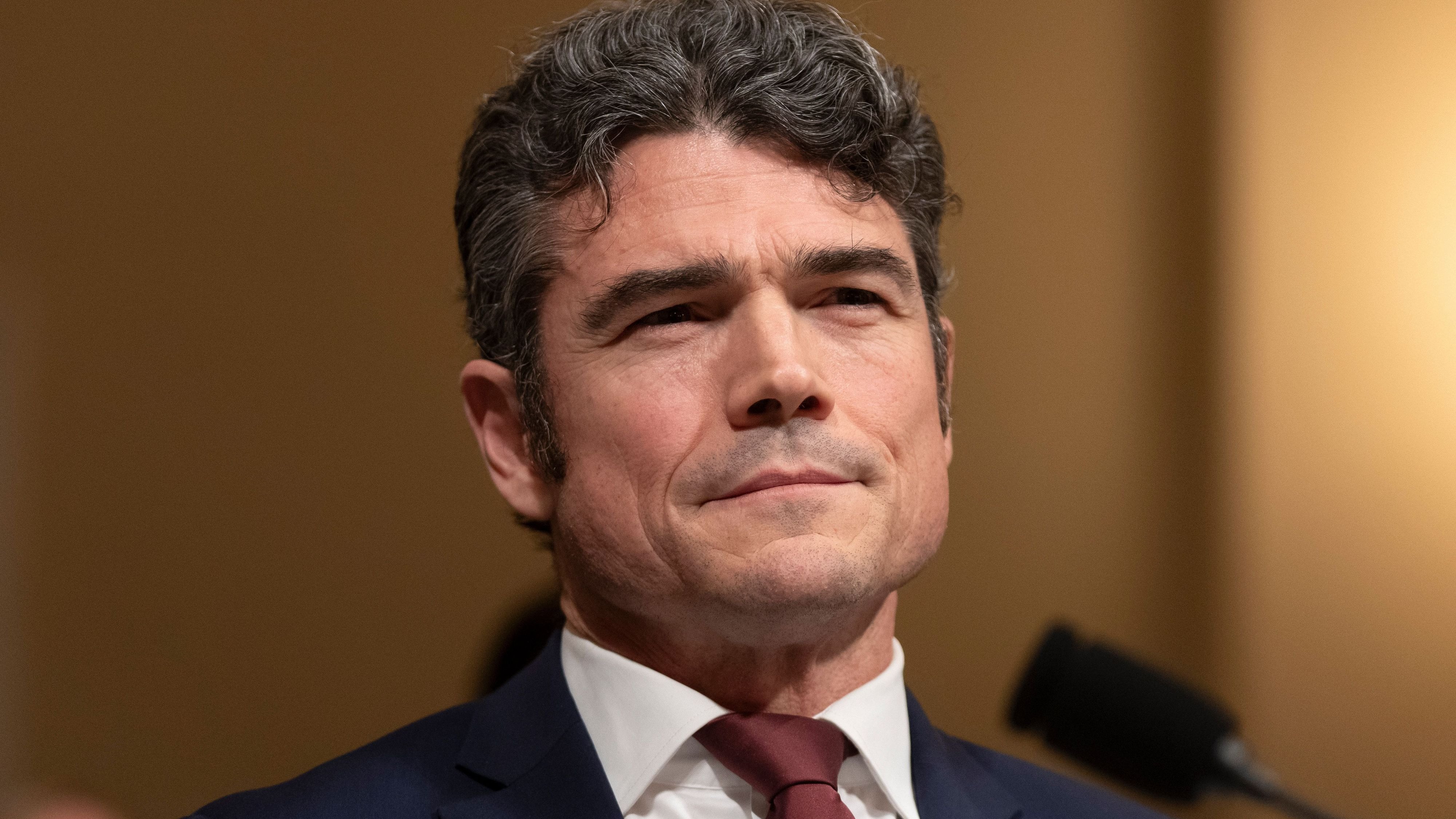
The Director of the U.S. National Counterterrorism Center, Joseph Kent, has resigned from his position in protest against the ongoing military conflict in Iran. The resignation, announced via a letter posted on the platform X, signals a significant internal dissent within the U.S. national security apparatus regarding the strategy and justification for the military operations. Kent asserts that Iran did not present an immediate threat to the United States, a viewpoint that directly challenges the administration’s rationale for escalating military engagement. This development raises critical questions about the decision-making process and the perceived effectiveness and necessity of the military actions.
The escalating tensions between the United States and Iran have reached a critical juncture, marked by direct military confrontations and a deepening geopolitical crisis. The U.S. military has reported strikes on Iranian positions near the Strait of Hormuz, citing the presence of anti-ship missiles that pose a threat to international navigation. Concurrently, reports have emerged of new attacks from Lebanon into Israel, with the pro-Iranian Hezbollah militia claiming responsibility. These events paint a grim picture of a rapidly deteriorating regional security landscape, with potential implications for global trade and stability.
Escalation of Hostilities and Key Developments
The conflict, which appears to have been triggered by an undisclosed event or a series of provocations, has seen a rapid increase in military actions. U.S. forces have directly engaged Iranian positions along the coast near the Strait of Hormuz, a vital chokepoint for global oil shipments. The U.S. military’s statement indicated that these actions were a response to Iranian anti-ship missiles, which they deemed a direct threat to maritime traffic. This move underscores the strategic importance of the Strait of Hormuz and the U.S. commitment to maintaining freedom of navigation in the region.

Reports of Casualties and Strategic Targets
In parallel, Iranian state media have confirmed the deaths of key security figures, including Ali Larijani, the influential Secretary of Iran’s Supreme National Security Council. Israel’s Defense Minister, Israel Katz, had previously stated that Larijani was killed in an attack. The confirmation of these high-profile deaths suggests a targeted and potentially devastating campaign aimed at disrupting Iran’s leadership and security apparatus.
Furthermore, reports indicate that Russian satellite imagery may have been shared with Iran, potentially providing intelligence to counter external threats. The implications of such intelligence sharing could significantly alter the strategic balance in the region.
Incidents and International Reactions
The conflict has not been confined to direct U.S.-Iran engagements. Reports have surfaced of renewed attacks on U.S. interests in Baghdad, Iraq. Iraqi media have documented smoke rising from the U.S. embassy in the heavily fortified Green Zone, following an attack. The Iraqi armed forces attributed these actions to "forbidden groups," labeling them a "terrorist attack" on the nation’s sovereignty. Prime Minister Mohammed al-Sudani condemned attacks on diplomatic missions, framing them as criminal attempts to undermine Iraq’s security and stability.
In another significant development, an internal UN investigation reportedly concluded that Israeli tank shelling was responsible for hitting a UN post in southern Lebanon. According to Reuters, citing a source familiar with the report, the incident on March 6th injured Ghanaian peacekeepers. The evidence, including the type of ammunition used, allegedly points to direct hits from an Israeli battle tank. The UN peacekeeping mission in Lebanon (UNIFIL) stated that the investigation is ongoing, while the Israeli military has not yet issued a statement.
The pro-Iranian Hezbollah militia in Lebanon has also intensified its attacks on Israel. Israeli media reported dozens of rockets and drones launched from Lebanon, causing damage to residential buildings. Warning sirens were activated in several areas in northern Israel and Israeli settlements in the West Bank. Hezbollah claimed responsibility for multiple attacks, and the Israeli Air Force reportedly responded by targeting Hezbollah rocket launch sites and other positions in Lebanon.
Global Diplomatic Maneuvers and Stances
The escalating conflict has prompted various international responses and diplomatic stances. French President Emmanuel Macron has stated that France will not participate in military operations to open the Strait of Hormuz, emphasizing that France is not a party to the conflict. However, Paris is reportedly working on preparing a coalition that would ensure freedom of navigation after the hostilities cease.
Meanwhile, U.S. President Donald Trump has expressed disappointment with NATO allies for their reluctance to join the military campaign against Iran. He characterized this as a "very foolish mistake" and stated that the U.S. does not need assistance, as it is the "strongest country in the world." Trump’s remarks suggest a potential shift in U.S. foreign policy and its reliance on traditional alliances.
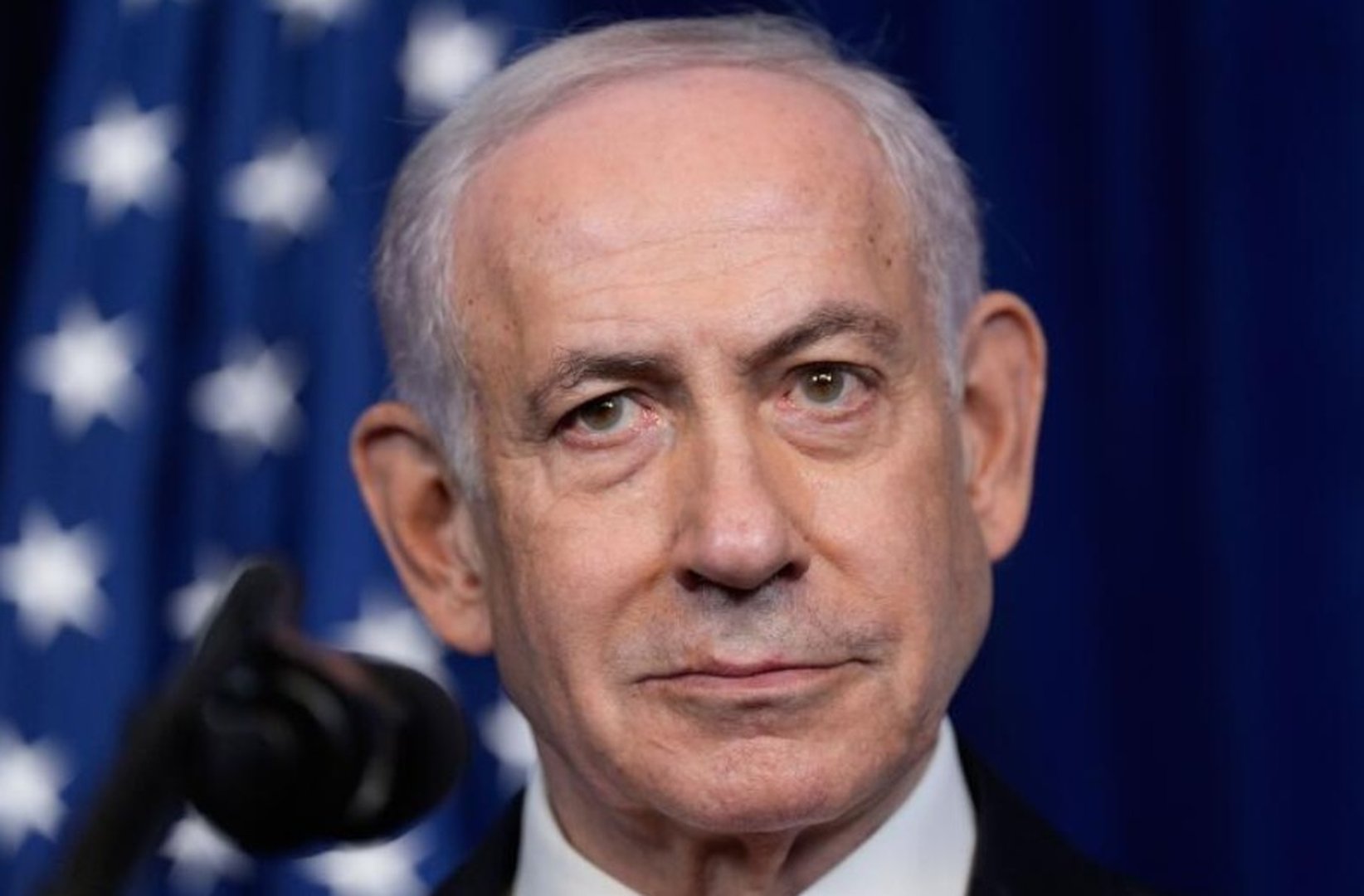
Israeli Prime Minister Benjamin Netanyahu, in a video message to the Iranian people on the occasion of the Persian New Year, wished them a "year of freedom" and the "beginning of new hope." He also vowed to weaken the Iranian leadership, empowering the Iranian people to overthrow their government. This direct address to the Iranian populace, bypassing official channels, highlights a strategy of leveraging internal dissent.

Economic and Investment Ramifications
The geopolitical instability has had tangible economic consequences. The Australian infrastructure investor Macquarie has reportedly withdrawn from a multi-billion dollar bidding process for a stake in Kuwait’s oil pipeline network, citing the Iran conflict and uncertain prospects. This withdrawal is seen as an indicator of dampened investor confidence in the Gulf region, particularly given Kuwait’s reliance on the Strait of Hormuz for its oil exports.
Background and Context
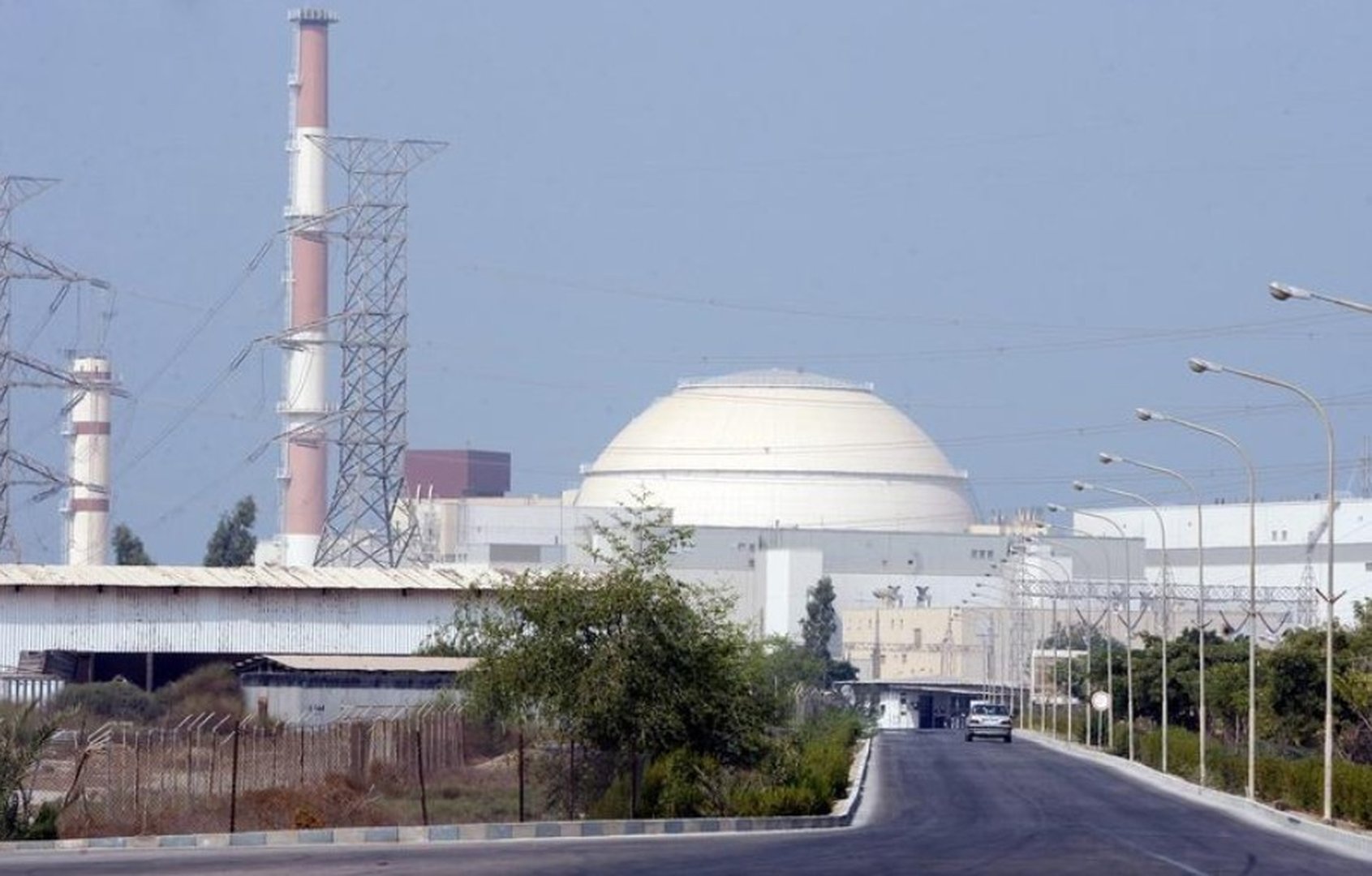
The current confrontation appears to be the culmination of long-standing regional rivalries and a complex web of alliances and proxy conflicts. Iran’s nuclear program, its ballistic missile development, and its support for various militant groups across the Middle East have been persistent sources of tension with the United States, Israel, and several Arab nations. The Strait of Hormuz, through which approximately 20-30% of the world’s seaborne oil traffic passes, has repeatedly been a focal point of this tension, with Iran threatening to close it during periods of heightened conflict.

The administration’s stated objective of dismantling Iran’s nuclear and missile programs, as articulated by U.S. Secretary of State Marco Rubio, aims to neutralize perceived threats to Israel’s security. However, the strategy of direct military engagement, as opposed to diplomatic pressure or containment, has been a subject of intense debate, with figures like Joseph Kent expressing profound reservations.
Chronology of Key Events (Inferred)
- Pre-Conflict: Decades of U.S.-Iran animosity, punctuated by periods of diplomatic engagement and heightened tensions. Iran’s continued development of its nuclear and missile programs, and its support for regional proxies, have been major concerns for the U.S. and its allies.
- Triggering Incident (Undisclosed): An event or series of actions that directly led to the current military confrontation. This could involve attacks on U.S. assets, significant breaches of international maritime law, or a direct challenge to regional security.
- Initial U.S. Strikes: U.S. forces initiate targeted strikes on Iranian positions, particularly in the vicinity of the Strait of Hormuz, citing threats to shipping.
- Iranian Retaliation: Iran responds with missile and drone attacks targeting Israel and potentially other regional interests.
- Confirmation of High-Profile Deaths: Iranian media confirm the deaths of key security figures like Ali Larijani, following earlier reports from Israel.
- Escalation of Regional Conflicts: Hezbollah launches attacks from Lebanon into Israel, prompting Israeli retaliatory strikes.
- Internal Dissent: Joseph Kent, Director of the U.S. National Counterterrorism Center, resigns in protest, citing a lack of immediate threat from Iran.
- International Diplomacy: France declares non-participation in military operations but signals continued diplomatic efforts. President Trump expresses frustration with NATO allies.
- Economic Impact: Investors begin to withdraw from regional deals, highlighting the economic consequences of the conflict.
Broader Impact and Implications
The current military conflict carries profound implications for regional and global stability. A prolonged conflict could lead to widespread humanitarian crises, further destabilize already fragile states, and disrupt global energy markets, potentially triggering a global economic downturn. The involvement of multiple state and non-state actors, including Russia, Israel, Hezbollah, and various Iraqi militias, creates a highly complex and volatile environment.

The resignation of Joseph Kent is a significant indicator of internal divisions within the U.S. government regarding the Iran conflict. His critique, emphasizing the absence of an immediate threat, challenges the narrative used to justify military intervention. This dissent could embolden opposition voices and potentially influence future policy decisions, though the immediate impact remains to be seen.
The effectiveness of targeted killings of Iranian leadership figures, while aiming to degrade Iran’s capabilities, also carries the risk of significant escalation and unpredictable retaliatory responses. The confirmation of Soleimani’s death, for example, could further inflame tensions and lead to more aggressive actions from Iran and its proxies.

The international community faces a critical juncture. Diplomatic channels must be vigorously pursued to de-escalate the situation and prevent a wider conflagration. The potential for miscalculation and unintended consequences remains exceptionally high, underscoring the urgent need for restraint and a concerted effort towards a peaceful resolution. The future of the Strait of Hormuz, a critical artery for global trade, hangs precariously in the balance, with the potential for significant disruption to the world economy. The ongoing developments necessitate careful monitoring and a commitment to de-escalation from all parties involved.
