

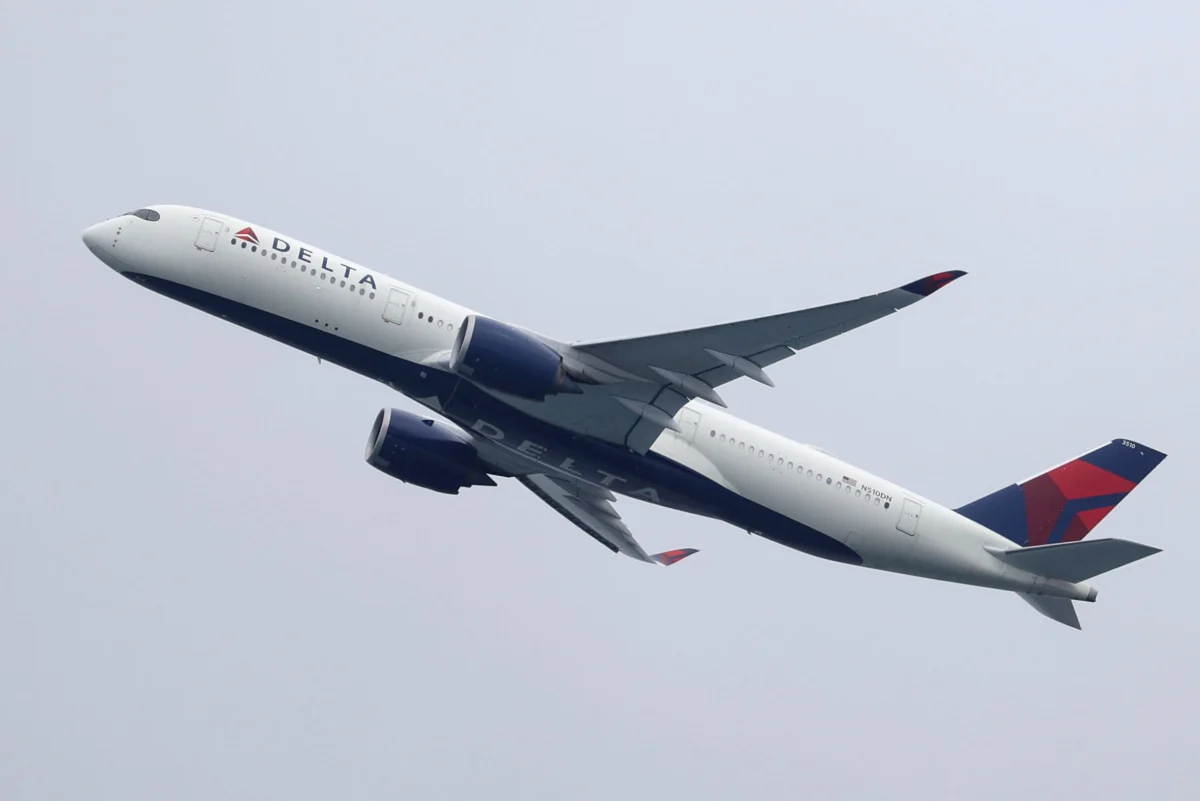
Delta Air Lines has announced a delay in the highly anticipated launch of its nonstop service connecting Hartsfield-Jackson Atlanta International Airport (ATL) with King Khalid International Airport (RUH) in Riyadh, the capital of Saudi Arabia. Originally slated to commence on October 23, the inaugural flight has been pushed back until March, a decision directly attributed to a series of deadly attacks targeting the Riyadh airport and a subsequent safety warning issued by the U.S. Federal Aviation Administration (FAA).
This strategic route, intended to be operated by an Airbus A350-900 wide-body aircraft, was poised to mark a significant milestone: the first nonstop commercial flight between the United States and Saudi Arabia operated by a U.S. airline. The postponement underscores the severe implications of the heightened security situation in the region, particularly the ongoing conflict in Yemen and its spillover effects on Saudi civilian infrastructure.
A Crucial Route Deferred: The Significance of Delta’s Riyadh Service
The planned Atlanta-Riyadh service was not merely another international route; it represented a strategic expansion for Delta Air Lines and a key connection for U.S.-Saudi relations. For Delta, it signified an entry into a rapidly growing market, tapping into both business travel — driven by significant U.S. corporate interests in Saudi Arabia’s energy sector and burgeoning non-oil economy — and religious tourism, facilitating easier access for pilgrims traveling to Mecca and Medina. The Airbus A350-900, a state-of-the-art long-range aircraft known for its fuel efficiency and passenger comfort, was chosen for its capability to handle the approximately 13-hour journey efficiently. Its typical configuration allows for around 300-350 passengers, highlighting the substantial capacity Delta intended to deploy.
For Saudi Arabia, the direct link with a major U.S. hub like Atlanta, a global gateway, was crucial for its Vision 2030 agenda. This ambitious national transformation plan aims to diversify the kingdom’s economy away from oil, with tourism and aviation playing central roles. The establishment of new national carriers like Riyadh Air, coupled with massive investments in airport infrastructure and a push to attract international visitors, emphasizes the kingdom’s desire to become a global aviation and tourism hub. A direct flight from a major U.S. carrier like Delta would have significantly boosted these efforts, improving connectivity and fostering stronger economic and cultural ties. The delay, therefore, represents a setback not just for the airline, but also for Saudi Arabia’s broader strategic objectives.
Chronology of Escalation: Attacks on King Khalid International Airport
The decision to delay the service followed a rapid and severe escalation of hostilities that directly impacted King Khalid International Airport (KKIA). The situation began to deteriorate significantly last Thursday, with initial reports of increased aerial threats. However, the crisis reached a critical point on Saturday, when a projectile, confirmed by Saudi officials to have been launched by Yemen’s Iran-backed Houthi rebels, struck a passenger terminal at KKIA. This attack resulted in devastating casualties, killing at least 12 people and wounding more than 300, turning a civilian facility into a scene of tragic loss.
In the immediate aftermath, King Khalid International Airport, one of the busiest airports in the Middle East and a vital hub for regional and international travel, was forced to close. As of Monday, the airport remained shut, leading to widespread disruptions across the aviation network. FlightAware, a global flight tracking service, reported that more than 2,000 flights to and from KKIA had been canceled since Thursday, stranding thousands of passengers and impacting global supply chains. The closure of such a significant airport for an extended period underscores the severity of the security breach and the immediate danger it posed to civilian aviation.
The Houthi Threat and Regional Instability
The attacks on King Khalid International Airport are the latest in a series of sophisticated assaults claimed by the Houthi rebels, who have been locked in a protracted civil war with the internationally recognized Yemeni government and a Saudi-led coalition since 2014. The Houthis, supported by Iran, have consistently demonstrated the capability to launch long-range drones and ballistic missiles targeting critical infrastructure deep within Saudi territory. Previous targets have included oil facilities, military bases, and other airports, such as Abha International Airport, which has also faced repeated attacks.
The targeting of a major international civilian airport’s passenger terminal marks a dangerous escalation, indicating a willingness to inflict mass civilian casualties and disrupt international travel. The Houthis possess a diverse arsenal, including various types of unmanned aerial vehicles (UAVs) and ballistic missiles, some of which are believed to be modified versions of Iranian designs. Their tactics often involve saturating air defenses or exploiting perceived vulnerabilities. This ongoing threat highlights the broader instability in the Red Sea region and the Arabian Peninsula, a critical geopolitical corridor for global trade and energy supplies. The conflict in Yemen has created one of the world’s worst humanitarian crises, but its implications extend far beyond Yemen’s borders, directly impacting regional security and international commerce.
FAA Advisory and Industry Response

In response to the escalating dangers, the U.S. Federal Aviation Administration (FAA) issued a critical warning to U.S. airlines on Sunday. The advisory, which remains in effect until December 10, urged pilots to "exercise caution" when operating in or around Saudi Arabia. The FAA cited "safety-of-flight risks associated with ongoing military activities" and potential disruptions to "navigation systems." Crucially, the agency warned that these threats could pose a "potential risk to aircraft at all altitudes," indicating a broad and pervasive danger that could affect all phases of flight, from takeoff and landing to high-altitude cruising.
An FAA warning carries significant weight for U.S. carriers. As the primary regulatory body for civil aviation in the United States, the FAA’s directives are taken extremely seriously and often lead to operational changes. The mention of "navigation systems" risks could imply potential GPS jamming, spoofing, or other electronic warfare tactics that could compromise aircraft positioning and communication. Such advisories often prompt airlines to re-evaluate routes, implement additional safety protocols, or, as in Delta’s case, suspend services entirely.
Beyond Delta, several other international airlines also suspended flights to King Khalid International Airport, with some extending cancellations for the remainder of the week as they assessed the security situation. Countries including the United States and Australia also updated their travel advisories, recommending citizens reconsider or avoid non-essential travel to the region due to the heightened security risks. This broad-based response from aviation authorities and governments underscores the perceived severity of the threat and the collective effort to prioritize passenger and crew safety.
Delta’s Official Stance and Rationale
Delta Air Lines’ decision to delay its Riyadh service was not made lightly. Delta CEO Ed Bastian had publicly acknowledged the developing situation on Thursday, stating that the airline had not yet decided on a postponement but emphasizing, "Obviously, we were disappointed to see the news this week. Safety is going to make the call." This statement signaled the airline’s careful deliberation and its unwavering commitment to passenger and crew safety as the paramount factor in its operational decisions.
Following the FAA’s explicit warning and the confirmation of the airport’s closure and casualties, Delta formalized its decision. In an official statement, the airline conveyed its rationale and future outlook: "We remain in close contact with relevant government and aviation partners, including Saudia and Riyadh Air, as we monitor the situation. Saudi Arabia remains an important market for Delta, and we are committed to serving the Kingdom for the long-term."
This statement serves multiple purposes. Firstly, it clearly communicates the reason for the delay – the security situation. Secondly, it highlights ongoing coordination with key stakeholders, including the national carrier Saudia and the newly formed Riyadh Air, suggesting a collaborative approach to navigating the challenges. Thirdly, it reiterates Delta’s strategic interest in the Saudi market, emphasizing that the postponement is a temporary measure driven by safety, not a withdrawal of long-term commitment. This balancing act allows Delta to prioritize safety while maintaining its strategic vision for expansion in the Middle East.
Broader Impact and Implications
The delay of Delta’s inaugural Riyadh service, alongside the closure of KKIA and the broader travel advisories, carries significant implications for various sectors:
- Economic Impact on Aviation: For Delta, the delay means foregone revenue from a potentially lucrative route, along with the operational costs associated with rescheduling, re-allocating aircraft, and managing passenger rebookings. While the specific financial impact is difficult to quantify immediately, such disruptions can be substantial for an airline. For Saudi Arabia, the prolonged closure of a major international airport, coupled with reduced international flights, directly impacts its aviation sector, tourism industry, and overall economic activity, potentially slowing down progress on its Vision 2030 goals.
- Geopolitical Ramifications: The attacks underscore the persistent threat posed by the Houthi rebels and the complexities of the Yemen conflict. The targeting of civilian infrastructure in the Saudi capital could prompt stronger international condemnation and potentially influence U.S. policy towards the conflict, balancing humanitarian concerns with strategic security interests in a vital region. It also highlights the vulnerability of even well-defended nations to asymmetric warfare.
- Perception of Regional Security: Incidents like these can negatively impact the perception of safety and stability in the entire region, potentially deterring future investment, tourism, and business travel. Rebuilding confidence in the security of major hubs like Riyadh will be a critical challenge for Saudi authorities and airlines operating there.
- Aviation Safety Protocols: The incident will undoubtedly lead to a review of existing aviation safety protocols and intelligence sharing among international bodies, airlines, and governments. The ability of non-state actors to threaten commercial aviation at "all altitudes" necessitates continuous adaptation of defense and detection systems.
Future Outlook and Commitment
Delta’s commitment to eventually serving Riyadh in March suggests a belief that the security situation will have stabilized by then, or that effective mitigation measures will be in place. However, the fluid nature of geopolitical conflicts means that such timelines are always subject to change. The FAA warning, currently set to expire on December 10, will also be a key factor in future evaluations. A reassessment by regulatory bodies will be crucial before any U.S. carrier can confidently resume or launch new services into areas deemed high-risk.
The long-term success of Saudi Arabia’s aviation ambitions, and the viability of routes like Delta’s Atlanta-Riyadh service, will hinge not only on the cessation of hostilities but also on the perception of sustained security and stability. International airlines, driven by safety imperatives and economic considerations, will continue to monitor the situation closely, making operational decisions that balance strategic market opportunities with the absolute necessity of safeguarding their passengers and crew. The deferred launch serves as a stark reminder that even in an interconnected global economy, geopolitical realities can significantly alter the trajectory of commercial endeavors.
