

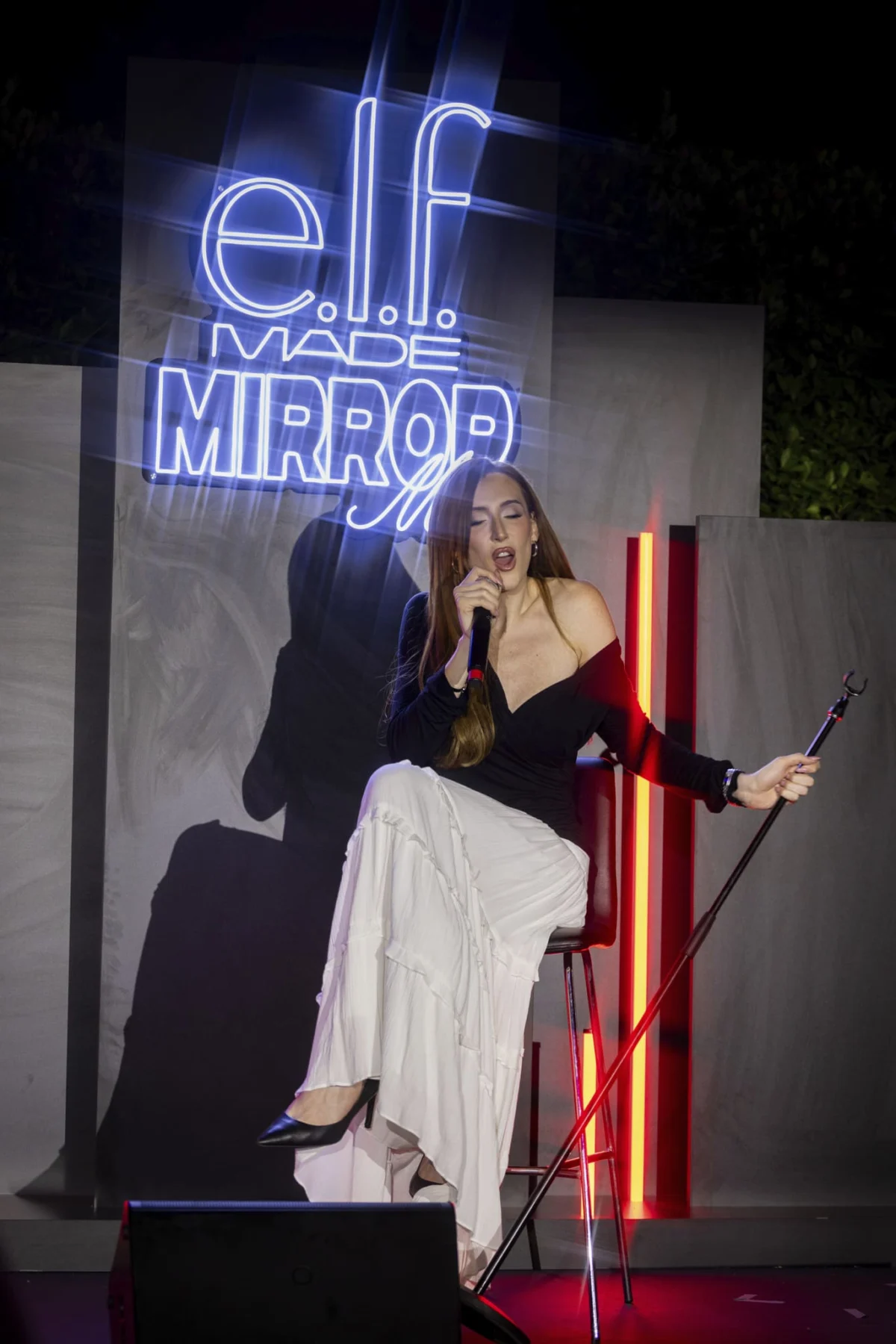
E.l.f. Beauty, the renowned cosmetics brand, has significantly escalated its venture into the entertainment sphere with the late March 2025 release of "Mirror Mix," its second original music album. This strategic move, featuring seven burgeoning artists, including a WNBA player and a Grammy-winning singer-songwriter, marks a bold statement in the evolving landscape where traditional retail increasingly intersects with dynamic entertainment. The album, available across major streaming platforms such as Spotify, Apple Music, Amazon, and Roblox, underscores E.l.f.’s commitment to disruptive marketing and fostering deeper connections with its burgeoning community of consumers, a strategy partially funded by substantial tariff refunds.
E.l.f. Beauty’s Sonic Strategy: From Viral Hit to Full-Length Album
The launch of "Mirror Mix" is not merely an isolated marketing stunt but the latest evolution in E.l.f. Beauty’s pioneering approach to brand engagement. Chief Integrated Marketing Officer Patrick O’Keefe articulated the brand’s philosophy, stating in an interview with CNBC, "When you put community at the center of everything… programs and campaigns and building music, which evokes emotion… when you do that, it changes the conversation. And we want to be top of mind with our community." This sentiment encapsulates the brand’s understanding that contemporary consumer loyalty is forged through shared experiences and emotional resonance, not just product utility.
"Mirror Mix" follows the successful 2024 release of "Get Ready With Music, The Album," demonstrating a deliberate and sustained effort by the beauty giant to establish itself as a patron of emerging musical talent. The album’s diverse roster of artists aligns with E.l.f.’s inclusive brand identity, providing a platform for voices that might otherwise struggle for mainstream visibility. This not only resonates with a younger, socially conscious demographic but also enriches the brand’s cultural footprint.
The Genesis of E.l.f.’s Musical Journey
E.l.f.’s foray into music is deeply rooted in its digital marketing triumphs. The company first ventured into original music in 2019 with the song "eyes.lips.face.," which rapidly achieved viral status on TikTok. At a time when TikTok was still solidifying its global presence, E.l.f. was among the earliest brands to recognize and leverage its immense potential for organic reach and user-generated content. O’Keefe recounted the impact of this initial success, noting, "We were one of the first movers on TikTok, and we created an original song around eyes, lips, face, and it went viral. It propelled the brand into new dimensions." He further explained that the song served to clarify the brand’s identity, transforming the acronym E.l.f. into an instantly recognizable and memorable slogan. This viral phenomenon not only boosted brand awareness but also created a template for future content-driven marketing initiatives. The original campaign garnered billions of views and millions of user-generated videos, solidifying E.l.f.’s reputation as a digital-first innovator.
CEO Tarang Amin humorously encapsulated this evolving identity during the Deutsche Bank dbAccess Global Consumer Conference in early June, remarking, "We’re an entertainment company that happens to sell beauty products." This statement, while lighthearted, reflects a profound shift in corporate strategy, acknowledging that in today’s market, capturing consumer attention often requires transcending traditional product offerings to become a purveyor of engaging experiences. Beyond music, E.l.f.’s "disruptive marketing" portfolio includes a TikTok reality show launched in 2020 and pioneering live shopping channels on Twitch, further solidifying its presence at the vanguard of digital engagement. Amin emphasized, "Our marketing works best when you start seeing that virality on innovation, our ability to feed that and be able to sustain that demand and build growing franchises."
The Retailtainment Revolution: A Broader Industry Trend
E.l.f. Beauty’s deep dive into entertainment is indicative of a wider, transformative trend sweeping across the retail sector: "retailtainment." This strategic fusion of shopping and entertainment experiences is becoming a critical differentiator in an increasingly saturated market. Brands are recognizing that transactional relationships are no longer sufficient; consumers, particularly younger generations, seek immersive experiences and authentic connections.
Just days before E.l.f.’s "Mirror Mix" debut, Gap Inc. unveiled its multiyear "fashiontainment" partnership with the rising boy band Just Your Type (JYT). This ambitious collaboration, overseen by Gap’s newly appointed Chief Entertainment Officer Pam Kaufman, encompasses a multi-episode docuseries, a national mall tour, and an exclusive clothing collection. Kaufman, in a press release, articulated the vision: "Gap has always lived at the intersection of style, music and culture, and our Fashiontainment platform builds on that legacy by putting our brands at the center of the stories and cultural moments people care about." This initiative is a cornerstone of Gap’s multiyear revival strategy, aimed at recapturing market relevance after significant store closures and a $3.5 billion decline in annual sales between 2001 and 2021. Gap CEO Richard Dickson underscored the necessity of this shift in January, stating, "Fashion is entertainment, and today’s customers aren’t just buying apparel, they’re buying into brands that tell compelling stories and drive cultural conversations."
Even the fast-food industry is embracing this trend, albeit with a unique, humorous twist. Wendy’s recently released an emo album titled "Songs to Listen to in a Wendy’s Parking Lot." The album features ironically titled tracks such as "She Said She Didn’t Want Fries" and "The Best Combo Meal on the Worst Night of My Life." Despite its comedic approach, the lead song has garnered over 450,000 streams on Spotify, and the announcement captivated hundreds of thousands of likes on Instagram, demonstrating the power of creative content to generate significant brand engagement. Wendy’s CEO Bob Wright highlighted marketing as a key strategic focus, emphasizing the need for "messaging, media and creative [to] drive a meaningful connection with our customers and drive traffic to our restaurants."
Why Brands Are Pivoting to Entertainment
The burgeoning retailtainment trend is primarily driven by profound shifts in consumer behavior and market dynamics, particularly the increasing spending power and distinct preferences of Gen Z. A June 2026 report by United Talent Agency (UTA) titled "The Culture Canon" highlighted the critical importance of "cultural relevance" for this demographic. The report found that "consumers who perceive a brand as culturally relevant are more likely to notice it (90% of Gen Z), think favorably of it (87% of Gen Z), consider it (81% of Gen Z), and ultimately buy from it (68% of Gen Z) — proving culture’s ROI extends far beyond brand perception."
Gen Z, born into a digitally saturated world, expects brands to be authentic, interactive, and aligned with their values. They are less swayed by traditional advertising and more receptive to content that entertains, inspires, or provides a sense of community. Entertainment platforms, whether music streaming services, social media, or gaming environments, offer direct channels to connect with these consumers on their own terms. By becoming content creators or curators, brands can bypass advertising fatigue, foster organic engagement, and build deeper emotional connections that translate into loyalty and advocacy. This strategy also serves to differentiate brands in highly competitive markets, where product innovation alone may not be enough to capture sustained attention.
E.l.f.’s Financial Engine: Fueling Marketing Innovation
E.l.f. Beauty’s aggressive investment in innovative marketing is underpinned by robust financial performance. The company recently celebrated its 30th consecutive quarter of growth, with profits doubling in its most recently reported quarter (Q1 2027, ending June 30, 2026). This consistent growth provides a solid foundation for its ambitious marketing endeavors.
In the fiscal first quarter, E.l.f. reinvested more than 20% of its net sales into marketing and digital initiatives, a percentage the company expects to increase throughout the rest of the year. This significant commitment reflects a belief that strategic marketing, especially disruptive and culturally relevant campaigns, is a key driver of sustained growth and market leadership.
A substantial portion of this increased marketing push is being funded by an unexpected financial windfall: $50 million in tariff refunds received in the three months ending June 30, 2026. This refund came after the Supreme Court struck down President Donald Trump’s "liberation day" tariffs, and a federal judge ordered the money to be returned. CEO Tarang Amin outlined the company’s plan for these funds in an August interview with CNBC: "Our plan is to fully reinvest that money in both pricing, to have a superior value proposition, as well as increased marketing across our entire portfolio of brands." He added, "We feel we never should have had the tariffs to begin with, so let’s invest in our brands to drive the strength that we see." This reinvestment strategy aims to fortify E.l.f.’s market position through competitive pricing and amplified brand visibility.
The success of E.l.f.’s marketing efforts is quantifiably measured by its unaided awareness metric, which gauges a consumer’s ability to recall a brand without prompts. O’Keefe reported that E.l.f. Beauty’s unaided awareness has tripled in the last five years, surging from 13% to an impressive 45%. This significant increase demonstrates the effectiveness of their content-driven, community-centric approach in etching the brand into the consumer consciousness.
Implications and Future Outlook
The expansion of retailtainment, exemplified by E.l.f. Beauty’s "Mirror Mix" and similar initiatives from Gap and Wendy’s, carries significant implications across various industries.
For E.l.f. Beauty: This strategy reinforces its position as a leader in disruptive marketing and a pioneer in leveraging digital platforms for brand engagement. By actively supporting emerging artists, E.l.f. not only enhances its brand image but also potentially taps into new revenue streams through merchandise, licensing, or expanded digital content. The move further differentiates E.l.f. from competitors, many of whom still rely on more traditional advertising models.
For the Beauty Industry: E.l.f.’s success in music and digital entertainment sets a new benchmark for brand engagement, compelling other beauty brands to re-evaluate their marketing strategies. Expect to see more beauty companies exploring partnerships with artists, creating original content, and investing in experiential marketing to capture the attention of discerning consumers. This could lead to a more dynamic and creative beauty marketing landscape.
For Retail Overall: The rise of dedicated "Chief Entertainment Officers" (as seen at Gap) signifies a structural shift within corporate leadership, acknowledging entertainment as a core strategic pillar. This trend will likely accelerate the transformation of retail spaces and online platforms into immersive cultural hubs, where the act of shopping is integrated into a broader entertainment experience. From virtual concerts to interactive digital narratives, retail is moving beyond mere transactions to foster deeper, more meaningful consumer relationships.
For the Music Industry: Brand partnerships offer new avenues for artist discovery, funding, and distribution, particularly for independent and rising talents. As brands like E.l.f. invest in original music, they effectively become patrons and promoters, potentially democratizing access to broader audiences and offering alternative revenue models for musicians beyond traditional record labels. This blurs the lines between commercial and artistic endeavors, opening up new creative and financial possibilities.
Challenges and Considerations: While promising, the retailtainment trend is not without its challenges. Brands must meticulously maintain authenticity to avoid appearing opportunistic or "cringey" to savvy consumers. Measuring the direct return on investment (ROI) for such creative endeavors, beyond increased brand awareness and engagement, remains a complex task. Furthermore, the constant demand for novel and engaging content requires continuous innovation and significant financial commitment.
In conclusion, E.l.f. Beauty’s "Mirror Mix" album is more than just a collection of songs; it is a testament to a fundamental shift in how brands connect with consumers in the 21st century. As digital natives gain purchasing power, the ability to curate compelling cultural experiences alongside quality products is becoming an indispensable tool for building lasting brand loyalty and securing a prominent place in the consumer’s mind. The future of retail, it appears, will be increasingly tuned to the rhythm of entertainment.
