

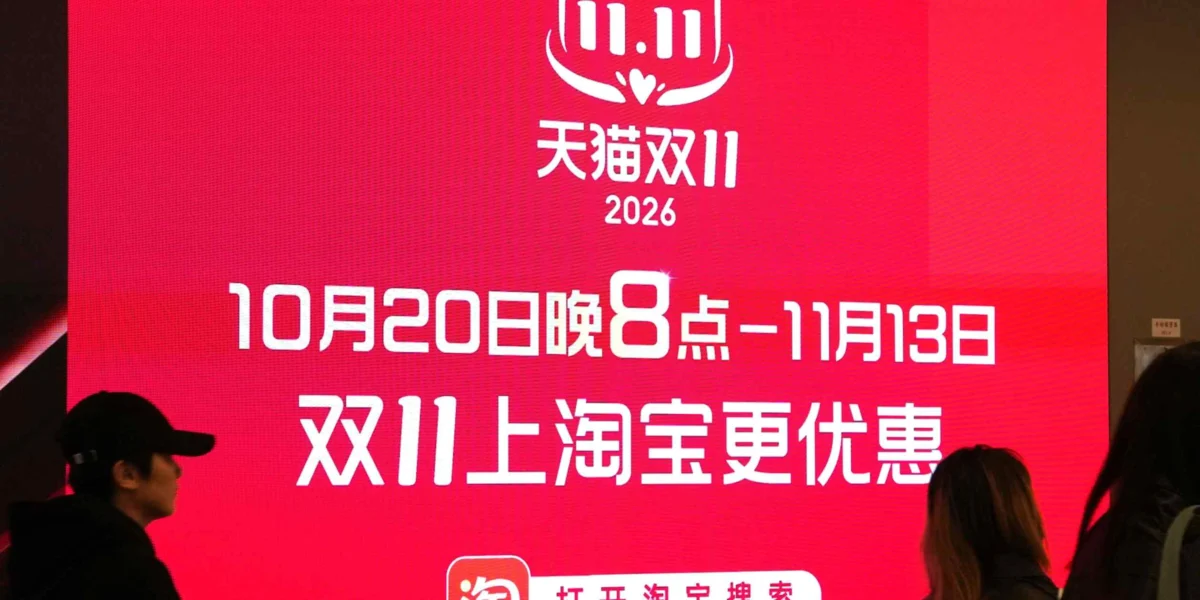
SHANGHAI — China’s highly anticipated annual Singles’ Day (11.11) shopping festival, a global benchmark for e-commerce and consumer spending, has entered its concluding phases this Wednesday. However, the usual crescendo of consumer fervor appears somewhat muted this year. A strategic shift by retailers towards earlier and more frequent discount promotions, coupled with supportive government subsidies, has effectively front-loaded demand, leading to a noticeable dilution of the concentrated excitement traditionally associated with the peak shopping day itself. This pre-emptive discounting strategy, while potentially boosting overall sales volume across a longer period, has altered the traditional narrative of a single, explosive sales day.

The Evolving Landscape of Singles’ Day
Originally conceived by Alibaba in 2009 as a day to combat loneliness and encourage self-gifting, Singles’ Day has ballooned into the world’s largest online shopping event, dwarfing even Black Friday and Cyber Monday in the United States. Its growth trajectory has been nothing short of phenomenal. In its inaugural year, gross merchandise volume (GMV) was a modest RMB 52 million. By 2023, the event’s GMV had surged to an astronomical RMB 1.14 trillion (approximately $157 billion), according to Alibaba’s own reporting, showcasing its immense scale and economic significance.
However, the very success and longevity of Singles’ Day have presented new challenges for both retailers and consumers. The relentless pressure to achieve record-breaking sales year after year has led to an arms race of discounts. Platforms and brands have progressively extended the promotional period, often beginning weeks in advance of November 11th, blurring the lines between pre-sale, actual sale, and post-sale periods. This extended promotional window means that by the time the official "11.11" arrives, a significant portion of consumer purchasing intent has already been satisfied.

Government Intervention and Shifting Consumer Behavior
This year’s festival has been further influenced by a more proactive stance from Chinese regulators. In an effort to stimulate domestic consumption and support economic recovery, various government bodies have rolled out a series of targeted subsidies and incentives. These measures, aimed at easing the financial burden on consumers and encouraging spending across a broader range of goods and services, have played a crucial role in shifting purchasing decisions. Consumers, aware of these government-backed incentives, have been more inclined to make purchases earlier, taking advantage of the combined benefits of retailer discounts and official subsidies.
For instance, local governments in major cities have launched digital consumption vouchers, redeemable on e-commerce platforms and in physical stores, encouraging immediate spending. These initiatives, while beneficial for overall economic activity, inevitably fragment the traditional concentrated buying spree of Singles’ Day. The impact is a more distributed spending pattern throughout the promotional period, rather than a single, dominant peak.

Retailer Strategies: Livestreaming and Trade Show Pitches
In response to this evolving landscape, companies are experimenting with innovative strategies to recapture consumer attention and sentiment. A notable trend emerging this year is the increased reliance on livestreaming sales pitches, often originating from major trade shows. This approach serves a dual purpose: it allows brands to showcase their latest products and innovations in a dynamic and engaging format, while simultaneously leveraging the broad reach of e-commerce platforms.
Trade shows, traditionally platforms for business-to-business interactions and product launches, are now being integrated into direct-to-consumer (DTC) sales strategies. Companies are transforming these industry events into immersive online shopping experiences. Expert presenters and influencers, often on-site at trade shows, are conducting live demonstrations, answering consumer questions in real-time, and offering exclusive deals to viewers. This strategy aims to inject a sense of urgency and exclusivity into the shopping process, even outside the traditional peak hours of Singles’ Day.

The livestreaming format has proven particularly effective in China’s digital economy. Platforms like Taobao Live, Douyin (TikTok’s Chinese version), and Kuaishou have cultivated massive audiences accustomed to interactive shopping experiences. By broadcasting from trade shows, companies can tap into existing consumer interest in new products and trends, seamlessly transitioning that interest into sales. This method offers a more personal touch than static advertisements, fostering a sense of community and trust between brands and consumers.
Data-Driven Insights and Early Indicators
While official GMV figures for the entirety of the Singles’ Day period will only be fully compiled and released after the conclusion of all promotional activities, early indicators suggest a more dispersed pattern of spending. Data analytics firms monitoring e-commerce traffic and sales trends have noted a sustained level of activity throughout the pre-sale and promotional weeks, rather than a dramatic spike on November 11th itself.

For example, preliminary reports from market research agencies indicate that while overall transaction volumes may remain robust, the average order value on the 11th might not reach the peaks seen in previous years. This is attributed to consumers having already made significant purchases during the extended discount periods. Furthermore, the average discount depth offered by some major retailers has been more consistent throughout the promotional window, suggesting a strategy of sustained engagement rather than a concentrated burst of deep discounts on the final day.
Expert Analysis and Market Reactions
Industry analysts suggest that this shift in strategy reflects a maturation of the Singles’ Day event. "The era of purely relying on a single day for record-breaking sales is evolving," commented Dr. Li Wei, a senior e-commerce strategist based in Beijing. "Brands and platforms are recognizing the need for sustained consumer engagement throughout the year, and Singles’ Day is becoming more of a culmination of these ongoing efforts. The front-loading of discounts and the integration of live commerce from events are smart tactics to maintain momentum and capture a wider audience."

However, this dispersal of sales also presents challenges. Retailers accustomed to the intense focus and high sales volumes of a single day may need to recalibrate their operational and marketing strategies to manage inventory and logistics more effectively over a longer period. For consumers, while the availability of discounts over an extended period is generally welcomed, the sheer volume of promotions can also lead to "deal fatigue," making it harder to identify genuine bargains.
The Broader Economic Implications
The evolving nature of Singles’ Day has broader implications for China’s economy. The government’s emphasis on stimulating domestic consumption is a key pillar of its economic policy. By encouraging spending through subsidies and by fostering platforms that facilitate this spending, policymakers aim to build a more resilient and internally driven economy. The success of such initiatives, even if it alters the traditional dynamics of major shopping events, is ultimately measured by sustained consumer confidence and spending.

The increased use of livestreaming from trade shows also signifies a blurring of lines between different economic sectors. The integration of industrial events with consumer sales channels demonstrates a dynamic and adaptive approach to market engagement. This can foster greater transparency about product development and manufacturing processes, potentially building more trust between producers and consumers.
Looking Ahead: A New Normal for E-commerce Festivals?
As the final hours of this year’s Singles’ Day campaign tick away, the data will continue to be analyzed. However, the overarching trend is clear: the festival is undergoing a transformation. The traditional model of a single, explosive sales day is giving way to a more prolonged and integrated approach to consumer engagement.

The widespread adoption of pre-emptive discounts, government incentives, and innovative sales formats like livestreaming from trade shows are not just temporary adjustments but may represent a new normal for e-commerce festivals in China and potentially globally. Brands that can adapt to this evolving landscape, by offering consistent value, engaging content, and seamless shopping experiences throughout the year, will be best positioned to thrive in the increasingly sophisticated Chinese consumer market. The focus is shifting from a singular, dramatic event to a more sustained and sophisticated relationship between businesses and their customers. The challenge for the future will be to maintain the excitement and drive sales without overwhelming consumers or diminishing the perceived value of these major shopping occasions.
