

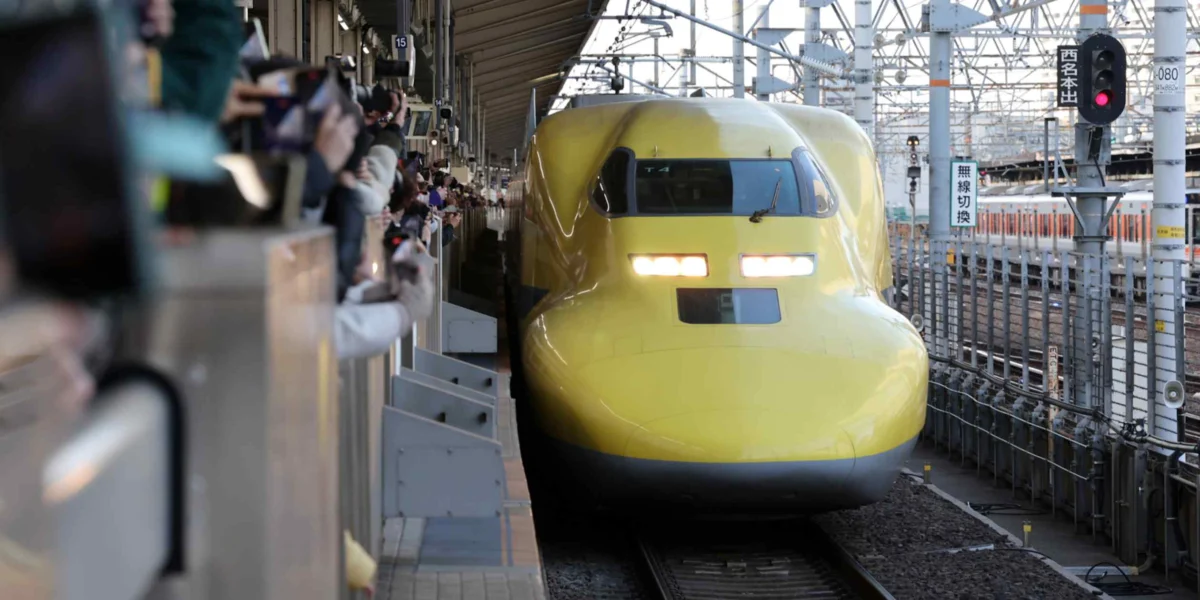
NAGOYA — Central Japan Railway (JR Central), the prominent operator of the Tokaido Shinkansen bullet train line connecting Tokyo and Osaka, announced on Thursday, April 17, 2026, the naming of its new fleet of inspection trains as "Dr. S." This significant development marks the successor to the beloved and now-retired "Doctor Yellow" trains, which were once considered a symbol of good fortune and a rare sight for passengers. Unlike their predecessors, the Dr. S trains are designed to operate as passenger-carrying services while simultaneously conducting vital track and signal inspections, a departure from the dedicated, non-passenger operational model of Doctor Yellow. This strategic integration aims to enhance operational efficiency and passenger experience on one of the world’s busiest high-speed rail corridors.
The Legacy of Doctor Yellow: More Than Just an Inspection Train
For decades, the iconic yellow Shinkansen inspection trains, affectionately known as "Doctor Yellow," held a special place in the hearts of Japanese railway enthusiasts and the general public. These specialized trains were not merely functional tools for ensuring the safety and integrity of the Shinkansen network; they were cultural phenomena. Spotting a Doctor Yellow train, often seen running during off-peak hours or overnight, was widely believed to bring good luck. This superstition transformed these utilitarian vehicles into objects of fascination, with dedicated fans eagerly awaiting glimpses and sharing sightings online. The distinctive yellow livery, a stark contrast to the usual white and blue Shinkansen cars, made them instantly recognizable.
The operational mandate of Doctor Yellow was clear: to conduct meticulous inspections of the Shinkansen lines. This included monitoring the condition of the rails, overhead power lines, signaling systems, and other critical infrastructure. Their presence on the tracks was a silent testament to JR Central’s unwavering commitment to safety and reliability. However, Doctor Yellow trains operated exclusively as maintenance vehicles, meaning they did not carry passengers. This necessitated scheduling their inspections during periods of lower traffic to minimize disruption, often leading to their limited visibility. The retirement of the Doctor Yellow series in 2024 marked the end of an era, leaving a void that the new Dr. S trains are now tasked with filling, albeit with a fundamentally different operational philosophy.
Dr. S: A New Era of Integrated Inspection and Passenger Service
The introduction of the Dr. S trains signifies a bold step forward in the operational strategy of JR Central. The core innovation lies in their dual functionality: they will serve as regular passenger trains while also undertaking crucial infrastructure checks. This integration is expected to yield substantial benefits. Firstly, it allows for more frequent and flexible inspections. By operating alongside regular passenger services, the Dr. S trains can conduct their checks during daytime operational hours without the need for extensive track closures or special scheduling, as was often the case with Doctor Yellow. This continuous monitoring will further bolster the already exceptional safety record of the Tokaido Shinkansen.
Secondly, the passenger-carrying aspect of the Dr. S trains offers a unique opportunity for passengers. While the primary purpose remains inspection, the ability to travel on these trains provides a novel experience. Details regarding the specific types of passenger services that will be offered, such as whether they will be regular reserved or non-reserved seating, or potentially special excursion services, are yet to be fully elaborated by JR Central. However, the very concept of riding a train that is actively ensuring the safety of the line is a compelling proposition. This move also reflects a broader trend in the railway industry towards optimizing asset utilization and exploring innovative service models.
The naming of the new trains as "Dr. S" is a deliberate nod to their predecessors. The "Dr." prefix clearly echoes the "Doctor Yellow" moniker, acknowledging the legacy and the importance of their inspection role. The "S" is widely understood to stand for "Shinkansen," emphasizing their integral connection to the iconic high-speed rail network. While the vibrant yellow is absent, the spirit of vigilant oversight and commitment to excellence is clearly intended to be carried forward.
Timeline of Transition and Development
The transition from Doctor Yellow to Dr. S has been a carefully orchestrated process spanning several years. The decision to retire the Doctor Yellow fleet was announced in late 2023, signaling the end of an era. The final operational runs of the last Doctor Yellow unit, a Series 700-based train, concluded in early 2024. This retirement was attributed to the aging of the fleet and the increasing complexity of maintaining older specialized rolling stock.
Following this announcement, JR Central embarked on the development and procurement of the new Dr. S trains. These trains are understood to be based on the latest Shinkansen models, likely incorporating advanced diagnostic and monitoring technologies. The development phase involved extensive research and development to integrate the inspection equipment seamlessly into a passenger-carrying trainset without compromising passenger comfort or safety. Prototypes and testing phases would have been crucial, likely beginning in 2025.
The formal unveiling and announcement of the Dr. S name occurred on April 17, 2026. This date marks the official commencement of their integration into the Tokaido Shinkansen operational schedule, although specific service dates for passenger operations are expected to be announced in the coming weeks. The full rollout of the Dr. S fleet is anticipated to be a gradual process, with initial services likely to be limited before expanding across the network.
Supporting Data: The Backbone of the Tokaido Shinkansen
The Tokaido Shinkansen line, operational since 1964, is a marvel of engineering and operational efficiency. It serves as the primary artery for intercity travel between Japan’s three largest metropolitan areas: Tokyo, Nagoya, and Osaka. Annually, the line transports hundreds of millions of passengers, with an average daily ridership often exceeding 1.5 million. The punctuality of the Shinkansen is legendary, with average delays measured in seconds, not minutes. This remarkable performance is a direct result of rigorous maintenance schedules and advanced inspection protocols.
Before the Dr. S, the Doctor Yellow fleet, comprising different series over the years, played a critical role in maintaining this high standard. These trains are equipped with a sophisticated array of sensors and diagnostic tools. They can measure rail wear and deformation, check the alignment of the tracks, inspect the condition of the catenary system (overhead power lines), and verify the functionality of signaling and communication systems. Data collected by these trains is analyzed by specialized teams to identify potential issues before they can affect train operations, thereby preventing delays and ensuring passenger safety.
The implementation of Dr. S trains, with their integrated approach, could potentially lead to a significant increase in the volume of inspection data collected. By operating on a more frequent basis, they can provide a more granular and real-time understanding of the network’s condition. This continuous stream of data can be fed into predictive maintenance algorithms, allowing JR Central to anticipate and address potential problems with even greater precision. The technological advancements integrated into the Dr. S are likely to surpass those of the retired Doctor Yellow, reflecting the rapid progress in sensor technology, artificial intelligence, and data analytics.
Official Responses and Industry Reactions
JR Central’s announcement of the Dr. S trains has been met with keen interest from the railway industry and the public. While specific official statements beyond the initial announcement are limited, the company’s press release emphasized its ongoing commitment to safety, punctuality, and innovation. A spokesperson for JR Central, speaking on condition of anonymity as per company policy, stated, "The Dr. S trains represent a significant evolution in our inspection capabilities. By integrating passenger services with our vital monitoring functions, we are not only enhancing operational efficiency but also offering our passengers a unique connection to the unseen efforts that ensure their safe and comfortable journeys."
Industry analysts view this move as a strategic imperative for maintaining competitiveness in the high-speed rail sector. "The integration of inspection functions into passenger services is a logical and forward-thinking approach," commented Dr. Kenji Tanaka, a transportation economist at Tokyo University. "It demonstrates JR Central’s commitment to optimizing resources and leveraging technological advancements. The success of this model could pave the way for similar innovations in other high-speed rail networks globally, particularly in managing aging infrastructure while meeting growing passenger demand."
Railway enthusiast groups, while acknowledging the end of the Doctor Yellow era with a touch of nostalgia, have expressed excitement about the new Dr. S trains. Online forums and social media platforms are abuzz with discussions about the potential design of the Dr. S, its technological features, and the possibility of special limited services. The anticipation is palpable, with many hoping that the Dr. S will embody the same spirit of dedication and excellence that defined Doctor Yellow.
Broader Impact and Implications
The introduction of Dr. S trains has several broader implications for the railway industry and public perception.
- Enhanced Safety and Reliability: The continuous, integrated inspection system promises to further elevate the already exceptional safety and punctuality standards of the Tokaido Shinkansen. This can serve as a benchmark for other rail operators striving to achieve similar levels of operational excellence.
- Operational Efficiency and Cost Savings: By combining inspection with passenger services, JR Central can potentially reduce the need for dedicated inspection trains, thus optimizing rolling stock utilization and potentially lowering operational costs in the long run. This efficiency gain is crucial for maintaining competitive ticket prices.
- Passenger Engagement and Education: The passenger-carrying nature of Dr. S trains offers a unique opportunity to educate the public about the complex engineering and meticulous maintenance required to operate a high-speed rail network. This can foster greater appreciation for the railway system and its dedicated workforce.
- Technological Advancement: The development of the Dr. S trains likely incorporates cutting-edge sensor technology, data analytics, and diagnostic systems. These advancements could have spillover effects, influencing the development of inspection technologies for other modes of transportation.
- Cultural Evolution of "Good Luck Charms": While Doctor Yellow was a symbol of good luck, the Dr. S, by being an active part of the passenger experience, might evolve into a new kind of icon. Its presence could signify not just good luck, but also the reassuring presence of constant vigilance and technological sophistication ensuring smooth journeys.
The shift from the beloved, solely inspection-focused Doctor Yellow to the integrated passenger-carrying Dr. S represents a significant evolution in the operational philosophy of JR Central. It reflects a pragmatic approach to modern railway management, balancing tradition with innovation, and a continued dedication to providing safe, reliable, and efficient transportation for millions of passengers. The legacy of Doctor Yellow, while retired, will undoubtedly be honored by the diligent work of its successors, Dr. S, as they navigate the vital arteries of Japan’s iconic high-speed rail network.
