

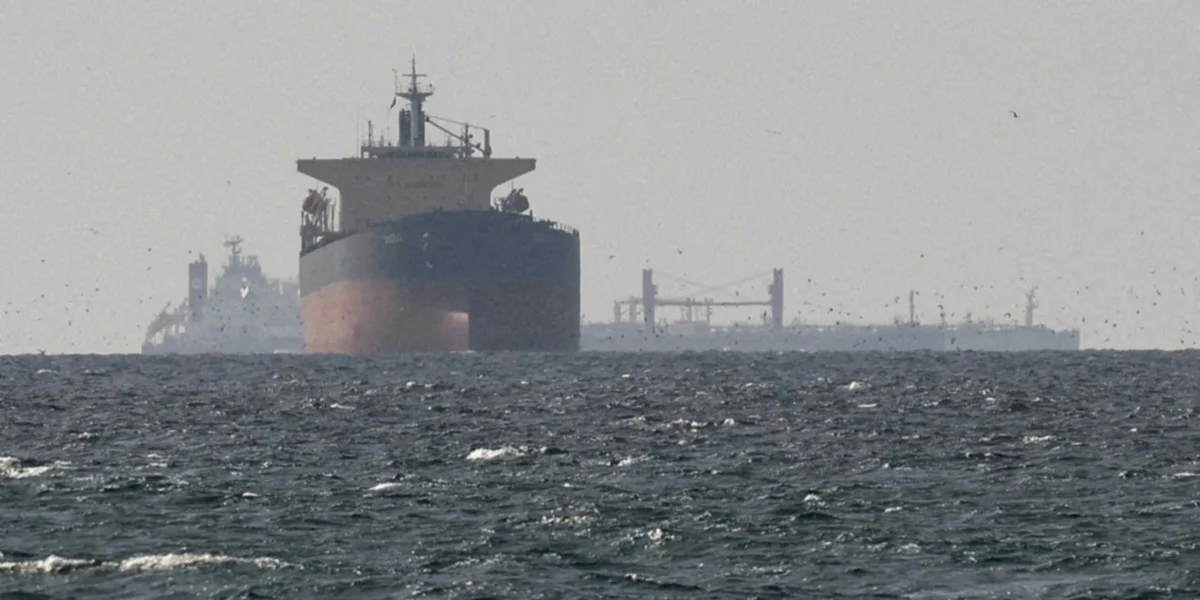
The critical maritime artery of the Strait of Hormuz, a vital chokepoint for global energy and trade, is witnessing an alarming trend of vessels attempting to circumvent ongoing disruptions by actively obscuring their location and altering their ship information. This tactic, revealed through recent analyses, underscores the deepening impact of the escalating Mideast conflict on international shipping, leaving numerous transport ships effectively stranded and posing significant challenges to global supply chains. The situation is a stark reminder of the strait’s strategic importance and the precariousness of maritime traffic in a region prone to geopolitical volatility.
Background: The Strait of Hormuz – A Lifeline Under Threat
The Strait of Hormuz, a narrow waterway separating Iran from the Arabian Peninsula, connects the Persian Gulf to the Gulf of Oman and the open sea. Its strategic significance cannot be overstated. Approximately 30% of the world’s seaborne oil trade passes through this strait daily. In 2023, this amounted to an estimated 21 million barrels of oil per day, alongside substantial volumes of liquefied natural gas (LNG) and other vital commodities. Any disruption, whether due to military action, political tensions, or environmental hazards, carries immediate and profound global economic repercussions.
The current tensions are a culmination of a long and complex geopolitical history. For decades, the strait has been a flashpoint, with various regional and international actors asserting their interests. Iran, with its strategic location and naval capabilities, has historically held significant influence over the strait, frequently using it as leverage in diplomatic and military standoffs. The United States and its allies, in turn, have maintained a strong naval presence to ensure freedom of navigation and the unimpeded flow of oil. The recent escalation, however, has introduced new layers of complexity and unpredictability.
Chronology of Escalation and Disruption
The current wave of disruptions in the Strait of Hormuz is not an isolated incident but rather an intensification of existing concerns. While the precise timeline of Iran’s and the U.S.’s specific actions that led to current closures and detentions remains subject to ongoing reporting and intelligence, the broader context points to a series of events that have heightened regional tensions.
In the preceding months, increased drone and missile attacks attributed to Iranian-backed groups in the wider Mideast region have prompted retaliatory actions. These retaliatory measures, often involving naval deployments and targeted strikes, have inevitably impacted maritime traffic in sensitive areas, including the approaches to the Strait of Hormuz. Furthermore, Iran has, at various junctures, conducted naval exercises or imposed navigational restrictions, citing security concerns or as a response to perceived provocations.
The U.S. military, through its Fifth Fleet based in Bahrain, has consistently worked to deter aggression and maintain freedom of navigation. However, the nature of modern conflict, involving asymmetric warfare and cyber capabilities, has made it increasingly challenging to guarantee the safety of all vessels. The recent analysis indicating ships are attempting to go "dark" suggests a reaction to either specific Iranian interdictions or a general perception of increased risk from both Iranian actions and potential U.S. countermeasures.
Specific incidents, while not always publicly detailed, have included the seizure of commercial vessels, the targeting of ships with drones, and the imposition of naval blockades or exclusion zones. These events, occurring in rapid succession or with prolonged periods of heightened alert, create an environment of fear and uncertainty for shipping operators.
The Rise of Covert Navigation Tactics
The analysis revealing vessels are masking their identities and locations is a critical development. This tactic, often referred to as "going dark," involves disabling Automatic Identification System (AIS) transponders or transmitting falsified AIS data. AIS is a mandatory tracking system for most commercial vessels, allowing maritime authorities and other ships to monitor their movements for safety and security purposes. By turning off AIS, ships become virtually invisible to standard tracking systems, making it difficult for authorities to monitor their routes, intentions, and potential risks.
Furthermore, altering ship information can involve changing the registered name, flag state, or cargo details displayed on AIS. This can be done to evade specific sanctions, avoid interdiction by particular navies, or mask involvement in sensitive trade routes.
This phenomenon is not entirely new in regions experiencing conflict or sanctions. However, its prevalence in the Strait of Hormuz, given its global economic importance, is particularly concerning. Shipping companies are employing these tactics out of a stark calculation: the potential risks of detection and interdiction by hostile forces may outweigh the risks associated with operating "off the grid." This creates a dangerous paradox: while intended to enhance safety, it simultaneously reduces transparency and increases the potential for miscalculation and accidental escalation.
Supporting Data and Impact on Global Shipping
The economic implications of these disruptions are already being felt across the global economy. The International Maritime Organization (IMO) has repeatedly voiced concerns about the safety and security of seafarers and vessels transiting the Strait.
- Increased Shipping Costs: The longer transit times, rerouting, and increased insurance premiums associated with navigating high-risk areas are driving up the cost of shipping. This translates directly into higher prices for consumers on a wide range of goods.
- Delayed Deliveries: The stranding of vessels and the need for rerouting lead to significant delays in the delivery of essential goods, including oil, gas, food, and manufactured products. This can disrupt manufacturing processes and create shortages.
- Insurance Premiums: The Joint War Committee (JWC), which assesses maritime war and related perils risks, has already issued advisories and increased risk areas for shipping in the Persian Gulf and the Strait of Hormuz. This leads to substantial increases in war risk insurance premiums for vessels operating in these waters. For example, premiums can surge by several hundred percent depending on the perceived threat level.
- Oil and Gas Market Volatility: Any perceived threat to the flow of oil and gas through the Strait of Hormuz can trigger significant price volatility in global energy markets. Even minor disruptions can lead to speculative buying and price hikes, impacting economies worldwide. Data from the U.S. Energy Information Administration (EIA) consistently highlights the strait’s critical role in global oil supply.
The rerouting of ships away from the Strait of Hormuz, while a necessary safety measure for some, adds thousands of nautical miles to journeys, consuming more fuel and increasing overall transit times. For instance, rerouting around the southern tip of Africa can add weeks to a journey from the Persian Gulf to Europe.
Official Responses and Statements
Iranian Authorities have consistently maintained that their actions are defensive and aimed at protecting their national interests and maritime security. They often cite international law and the right to respond to perceived threats or provocations. Official statements from the Iranian Ministry of Foreign Affairs or the Islamic Revolutionary Guard Corps (IRGC) Navy have typically framed their naval activities as necessary measures to ensure regional stability and counter external interference. However, these statements often lack specific details regarding the nature of the disruptions to shipping.
The United States and its allies, including naval forces from countries like the UK and France operating in the region, have reiterated their commitment to upholding freedom of navigation and international maritime law. U.S. Central Command (CENTCOM) and the U.S. Fifth Fleet have issued numerous press releases detailing their efforts to deter threats, intercept illicit cargo, and ensure the safe passage of vessels. Admiral statements frequently emphasize the destabilizing influence of certain actors in the region and the need for a united international front to maintain maritime security. They have also warned shipping companies and vessel operators about the risks of operating in proximity to areas of heightened military activity.
International Organizations such as the International Maritime Organization (IMO) and the UN Security Council have been monitoring the situation closely. The IMO has called for de-escalation and urged all parties to exercise restraint, emphasizing the paramount importance of the safety of seafarers and the unimpeded flow of global trade. Discussions at the UN often revolve around the principles of freedom of navigation and the peaceful resolution of disputes.
Shipping Industry Representatives, including organizations like the International Chamber of Shipping (ICS) and BIMCO, have expressed grave concerns about the safety of their crews and the economic consequences of these disruptions. They have urged all parties to respect international maritime law and have called for greater transparency and communication to mitigate risks. Industry bodies often engage in direct dialogue with governmental bodies to advocate for de-escalation and the establishment of secure maritime corridors.
Broader Impact and Implications
The ongoing challenges in the Strait of Hormuz have far-reaching implications beyond immediate shipping delays and cost increases.
- Geopolitical Instability: The strait’s disruptions are a potent symbol of the broader geopolitical tensions in the Middle East. Any escalation of conflict in this region has the potential to draw in major global powers, further destabilizing an already volatile area. The perceived effectiveness of disruptive tactics can embolden certain actors, leading to a cycle of escalation.
- Global Economic Vulnerability: The reliance of the global economy on the uninterrupted flow of energy and goods through chokepoints like the Strait of Hormuz highlights a fundamental vulnerability. This situation is likely to accelerate discussions and investments in alternative energy sources and diversified supply chain routes, though these are long-term solutions.
- Humanitarian Concerns: The safety and well-being of seafarers are a critical concern. Being stranded or navigating through conflict zones exposes them to immense psychological stress and physical danger. International maritime law and conventions are designed to protect these individuals, and their disregard has significant ethical and legal ramifications.
- The Future of Maritime Security: The tactics of "going dark" employed by vessels in the Strait of Hormuz point to an evolving landscape of maritime security. It suggests a growing sophistication in evading detection, posing new challenges for naval forces and international maritime surveillance. This may necessitate the development of new technologies and intelligence-gathering methods to ensure transparency and accountability at sea.
- Impact on Regional Economies: Beyond global markets, the economies of countries bordering the Persian Gulf are directly impacted. Reduced trade flows, increased security costs, and potential damage to maritime infrastructure can have severe economic consequences for these nations.
The events unfolding in the Strait of Hormuz serve as a critical barometer of regional stability and a stark reminder of the interconnectedness of the global economy. The ability of vessels to effectively disappear from radar and tracking systems underscores the complex cat-and-mouse game being played out at sea, with potentially profound consequences for international trade, energy security, and global peace. The international community faces the urgent challenge of finding diplomatic solutions to de-escalate tensions and ensure the unimpeded and safe passage of maritime traffic through this indispensable waterway.
