

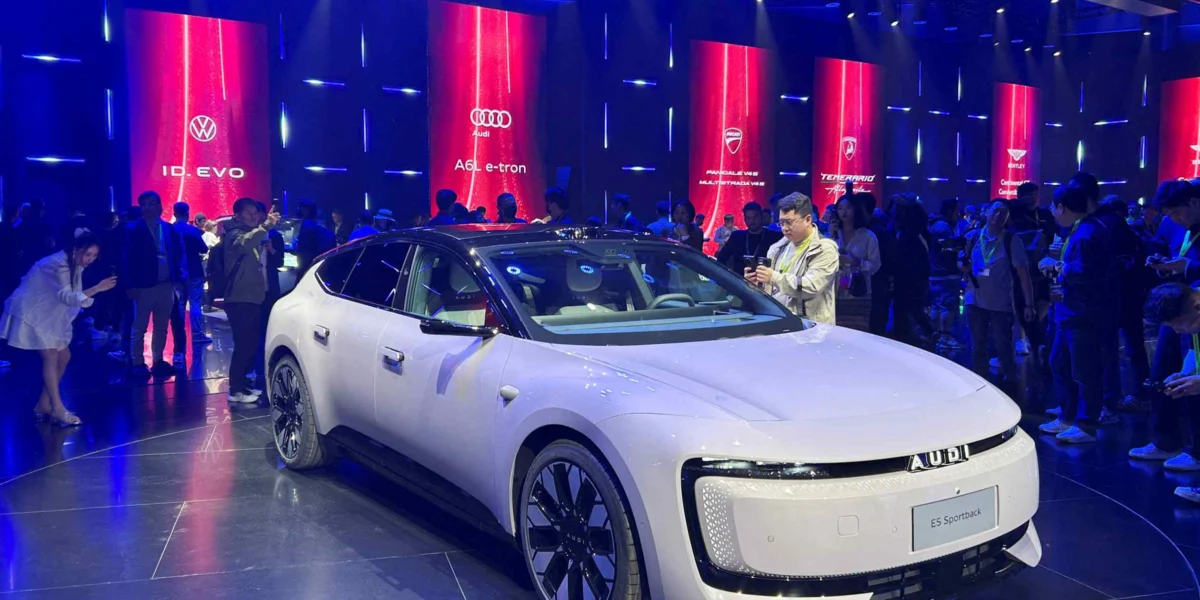
HONG KONG — Audi is significantly intensifying its collaboration with its Chinese partner, SAIC Motor, a strategic move designed to arrest a sharp decline in sales within the world’s largest and most dynamic automotive market. This deepened partnership, underscored by the establishment of a dedicated R&D hub in Shanghai, signals a proactive response to the rapidly evolving technological landscape, where Chinese domestic brands are increasingly setting the pace in areas like electric vehicle (EV) innovation and intelligent automotive features. The move comes as foreign automakers globally are under mounting pressure to adapt their strategies to effectively compete with the agile and technologically advanced offerings from Chinese manufacturers.
Deepening Collaboration for a Crucial Market
The German luxury automaker’s decision to bolster its ties with SAIC Motor is a clear indication of the critical importance Audi places on the Chinese market, which has historically been a major revenue driver. However, recent years have seen Audi, like many of its Western counterparts, struggle to maintain its dominant position. This challenge is largely attributed to the accelerating technological prowess of Chinese EV manufacturers, such as BYD, NIO, and XPeng, which have rapidly gained market share with their innovative designs, advanced software integration, and competitive pricing.
Audi’s response is multifaceted, focusing on localized development and product offerings tailored specifically for Chinese consumer preferences. The new Shanghai R&D hub is central to this strategy, aiming to shorten development cycles and ensure that new models are conceived and refined with an intimate understanding of local market demands and technological trends. This localized approach is crucial in a market where consumer expectations for digital integration, advanced driver-assistance systems (ADAS), and sophisticated infotainment are exceptionally high.
A New Era of Joint Development
The immediate tangible outcome of this intensified collaboration is the forthcoming range of electric vehicles jointly developed by Audi and SAIC Motor. The first model in this series, an SUV, is slated to be unveiled at the Beijing auto show commencing April 24th. This unveiling is not just about launching a new vehicle; it represents a symbolic shift in Audi’s approach to the Chinese market, moving from a model of adapting global platforms to one of co-creation with a local powerhouse.
The partnership with SAIC Motor, a state-owned automotive giant with extensive experience in the Chinese market and a strong manufacturing base, provides Audi with a crucial advantage. SAIC’s deep understanding of the regulatory environment, supply chains, and consumer behavior in China is invaluable. This collaboration aims to leverage SAIC’s local expertise with Audi’s established brand heritage, premium quality standards, and engineering prowess.
The joint development model is a significant departure from traditional joint ventures where foreign automakers typically held the reins in product development and technology. In this new paradigm, Audi is embracing a more collaborative approach, recognizing that local partners possess unique insights and capabilities that are essential for success in the rapidly evolving Chinese automotive sector.
The Shanghai R&D Hub: A Catalyst for Innovation
The establishment of the Shanghai R&D center marks a significant investment and commitment by Audi. This facility will serve as a nucleus for innovation, staffed with local engineers and designers who are intimately familiar with the specific requirements of the Chinese market. The center’s mandate will include not only the development of new EV models but also the integration of cutting-edge digital technologies, autonomous driving features, and connectivity solutions that are highly sought after by Chinese consumers.
This localized R&D capability is crucial for several reasons. Firstly, it allows Audi to respond more nimbly to market trends. The pace of technological change in China is incredibly rapid, with new features and software updates becoming standard in a matter of months. A dedicated local R&D team can ensure that Audi’s offerings remain at the forefront of these developments, rather than trailing behind.
Secondly, it facilitates the development of China-specific models. While global platforms are important for economies of scale, certain vehicle segments, design preferences, and technological integrations are unique to the Chinese market. The Shanghai hub will be instrumental in tailoring vehicles to meet these specific demands, potentially leading to greater consumer acceptance and market penetration.
Finally, the R&D hub signifies Audi’s long-term commitment to China as a strategic market, beyond just a manufacturing and sales base. It signals a willingness to invest in local talent and innovation, fostering a deeper integration with the Chinese automotive ecosystem.
The Competitive Landscape: A Race Against Time
The backdrop to Audi’s strategic pivot is the intensifying competition within the Chinese automotive market. For years, premium foreign brands like Audi, BMW, and Mercedes-Benz enjoyed a commanding presence. However, the rapid ascent of Chinese EV manufacturers has dramatically altered this landscape.
BYD, for instance, has surged to become the world’s largest EV seller, surpassing even Tesla in terms of unit sales. Companies like NIO are renowned for their battery-swapping technology and premium EV offerings, while XPeng is pushing the boundaries of autonomous driving capabilities. These companies are not only competing on price but also on technological innovation, user experience, and brand perception, particularly among younger, tech-savvy consumers.
Recent sales data illustrates this shift. While Audi’s global sales have shown resilience, its performance in China has lagged behind its domestic competitors and even other foreign rivals that have adapted more quickly. For example, in the first quarter of 2026, Audi’s sales in China saw a noticeable slowdown compared to the previous year, a trend that analysts attribute to the growing appeal of locally developed EVs and the increasing perception of foreign brands as lagging in technological innovation.
This competitive pressure necessitates a fundamental rethinking of strategy for established foreign players. Simply importing global models and expecting them to succeed is no longer a viable approach. The focus must shift towards understanding and catering to the unique demands of the Chinese market, a task that Audi is now prioritizing through its enhanced SAIC partnership and its Shanghai R&D hub.
Data-Driven Insights and Market Trends
The automotive market in China is characterized by several key trends that Audi’s new strategy aims to address:
- Electrification Dominance: China is the undisputed leader in EV adoption. In 2025, EV sales in China are projected to account for over 50% of the total passenger vehicle market, a figure that continues to climb. This rapid shift to electric powertrains demands that automakers offer compelling EV options.
- Intelligent Vehicle Features: Chinese consumers place a high premium on in-car technology. Advanced infotainment systems, seamless smartphone integration, sophisticated ADAS, and intuitive user interfaces are no longer optional extras but essential requirements. Brands that can deliver a superior digital experience are gaining significant traction.
- Local Brand Loyalty: A growing segment of Chinese consumers is developing a strong affinity for domestic brands, perceiving them as more innovative, better aligned with local tastes, and offering superior value. This "buy local" sentiment is a powerful force.
- Rapid Product Cycles: The pace of product development and model updates in China is significantly faster than in many Western markets. Consumers expect continuous improvements and new offerings.
Audi’s strategy, with its emphasis on localized R&D and joint development, is designed to directly tackle these trends. By developing China-specific EVs with advanced intelligent features, Audi aims to not only meet but exceed the expectations of Chinese consumers, thereby regaining lost ground and fostering renewed brand loyalty.
Historical Context: A Shifting Partnership Landscape
Audi’s relationship with SAIC Motor is not entirely new. The two companies have a history of collaboration through their previous joint venture, FAW-Volkswagen. However, the current partnership with SAIC represents a more profound integration and a clear strategic shift in focus towards the burgeoning EV segment and localized innovation.
The Chinese government has consistently encouraged foreign automakers to establish joint ventures with local partners, fostering technology transfer and domestic industry development. While this has been a successful strategy for building China’s automotive manufacturing capabilities, it has also led to situations where foreign brands have faced intense competition from their own local partners and from emerging domestic players.
Audi’s current approach with SAIC appears to be a more evolved form of partnership, one that acknowledges the need for shared innovation and a deeper commitment to co-developing products specifically for the Chinese market. This could set a precedent for other foreign automakers looking to navigate the complexities of the Chinese automotive landscape.
Implications for the Global Automotive Industry
The strategic decisions being made by Audi and other foreign automakers in China have broader implications for the global automotive industry.
- The Rise of Localized R&D: Audi’s investment in a Shanghai R&D hub highlights a growing trend: the necessity for global automakers to establish robust, localized R&D capabilities in key markets, especially China. This allows for faster adaptation to regional demands and technological advancements.
- Partnership Evolution: The nature of joint ventures is evolving. Instead of simply being manufacturing conduits, partnerships are becoming more collaborative, with foreign and local entities sharing R&D responsibilities and co-creating products.
- Technological Leadership Shift: The success of Chinese EV manufacturers in integrating advanced technology and offering competitive products is forcing established global players to accelerate their own innovation cycles and adopt more agile development processes.
- Market Specialization: The development of China-only models underscores the increasing specialization required in global automotive markets. A one-size-fits-all approach is no longer sufficient.
Audi’s commitment to SAIC and its new R&D center is a significant gambit in a high-stakes market. The success of this strategy will not only determine Audi’s future in China but could also influence how other global automotive giants approach the world’s most important car market. The race to match local tech is on, and Audi appears to be investing heavily to win. The upcoming Beijing auto show will offer the first glimpse of whether this intensified partnership can deliver the breakthrough results the German luxury brand desperately needs.
