

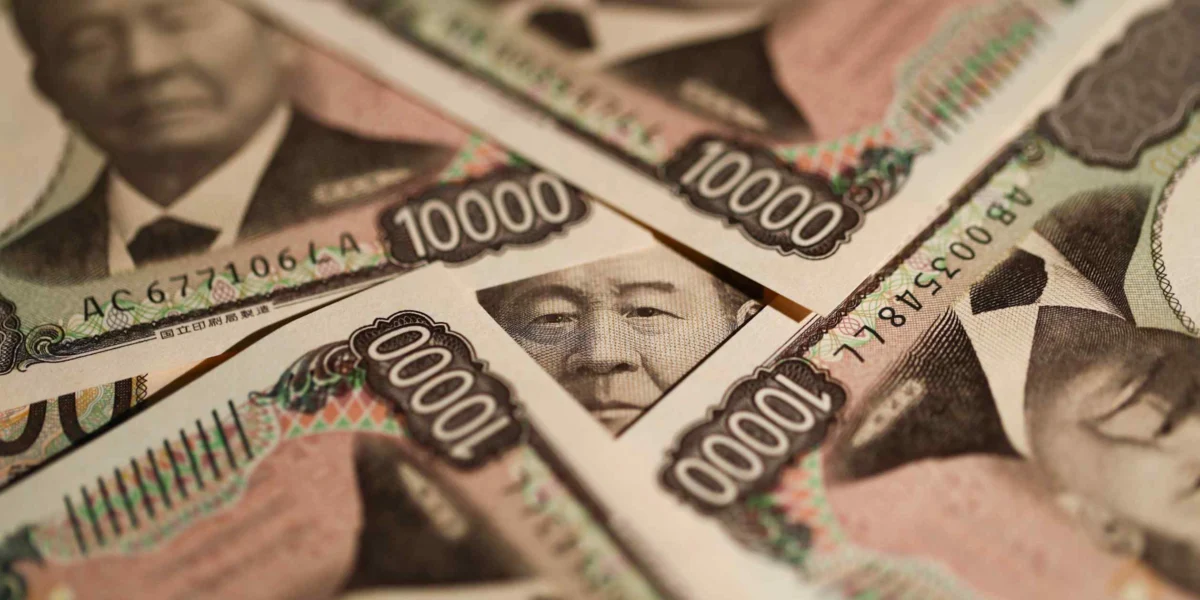
Annual interest payments on Japanese government bonds could more than triple by fiscal 2035, reaching an estimated 45.2 trillion yen ($286 billion), according to projections released by the Finance Ministry on Friday. This stark forecast assumes a significant surge in long-term borrowing costs, a development that carries substantial implications for Japan’s already strained public finances. The ministry’s warning underscores growing concerns about the sustainability of the nation’s debt burden and the potential erosion of market confidence.
The Looming Debt Spiral: Projections and Precedents
The Finance Ministry’s report, released on April 18, 2025, paints a concerning picture of the future trajectory of Japan’s debt servicing costs. The projected increase from current levels, which are considerably lower, signals a potential fiscal challenge of unprecedented scale. While the exact figures for current annual interest payments are not detailed in the initial release, the anticipated leap to ¥45.2 trillion by fiscal 2035 represents a more than threefold increase, a figure that would undoubtedly strain government budgets and necessitate difficult fiscal adjustments.
These projections are based on an assumption of a "sharp jump" in long-term borrowing costs. This implies a scenario where investors demand higher yields to hold Japanese government bonds (JGBs), reflecting increased perceived risk or a shift in monetary policy. Such a jump could be triggered by various factors, including rising inflation, a shift in global interest rate environments, or concerns about Japan’s economic outlook and fiscal health.
Historically, Japan has maintained remarkably low borrowing costs for decades, a testament to its status as a safe-haven asset and the Bank of Japan’s aggressive monetary easing policies. However, as the global economic landscape evolves and the Bank of Japan signals a potential normalization of its monetary policy, the era of ultra-low interest rates may be drawing to a close. This transition, while potentially beneficial for savers and the broader economy in the long run, poses a significant immediate challenge for a government heavily reliant on debt financing.
The Ripple Effect: Market Confidence and the Yen
Beyond the direct financial burden, the Finance Ministry’s warning also highlights a critical intangible risk: the potential erosion of market confidence. If investors begin to doubt Japan’s ability to manage its debt or the long-term economic stability of the nation, it could lead to a loss of faith in the yen. The yen, traditionally a strong and stable currency, could experience significant depreciation, further exacerbating import costs and potentially fueling inflation.
The interconnectedness of Japan’s fiscal health and its currency is a crucial aspect of this warning. A weakening yen could make it more expensive for Japan to import essential goods, including energy and raw materials, impacting both consumers and businesses. This, in turn, could lead to further inflationary pressures, creating a vicious cycle where higher borrowing costs are coupled with increased price levels.
The Finance Ministry’s explicit mention of the potential undermining of trust in the yen suggests a proactive effort to manage public perception and to signal the seriousness of the fiscal challenge. By highlighting this risk, they are likely aiming to foster a sense of urgency and to encourage broader discussions about fiscal sustainability and economic reforms.
Background Context: A Debt-Ridden Nation Navigating a Shifting Landscape
Japan has long been grappling with the highest level of public debt among developed nations, with its debt-to-GDP ratio consistently exceeding 250%. This has been a persistent concern for economists and policymakers, although for many years, the low interest rate environment allowed the government to manage this debt with relative ease. The annual interest payments, while substantial in absolute terms, remained a manageable percentage of the national budget.
The Bank of Japan’s prolonged period of quantitative easing and negative interest rates played a pivotal role in keeping borrowing costs for the government exceptionally low. This policy was implemented to combat deflation and stimulate economic growth, but it also created a dependency on ultra-loose monetary conditions.
However, recent global economic shifts, including rising inflation in many advanced economies and the aggressive interest rate hikes by central banks like the US Federal Reserve and the European Central Bank, have put pressure on the Bank of Japan to reconsider its stance. While the BoJ has been cautious in its approach, the prospect of a gradual normalization of monetary policy, including potential interest rate hikes, is increasingly becoming a reality. This shift, coupled with the ongoing need for government spending to address social challenges such as an aging population and disaster recovery, creates a complex and challenging fiscal environment.
Timeline of Concern: From Decades of Low Rates to Future Fiscal Strain
The current situation is the culmination of decades of economic policy and global market developments.
- Late 20th Century: Japan experienced a period of rapid economic growth followed by a financial crisis and a prolonged period of economic stagnation, often referred to as the "lost decades."
- Early 2000s: The Bank of Japan began to implement aggressive monetary easing policies to combat deflation and stimulate growth.
- 2013 onwards: Under Governor Haruhiko Kuroda, the BoJ embarked on a massive quantitative and qualitative easing program, including negative interest rates and yield curve control, to achieve its 2% inflation target. This period saw JGB yields reach historic lows.
- Late 2022 – Early 2023: Global inflation surged, prompting major central banks to embark on aggressive interest rate hikes. This created a divergence between Japanese and global interest rates, putting pressure on the yen.
- 2024: The Bank of Japan signals a potential shift away from negative interest rates and ultra-loose monetary policy, raising concerns about future borrowing costs for the Japanese government.
- April 18, 2025: The Finance Ministry releases projections forecasting a more than threefold increase in annual JGB interest payments by fiscal 2035, warning of significant fiscal strain and potential erosion of market confidence.
This timeline illustrates how Japan’s fiscal situation has been shaped by both domestic policy choices and evolving global economic conditions. The current warning from the Finance Ministry signifies a recognition that the long-standing environment of ultra-low borrowing costs may be unsustainable in the medium to long term.
Supporting Data and Broader Economic Implications
To understand the magnitude of the projected increase, it is helpful to consider the components of government debt servicing. Annual interest payments on JGBs are a direct outflow from the national budget, diverting funds that could otherwise be allocated to public services, infrastructure investment, or deficit reduction.
While specific current annual interest payment figures for JGBs are not provided in the initial announcement, a substantial increase to ¥45.2 trillion by fiscal 2035 would represent a significant portion of the national budget. For context, Japan’s total government spending in fiscal year 2023 was approximately ¥114 trillion. A jump in interest payments to ¥45.2 trillion would mean that over 40% of the government’s total expenditure could be dedicated solely to servicing its debt, a scenario that would severely limit fiscal flexibility.
The implications of such a scenario are far-reaching:
- Fiscal Austerity: To manage the increased debt servicing costs, the government may be forced to implement significant spending cuts across various sectors, potentially impacting social welfare programs, education, healthcare, and infrastructure development.
- Tax Increases: Alternatively, or in conjunction with spending cuts, the government might resort to raising taxes to shore up its finances. This could dampen economic activity and consumer spending.
- Reduced Investment: Higher debt servicing obligations could crowd out public investment in areas crucial for long-term economic growth and competitiveness, such as research and development, green technology, and digital transformation.
- Intergenerational Equity: A significant portion of the debt burden will fall on future generations. If current governments do not adequately address the fiscal challenges, future generations will inherit a more precarious financial situation.
- Economic Growth Constraints: The need to service a large and growing debt burden can act as a drag on economic growth, as resources are diverted from productive investments to debt repayment.
Official Responses and Policy Considerations
The Finance Ministry’s warning is not merely a statistical projection; it is a call to action. While specific policy proposals are not detailed in the initial release, the ministry’s statement implies a need for a multi-pronged approach.
Inferred reactions from related parties, such as other government ministries and economic think tanks, would likely include:
- Ministry of Economy, Trade and Industry (METI): Likely to emphasize the need for policies that promote economic growth and export competitiveness to generate higher tax revenues and improve the debt-to-GDP ratio. They might also advocate for investments in industries that can drive future growth and innovation.
- Economic Research Institutes: Would likely analyze the projections in detail, providing independent assessments of the risks and potential policy responses. They might offer recommendations on fiscal consolidation strategies, structural reforms, and monetary policy coordination.
- Opposition Parties: Could use the projections to criticize the government’s fiscal management and call for greater accountability and more robust deficit reduction plans.
The Finance Ministry’s warning serves as a crucial signal to markets and the public that the current fiscal path may not be sustainable in the long run. It underscores the importance of fiscal discipline, structural reforms, and policies aimed at fostering sustainable economic growth. The challenge for Japan will be to navigate this transition effectively, balancing the need for fiscal prudence with the imperative to support economic activity and maintain social stability. The coming years will likely see intense debate and policy adjustments as Japan confronts the looming reality of higher borrowing costs and the need to secure its long-term fiscal health.
