

The eight-year tenure of California Governor Gavin Newsom has been inextricably linked to the state’s escalating wildfire crisis, a period marked by catastrophic loss of life, the bankruptcy of the nation’s largest utility, and a persistent debate over who should bear the financial burden of climate-driven disasters. As Newsom enters the final stretch of his governorship, he is spearheading a controversial legislative push to overhaul how the state handles wildfire liability. The proposal aims to shield investor-owned utilities from crippling financial claims while attempting to stabilize electricity rates that have become some of the highest in the United States.
The timing of this legislative maneuver is critical. With the current session scheduled to adjourn on August 31, Newsom is working to broker a deal that would fundamentally alter the legal and financial landscape for utilities like Pacific Gas & Electric (PG&E), Southern California Edison (SCE), and San Diego Gas & Electric (SDG&E). The governor’s administration argues that without these reforms, the state’s energy grid remains at risk of financial instability, which could further drive up costs for consumers and impede the state’s ambitious transition to renewable energy.
A Legacy Defined by Fire: A Chronology of Crisis
Governor Newsom’s relationship with California’s utilities began under the most harrowing of circumstances. In November 2018, just two days after he was elected to his first term, the Camp Fire ignited in Butte County. It became the deadliest and most destructive wildfire in California history, claiming 85 lives and leveling the town of Paradise. Investigators quickly traced the cause to a faulty transmission line owned by PG&E.
By the time Newsom was inaugurated in January 2019, PG&E was reeling from tens of billions of dollars in potential liabilities, eventually leading the company to file for Chapter 11 bankruptcy protection. This collapse forced the Newsom administration to intervene early, resulting in the passage of Assembly Bill 1054 in July 2019. That legislation created a $21 billion wildfire insurance fund, financed equally by utility shareholders and ratepayers, designed to provide a safety net for utilities that meet specific safety certifications.
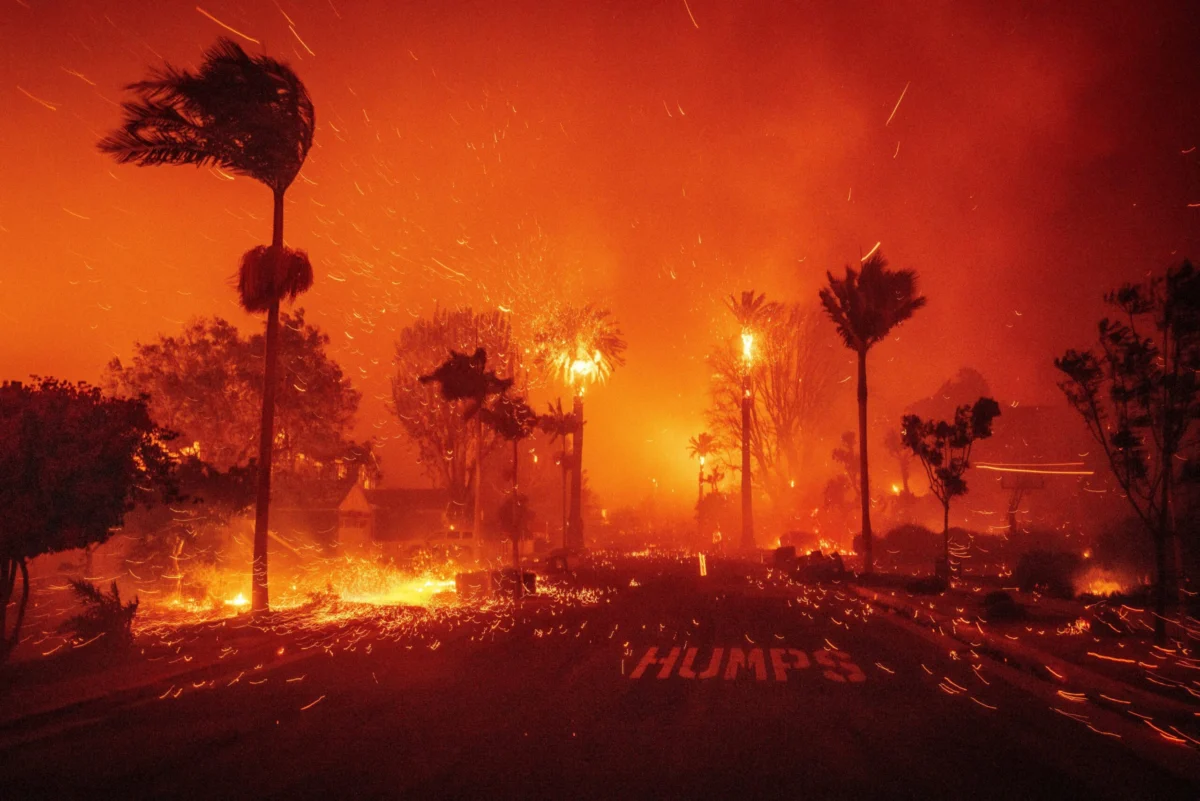
However, the relief provided by AB 1054 was intended to be a long-term solution that is now being tested sooner than anticipated. In early 2025, the Eaton Fire ravaged neighborhoods outside of Los Angeles, resulting in 19 fatalities and the destruction of hundreds of homes. Earlier this month, state investigators concluded that the blaze was sparked by equipment owned by Southern California Edison. This finding has reignited the debate over utility accountability, as the claims from the Eaton Fire threaten to deplete the state’s wildfire fund faster than actuarial models had predicted.
The Economic Burden: Rising Rates and Strict Liability
At the heart of the current legislative battle is California’s unique legal doctrine of "inverse condemnation." Under this standard, utilities in California are held strictly liable for damages caused by their equipment, regardless of whether the company was found to be negligent or had followed all safety protocols. While this provides a direct path for victims to seek compensation, it has created a volatile financial environment for utilities in an era where climate change has made "mega-fires" a recurring reality.
The financial fallout of this legal framework is reflected in the monthly bills of California residents. According to data from the U.S. Energy Information Administration, California’s average residential electricity rates are approximately 32 to 35 cents per kilowatt-hour, nearly double the national average of roughly 16 cents. These rates have surged as utilities pass on the costs of "grid hardening"—such as burying power lines underground and installing covered conductors—as well as the costs of wildfire settlements and insurance premiums.
Newsom’s proposed reform seeks to mitigate these spikes by limiting the amount that electric and gas companies are required to pay to victims and, perhaps more significantly, to trial attorneys. By capping certain payouts and shifting the burden of property damage more heavily onto private insurance companies, the administration hopes to prevent utilities from needing to request further massive rate hikes from the California Public Utilities Commission (CPUC).
Key Provisions of the Newsom Proposal
While the full text of the legislation is still being finalized in the closing days of the session, the Governor’s office has outlined several core components of the plan:

- Subrogation Reform: The plan would limit the ability of insurance companies to seek full reimbursement from utilities for claims paid out to policyholders. This "subrogation" process currently allows insurers to recoup their losses from utilities, which proponents of the reform argue creates a circular flow of money that ultimately inflates utility rates.
- Executive Accountability: In an effort to address public anger over utility mismanagement, the plan would require utility CEOs to forfeit their annual bonuses if their company’s equipment is found to have caused a wildfire resulting in more than $1 billion in damages.
- Enhanced Fines: Utility shareholders could face fines of up to $10 million for violations of wildfire prevention requirements, ensuring that the financial pain is felt by investors rather than just ratepayers.
- Expedited Victim Payouts: The administration claims the reform will streamline the claims process, ensuring that survivors receive compensation more quickly than the years-long litigation process currently allows.
Divergent Reactions: Victims, Insurers, and Unions
The proposal has met with fierce resistance from various sectors, creating a complex political dynamic in Sacramento. Joy Chen, executive director of Every Fire Survivor’s Network, has emerged as a leading voice against the plan. During a recent virtual town hall, Chen characterized the proposal as a "massive transfer of liability" from for-profit monopolies to the victims of their negligence. Survivors argue that by limiting payouts, the state is effectively subsidizing utility companies at the expense of those who have lost their homes and loved ones.
The insurance industry is equally critical. Rex Frazier, president of the Personal Insurance Federation of California, warned that the plan could destabilize the state’s already fragile home insurance market. In recent years, major insurers like State Farm and Allstate have ceased or limited the writing of new policies in California, citing the increased risk of wildfires. Frazier argues that if insurers are unable to recoup losses from negligent utilities, they will be forced to raise premiums even further or exit the market entirely.
Conversely, the proposal has found support among organized labor and the utilities themselves. The California Professional Firefighters union issued a statement supporting the governor’s efforts to find a "fair balance." The union noted that the stability of the state’s utilities is essential for maintaining the infrastructure necessary for emergency response and the broader economic health of the state. The major utilities—PG&E, SCE, and SDG&E—have also lobbied heavily for the changes, arguing that the current "strict liability" model is unsustainable in the face of escalating climate risks.
Expert Analysis: The Climate Change Factor
Economists and energy experts suggest that California is at a crossroads regarding how it manages public risk. Meredith Fowlie, an economist and co-director of the Energy Institute at UC Berkeley, notes that while utilities are often the ignition source, the scale of modern wildfires is exacerbated by factors beyond their control.
"Utilities can start fires, but they don’t by themselves create catastrophe," Fowlie said. She pointed to decades of forest mismanagement, increased residential development in the wildland-urban interface (WUI), and extreme weather conditions fueled by climate change as contributing factors. Fowlie argues that the state must decide if it is fair to hold a single entity responsible for a "perfect storm" of conditions, or if the costs of recovery should be socialized across the entire population.
According to data from CAL FIRE, six of the ten most destructive wildfires in California history have occurred during Newsom’s time in office, and the majority of those were linked to utility equipment. This trend suggests that "grid hardening" alone may not be enough to prevent future disasters, making the financial framework for recovery a permanent fixture of state policy.
Political Stakes and the Road Ahead
For Governor Newsom, the resolution of this issue is central to his political legacy. Often mentioned as a potential contender for the presidency in 2028, Newsom is keen to demonstrate that he can manage California’s most intractable problems without leaving a "mess" for his successor. However, the optics of a plan that appears to favor large utilities over fire victims could provide ammunition for political rivals.
If the Legislature fails to reach an agreement by the August 31 deadline, Newsom has signaled that he is prepared to call a special legislative session. This would force lawmakers to return to Sacramento specifically to address utility liability and insurance reform, a move that underscores the governor’s sense of urgency.
As the debate continues, the fundamental question remains: In an era of unprecedented environmental volatility, how does a state ensure the survival of its essential services while protecting its most vulnerable citizens? The answer to that question will not only determine the future of California’s power grid but will also serve as a blueprint for other states facing the growing costs of the climate crisis.
