

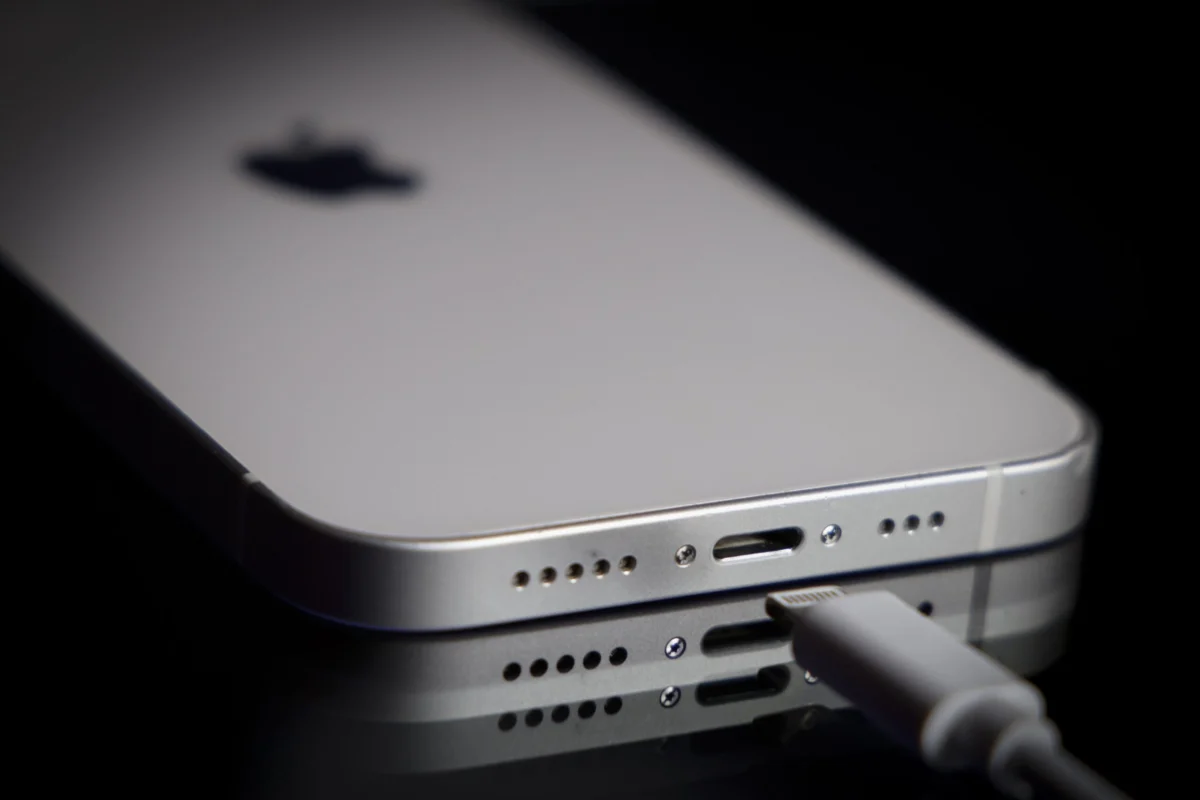
Cupertino, California – Apple Inc. is poised to significantly reshape its device acquisition strategy with the imminent launch of "Apple Upgrade," a new lease-to-own program developed in collaboration with deferred payment processor Klarna. The initiative, first reported by Bloomberg on Tuesday, is slated to commence next Tuesday, July 21, 2026, marking a pivotal expansion of Apple’s consumer financing options across its product ecosystem. This strategic move is designed to make Apple’s premium hardware more accessible to a broader consumer base, particularly as the company navigates persistent supply chain challenges and recent price adjustments.
Unpacking the "Apple Upgrade" Program
The "Apple Upgrade" program represents a substantial evolution from Apple’s existing financing mechanisms, offering consumers a flexible pathway to access the latest iPhones, iPads, Macs, and Apple Watches. Under the new scheme, customers will be able to acquire these devices through multi-year payment plans, effectively transitioning from a traditional outright purchase model or installment loan to a lease-to-own framework.
Specific lease terms outlined in the Bloomberg report indicate a maximum duration of 24 months for iPhones and Apple Watches, aligning with typical upgrade cycles for these personal devices. For the more substantial computing platforms, Macs and iPads, the program extends to a maximum of 36 months, acknowledging their longer utility lifespans. A core feature of "Apple Upgrade," and indeed its namesake, is the flexibility afforded at the conclusion of the leasing period. Customers will have the option to either retain their device, effectively completing a lease-to-own arrangement, return it, or upgrade to a newer model. This inherent flexibility is intended to drive recurring engagement and maintain a steady upgrade cadence within Apple’s vast user base.
One detail that has garnered attention is the vague mention that "transactions will incur an additional fee" in some cases. While specifics remain undisclosed, industry analysts speculate this could refer to a residual value payment if the user opts to keep the device at the end of the lease, an early upgrade fee, or potentially charges associated with the condition of a returned device. Transparency regarding these potential fees will be crucial for consumer adoption and satisfaction.
The introduction of "Apple Upgrade" is set to supersede, or at least significantly broaden the scope of, the existing iPhone Upgrade Program. Apple’s intention to halt new customer sign-ups for the dedicated iPhone program underscores a strategic pivot towards a more inclusive, ecosystem-wide leasing solution. The partnership with Klarna, a prominent player in the "Buy Now, Pay Later" (BNPL) space, is central to this expansion, leveraging Klarna’s established payment infrastructure and customer base to facilitate the program’s rollout and management.
Strategic Imperatives: Addressing Market Headwinds and Consumer Behavior
Apple’s decision to launch such a comprehensive leasing program is not merely an incremental enhancement but a strategic response to a confluence of market forces. The company has been grappling with several significant challenges that necessitate innovative approaches to maintain sales momentum and market dominance.
1. The "RAMageddon" and Supply Chain Disruptions:
A primary driver behind this strategic pivot is the ongoing "RAMageddon," an industry-wide shortage of memory chips that has plagued the technology sector for over a year. This scarcity, particularly impacting Dynamic Random-Access Memory (DRAM) and NAND flash memory, has been exacerbated by an insatiable demand from the burgeoning artificial intelligence industry. AI applications, from large language models to advanced machine learning systems, require vast quantities of high-performance memory, effectively monopolizing a significant portion of global chip production capacity. This imbalance has led to upward pressure on hardware component costs and, consequently, retail prices for consumer electronics.
The ripple effects of this shortage have been profound for Apple, a company renowned for its tightly managed supply chain. Production constraints and increased component costs have directly impacted the availability and pricing of its devices. For instance, reports indicate that the memory chip shortage has contributed to longer lead times for certain Mac configurations and has constrained iPad production.
2. Mitigating Price Hikes and Enhancing Affordability:
In direct response to these escalating production costs, Apple recently announced price increases for its Mac and iPad product lines. While the iPhone was initially spared from these adjustments, the overall trend points to a future where premium devices become even more expensive. The "Apple Upgrade" program is unequivocally designed to make these higher prices more palatable to consumers. By breaking down the substantial upfront cost of an Apple device into manageable monthly payments, the program lowers the barrier to entry, ensuring that affordability does not become a deterrent to purchasing the latest technology. This strategy aims to sustain sales volumes even as the sticker price of individual units increases.
3. Lengthening Upgrade Cycles and Revenue Stability:
Beyond the immediate challenges of supply and pricing, Apple has observed a gradual lengthening of upgrade cycles for its devices, particularly iPhones. Consumers are holding onto their smartphones for longer periods, often three years or more, before replacing them. This trend, driven by improved device durability, slower perceived innovation, and economic pressures, can impact Apple’s hardware revenue growth. A lease-to-own program, with its built-in options for upgrade or return, subtly encourages a more consistent refresh cycle. It transforms what was once a large, infrequent capital expenditure into a predictable monthly operating expense, fostering a subscription-like relationship with the customer and contributing to more stable, recurring revenue streams for Apple. This aligns with Apple’s broader strategic focus on expanding its services division, which has been a significant growth engine in recent years.
The Klarna Partnership: A Synergistic Alliance
The selection of Klarna as Apple’s partner for this ambitious program is highly strategic. Klarna, a Swedish fintech company, has emerged as a global leader in the "Buy Now, Pay Later" (BNPL) segment, offering installment payment solutions across a vast network of retailers. Its platform is renowned for its user-friendly interface, rapid credit assessment, and seamless integration capabilities.
For Klarna, this partnership represents a monumental validation of its business model and a significant expansion of its market reach. Aligning with a brand of Apple’s stature not only elevates Klarna’s profile but also solidifies its position as a trusted financial partner in the high-value consumer electronics market. The partnership will expose Klarna’s services to millions of Apple customers, potentially driving substantial growth for the fintech giant.
From Apple’s perspective, Klarna brings several advantages:
- Established Infrastructure: Klarna’s robust payment processing and credit assessment infrastructure can handle the volume and complexity of a global leasing program.
- Consumer Trust: Despite some regulatory scrutiny faced by the BNPL sector, Klarna has built a strong brand presence and a degree of consumer trust, particularly among younger demographics accustomed to flexible payment options.
- Global Reach: Klarna operates in numerous markets worldwide, facilitating a broader international rollout of "Apple Upgrade" than Apple might achieve alone with its existing financing channels.
- Reduced Credit Risk for Apple: By leveraging Klarna’s expertise in credit underwriting and payment collection, Apple can potentially offload some of the credit risk associated with extending financing to a vast customer base.
Broader Context: Apple in Transition
The launch of "Apple Upgrade" occurs during a particularly dynamic and transitional period for Apple, underscoring its strategic importance. The company is currently undergoing significant leadership changes and navigating complex legal and competitive landscapes.
Leadership Transition:
The tech giant recently welcomed John Ternus as its new CEO, succeeding the long-serving Tim Cook. Ternus, who previously headed hardware engineering, inherits a company facing both immense opportunities and considerable challenges. His leadership is expected to maintain Apple’s commitment to innovation and premium product design, while also steering the company through evolving market dynamics. The "Apple Upgrade" program can be seen as an early strategic initiative under his nascent tenure, aiming to solidify Apple’s revenue base and customer loyalty.
Legal and Competitive Battles:
Concurrently, Apple has made headlines for its decision to enter into a legal dispute with AI startup superstar OpenAI. The lawsuit, alleging trade secret theft, highlights Apple’s aggressive stance in protecting its intellectual property and its strategic positioning in the rapidly advancing field of artificial intelligence. This legal battle, alongside ongoing scrutiny from antitrust regulators globally, adds another layer of complexity to Apple’s operational environment.
In this context, initiatives like "Apple Upgrade" are critical. They represent a conservative yet impactful move designed to shore up sales, maintain customer engagement, and ensure the company remains on a trajectory of sustained growth. By providing flexible acquisition options, Apple aims to reinforce its ecosystem’s appeal, mitigate the impact of external economic pressures, and consolidate its market leadership amidst a landscape marked by technological evolution and heightened competition.
Anticipated Impact and Future Outlook
The "Apple Upgrade" program is expected to have multifaceted impacts on Apple, the broader consumer electronics market, and consumer behavior.
For Apple:
- Sales Boost and Revenue Stability: The primary goal is to stimulate sales and provide a more predictable revenue stream, particularly crucial during periods of economic uncertainty or device price inflation.
- Enhanced Customer Loyalty: By offering a perpetual upgrade path and making devices more accessible, Apple aims to further entrench customers within its ecosystem, increasing lifetime value.
- Increased Services Engagement: Customers within the leasing program are more likely to subscribe to Apple’s various services (Apple Music, iCloud, Apple Arcade, Apple TV+, etc.), boosting this critical growth segment.
- Sustainability Initiatives: The option to return devices at the end of the lease term could significantly bolster Apple’s recycling and refurbishment programs, aligning with its environmental sustainability goals.
For Consumers:
- Greater Affordability and Accessibility: Lower monthly payments will enable more consumers to access the latest Apple technology, potentially closing the affordability gap for high-end devices.
- Reduced Financial Burden: Spreading the cost over multiple years can ease the upfront financial burden, making premium tech less of a luxury and more of an accessible tool.
- Convenience and Flexibility: The ability to keep, return, or upgrade offers unparalleled flexibility, catering to diverse consumer needs and preferences.
- Potential for Debt Accumulation: As with any BNPL or leasing program, there is a potential risk of consumers overextending themselves financially, particularly if the "additional fees" are not fully transparent or well understood.
Broader Market Implications:
- Shift to "Access-over-Ownership": The program could accelerate a broader industry trend towards subscription-like models for high-value consumer goods, moving away from outright ownership.
- Competitive Response: Competitors in the smartphone, tablet, and PC markets may be compelled to introduce similar leasing or financing options to remain competitive.
- Regulatory Scrutiny on BNPL: The high-profile nature of this partnership may draw increased attention from financial regulators to the BNPL sector, potentially leading to enhanced consumer protection measures and stricter oversight of leasing agreements.
In conclusion, the "Apple Upgrade" program, powered by Klarna, represents a calculated and significant strategic maneuver by Apple. It addresses immediate challenges related to supply chain disruptions and rising costs while simultaneously laying groundwork for future revenue stability and deeper customer integration. As the program officially launches next week, the industry will be watching closely to see how this initiative reshapes device acquisition and solidifies Apple’s position in an increasingly competitive and complex global market.
