

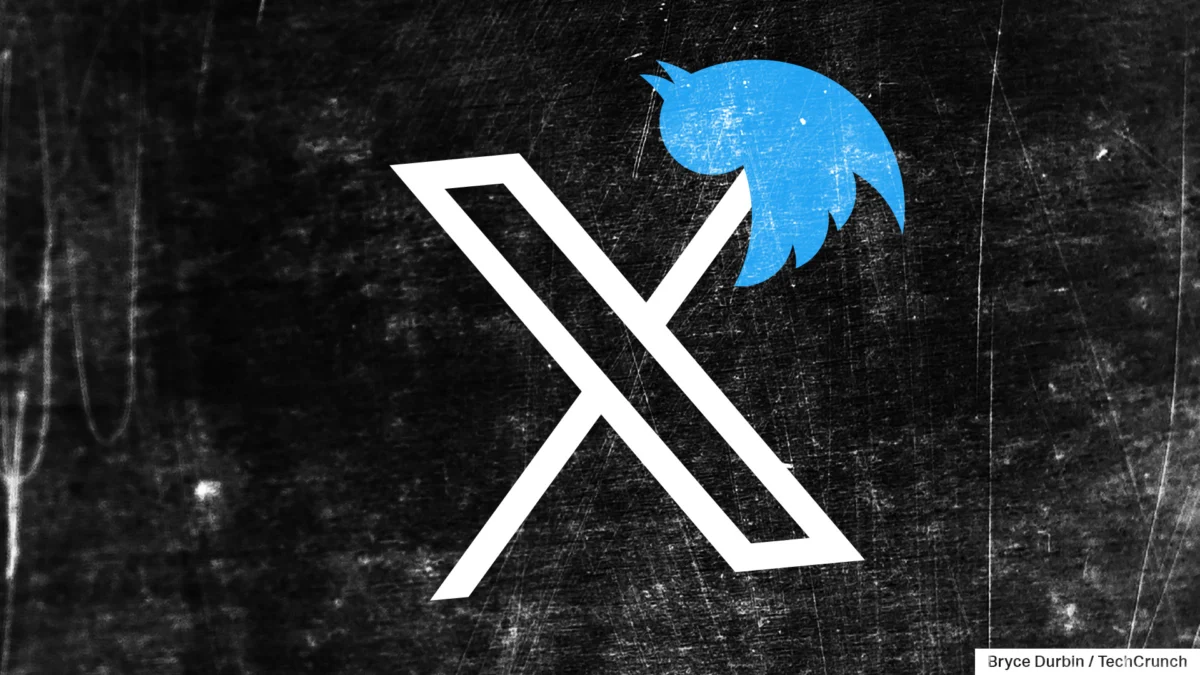
A federal court in Delaware has issued a nuanced ruling in a high-stakes trademark dispute between Elon Musk’s X Corp. and Operation Bluebird, a startup aspiring to launch a rival social network, creating significant implications for brand identity in the rapidly evolving digital landscape. While the court sided with X in barring Operation Bluebird from using the core "Twitter" trademark, it delivered a partial victory to the challenger by finding that X had likely abandoned two other highly recognizable, related trademarks: the evocative word "tweet" and the iconic Twitter bird logo. This decision has paved the way for Operation Bluebird to rebrand its platform as Tweet.app and commence its public launch, tapping into a reservoir of nostalgia and established brand recognition that X had sought to leave behind.
The Genesis of the Conflict: A Rebrand and a Reclamation Effort
The saga began with Elon Musk’s acquisition of Twitter in October 2022 for approximately $44 billion. The acquisition was quickly followed by a series of dramatic changes, culminating in the controversial rebranding of the social media platform from "Twitter" to "X" in July 2023. This strategic overhaul was part of Musk’s broader vision to transform the platform into an "everything app," moving beyond its microblogging origins. The rebrand involved not only a name change but also the wholesale replacement of the globally recognized blue bird logo with a stylized ‘X’ and an explicit directive to phase out terms like "tweet" in favor of "post" or "X’s." This move, however, was met with considerable user backlash and confusion, as the "Twitter" brand, "tweet," and the bird logo had become deeply embedded in popular culture and digital communication for over a decade.
It was into this environment of brand flux and user sentiment that Operation Bluebird emerged. The Virginia-based startup, originally launched under the name "Twitter.now," made no secret of its primary objective: to capitalize on the perceived abandonment of the cherished "Twitter" intellectual property. Its homepage candidly articulated this mission, stating its purpose was "to go back and pick up what Elon Musk dropped when he renamed the town square as X, and threw the bird away on his way out." This clear declaration of intent immediately set the stage for a legal confrontation.
The Legal Minds Behind Operation Bluebird
Operation Bluebird’s leadership underscores the strategic, legally-informed nature of its venture. The effort is spearheaded by two lawyers: founder Michael Peroff, based in Illinois, and Stephen Coates, who notably served as a trademark lawyer at Twitter prior to its acquisition by Musk. Their combined expertise in intellectual property law lends significant weight to their assertion of trademark abandonment. Given their backgrounds, the company’s stated interest in merely "building a new social network" has been viewed by many industry observers with skepticism, suggesting a more fundamental objective: to acquire valuable, culturally resonant trademarks that X Corp. had seemingly discarded. The intrinsic value of these trademarks, separate from any operational platform, could be substantial, representing years of brand building and user loyalty.
The Court’s Split Decision: A Preliminary Injunction’s Impact
The legal battle culminated in a request from X for a preliminary injunction, seeking to prevent Operation Bluebird from using a range of Twitter-related trademarks that the startup claimed had been abandoned. On [Insert Date of Ruling, if available, otherwise general timing as per article], U.S. District Court Judge Colm F. Connolly issued a split ruling that has sent ripples through the tech and intellectual property communities.
Judge Connolly granted X’s motion for a preliminary injunction concerning eight specific Twitter-related marks, effectively prohibiting Operation Bluebird from using the "Twitter" name itself and other closely associated branding elements. This decision affirmed X’s continued ownership and active defense of its core brand identity, even as it pivots to a new name. However, the judge delivered a significant setback to X by denying the injunction when it came to the "Tweet" mark and, crucially, the iconic Twitter bird logo.
In his detailed opinion, Judge Connolly articulated that Operation Bluebird was "likely to succeed in proving both that X Corp. discontinued the bona fide use of the Tweet mark and Bird logo and that it intends not to resume the use of the marks." This finding is critical, as it directly addresses the legal standard for trademark abandonment under U.S. law. For a trademark to be deemed abandoned, the owner must cease using the mark in commerce with the intent not to resume its use. X’s public pronouncements and systematic removal of the bird logo and the term "tweet" from its platform and marketing materials evidently satisfied the court, at this preliminary stage, that such intent and discontinuance were likely present.
Trademark Abandonment: A Complex Legal Landscape
The concept of trademark abandonment is a cornerstone of intellectual property law, designed to prevent owners from indefinitely holding rights to marks they no longer use, thereby stifling competition and innovation. Typically, non-use for three consecutive years can create a presumption of abandonment, though this can be rebutted. In the case of X, the speed and decisiveness of the rebrand to X, coupled with Musk’s explicit directives to eradicate the old branding, presented a compelling case for abandonment in a much shorter timeframe.
The judge’s ruling, while preliminary, highlights the immense challenge for companies undergoing radical rebrands, especially when the former brand elements are deeply ingrained in public consciousness and language. X’s desire to completely shed its Twitter identity, while understandable from a strategic standpoint, created a legal vulnerability. The "tweet" mark, in particular, transcended mere brand terminology to become a widely adopted verb, entering the global lexicon. This widespread public adoption, as Stephen Coates noted, underscores a cultural ownership that a corporation may struggle to reclaim once actively disavowed.
Operation Bluebird’s Resurgence: Tweet.app and its Business Model
Following the court’s decision, Operation Bluebird swiftly rebranded its platform from "Twitter.now" to "Tweet.app" and launched to the public. This strategic pivot allows them to legally leverage the newly available "tweet" name, immediately resonating with millions who still associate the term with microblogging and social interaction.
The startup reported impressive early engagement, with more than 172,000 people requesting a handle on the site even before its official launch. This surge in interest is largely attributed to the enduring affinity users hold for the "Twitter" brand and its associated nomenclature. Many users, disaffected by the changes at X, view Tweet.app as a potential spiritual successor or a refuge for the familiar.
Notably, Operation Bluebird has adopted an unconventional business model for a social network: it charges users $20 to reserve their handle and join the platform. This fee, while potentially limiting widespread adoption compared to free alternatives, serves multiple purposes. Firstly, it acts as a significant revenue stream, likely crucial for covering the substantial legal costs associated with challenging a tech behemoth like X. Secondly, it could be a mechanism to curate a more committed user base, or even to signal a premium, ad-free experience. However, the long-term viability of a paid social network in a market dominated by free platforms remains a key question for Tweet.app.
Statements and Reactions: The Battle for Narrative and Ownership
Stephen Coates, President of Operation Bluebird, articulated the company’s perspective with clarity: "They kept the word. They let go of the bird, and they let go of the tweet." He emphasized the public’s continued use of "tweet," arguing that the word’s survival despite corporate efforts to replace it indicates its true ownership lies with the public. "A tweet was never a corporation. It’s one person saying something. That word survived three years of a company trying to replace it, because the public declined to stop using it. We think that tells you who it belongs to," Coates stated, framing the legal battle as a fight for cultural and linguistic heritage.
While X Corp. has not issued an official public statement regarding the preliminary ruling, their legal filings would undoubtedly argue against the intent to abandon. Their strategy would likely emphasize that the rebrand was a forward-looking evolution, not a renunciation of all prior intellectual property. They might contend that while the primary use shifted, residual or future use of "tweet" or the bird logo for historical context or specific features might still be envisioned, thereby negating the intent to abandon. However, the court found this argument insufficient at the preliminary injunction stage for the specific marks in question.
Broader Implications and Future Trajectory
This preliminary ruling carries significant implications, not just for X and Operation Bluebird, but for the broader landscape of brand management, intellectual property law, and competitive dynamics in the tech industry.
-
Precedent for Rebranding: The decision serves as a cautionary tale for companies undertaking drastic rebrands. While a complete overhaul can refresh a brand, it also creates vulnerabilities, particularly when old brand elements hold strong public recognition and cultural resonance. The ruling suggests that merely declaring an intent to abandon might not be enough; the actions must consistently reflect that intent, and the public’s continued association with the old mark can be a powerful factor.
-
Value of Abandoned IP: It highlights the potential for "trademark squatting" or strategic reclamation efforts by competitors or opportunistic entities. The perceived value of "Twitter," "tweet," and the bird logo, estimated to be in the billions of dollars in brand equity prior to the rebrand, makes them attractive targets. This case demonstrates that even powerful companies can lose control over valuable assets if they are not vigilant or if their strategic moves inadvertently meet the criteria for abandonment.
-
Brand Confusion and User Experience: The emergence of Tweet.app, legally using "tweet" and potentially the bird logo, will undoubtedly lead to brand confusion among users. This could dilute X’s efforts to establish its new identity and potentially divert traffic and user attention, even if inadvertently, back to a platform evoking its past.
-
Ongoing Legal Battle: It is crucial to remember that Judge Connolly’s decision is not final. The case will now proceed to a full trial, where X will have the opportunity to present its complete case against the abandonment claims, and Operation Bluebird will seek to solidify its preliminary victory. The final outcome could still see the marks revert to X, or Operation Bluebird’s ownership be cemented. This legal marathon underscores the cost and complexity of intellectual property disputes in the digital age.
-
Cultural Impact of Language: The case also shines a light on the unique challenge of managing brands whose terminology has entered the common vernacular. "Tweet" is more than a trademark; it is a verb, a cultural touchstone. Companies must weigh the risks of trying to erase such deeply embedded linguistic elements against the potential for their reclamation by others.
In conclusion, the Delaware court’s preliminary ruling has carved out a unique space for Operation Bluebird to leverage the very brand elements X sought to erase. By granting the startup the likely right to use "tweet" and the iconic bird logo, the court has not only shaped the immediate future of two social media entities but has also sent a powerful message about the enduring power of brand recognition and the complex legalities of intellectual property abandonment in an era of rapid digital transformation. The final chapter of this legal and cultural tussle is yet to be written, promising further scrutiny of how companies manage their legacies in an ever-evolving online world.
