

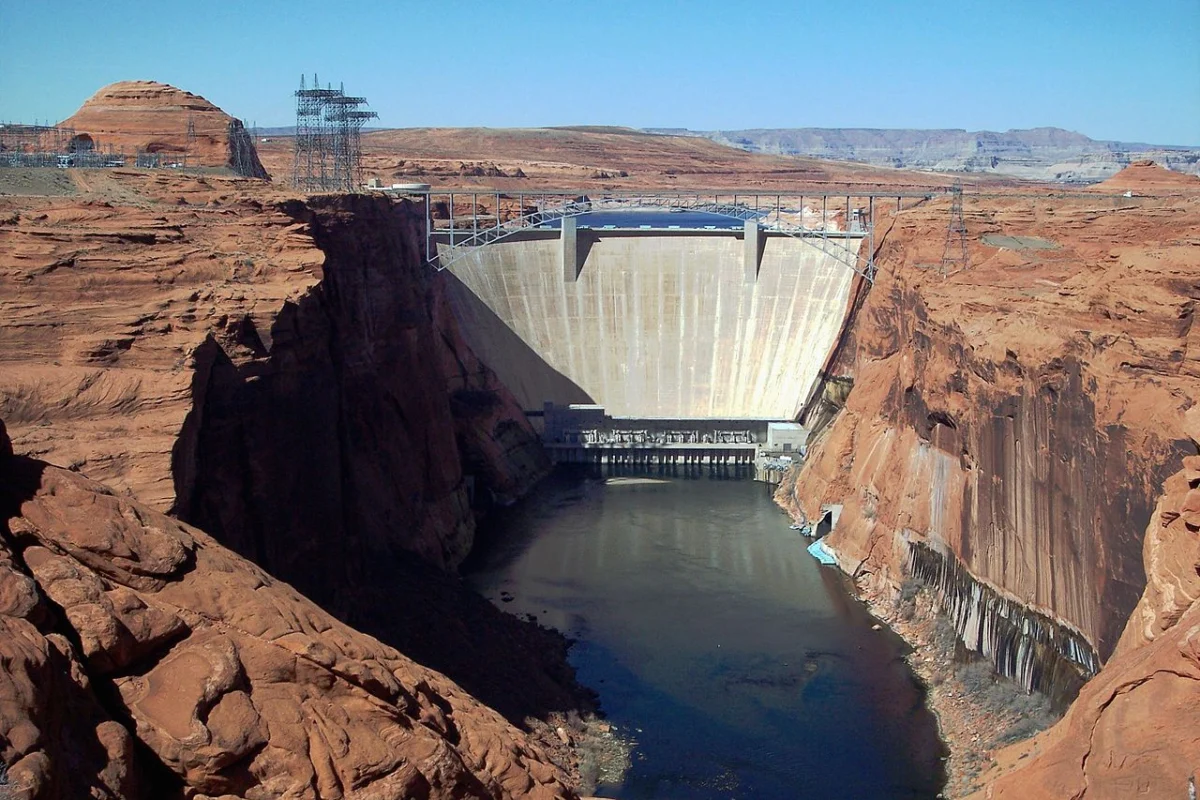
The United States hydropower fleet, a cornerstone of the nation’s renewable energy portfolio for over a century, is currently facing a period of unprecedented structural and systemic strain. With an average plant age approaching 80 years, the necessity for comprehensive rehabilitation and modernization has moved from a long-term goal to an immediate requirement for grid stability. However, a new report from the National Laboratory of the Rockies, titled Large Power Transformer Supply Chain Gap Analysis and Domestic Content Strategies for Hydropower Rehabilitation: Supplemental Report, warns that these critical upgrades are being stifled by a fractured supply chain, specifically regarding the procurement of large power transformers (LPTs).
As the nation seeks to decarbonize its electrical grid, hydropower remains a vital source of baseload power and flexible storage. Yet, the physical infrastructure that enables this generation is reaching the end of its projected operational life. The report highlights that while hydropower facilities are remarkably resilient—often operating for decades beyond their initial design life—this longevity has created a "double-edged sword." The lack of regular, predictable demand for components over the last century has led to a hollowing out of domestic manufacturing, leaving the U.S. dangerously dependent on foreign suppliers for the very equipment needed to keep the lights on.
The Critical Role and Scarcity of Large Power Transformers
Large power transformers are the unsung workhorses of the electrical grid. Their primary function in a hydropower setting is to "step up" the voltage produced by generators to the high levels required for long-distance transmission. Without functional LPTs, the electricity generated by falling water cannot reach the homes and industries that rely on it.
The demand for these massive units is surging not just within the hydropower sector, but across the entire energy industry. Grid modernization projects, the integration of intermittent wind and solar farms, and the massive power requirements of new data centers are all competing for a limited global supply of transformers. For hydropower operators, this competition is particularly fierce. Unlike standardized transformers used in some distribution networks, hydropower LPTs often require custom engineering to fit the specific footprint and output parameters of aging dams.
The National Laboratory of the Rockies report indicates that this surge in demand has led to a dramatic escalation in lead times. According to data from the U.S. Government Accountability Office (GAO), the timeline from purchase order to receipt for a standard LPT has ballooned from 12–18 months to 30–36 months. For projects requiring extra-high-voltage units, the wait can extend to five years. This delay effectively freezes modernization projects, as operators cannot begin significant physical teardowns of old equipment until they are certain a replacement is arriving.
Economic Pressures and Market Volatility
In addition to the physical unavailability of equipment, the hydropower industry is grappling with sharp price increases. The report notes that LPT prices in 2025 are projected to be 50% to 70% higher than they were in 2019. This inflation is driven by several factors, including the rising cost of raw materials, increased labor costs in manufacturing hubs, and the sheer imbalance between global supply and demand.
The "irregular and unpredictable forecast demand" mentioned in the report is a primary culprit for the lack of domestic investment. Because a hydropower plant might only need a major overhaul once every 50 to 80 years, manufacturers have historically found it difficult to justify the massive capital expenditure required to build or maintain LPT production lines in the United States. This has resulted in a market where more than 80% of U.S. demand for LPTs is satisfied through imports, primarily from Europe and Asia.
The Domestic Manufacturing Deficit and Raw Material Bottlenecks
A significant portion of the report focuses on why the United States cannot simply "build its way out" of this crisis in the short term. The primary bottleneck is located further upstream in the supply chain: the production of grain-oriented electrical steel (GOES). This specialized steel is essential for creating the magnetic cores of transformers.
While the U.S. does produce GOES, the report clarifies that domestic output is constrained in both the variety of grades and the total volume. High-efficiency transformers require specific high-grade electrical steel that is currently only available in sufficient quantities from manufacturers in Japan and South Korea. Furthermore, other essential components such as copper conductors, on-load tap changers, bushings, and specialized insulation materials face similar levels of import dependence.
Even as major industry players like Delta Star, Hitachi Energy, Pennsylvania Transformer, and Siemens Energy announce facility upgrades or new domestic capacity, the report argues these efforts may be insufficient. The sheer scale of the energy transition means that any new domestic capacity is immediately absorbed by the broader utility market, leaving specialized sectors like hydropower still struggling for priority. Currently, only a handful of facilities globally possess the specialized equipment and expertise to manufacture extra-high-voltage units exceeding 400 MVA.
Logistical Challenges in Remote Environments
Hydropower facilities present unique logistical hurdles that do not typically affect other forms of power generation. Many of the nation’s largest dams are located in remote, mountainous regions or deep within river canyons. Transporting a large power transformer—which can weigh between 100 and 400 tons—to these sites is a feat of engineering in itself.
The report highlights that logistics can represent anywhere from 3% to 20% of the total cost of a transformer. Moving these "delicate giants" requires specialized multi-axle trailers, bridge reinforcements, and occasionally the use of barges or temporary rail spurs. Navigating restrictive mountain passes or aging rural bridges adds layers of complexity and risk. A single logistical failure can result in damage to a multi-million-dollar component that already took three years to procure, potentially setting a rehabilitation project back by another half-decade.
The problem extends beyond transformers to other secondary components. For Pumped Storage Hydropower (PSH) facilities—which act as massive "water batteries" for the grid—the shortage of large-scale turbines and hydrogenerators is equally acute. The report notes that there are currently zero domestic suppliers of hydrogenerators larger than 20 MW, and only a few U.S. facilities are capable of forging the massive shafts or runners (exceeding 10 tons) required for these plants.
Policy Frameworks and Domestic Content Incentives
To combat these systemic issues, the federal government has introduced a series of legislative measures aimed at incentivizing domestic production. The report analyzes the impact of the domestic content bonus established under the Inflation Reduction Act (IRA) and subsequently modified by the Big Beautiful Bill Act (OBBBA). These policies provide an additional 10 percentage points of credit value for energy projects that meet specific domestic sourcing requirements.
In May 2024, the Internal Revenue Service (IRS) issued Notice 2024-41, which provided a "safe harbor" table to help hydropower and PSH projects qualify for these bonuses. Under this framework, projects must source 100% of their iron and steel from the U.S., and manufactured products must meet a domestic cost threshold that starts at 40% in 2024 and climbs to 55% by 2029.
While generator step-up transformers were specifically identified as qualifying manufactured products, the report points out a lingering "ambiguity" in the framework. Many hydropower-specific components, such as large turbines and governors, still lack clearly defined cost percentages in the safe harbor guidelines. This leaves developers in a difficult position, unsure if their massive investments will ultimately qualify for the tax credits necessary to make the projects financially viable.
Furthermore, the OBBBA has tightened restrictions on procurement from "foreign entities of concern" (FEOC), including China, Russia, North Korea, and Iran, for projects beginning construction in 2026 or later. While intended to bolster national security and domestic industry, these restrictions could further tighten the available supply of components in the short term.
Strategic Outlook and Industry Mitigation
In the absence of a robust domestic supply chain, hydropower operators have begun adopting "stopgap" measures to mitigate risk. These include:
- Early Procurement: Ordering transformers and long-lead items years before a project is officially slated to begin.
- Spare Unit Sharing: Collaborative agreements between utilities to share a pool of spare transformers in case of emergency failures.
- Phased Modernization: Breaking down large-scale rehabilitations into smaller phases to spread out the demand for components and capital.
However, the National Laboratory of the Rockies concludes that these measures are merely "band-aids" for a systemic wound. The report argues that the only sustainable path forward is a coordinated, long-term effort between the federal government, private industry, and public utilities to reestablish domestic expertise.
The implications are clear: if the U.S. cannot resolve its transformer and hydropower supply chain issues, the nation risks losing its most reliable source of renewable baseload power. As the fleet continues to age, the window for proactive rehabilitation is closing, potentially leading to a scenario where facilities are forced offline not by choice, but by mechanical failure and the inability to source a replacement. The transition to a clean energy future depends not just on new technologies, but on the successful preservation and modernization of the massive hydropower infrastructure built by previous generations.
