

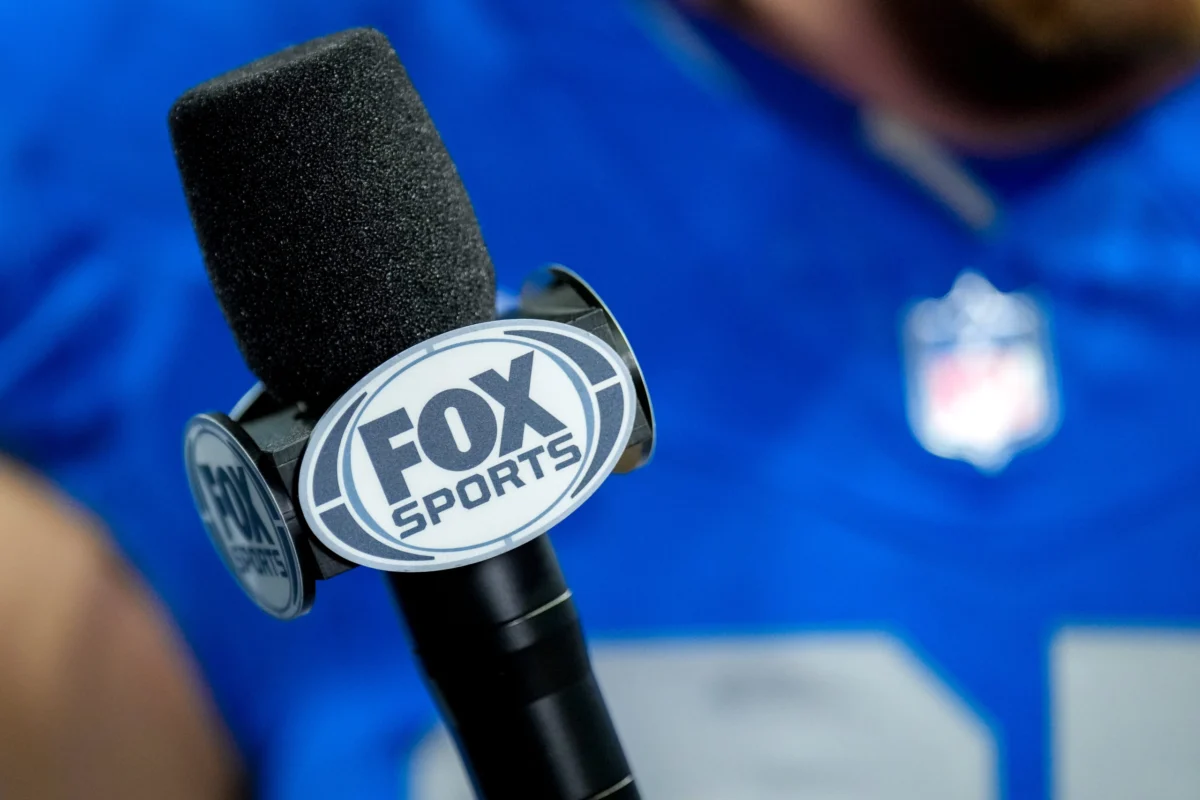
In a significant development that underscores the evolving dynamics of sports media rights, Fox Corporation has signaled its intent to defer any renegotiation of its National Football League (NFL) media rights deal until closer to the 2030 season. This decision, announced by Chief Executive Officer Lachlan Murdoch during a recent earnings conference call, comes despite preliminary discussions with the league aimed at eliminating existing opt-out clauses and securing higher annual payments. The move sets the stage for a strategic standoff, with the NFL eager to capitalize on escalating media valuations and its broadcast partners exercising prudence in a rapidly changing landscape.
Fox’s Strategic Stance Amidst League Pressure
Lachlan Murdoch articulated Fox’s position with clarity, stating that while "thorough and productive discussions with the league" had taken place, Fox would "not be making any amendments to our existing contractual relationship, which extends to the completion of the 2029 season." He further emphasized that the network would be prepared to engage with the NFL regarding the opt-out seasons and beyond "at a date closer to the 2030 season, which has been the customary timetable." This assertion highlights Fox’s commitment to the terms of its current agreement, which provides the league with an opt-out clause at the end of the 2029-30 season for most partners. Without the exercise of this opt-out, Fox and Paramount’s (CBS) deals with the NFL would automatically extend until the conclusion of the 2033-34 season.
For Fox, maintaining the current deal structure until its natural inflection point offers several strategic advantages. It allows the company to preserve its existing financial commitments and avoid an immediate, potentially substantial, increase in rights fees. The media landscape is in constant flux, with new players emerging and viewership habits shifting. By waiting, Fox can better assess market conditions, technological advancements, and the competitive environment before committing to a long-term, potentially more expensive, agreement. This approach aligns with a broader industry trend where traditional broadcasters are navigating the balance between securing premium content and managing escalating costs in an era of digital disruption.
The NFL’s Ambitious Pursuit of Higher Valuations
The NFL’s motivation for initiating early renegotiations is rooted in its belief that its media rights are currently undervalued. Commissioner Roger Goodell has publicly expressed this sentiment, particularly in light of recent landmark deals in other professional sports. The most prominent example is the National Basketball Association’s (NBA) new 11-year media rights deal, struck in 2024, reportedly worth an astounding $77 billion. This massive increase in revenue for the NBA serves as a compelling benchmark for the NFL, which consistently delivers the highest viewership numbers in American television.
The NFL’s current media rights deal, signed in 2021, was a colossal undertaking itself, valued at more than $100 billion over its duration. This comprehensive agreement saw commitments from traditional broadcasters like Fox, CBS, NBC, and ESPN/ABC, alongside a groundbreaking streaming-only package with Amazon for Thursday Night Football. Despite this record-breaking sum, the league perceives an opportunity to further enhance its revenue streams, driven by its unparalleled reach and engagement. Preliminary discussions with partners like Paramount (CBS) reportedly involved the NFL seeking an increase of nearly $1 billion per year in rights costs in exchange for guaranteeing carriage on CBS until 2034 and eliminating the opt-out clause. The league’s desire to remove these opt-out provisions stems from a strategy to secure long-term financial stability and mitigate potential market volatility, while simultaneously locking in higher annual payments.
A Shifting Media Landscape and the Rise of New Players
The backdrop to these negotiations is a rapidly transforming media ecosystem. Live sports remain one of the few "DVR-proof" forms of entertainment, making them incredibly valuable to broadcasters and streamers alike. This demand has fueled a dramatic escalation in rights fees across various sports leagues globally.
Historically, the NFL has been a cornerstone for linear television networks, driving advertising revenue and attracting massive audiences. For decades, NFL programming has consistently dominated television ratings, often accounting for a significant portion of the most-watched broadcasts each year. For instance, NFL games frequently occupy 90% or more of the top 100 most-watched television programs annually, a testament to its enduring popularity and cultural significance. This unparalleled viewership makes NFL content a crucial asset for any network looking to maintain market share and attract advertisers.
However, the advent of streaming services has introduced new, deep-pocketed players into the bidding wars. Companies like Amazon, Google (via YouTube), and Apple have entered the fray, demonstrating a willingness to pay premium prices for exclusive sports content to drive subscriptions and engagement on their platforms. The NFL has embraced this diversification, adding YouTube as a partner for its Sunday Ticket package and exploring opportunities with other digital platforms, including Netflix for specific programming, as it seeks to expand its reach and maximize revenue across all distribution channels. This increased competition from tech giants puts additional pressure on traditional broadcasters, who must balance the desire to retain prime NFL content with the financial realities of their business models.
Chronology of Key Deals and Discussions
To understand the current impasse, it’s essential to review the recent history of NFL media rights:
- March 2021: The NFL finalized its monumental 11-year media rights deals, valued at over $100 billion. This package extended partnerships with Fox, CBS, NBC, and ESPN/ABC through the 2033 season, and introduced Amazon as the exclusive streaming partner for Thursday Night Football. These agreements were designed to provide stability for the league and its media partners for over a decade.
- 2024: The NBA concluded its own significant media rights negotiations, securing an estimated $77 billion over 11 years. This deal, reportedly involving Amazon, ESPN, and NBC, set a new benchmark for sports media valuations and undoubtedly influenced the NFL’s perception of its own rights value.
- Late 2024 / Early 2025: The NFL initiated preliminary discussions with several of its media partners, including Fox and Paramount (CBS), about potentially renegotiating their existing deals. The primary objectives for the league were to eliminate the opt-out clauses scheduled for the 2029-30 season and secure an increase in the annual rights fees.
- March 2025 (Implied): CNBC reported on the specifics of these early talks, noting the NFL’s pursuit of a nearly $1 billion per year increase from Paramount in exchange for long-term carriage and removal of the opt-out.
- March 2025 (Implied): During an earnings conference call, Lachlan Murdoch publicly announced Fox’s decision to decline early renegotiation, opting to adhere to the current contract’s terms until closer to the 2030 opt-out window.
- March 2025 (Implied): Separately, Disney Chief Financial Officer Hugh Johnston indicated that the NFL had not approached Disney regarding early renegotiation of its ESPN/ABC deal, stating that Disney felt it had "pretty much all the sports rights that we need locked up into the 2030s."
- End of 2029-30 Season: The contractual period when the NFL has the option to walk away from its deals with most partners (Fox, CBS, NBC, Amazon). Disney’s deal has an additional year of security.
- 2030 Season: The timeframe Fox has designated for engaging in new discussions with the NFL regarding future media rights.
- End of 2033-34 Season: The full expiration date for most of the current NFL media rights deals, assuming the opt-out clauses are not exercised.
Reactions from Other Key Players
While Fox has made its position clear, other major stakeholders are also navigating this complex landscape.
Paramount Global (CBS): As a fellow holder of the coveted Sunday afternoon NFL package, Paramount was also engaged in preliminary discussions with the league. While a public statement matching Fox’s explicit refusal for early renegotiation has not been made, the CNBC report indicating the NFL sought a significant annual increase from Paramount suggests similar pressures. Paramount’s strategy will likely mirror Fox’s in balancing the immense value of NFL content with the financial implications of an early, costly renegotiation. The stability offered by a long-term deal is attractive, but not at any price.
The Walt Disney Company (ESPN/ABC): Disney’s CFO Hugh Johnston’s remarks provide another piece of the puzzle. His statement that the NFL has "not talked to us about that" concerning early renegotiation, and that Disney feels it has its "sports rights that we need locked up into the 2030s," suggests a level of comfort with its current contractual commitments. ESPN, with its extensive portfolio of NFL content including Monday Night Football and highlights programming, remains a critical partner. Disney’s position indicates that, at least for now, it is not facing the same immediate pressure to amend its deal and is content to let its contract run its course.
Amazon (Thursday Night Football): Although not directly involved in the current Fox/CBS opt-out discussions, Amazon’s entry into the exclusive Thursday Night Football streaming package marked a pivotal moment in sports broadcasting. Their willingness to invest heavily in live sports content underscores the growing influence of tech companies and their potential to disrupt traditional media models. Amazon’s presence intensifies competition and sets a high bar for future rights valuations, influencing the strategies of all incumbent partners.
Broader Implications and Future Outlook
Fox’s decision to delay renegotiations carries significant implications for the NFL and the wider sports media industry.
For the NFL: This stance represents a temporary setback for the league’s immediate goal of securing higher, guaranteed revenues by eliminating opt-out clauses. It forces the NFL to re-evaluate its strategy for early renegotiation and potentially shift its focus to other partners or await the original contractual timelines. The league’s flexibility to add new partners, as demonstrated with YouTube and Netflix, remains a strong bargaining chip, but traditional linear partners still command the largest audiences. The NFL’s ultimate aim remains clear: to maximize the value of its most prized asset.
For Fox: By holding firm, Fox avoids locking into potentially inflated prices years ahead of schedule. This gives the company more time to observe market trends, assess its financial performance, and strategically position itself for future negotiations. While it defers the certainty of a new long-term deal, it also preserves financial flexibility and allows for a more informed decision-making process when the 2030 deadline approaches. It also signals a disciplined approach to capital allocation in a volatile media environment.
For the Sports Media Market: Fox’s decision could serve as a precedent, encouraging other major broadcasters to resist early renegotiation attempts by leagues, particularly if they believe current market conditions or proposed price increases are unfavorable. This could introduce a period of greater caution among traditional media companies as they navigate the economic realities of sports rights in the age of streaming. However, the insatiable demand for live sports content, coupled with the entry of new digital players, suggests that the overall upward trajectory of rights fees is likely to continue, albeit with strategic pauses and re-evaluations from established players.
In conclusion, Fox’s decision to defer early renegotiation of its NFL media rights deal is a calculated move that highlights the intricate dance between content providers and distributors. It underscores the NFL’s ambition to secure ever-higher valuations for its unparalleled content and broadcasters’ need for strategic prudence in a dynamic market. As the 2030 opt-out window looms closer, the stage is now set for what promises to be a complex and high-stakes negotiation that will significantly shape the future of sports broadcasting.
