

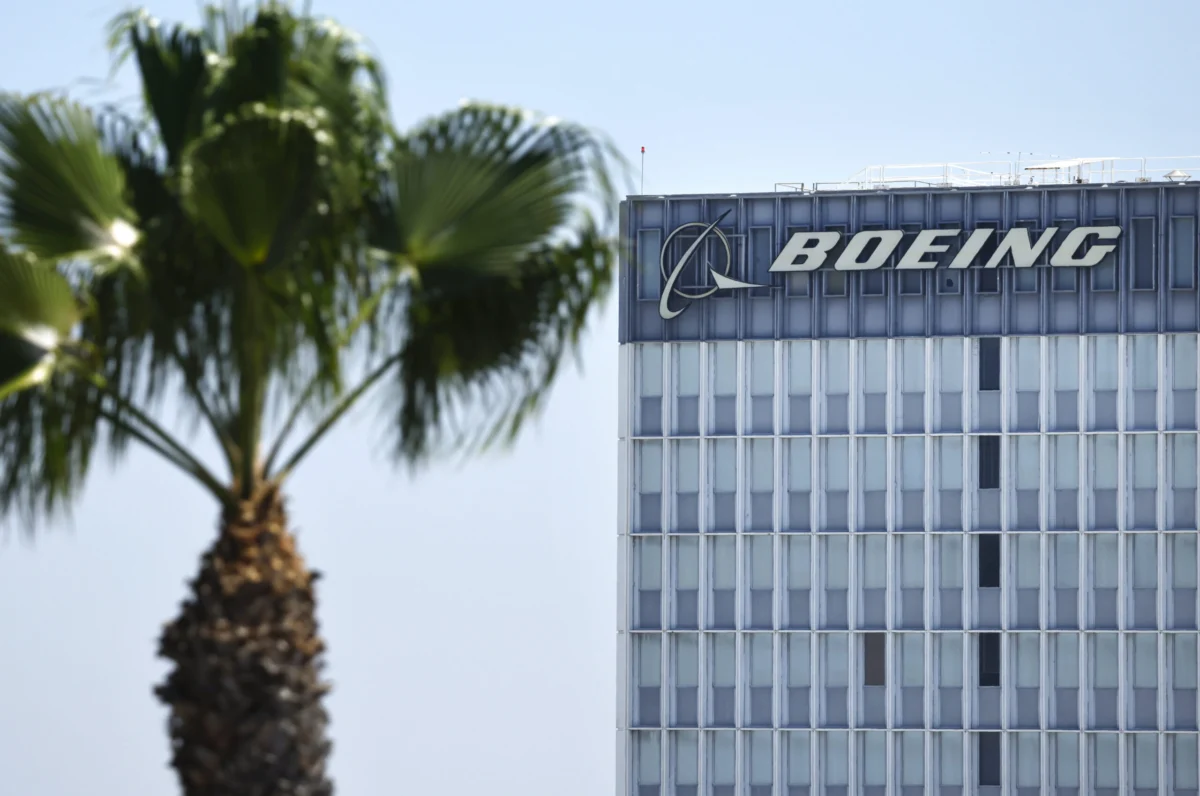
In a significant strategic realignment poised to reshape the nascent urban air mobility (UAM) sector and the broader aerospace landscape, Boeing has announced the sale of three key subsidiaries – Wisk Aero, SkyGrid, and Insitu – to Archer Aviation. The transaction sees the aerospace giant acquire an undisclosed equity stake in Archer, signaling a calculated move to streamline its operations while retaining a vested interest in the future of electric vertical take-off and landing (eVTOL) technology and autonomous flight systems. This pivotal deal, disclosed on August 3, 2026, marks a decisive step for Boeing under CEO Kelly Ortberg’s leadership, emphasizing a sharper focus on its core commercial, defense, and space businesses, while simultaneously propelling Archer Aviation into a more formidable position as a diversified platform in the evolving air mobility market.
A New Chapter for Boeing: Strategic Streamlining and Core Focus
The divestment of these three entities underscores Boeing’s commitment to optimizing its portfolio and capital allocation. Wisk Aero, a pioneer in autonomous eVTOL aircraft development, represented Boeing’s deep foray into the future of passenger air travel. SkyGrid, an air traffic management system developer, was designed to address the complex operational needs of future air taxi networks. Insitu, a long-standing subsidiary specializing in high-altitude drones for military and commercial applications, provided established revenue streams and advanced uncrewed aerial systems (UAS) technology. For Boeing, shedding these non-core assets allows for a renewed emphasis on its foundational pillars: commercial aircraft manufacturing, defense contracts, and space exploration ventures, areas where the company faces intense competition and significant operational challenges.
Brian Yutko, Boeing vice president of commercial airplanes product development, articulated the rationale behind the transaction, stating, "This deal allows Wisk, SkyGrid, and Insitu to accelerate capability development and time to market while ensuring Boeing capitalizes on its investments in these technologies over the past two decades through continued development in our core businesses." This statement highlights Boeing’s dual objective: to offload the direct operational and capital burden of these ventures while maintaining exposure to their potential upside through an equity stake in Archer. It reflects a strategic evolution from directly incubating these advanced technologies to leveraging partnerships for their commercialization, thereby optimizing its return on prior investments.
Archer Aviation’s Ambitious Expansion: Forging an Integrated UAM Ecosystem
For Archer Aviation, a California-based startup at the forefront of eVTOL innovation, the acquisition represents a monumental leap forward. CEO Adam Goldstein enthusiastically declared, "This is the next big step forward in becoming a diversified platform, rapidly growing our revenue base and bringing scale to our business." The integration of Wisk, SkyGrid, and Insitu provides Archer with an unparalleled suite of capabilities, positioning it not merely as an eVTOL manufacturer but as a holistic provider for urban air mobility solutions and beyond.
Wisk Aero’s Autonomous Prowess: Wisk Aero brings to Archer a wealth of experience in autonomous flight, having developed its 6th generation eVTOL aircraft. Its focus on self-flying vehicles aligns with the long-term vision for UAM, promising enhanced safety and operational efficiency by reducing human error. The intellectual property and engineering talent from Wisk will significantly accelerate Archer’s own development timelines and potentially broaden the scope of its future aircraft offerings. This acquisition is particularly impactful given the stringent regulatory path for autonomous flight, where Wisk has made substantial progress and garnered significant trust from aviation authorities.
SkyGrid’s Air Traffic Management Expertise: The acquisition of SkyGrid is critical for Archer’s ambition to launch commercial eVTOL flights. As urban air mobility transitions from test flights to widespread commercial operations, the need for sophisticated, scalable, and secure air traffic management systems becomes paramount. SkyGrid’s technology provides the digital infrastructure necessary to safely integrate hundreds, if not thousands, of eVTOLs into existing airspace, managing flight paths, preventing collisions, and optimizing routes in dense urban environments. This capability is not just an add-on; it is a foundational component for the entire UAM ecosystem, addressing one of the industry’s most complex challenges.
Insitu’s Established Drone Business: Insitu, with its robust portfolio of high-altitude drones like the ScanEagle and Integrator, introduces an immediate, established revenue stream and expands Archer’s military and defense capabilities. Insitu’s drones have been deployed globally, including by the U.S. Navy and other allied forces, for intelligence, surveillance, and reconnaissance (ISR) missions. This acquisition provides Archer with a diversified business segment that is less susceptible to the immediate market fluctuations of the nascent eVTOL industry. It also offers cross-pollination opportunities in drone technology, manufacturing expertise, and regulatory navigation for uncrewed systems. The military portfolio strengthens Archer’s position, as demonstrated by its existing work on military craft like the Archer Thunder, potentially opening doors to larger defense contracts and government partnerships.
The Genesis of a Strategic Shift: Kelly Ortberg’s Vision for Boeing
This landmark transaction is a direct outcome of Boeing CEO Kelly Ortberg’s strategic vision since taking the helm in August 2024. Ortberg inherited a company grappling with immense operational pressures, production delays, and a need for greater financial discipline. His directive, clearly articulated in October 2024, emphasized a fundamental "reset of priorities" and the creation of a "leaner, more focused organization" to enhance profitability across Boeing’s three primary businesses.

For years prior to Ortberg’s tenure, Boeing had engaged in a broader diversification strategy, investing in a myriad of emerging technologies through its HorizonX venture arm and internal R&D. While these investments aimed to position Boeing for future aerospace trends, they also spread capital and engineering resources across a wide spectrum of ventures, some of which were far removed from its core competencies. The sale of Wisk, SkyGrid, and Insitu signifies a decisive pivot away from directly operating these ventures, allowing Boeing to concentrate its formidable resources on improving its commercial airplane production, strengthening its defense platforms, and advancing its space exploration programs. This move is largely seen by analysts as a responsible capital allocation strategy, offloading ventures that require significant, long-term capital investment without immediate returns, while preserving exposure to their long-term growth potential through a strategic equity stake.
A Chronology of Innovation and Consolidation
The path to this acquisition reflects a broader timeline of innovation and strategic shifts within the aerospace industry:
- 1997: Insitu is founded, pioneering long-endurance, small unmanned aircraft systems.
- 2008: Boeing acquires Insitu, integrating its drone technology into its defense portfolio.
- 2018: Boeing forms SkyGrid as a joint venture with SparkCognition, aiming to develop an AI-powered platform for safe airspace integration of autonomous aircraft.
- 2019: Boeing and Kitty Hawk (Larry Page’s eVTOL company) form Wisk Aero as a joint venture, focusing on autonomous eVTOLs.
- 2020-2023: Archer Aviation emerges as a prominent eVTOL startup, securing significant investments and developing its Midnight aircraft. The company progresses through flight testing and FAA certification efforts.
- Late 2023-Early 2024: Boeing fully acquires Wisk Aero, making it a wholly-owned subsidiary, signaling a deeper commitment to autonomous UAM at the time.
- August 2024: Kelly Ortberg assumes the role of CEO at Boeing, initiating a comprehensive strategic review.
- October 2024: Ortberg publicly outlines his vision for a leaner, more focused Boeing, emphasizing core business profitability.
- 2025-2026: Archer continues to advance its eVTOL programs, targeting commercial operations by late 2026 or early 2027. Discussions and negotiations for the acquisition intensify.
- August 3, 2026: Boeing announces the sale of Wisk Aero, SkyGrid, and Insitu to Archer Aviation in exchange for an undisclosed equity stake.
This timeline illustrates a cyclical pattern where large incumbents initially invest in and incubate disruptive technologies, and then, as these technologies mature and require significant capital for commercialization, they are either spun off or acquired by more specialized, agile players.
Market Implications and Future Outlook
The deal carries profound implications for all parties involved and the wider aerospace and urban air mobility sectors.
For Archer Aviation:
- Enhanced Competitive Position: Archer gains a significant competitive edge by integrating Wisk’s autonomous technology, SkyGrid’s air traffic management, and Insitu’s established drone business. This creates a more comprehensive and robust offering than many of its rivals, such as Joby Aviation or Lilium, who primarily focus on aircraft development.
- Diversified Revenue Streams: Insitu’s existing contracts provide immediate, stable revenue, reducing Archer’s sole reliance on the future, yet-to-be-commercialized eVTOL market.
- Accelerated Development: The technological assets and intellectual capital from Wisk and SkyGrid will likely accelerate Archer’s path to FAA certification and commercial deployment, potentially allowing it to achieve its goal of launching commercial eVTOL flights by the end of this year or early next year.
- Market Leadership Potential: By building out an ecosystem that includes aircraft, airspace management, and a diversified drone portfolio, Archer positions itself as a potential leader in the broader advanced air mobility (AAM) market, not just a niche eVTOL manufacturer.
For Boeing:
- Strategic Clarity and Focus: The divestment allows Boeing to sharpen its focus on its core commercial, defense, and space divisions, where it faces critical challenges related to production, supply chains, and new program development.
- Capital Optimization: Resources previously allocated to these subsidiaries can now be redirected to improve efficiency in its primary manufacturing lines, invest in next-generation commercial aircraft, or fund crucial defense projects.
- Risk Mitigation: Boeing reduces its direct exposure to the high-risk, high-capital-intensive early stages of the UAM market, while still benefiting from potential future success through its equity stake in Archer.
- Shareholder Value: The move is likely to be viewed positively by investors seeking a more streamlined, financially disciplined Boeing, potentially leading to improved stock performance and investor confidence.
For the Urban Air Mobility Industry:
- Consolidation Trend: This acquisition could signal an acceleration of consolidation within the fragmented eVTOL and UAM industry. As the market matures, smaller players may find it challenging to compete with integrated entities like the newly expanded Archer.
- Emphasis on Ecosystems: The deal highlights the critical importance of developing an entire ecosystem (aircraft, infrastructure, air traffic management) rather than just individual aircraft. Future successful UAM companies will likely be those that can offer comprehensive solutions.
- Regulatory Acceleration: A stronger, more integrated player like Archer, backed by Boeing’s implicit endorsement, may help push forward regulatory frameworks and public acceptance for UAM, as it can present a more cohesive and reliable vision for future operations.
- Military-Civilian Convergence: The inclusion of Insitu further blurs the lines between military and civilian drone technology, suggesting potential for shared innovation and dual-use applications that could benefit both sectors.
This transaction represents a significant milestone in the evolution of aerospace. For Boeing, it is a strategic retreat from direct operational involvement in speculative ventures, enabling a laser focus on its core strengths. For Archer Aviation, it is a transformative leap, assembling a formidable array of technologies and revenue streams to propel it to the forefront of the urban air mobility revolution. As the skies prepare for a new generation of electric flight, this deal lays a critical foundation for how advanced air mobility might take off in cities across the U.S. and globally in the years to come.
