

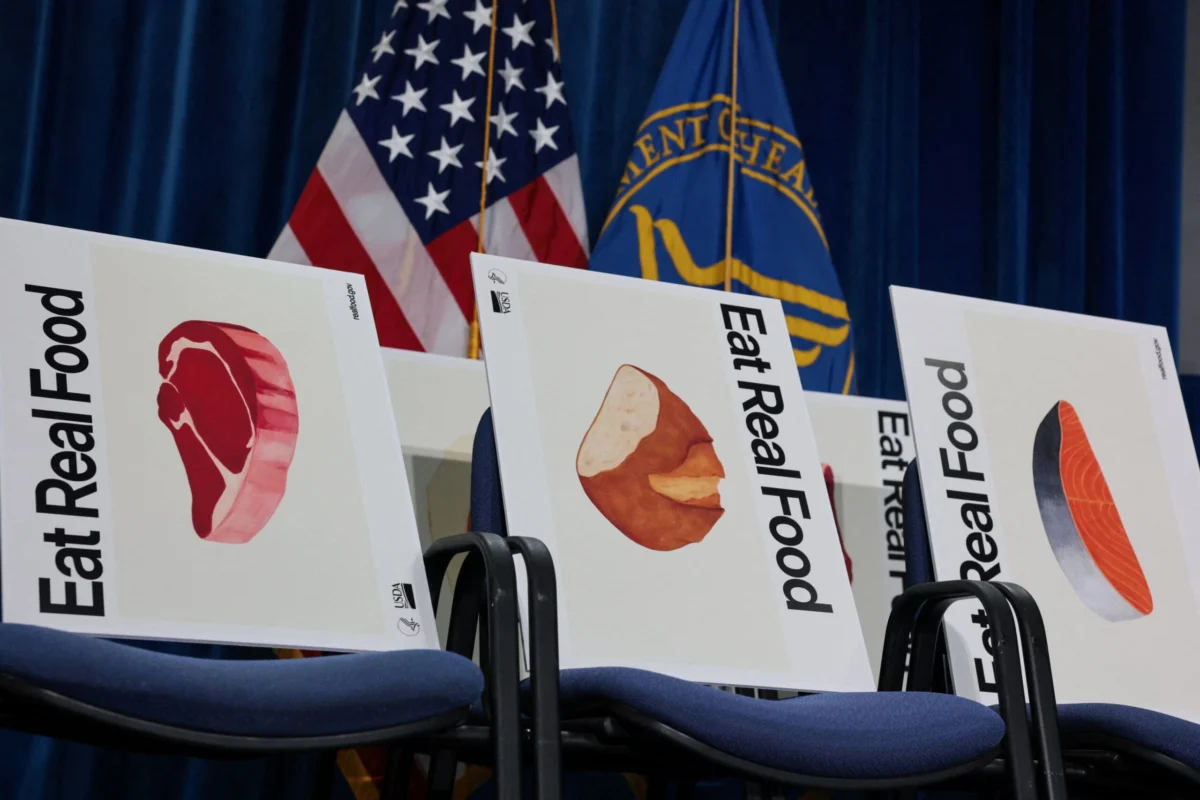
Washington, D.C. – In a landmark move poised to reshape the American food landscape, the U.S. Department of Health and Human Services (HHS) and the U.S. Department of Agriculture (USDA) today announced a suite of new nutrition policies aimed at bolstering federal oversight of the nation’s food supply and addressing the pervasive challenges of diet-related chronic diseases. The announcement, made by HHS Secretary Robert F. Kennedy, Jr. and Agriculture Secretary Brooke Rollins at the Department of Health and Human Services, was met by attendees holding "Eat Real Food" placards, signaling the administration’s broader commitment to public health. These initiatives mark a significant step in Secretary Kennedy’s "Make America Healthy Again" movement, targeting long-standing concerns about ingredient safety and the proliferation of heavily processed foods.
The core of the new policy framework includes a proposed requirement for food manufacturers, encompassing industry giants like Pepsi and Nestlé, to formally notify the Food and Drug Administration (FDA) when they determine an ingredient to be "Generally Recognized as Safe" (GRAS). This mandate seeks to close a critical transparency gap that has allowed countless substances into the food supply without explicit FDA awareness. Concurrently, the departments confirmed the submission for final review of the federal government’s first-ever proposed definition of ultra-processed foods, a category increasingly linked to adverse health outcomes and a central focus of the administration’s health agenda. These developments unfold against a backdrop of heightened public concern over food safety, underscored by a recent spate of multistate foodborne illness outbreaks this summer, including cyclospora linked to shredded iceberg lettuce and ongoing investigations into salmonella and listeria contamination.
Reforming the "Generally Recognized as Safe" System
For decades, the GRAS exemption has been a cornerstone of U.S. food law, allowing substances intentionally added to food to bypass rigorous premarket approval by the FDA if they are deemed safe by qualified experts under their intended use conditions. Enacted as part of the 1958 Food Additives Amendment to the Federal Food, Drug, and Cosmetic Act, the GRAS provision was initially intended to exempt common, everyday ingredients like salt and vinegar from a lengthy approval process. However, the system has evolved significantly, with manufacturers increasingly making their own GRAS determinations without necessarily informing the FDA. The FDA has operated a voluntary GRAS notification program for years, yet participation has been inconsistent, leading to a substantial portion of GRAS substances entering the market without any formal agency oversight or public record.
This voluntary nature has drawn sharp criticism from consumer advocacy groups, public health experts, and even some industry voices for nearly two decades. Critics argue that the system allows companies to self-regulate, potentially introducing novel ingredients with insufficient safety data or conflicts of interest in expert panels. Estimates suggest that hundreds, if not thousands, of ingredients have achieved GRAS status without the FDA ever being notified, creating what many describe as a "black box" in the food supply chain. The proposed rule directly addresses this structural flaw by transforming the voluntary notification into a mandatory requirement. While it stops short of instituting a full premarket approval system for GRAS substances – meaning companies would still not need explicit FDA permission before marketing products containing these ingredients – it fundamentally shifts the burden of transparency.
Acting FDA Commissioner Kyle Diamantas emphasized the transformative potential of this change during a call with reporters, stating, "We believe that these initiatives will actually improve the FDA’s ability to effectively execute on its mission by having greater transparency into the number of ingredients in the food supply." A senior HHS spokesperson echoed this sentiment, calling GRAS reform "the preeminent regulatory reform that food advocates on both sides of the aisle have been saying is the most important food reform that the United States needs to do for the past 20 years." The new policy, if enacted after the public comment period and federal rulemaking process, would compel manufacturers to proactively inform the FDA of their GRAS determinations, providing the agency with a comprehensive ledger of ingredients present in the nation’s food products. This enhanced visibility is crucial not only for tracking individual ingredients but also for understanding the cumulative impact of multiple additives, flavorings, and processing aids on public health.
Defining Ultra-Processed Foods: A New Frontier in Dietary Policy
Parallel to the GRAS reform, the HHS and USDA have taken a pivotal step towards formally defining ultra-processed foods (UPFs) at the federal level. This initiative comes amid a growing global scientific consensus highlighting the adverse health consequences associated with high consumption of these products. Ultra-processed foods are typically industrial formulations made from ingredients derived from foods (e.g., fats, starches, proteins, sugars), often containing additives such as colorings, flavorings, emulsifiers, and thickeners, and undergoing multiple processing steps. Examples range from sugary drinks and packaged snacks to instant noodles and pre-prepared meals.
The scientific literature over the past decade has increasingly linked a high intake of UPFs to a myriad of health problems, including increased risk of obesity, type 2 diabetes, cardiovascular disease, certain cancers, depression, and all-cause mortality. Secretary Kennedy, Jr. underscored the urgency of this issue, noting in a press release, "Nearly 60% of the American diet is made up of ultra-processed foods, and childhood obesity now affects more than one in five American children. We cannot reverse America’s chronic disease epidemic without transforming our food system." These statistics paint a stark picture: the average American consumes a diet heavily reliant on products that are often calorie-dense, nutrient-poor, and engineered for hyper-palatability, potentially overriding natural satiety signals.
In July 2025, the HHS and USDA jointly issued a Request for Information (RFI) seeking input from researchers, the food industry, public health organizations, and other stakeholders to inform the development of a federal definition for ultra-processed foods. This collaborative approach aimed to gather diverse perspectives and scientific evidence to formulate a robust and implementable definition. While the administration has now submitted a definition for final review, the specifics of this proposed definition have not yet been publicly disclosed. The establishment of an official federal definition for UPFs is expected to have far-reaching implications. It could serve as a foundational element for future dietary guidelines, public health campaigns, food labeling initiatives, and potentially even regulatory measures designed to mitigate the consumption of these products. It also provides a clear framework for researchers to conduct more targeted studies on their health effects. The administration’s focus on UPFs aligns with a broader international trend, where countries like Brazil and Canada have already incorporated recommendations to limit UPF consumption into their national dietary guidelines.
Addressing Foodborne Illness in a Broader Context
The urgency of these policy announcements is further amplified by a challenging summer marked by a series of significant foodborne illness outbreaks across the United States. Federal and state health officials have been grappling with multiple investigations, including a multistate cyclospora outbreak linked to shredded iceberg lettuce and other ongoing probes involving salmonella and listeria. The FDA’s public database currently lists several active foodborne illness investigations, highlighting persistent vulnerabilities in the food supply chain.
While the new GRAS notification requirement and the definition of ultra-processed foods do not directly address the immediate causes of these acute foodborne illness outbreaks, they contribute to a broader strategy of enhancing overall food safety and public health oversight. Greater transparency into the ingredients used in food production, particularly those manufactured by third-party suppliers or undergoing complex processing, can provide the FDA with a more complete picture of potential contamination points and facilitate quicker traceback efforts during outbreaks. For instance, understanding the full spectrum of additives and processing aids, many of which are granted GRAS status, could reveal systemic issues or vulnerabilities that contribute to pathogen survival or cross-contamination in certain product categories. Moreover, a more robust regulatory environment around food processing and ingredient disclosure could indirectly foster better hygiene and quality control practices throughout the industry. Public health experts emphasize that a proactive approach to understanding and regulating food ingredients is a vital component of a comprehensive food safety system, complementing efforts to prevent and respond to pathogen contamination.
Industry, Advocacy, and Expert Reactions
Initial reactions to the policy proposals are expected to be varied. Consumer advocacy groups and public health organizations are largely anticipated to laud the administration’s efforts, particularly the long-awaited GRAS reform, which has been a top priority for many for years. They will likely view it as a crucial step towards greater transparency and accountability within the food industry, potentially reducing the exposure of consumers to inadequately vetted ingredients. Many will likely call for even more stringent measures, such as mandatory premarket approval for all novel food additives.
The food industry, represented by major manufacturers and trade associations, is likely to respond with a mix of cautious acknowledgment and concerns regarding compliance burdens. While some might express support for increased transparency, others may raise questions about the practicalities of implementing mandatory GRAS notifications, the potential for increased administrative costs, and the need for clear guidelines from the FDA. Large corporations with extensive regulatory departments may be better equipped to adapt, while smaller and medium-sized enterprises might face greater challenges in navigating new reporting requirements. However, the industry has also recognized the growing consumer demand for cleaner labels and healthier options, suggesting a potential willingness to engage constructively with the new regulations.
Public health experts, while generally supportive, will likely offer nuanced perspectives. Many will welcome the administration’s focus on diet-related chronic diseases and the recognition of ultra-processed foods as a significant public health challenge. They might also emphasize the need for robust enforcement mechanisms for the GRAS notification rule and the importance of ensuring the proposed definition of ultra-processed foods is scientifically sound and actionable. There will also be discussions about what further steps might be needed, such as educational campaigns, incentives for healthier food production, and potential policy levers to shift consumption patterns away from UPFs.
The "Make America Healthy Again" Vision: A Broader Transformation
These policy announcements are not isolated measures but integral components of Secretary Robert F. Kennedy, Jr.’s ambitious "Make America Healthy Again" initiative. Launched with a vision to fundamentally transform the nation’s food system and combat the surging tide of chronic diseases, the movement advocates for a holistic approach to public health. It emphasizes the critical link between diet, environmental factors, and long-term well-being, moving beyond a sole focus on healthcare treatments to address root causes of illness.
Secretary Kennedy’s agenda has consistently highlighted the pervasive influence of the modern industrial food system on American health. This includes concerns over chemical additives, pesticide residues, and the nutritional degradation of widely consumed products. Earlier initiatives and statements from the Secretary have signaled a desire for greater regulatory scrutiny across the food and pharmaceutical sectors, including efforts to lower drug costs as evidenced by his October 2025 press conference. The current nutrition policy reforms align perfectly with this overarching philosophy, seeking to empower consumers with more transparent information and provide federal agencies with better tools to monitor and influence the food supply. By mandating GRAS notifications and defining ultra-processed foods, the administration aims to foster a healthier food environment that supports disease prevention rather than merely managing symptoms. This long-term vision envisages a future where dietary choices are informed by clear, scientifically backed guidance and where the food industry operates with a higher degree of accountability and transparency.
The Path Forward: Public Engagement and Implementation
Both the GRAS notification proposal and the ultra-processed foods definition will now enter critical phases of public engagement and regulatory review. The GRAS proposal is subject to a public comment period, during which stakeholders – including industry, consumer groups, scientific experts, and the general public – can submit feedback, data, and arguments for consideration. This public input is vital for refining the proposed rule and ensuring it is practical, effective, and legally sound before it is finalized and takes effect. The federal rulemaking process is often lengthy and complex, involving multiple stages of review and potential revisions.
Similarly, the proposed definition of ultra-processed foods, having been submitted for final review, will undergo rigorous scrutiny within the federal government. Once finalized, its implementation will require careful planning, potentially involving collaboration across various agencies to develop guidelines, educational materials, and enforcement strategies. The long-term success of these initiatives will depend not only on the robustness of the policies themselves but also on the commitment to effective communication, enforcement, and ongoing evaluation of their impact on public health. As the nation grapples with complex dietary challenges and persistent food safety concerns, these proposed reforms represent a significant federal effort to steer the American food system towards greater transparency, accountability, and ultimately, improved public health outcomes.
