

From a bustling warehouse nestled just north of Chicago, Sarah Potempa, the acclaimed celebrity hairstylist and CEO behind the wildly popular Beachwaver hair curling iron, orchestrates a digital spectacle. For hours, she captivates thousands of online viewers, deftly selling her products on TikTok Live, a testament to the burgeoning phenomenon of livestream shopping now sweeping the United States. This dynamic retail format, which has flourished in China over the past decade, is rapidly gaining traction stateside, largely fueled by the immense reach of social media giant TikTok and the innovative live commerce platform Whatnot, which recently achieved a staggering $20 billion valuation.
Potempa’s July livestream offered a vivid glimpse into this evolving retail landscape. During the initial four hours of a session observed by CNBC, Beachwaver generated approximately $8,000 in sales. The event was a masterclass in engaging digital salesmanship: Potempa auctioned off coveted limited-edition curling irons while her teenage son, a budding DJ, provided a lively soundtrack. She seamlessly demoed a range of hair care products and, in a stroke of promotional genius, promised viewers she would shave her brother-in-law’s head live on camera if they collectively placed 500 orders. This particular livestream was but one of hundreds Beachwaver conducts annually. A significant portion – roughly a quarter – of its impressive $1 million in TikTok Shop sales year-to-date in 2026 has originated from these interactive livestreams, a blend of shows hosted by the company itself and collaborations with a network of affiliate creators on the popular social media application.
The essence of livestream shopping echoes the QVC craze that captivated consumers in previous decades, placing shoppers directly in front of charismatic hosts who showcase and sell products in real-time. Yet, the modern iteration transcends its predecessor, leveraging the immediacy and interactivity of digital platforms. Even QVC itself, recognizing the shift in consumer behavior, has embraced the new paradigm. The veteran home shopping network now broadcasts live on TikTok for over 200 hours per week across seven dedicated channels, a strategic move as it prioritizes digital channels following a recent emergence from bankruptcy. Patrick Nommensen, president of strategic initiatives for TikTok Shop in the Americas, highlights this evolution: "QVC is a great example of a large established retailer that might have been seen as a competitor to TikTok Shop… but in fact they have turned out to be a really successful merchant."
Beachwaver, in fact, initially gained prominence on QVC. However, platforms like TikTok and Whatnot have fundamentally reinvented the sales wheel. Potempa emphasizes the newfound autonomy: "Nobody is saying, ‘OK, you have 10 minutes at 7 p.m. and get ready and here’s your 10 minutes and you’re done.’" She adds, "You definitely need to be on longer on a digital platform, but you really are more in control of the revenue." This control, combined with direct audience engagement, represents a significant departure from traditional broadcast selling.
The U.S. Live Shopping Boom: Following in China’s Footsteps
The momentum behind live shopping in the United States is undeniable. Industry estimates from eMarketer project the U.S. live shopping market to reach nearly $20 billion in sales in 2026, representing a substantial 35% year-over-year growth. While impressive, this figure still pales in comparison to the meteoric rise and sheer scale of live shopping in China.
China’s live commerce ecosystem began its rapid expansion with Alibaba’s introduction of Taobao Live in 2016. Within a mere five years, the market surpassed $50 billion and is now projected to exceed an astounding $1.1 trillion in 2026, according to eMarketer. This explosive growth was deeply integrated into China’s ubiquitous "super apps" – platforms like WeChat, utilized by hundreds of millions, which seamlessly combine social media, messaging, and payment functionalities, or Alibaba’s Qwen, which integrates AI assistance, food delivery, and travel booking. These super apps fostered an environment where live shopping wasn’t just an add-on, but an intrinsic, engaging part of daily digital life.
Neil Saunders, managing director at Globaldata, elucidates the cultural differences driving this disparity: "[Chinese consumers] still like stores, but they use the livestream part of the digital experience as the entertainment, the engagement, the inspiration." In contrast, Saunders notes, "In the U.S., we’ve tended to rely traditionally more on stores to fulfill that role." However, this dynamic is shifting rapidly as younger consumers, accustomed to digital native experiences, increasingly turn to live commerce for product discovery and interactive entertainment. The COVID-19 pandemic further accelerated this transition, pushing more consumers to embrace online channels and become comfortable with video-first content for shopping.
The U.S. Live Shopping Landscape: Key Players and Strategies
The competitive landscape for live shopping in the U.S. is vibrant, with TikTok Shop and Whatnot leading the charge. TikTok Shop, which officially launched in the U.S. in 2023, has reported remarkable growth. The company exclusively shared with CNBC that its live shopping sales more than doubled in the first half of 2026 compared to the same period in 2025. Concurrently, the number of live shopping sessions increased by over 60%, and total live hours expanded by more than 80% during this timeframe. This rapid expansion underscores TikTok’s strategic push to diversify its revenue streams beyond advertising and leverage its massive user base for direct commerce. The platform’s emphasis on affiliate creators also fosters a robust creator economy, enabling influencers to monetize their content directly through product sales.

Whatnot, founded in 2019, carved out its initial niche by focusing on novelties, collectibles, and niche communities. Its growth trajectory has been meteoric, with its valuation doubling since October, reaching an impressive $20 billion. The platform’s innovative approach earned it the No. 8 spot on this year’s CNBC Disruptor 50 list, which recognizes promising venture-backed companies. While declining to share specific U.S. sales figures, Whatnot asserts its position as the largest live shopping platform in the country, confirming that a majority of its reported $8 billion in global sales for 2025 originated from the U.S. market.
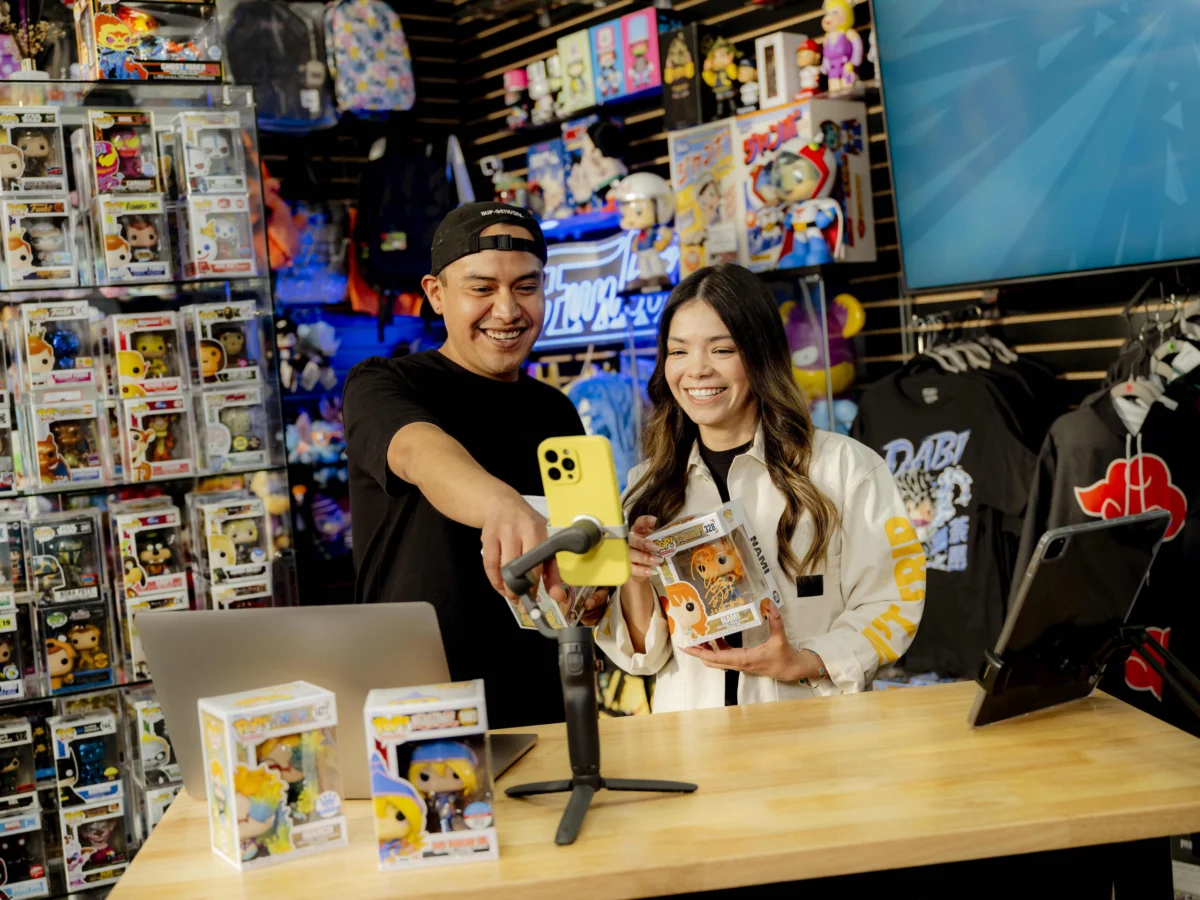
Eric Pagan, a seasoned seller for various brands across both TikTok and Whatnot, attests to the platforms’ immense potential. In mid-August, he remarked, "You can have [5,000], 10,000 people on Whatnot or TikTok watching your show at one time." He recounted a recent TikTok show that generated "well into six figures," emphasizing that "what brands are not aware of yet is that that exists." Whatnot’s core strength lies in its auction model, where viewers bid on products in real-time, creating an exciting, competitive atmosphere. TikTok recognized the appeal of this format and rolled out its own live auction features in January.
Armand Wilson, Whatnot’s chief revenue officer, observes a pivotal shift: "It feels like things are really, really clicking and live shopping is becoming a bit more mainstream." He notes the platform’s evolution from its early days: "In year one, it was largely all collectibles… Now pretty much anyone can download Whatnot and find something for them." This expansion beyond niche markets signals a broader acceptance and integration of live commerce into mainstream consumer habits.
Legacy online marketplaces such as Amazon, Walmart, and eBay have also developed native platforms for sellers to host live shopping streams. However, these platforms often face a fundamental challenge: they are not inherently video-first like TikTok or Whatnot. While Amazon and Walmart declined to comment on their live shopping businesses, and eBay Live described its offering as making shopping "more human," all three companies refrained from sharing specific livestream sales figures with CNBC. Mark Yuan, a former business development lead for eBay’s live shopping division and now owner of e-commerce consulting company And Luxe, points out that while legacy marketplaces benefit from the immense consumer trust built over decades, this very advantage can also act as a barrier. "Structurally it’s very hard to transform themselves into a discovery-first or content-first [platform]," Yuan explains, highlighting the ingrained transactional nature of these older platforms versus the organic discovery fostered by social media.
Community, Trust, and the Future of Retail
Where newer entrants like TikTok and Whatnot truly excel is in their ability to cultivate vibrant communities of like-minded consumers. Whatnot, particularly popular for its collectibles, prioritizes community building, finding significant success in categories such as Funko Pop figurines, Pokémon cards, sneakers, and fashion. Wilson articulates this ethos: "Going into a community, really deeply understanding their problems and building a product around them has been the ethos that I think has gotten us to where we are today and what really differentiates us."
For livestream hosts like Eric Pagan, the connection with viewers is paramount. "Without the trust of your viewers, there is no point in even being live," he asserts. He views his audience as friends, stating, "I believe that they know things about me that a normal person on the street wouldn’t know. And we had those conversations on a livestream." This personal connection fosters loyalty and repeat engagement, distinguishing live commerce from more anonymous online shopping experiences. Marshal Cohen, chief retail analyst at Circana, views livestream shopping as a crucial bridge between e-commerce and traditional retail. "You can’t touch and feel the product, but you can hear from others what they think about it," Cohen notes. "[Live shopping] bridges that shortfall of the inability to touch and feel. And that’s always been online’s biggest challenge."
Despite its transformative potential, the live shopping landscape is not without its challenges. Platforms like Whatnot and TikTok have had to grapple with issues related to counterfeit and stolen goods, necessitating robust verification processes and proactive measures to protect consumers and legitimate sellers. For sellers themselves, leveraging these large platforms comes with associated costs. Whatnot typically charges a commission fee ranging from 4% to 8% of sales, depending on the product category, while TikTok takes a 6% commission, in addition to standard payment processing fees. These fees are a necessary consideration for brands and creators looking to integrate live commerce into their sales strategies.
Furthermore, as the popularity of live shopping continues to soar, the competition for consumer eyeballs intensifies. "The biggest challenge really is visibility," says Globaldata’s Saunders. "You have to make sure that your feed is aligned with the algorithm and that it’s putting you in front of the right people." This necessitates a deep understanding of platform algorithms, engaging content strategies, and consistent audience interaction to maintain prominence.
Looking ahead, the integration of advanced technologies like artificial intelligence (AI) and augmented reality (AR) is poised to further revolutionize live shopping. AI can personalize product recommendations and optimize broadcast times, while AR can enable virtual try-ons, enhancing the "touch and feel" aspect even without physical interaction. The burgeoning creator economy will also continue to find new avenues for monetization through live commerce, blurring the lines between entertainment, social interaction, and retail. As live shopping matures, regulatory bodies may also increase scrutiny on consumer protection, advertising transparency, and data privacy, ensuring a fair and secure environment for both buyers and sellers. The live shopping revolution is more than a fleeting trend; it represents a fundamental shift in how consumers discover, engage with, and purchase products, cementing its place as an integral component of the future of retail.
