

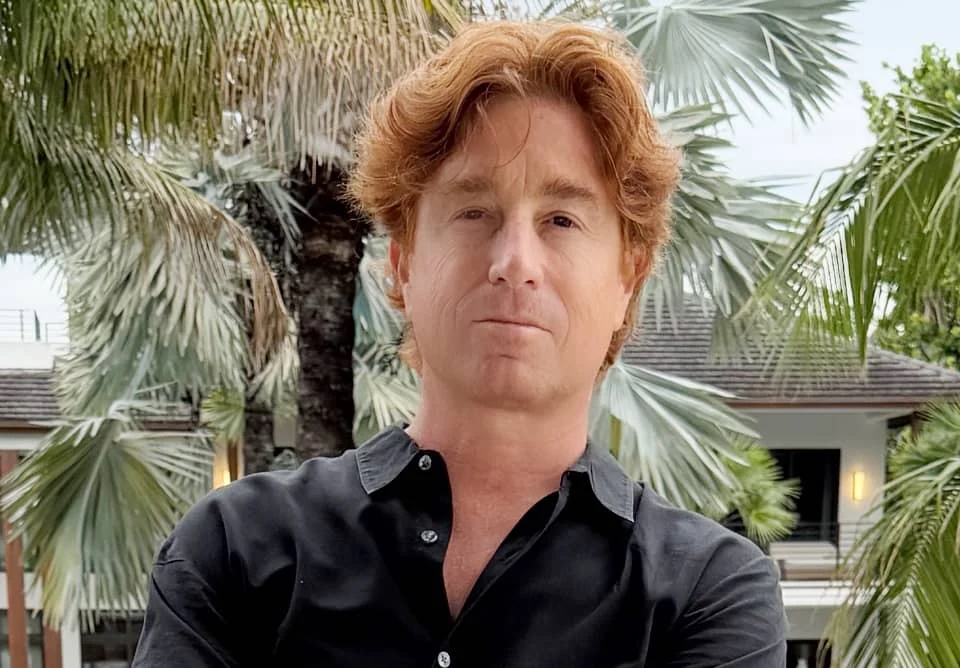
In a dramatic turn for the burgeoning energy drink sector, Russell "Russ" Savage, the billionaire visionary behind Rockstar Energy, has publicly disclosed a significant stake in Celsius Holdings and is actively calling for the immediate removal of its chief executive and several other top executives following a disappointing second-quarter earnings report. Savage, who amassed his fortune building and selling Rockstar Energy to PepsiCo for over $4 billion, now controls more than 12 million shares of Celsius, representing approximately 4.7% of the company, a holding valued at roughly $300 million at current stock levels. His intervention signals a potential boardroom battle and a critical juncture for Celsius, a company that has experienced explosive growth by positioning itself as a healthier alternative in the competitive energy drink market.
The Catalyst: A Quarter Below Expectations
The immediate trigger for Savage’s public challenge was Celsius Holdings’ second-quarter earnings announcement on Thursday, which sent shockwaves through the market. The company reported adjusted earnings per share of 36 cents, significantly missing analyst expectations of 43 cents per share, according to LSEG. Revenue also fell short, coming in at $817.9 million against a Wall Street consensus of $870 million. Perhaps most concerning, net income attributable to common shareholders plummeted by more than half compared to the same period last year, indicating a significant erosion of profitability.
Following the release of these figures, Celsius shares plunged a staggering 18% on Thursday, wiping out hundreds of millions in market capitalization. This downturn catalyzed Savage’s decision to move beyond private counsel and into the public arena, asserting that the company’s current leadership is steering it off course. His investment, which began with accumulating shares in March when the stock was trading in the low $30s, was predicated on the belief that Celsius was undervalued. However, he now attributes the continued decline and poor performance to what he describes as severe management missteps. "I didn’t think they would wreck it this badly," Savage told CNBC, adding, "Now I’m trying to help fix it."
Savage’s Blueprint for Change: "One Person Making the Decisions"
Russ Savage’s criticisms of Celsius’s management are sharp and specific. He contends that the company suffers from an excessive number of management layers, leading to inflated costs and a lack of accountability. His core demand is unambiguous: "The CEO, the COO, the brand manager and the marketing manager all need to be fired." He further elaborated on his philosophy of leadership, stating, "They need one person making the decisions, paying attention to every detail, not a circle of people in a firing squad."
Savage, who was born Russell Weiner, founded Rockstar Energy in 2001 with a modest $50,000 mortgage against his California condo. He meticulously managed every facet of the business—from sales and marketing to sponsorships, packaging, distribution, and innovation—a hands-on approach he believes is sorely missing at Celsius. He sees the company’s current structure as an impediment to agility and decisive action, particularly in the fast-paced and hyper-competitive energy drink market. His public offer to take over as CEO underscores his belief that his particular brand of cost-conscious, detail-oriented, and driven leadership is precisely what Celsius needs to correct its trajectory. "I’m publicly volunteering to do it," he declared, convinced that "The CEO has lost credibility with the investment community."
A critical point of contention for Savage is the company’s handling of retail shelf space. On the earnings call, Celsius Chairman and CEO John Fieldly cited a "product rationalization program" and a "deliberate pause in innovation" as primary reasons for the shortfall. He explained that the company was managing the integration of recent acquisitions, including Alani Nu (acquired last year for $1.8 billion) and the U.S. and Canadian distribution rights for the Rockstar brand (also acquired from PepsiCo last year as part of a long-term strategic partnership, while PepsiCo retains international ownership of Rockstar). Fieldly suggested that Celsius might have been overly aggressive in reducing the number of existing products to make way for newer lines.
Savage views this explanation as a "dire signal." He stressed the brutal reality of the beverage industry: "Once you lose shelf space, you’re dead." He warned that in the cutthroat environment, competitors like Red Bull and Monster Beverage Corporation are quick to seize any relinquished shelf presence, making it exceedingly difficult for a brand to reclaim its position once lost. This perspective highlights a fundamental disagreement on strategic priorities and operational execution.
Celsius’s Defense and the Broader Market Context

In response to Savage’s public critique, Celsius Holdings issued a statement emphasizing its focus on long-term growth and its openness to shareholder input. "We welcome ideas that are potentially value-creating from all Celsius Holdings shareholders," a company spokesperson stated. "We remain focused on executing our total energy portfolio strategy to drive durable, long-term growth. Members of our Board and management team have engaged with Russ Savage many times over the past several years." This suggests that Savage’s concerns are not entirely new to the company, even if his public demands represent a significant escalation.
On the earnings call, CEO John Fieldly maintained an optimistic outlook despite the quarterly miss. He highlighted the company’s continued demand and resilience, noting that Celsius sells 1 out of every 5 energy drinks in the U.S. and remains a key growth driver for the overall energy category. "We are just beginning to unlock the full potential of our expanding portfolio," Fieldly asserted, attempting to reassure investors of the company’s underlying strength and future prospects.
The energy drink market itself is a dynamic and lucrative segment within the broader beverage industry, characterized by intense competition and rapid innovation. Valued globally at over $60 billion, it has seen consistent growth, driven by shifting consumer preferences towards functional beverages that offer perceived health benefits alongside an energy boost. Celsius has carved out a distinct niche by targeting athletes and health-conscious consumers, differentiating itself from traditional players like Red Bull and Monster with its focus on natural ingredients, vitamins, and fat-burning properties. However, this segment is becoming increasingly crowded, with new entrants and established brands alike vying for market share. The importance of robust marketing, efficient distribution, and a keen understanding of consumer trends cannot be overstated. Savage’s concern about shelf space directly addresses this competitive reality.
A Timeline of Engagement and Discontent
The current public dispute is the culmination of a longer period of private engagement and growing dissatisfaction. Savage indicated that he had offered advice to Celsius over a year ago, primarily concerning its cost structure and marketing strategy, but felt his counsel was largely ignored. His decision to escalate from a quiet advisor to an activist shareholder reflects a deepening frustration with the company’s direction.
- 2001: Russ Savage founds Rockstar Energy, bootstrapping the company with a $50,000 loan.
- Over two years prior: Savage begins acquiring Celsius shares on and off, recognizing the company’s potential.
- Over a year prior: Savage privately advises Celsius on cost structure and marketing strategy, but feels his suggestions are not heeded.
- 2020: Savage sells Rockstar Energy to PepsiCo for over $4 billion, solidifying his reputation as an industry titan.
- Last year (2025): Celsius acquires Alani Nu for $1.8 billion and secures U.S. and Canadian distribution rights for the Rockstar brand from PepsiCo, significantly expanding its portfolio.
- March 2026: Savage begins acquiring his current, substantial stake in Celsius, buying shares when the stock falls to the low $30 range, believing it to be undervalued.
- Thursday, Q2 2026 Earnings Release: Celsius announces an earnings miss, causing its stock to plunge 18%.
- Friday, Post-Earnings: Savage goes public with his demands, calling for the ouster of CEO John Fieldly and other key executives, and offering to take the helm himself.
- Friday Market Reaction: Following the CNBC report of Savage’s activist stake, Celsius stock sees a sharp gain, closing almost at $28 per share, suggesting investors may be cautiously optimistic about the prospect of change or at least increased scrutiny.
Implications and the Road Ahead
The public challenge by Russ Savage injects significant uncertainty into Celsius Holdings’ future but also presents a potential opportunity for re-evaluation. For shareholders, Savage’s intervention could be viewed as a positive development, bringing a seasoned industry veteran with a proven track record to the forefront of governance concerns. The immediate stock rebound on Friday, albeit modest, suggests that some investors see value in Savage’s proposed leadership change and his commitment to fixing what he perceives as fundamental operational flaws.
However, such activist campaigns often lead to prolonged boardroom battles, proxy fights, and internal distractions that can divert management’s attention from core business operations. The Celsius board and management team will now face immense pressure to either demonstrate a clear path to improved performance or address Savage’s demands directly. Their current strategy, centered on integrating recent acquisitions and optimizing their product portfolio, is now under intense scrutiny.
Savage’s critique touches upon critical aspects of corporate governance and strategic execution in a rapidly evolving market. His emphasis on cost efficiency, accountability, and the non-negotiable importance of retail shelf space resonates with fundamental business principles. Should his efforts gain traction, Celsius could undergo a significant strategic pivot, potentially re-evaluating its product development, marketing spend, and operational structure. Conversely, a strong defense from the current leadership, coupled with a swift return to meeting financial expectations, could solidify their position.
The coming months will be crucial for Celsius Holdings. The company’s ability to navigate this activist challenge, demonstrate a clear strategy for growth and profitability, and maintain investor confidence will determine its trajectory in the fiercely competitive energy drink landscape. All eyes will be on how the board responds to Savage’s aggressive push for change and whether the founder of Rockstar Energy can once again shake up an industry he knows intimately.
