

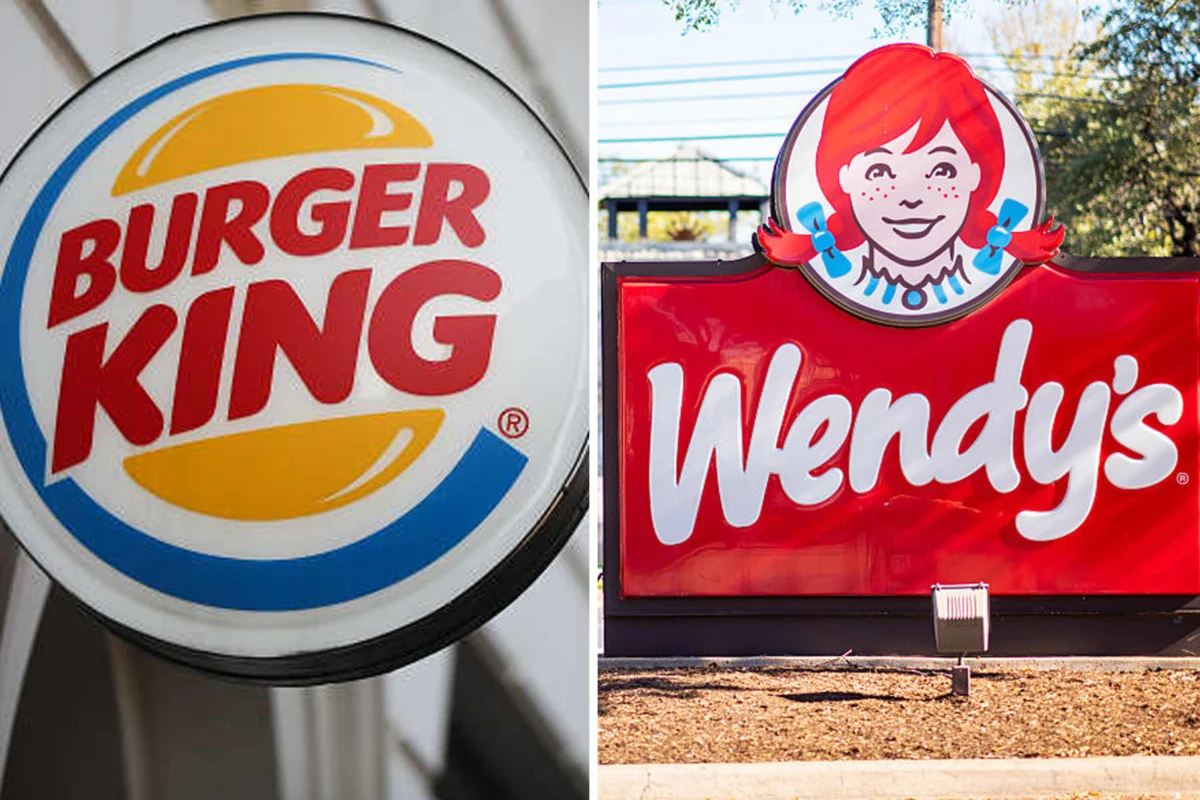
The shift in ranking underscores a period of dramatic strategic realignments and operational challenges within the quick-service restaurant (QSR) sector. Burger King, a subsidiary of Restaurant Brands International (RBI), has demonstrated robust recovery through a multi-faceted turnaround plan, while Wendy’s has grappled with consistent sales declines and a series of leadership transitions. This repositioning is not merely a symbolic victory but reflects tangible gains in market share and consumer engagement for Burger King, contrasting sharply with the erosion of Wendy’s domestic sales base.
A Tale of Two Turnarounds: Diverging Fortunes
The reversal of positions is a direct consequence of the disparate trajectories the two chains have experienced over the past two years. Burger King has been diligently executing its ambitious "Reclaim the Flame" plan, a $400 million investment initiative launched in late 2022 aimed at revitalizing its U.S. operations. This strategy has focused on three core pillars: enhancing food quality and menu innovation, significantly increasing marketing spend, and accelerating restaurant remodels and technological upgrades. The fruits of these efforts are evident in Burger King’s recent financial disclosures, which reported a strong 8.5% growth in U.S. same-store sales for its second quarter, extending a positive trend to five consecutive quarters of domestic same-store sales increases. This consistent upward momentum suggests that the investments are translating into improved customer perception, increased traffic, and higher transaction values.
Conversely, Wendy’s has been navigating a challenging period marked by six consecutive quarters of shrinking U.S. same-store sales. The company’s latest report on Friday revealed a significant 7% slip in domestic same-store sales for its most recent quarter. This persistent decline points to deeper issues impacting the brand’s connection with its customer base, particularly in a market increasingly sensitive to value and quality. Industry analysts suggest that Wendy’s has struggled to maintain its value proposition amidst rising menu prices and heightened competition, while also facing operational inefficiencies that have impacted the customer experience. The absence of a clear, consistent strategic direction, exacerbated by leadership instability, has further complicated its ability to adapt to evolving consumer demands.
McDonald’s Unchallenged Dominance and Market Landscape
Despite the jostling for second place, McDonald’s maintains an overwhelming and virtually unchallenged lead as the number one burger chain in the U.S. While the Golden Arches typically reports systemwide sales on a global basis, market data from Barclays in 2024 indicated McDonald’s held approximately 48% of the U.S. burger market share. To put the second-place battle into perspective, at that time, Wendy’s commanded an 11.4% share, while Burger King trailed closely with a 10% hold. This demonstrates the colossal gap between the market leader and its closest competitors, highlighting McDonald’s unparalleled brand recognition, operational scale, and consistent innovation across menu, digital platforms, and customer experience.
McDonald’s continued success is attributed to its ability to consistently deliver on core menu items, adapt to changing consumer preferences with strategic new product introductions, and leverage its massive marketing budget. The company has also been at the forefront of digital transformation, investing heavily in mobile ordering, delivery services, and personalized promotions through its app, all of which have cemented its leadership position in an increasingly digital-first QSR environment. The significant lead held by McDonald’s underscores that while Burger King and Wendy’s vie for the runner-up spot, the fundamental competitive dynamics at the very top of the segment remain firmly established.
A Chronology of Competitive Swings and Strategic Shifts
The journey to this current market alignment is rich with strategic maneuvers, economic headwinds, and leadership changes that have shaped the fortunes of both Burger King and Wendy’s.
The Rise of Wendy’s (Pre-2020): Wendy’s initially overtook Burger King in 2018, consolidating its position in the subsequent years, largely on the back of a successful nationwide breakfast launch. The introduction of breakfast offerings provided a significant new revenue stream and helped capture a segment of the market where Burger King had historically struggled to gain significant traction. This strategic move, coupled with effective marketing and a focus on fresh, never-frozen beef, resonated positively with consumers and propelled Wendy’s into the second spot.
Navigating the Pandemic and Economic Volatility (2020-2022): The onset of the COVID-19 pandemic in 2020 presented unprecedented challenges for the entire restaurant industry. Both Burger King and Wendy’s, along with their peers, had to rapidly adapt to shifting consumer behaviors, including a dramatic increase in drive-thru and delivery orders, while grappling with severe supply chain disruptions. These disruptions led to soaring food costs, particularly for beef, which directly impacted profit margins and pricing strategies. As economies reopened, the industry faced further hurdles with labor shortages, rising wages, and a gradual consumer pushback against menu price increases as inflation eroded purchasing power. This period tested the resilience and adaptability of both corporate entities and their vast network of franchisees.
Burger King’s "Reclaim the Flame" (Late 2022 Onwards): Recognizing a period of stagnant sales and declining brand relevance, Restaurant Brands International announced its comprehensive "Reclaim the Flame" turnaround plan for Burger King’s U.S. business in September 2022. This ambitious initiative committed $400 million – a substantial investment split between direct financial support for franchisees to remodel restaurants and a significant boost in advertising and marketing spend. The plan also emphasized menu innovation and operational improvements aimed at enhancing the overall customer experience. Specific initiatives included a focus on improving the iconic Whopper, streamlining operations for faster service, and modernizing restaurant aesthetics to attract new customers and retain existing ones. The consistent positive same-store sales growth observed over the past five quarters indicates the early success of this long-term strategy.
Wendy’s Leadership Turmoil (2024-2026): While Burger King embarked on its revitalization, Wendy’s experienced a period of significant leadership instability at a critical juncture. In 2024, longtime CEO Todd Penegor retired after eight years at the helm. He was succeeded by PepsiCo executive Kirk Tanner, who, surprisingly, departed after just over a year to take the top role at Hershey’s. This rapid departure left the company’s strategic direction in limbo, with CFO Ken Cook stepping in as interim CEO. The search for a permanent leader concluded in May 2026 with the appointment of Bob Wright, former CEO of Potbelly. This revolving door of chief executives undoubtedly created challenges in maintaining consistent strategic execution and responding effectively to market pressures, particularly as consumers became increasingly value-conscious and beef costs remained elevated.
Official Responses and Future Implications
The recent earnings call provided a stark acknowledgment of Wendy’s current predicament directly from its new leadership. Bob Wright, in a candid assessment, stated, "Our quality differentiation has eroded, our value proposition has weakened, and we have not consistently delivered the experience customers expect from Wendy’s. These issues have weighed on traffic and created pressure on the restaurant economic model, which is the heartbeat of this business, and this is reflected in our latest results." This frank admission highlights a clear understanding of the challenges ahead and signals the urgency for a comprehensive strategic overhaul. Wright’s statement implies that Wendy’s will soon embark on its own turnaround plan, likely focusing on regaining its competitive edge in value, re-establishing its quality perception, and streamlining operations to improve customer experience and franchisee profitability.
For Burger King, this milestone is a validation of its "Reclaim the Flame" strategy, but it also carries the imperative to sustain momentum. While the current trajectory is positive, the intensely competitive nature of the burger market means that complacency could quickly erode these gains. Maintaining investment in innovation, marketing, and restaurant upgrades will be crucial for Burger King to solidify its second-place standing and potentially narrow the gap with McDonald’s. Analysts suggest that continued focus on digital initiatives, loyalty programs, and a compelling value menu will be key pillars for ongoing success.
Broader Industry Impact and Outlook
This shift in the competitive hierarchy has broader implications for the fast-food industry. It underscores the critical importance of consistent strategic vision and agile execution in a rapidly evolving market. Consumer preferences are continuously shifting, driven by factors such as demand for convenience, value, healthier options, and personalized experiences through digital channels. Brands that fail to adapt quickly, or those hindered by internal instability, risk losing ground to more nimble competitors.
The "burger wars" remain one of the most dynamic segments of the QSR industry. The focus on value, particularly in an inflationary environment, is paramount, but so too is the perceived quality and the overall customer experience. Digital transformation, including robust mobile apps, efficient drive-thrus, and seamless delivery integration, is no longer an advantage but a necessity. Furthermore, the battle for breakfast market share continues to be a significant front, as does the exploration of alternative proteins and menu diversification.
As Wendy’s prepares to launch its own turnaround efforts, the competition with Burger King is set to intensify. This renewed rivalry will likely benefit consumers through increased innovation, competitive pricing, and potentially improved service across both brands. However, it also places immense pressure on franchisees to invest and adapt, as the success of these corporate strategies ultimately relies on execution at the restaurant level. The reordering of the top burger chains serves as a potent reminder that even established brands must continuously innovate and adapt to maintain relevance and secure their position in the highly competitive quick-service landscape. The battle for the American burger palate is far from over, with new strategic chapters set to unfold.
