

The German Bundestag has passed its first legislative package aimed at mitigating the impact of escalating fuel prices, a move that signals the government’s commitment to addressing the financial strain on citizens. However, coalition parties are already engaged in discussions for additional measures, with indications that the initial relief may not be sufficient to counter the ongoing surge in energy costs.
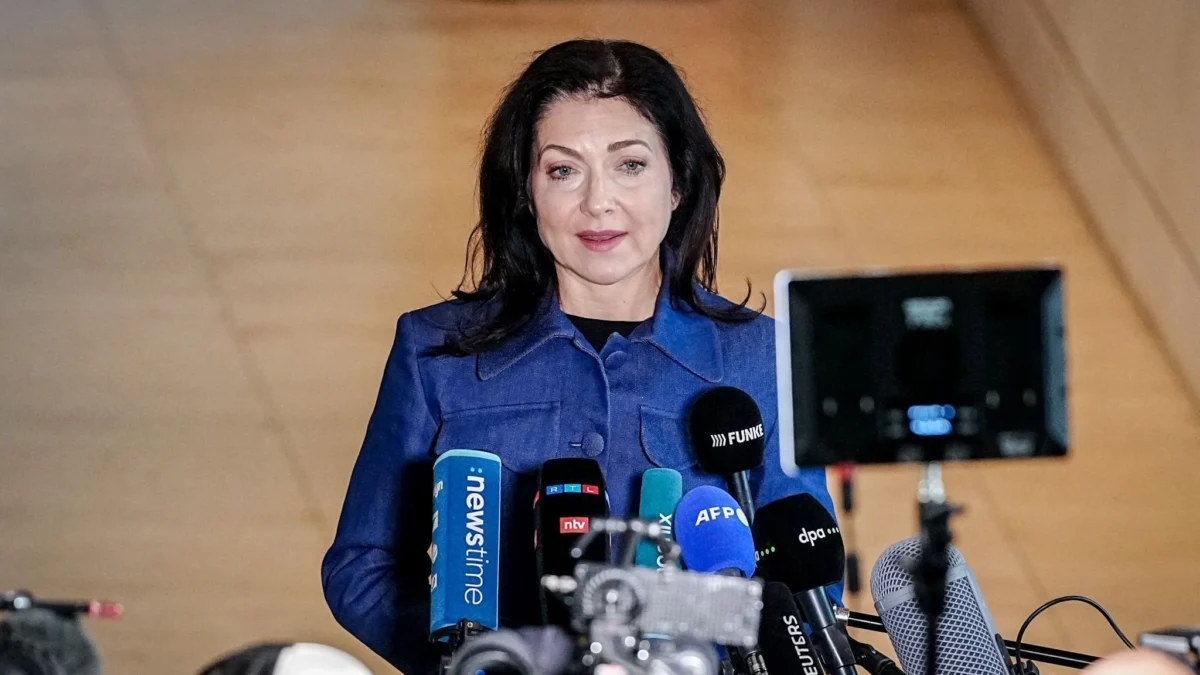
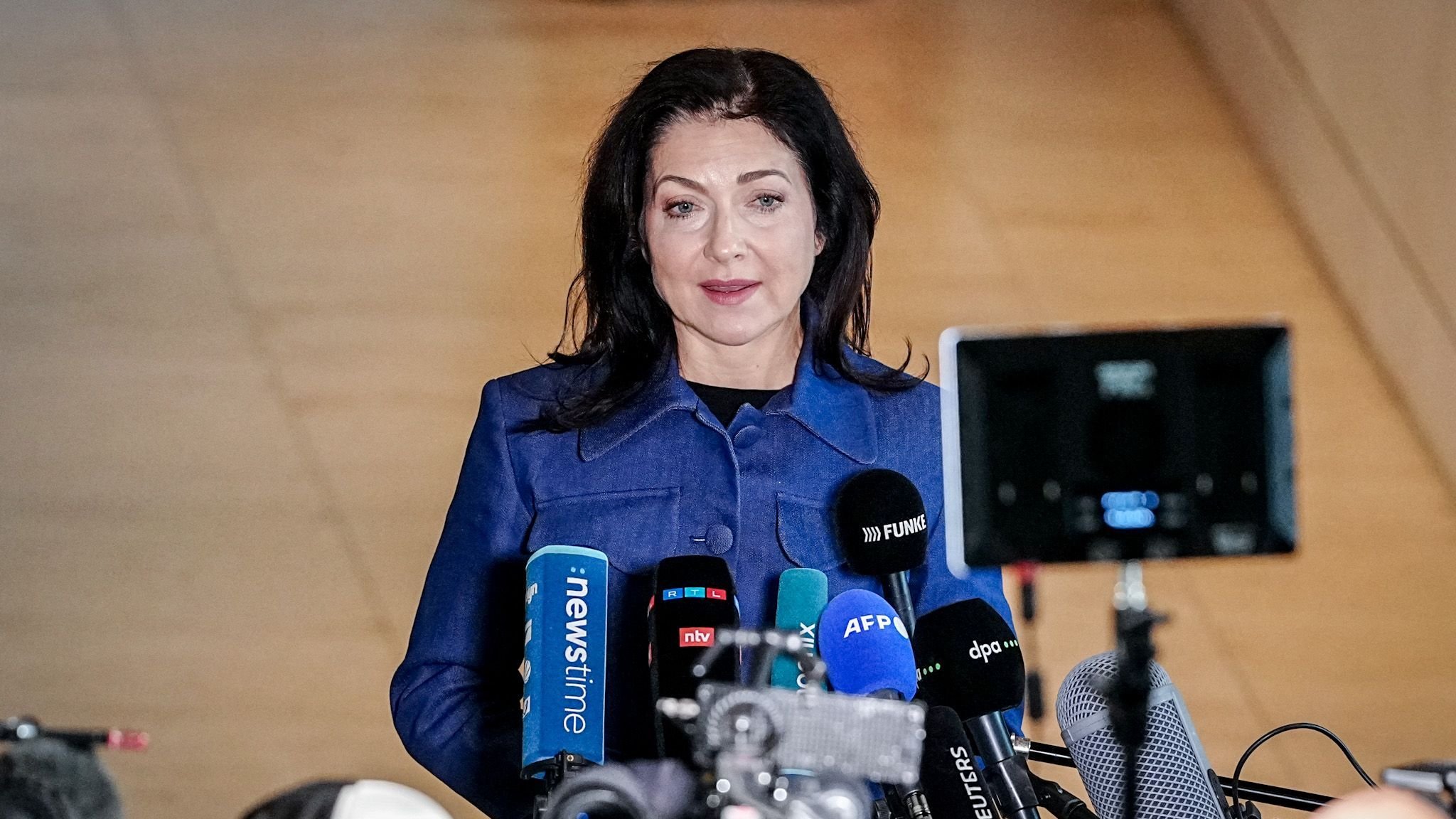
Federal Minister for Economic Affairs and Energy, Katherina Reiche, a member of the Christian Democratic Union (CDU), has publicly advocated for an increase in the commuter allowance (Pendlerpauschale) as part of these broader considerations. Speaking in the Bundestag, Reiche emphasized the necessity of providing further relief, stating, "It is important that we send a signal to those who are dependent on their cars." This statement underscores the government’s recognition of the significant role personal vehicles play in the daily lives of many Germans, particularly for commuting to work.
Background and Escalating Fuel Costs
The current situation is largely driven by a complex interplay of global geopolitical events and their subsequent impact on energy markets. The ongoing conflict in Eastern Europe has disrupted established supply chains and led to significant volatility in crude oil prices. Sanctions imposed on major oil-producing nations, coupled with increased global demand, have further exacerbated the upward pressure on fuel costs.
In Germany, this has translated into a palpable increase at the pump, affecting not only private vehicle owners but also businesses reliant on transportation and logistics. The rising cost of fuel has a cascading effect across the economy, contributing to inflationary pressures and impacting the purchasing power of households. Data from the Federal Statistical Office (Destatis) has shown a consistent upward trend in energy prices, with fuel costs being a significant contributor to the overall inflation rate. For instance, in the period leading up to the Bundestag’s decision, average gasoline prices (Super E5) in Germany had surpassed €2.00 per liter, a level not seen in recent years, while diesel prices followed a similar trajectory.

Timeline of Recent Developments
The Bundestag’s approval of the initial measures represents a culmination of several weeks of intense debate and negotiation within the governing coalition and across parliamentary factions.
- Early March 2026: Initial reports emerge of significant increases in fuel prices, prompting public concern and calls for government intervention.
- Mid-March 2026: Discussions intensify within the coalition regarding potential relief measures. Various options, including direct subsidies, tax reductions, and adjustments to existing allowances, are reportedly on the table.
- March 20, 2026: The Bundestag convenes for a special session to debate and vote on the first package of relief measures. Key proposals include temporary reductions in fuel excise duties and an increase in the energy allowance (Energiegeld).
- March 21, 2026: Following a majority vote, the Bundestag approves the initial package. The legislation is expected to take effect within days, providing immediate, albeit temporary, relief.
- Post-Approval Discussions: Federal Minister Katherina Reiche, along with other coalition members, begins to signal the need for further, more sustainable solutions, including a potential enhancement of the commuter allowance.
The Approved Relief Package: Initial Steps
The measures passed by the Bundestag are designed to offer immediate, albeit temporary, relief to consumers. While specific details of the enacted package are subject to official confirmation, key elements are understood to include:
- Temporary Reduction in Fuel Excise Duties: This measure aims to directly lower the price of gasoline and diesel at the pump by reducing the tax component. The duration and extent of this reduction are critical factors in its overall impact.
- Increased Energy Allowance (Energiegeld): This financial aid is intended to support households struggling with rising energy costs, which extend beyond fuel to include electricity and heating. The amount and distribution mechanism of this allowance are crucial for its effectiveness.
These measures are generally viewed as short-term interventions. Their effectiveness hinges on their duration and the magnitude of the reductions implemented. Analysts suggest that if the underlying causes of the price surge persist, these initial steps may only provide temporary respite.
Calls for Further Action: The Commuter Allowance

Beyond the immediate relief, there is a growing consensus among some political figures that more structural adjustments are needed. Federal Minister Katherina Reiche’s support for increasing the commuter allowance is a significant indicator of this sentiment. The commuter allowance, a tax deduction for employees covering the costs of their daily commute to work, is a well-established mechanism for offsetting transportation expenses.
Currently, the tax benefit amounts to €0.38 per full kilometer for the daily commute. An increase in this allowance would directly benefit individuals who rely on their private vehicles for their livelihood, particularly those living in areas with limited public transport options. The proposal aligns with the broader objective of ensuring that essential workers and those in rural areas are not disproportionately burdened by rising fuel costs.
Broader Economic and Political Context

The debate surrounding fuel prices and relief measures is taking place against a backdrop of broader economic challenges. Germany, like many other industrialized nations, is grappling with the economic fallout of the ongoing global energy crisis, coupled with the lingering effects of the COVID-19 pandemic. The government faces the delicate task of providing necessary support to its citizens without jeopardizing fiscal stability.
The opposition party, led by CDU Chairman Friedrich Merz, has been vocal in its criticism, arguing that the government’s initial measures are insufficient. Merz has stated that the current actions would "not be enough to dampen prices so that they become affordable again for consumers." This suggests a potential for continued political pressure on the government to implement more substantial and perhaps longer-term solutions.
The financial implications of any further relief measures, especially an increase in the commuter allowance, are significant. Germany’s federal budget is already under strain, and any new expenditure would require careful consideration of funding sources. Discussions are likely to involve debates about potential budget reallocations, tax adjustments, or the feasibility of taking on additional debt.

Analyzing the Implications
The government’s multi-pronged approach—combining immediate relief with the exploration of more structural measures—reflects the complexity of the issue.
- Economic Impact: The initial relief package aims to provide a short-term buffer, preventing a sharper decline in consumer spending. However, the long-term effectiveness depends on the resolution of the underlying global supply and demand dynamics for energy. An increase in the commuter allowance, if implemented, would offer more sustained support to a specific segment of the population, potentially boosting local economies in areas with a high reliance on private transportation.
- Social Equity: The focus on those dependent on cars acknowledges the differing impacts of rising fuel prices across socioeconomic groups. Individuals with lower incomes and those in rural areas are often more vulnerable to energy price shocks due to fewer alternatives to private transportation.
- Political Landscape: The ongoing debate highlights the political challenges of addressing an issue with widespread public concern. The government aims to demonstrate responsiveness while navigating economic realities and inter-party dynamics. The opposition’s stance suggests a potential for continued political scrutiny and debate.
- Energy Transition: While addressing immediate fuel price concerns, the situation also implicitly underscores the long-term need for accelerating the transition to renewable energy sources and enhancing energy efficiency. Reducing reliance on fossil fuels remains a strategic imperative for long-term energy security and price stability.
The coming weeks and months will be crucial in determining the scope and effectiveness of Germany’s response to the escalating fuel price crisis. The initial legislative steps provide a foundation, but the continued dialogue and potential for further measures indicate an evolving strategy aimed at providing comprehensive support to the German populace. The ultimate success of these efforts will be measured not only by the immediate relief provided but also by their contribution to long-term economic stability and energy resilience.
