

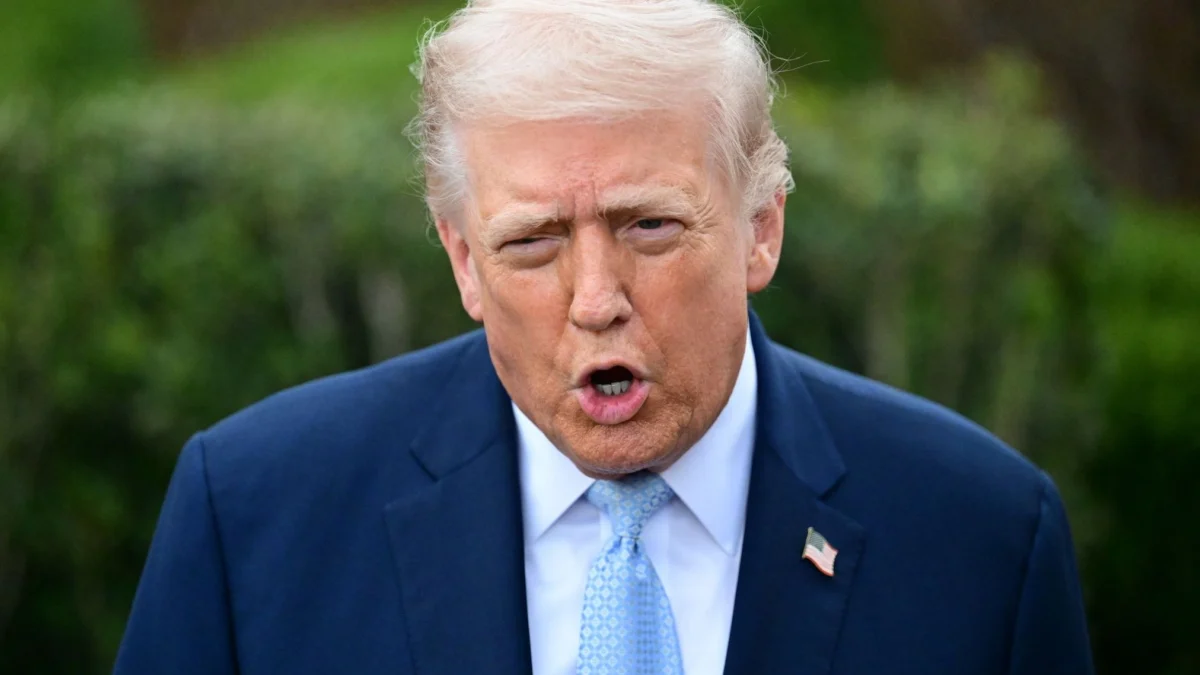
U.S. President Donald Trump has once again issued a stern warning to Iran, threatening "unprecedented attacks" should the nation fail to acknowledge its "defeat" in the ongoing conflict. The stark pronouncement, delivered by White House Press Secretary Karoline Leavitt, signals a hardening of American rhetoric as diplomatic efforts to de-escalate the crisis appear to be faltering. Iran has reportedly rejected a 15-point peace proposal put forth by the United States, further complicating the already volatile situation in the Middle East.
The escalating rhetoric comes amidst a backdrop of heightened regional tensions and a growing humanitarian crisis. The conflict, which has drawn in multiple international actors and regional powers, has led to significant displacement and disruption across the Middle East. Arab states have urgently called upon Iraq to halt attacks originating from its territory, underscoring the widespread concern over the potential for a wider conflagration. Meanwhile, German Foreign Minister Johann Wadephul has appealed to Iran to engage in negotiations, highlighting the international community’s push for a diplomatic resolution.
Escalating Rhetoric and Diplomatic Stalemate
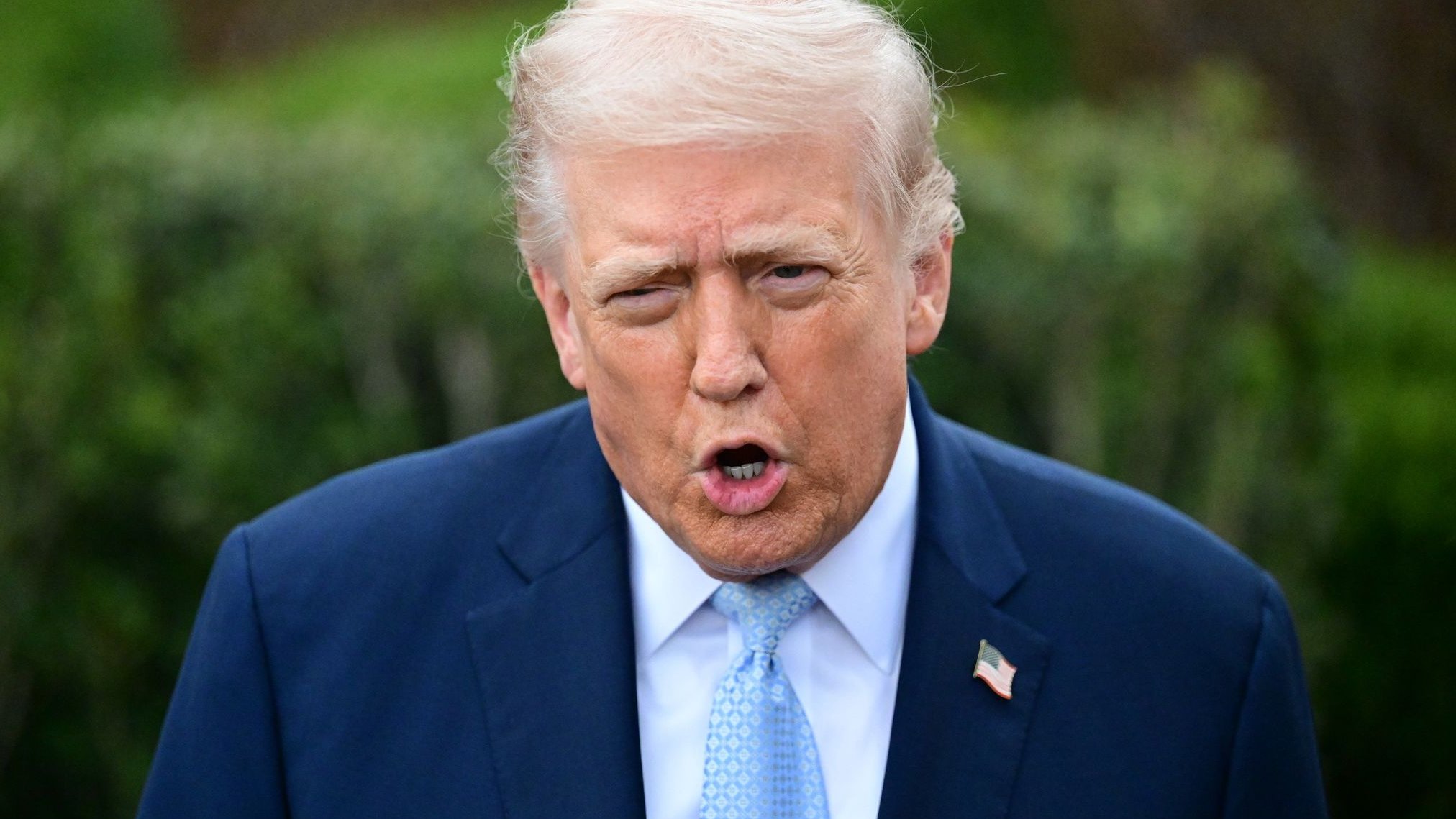
White House Press Secretary Karoline Leavitt stated on March 25, 2026, that President Trump was prepared to strike Iran "harder than ever before" if the country did not concede. This statement, made to journalists, reflects a significant escalation in the U.S. administration’s public stance. The underlying message appears to be that the U.S. views the current trajectory as one where Iran must accept a decisive outcome, rather than prolonging hostilities or seeking to dictate terms of engagement.
The reported rejection of the U.S.-proposed 15-point plan by Iran is a critical development. While the specifics of this plan have not been fully disclosed, it is understood to have been an attempt to outline a framework for de-escalation and potential future relations. Iran’s refusal suggests a divergence in perceived objectives and a lack of trust in the U.S. proposal as a viable path to peace. This rejection fuels concerns that the conflict may be entering a more protracted and potentially more destructive phase.
Background and Context of the Iran Conflict
The current conflict, often referred to as the Iran War, has deep roots in a complex web of geopolitical rivalries, ideological differences, and regional power struggles. Tensions have been simmering for years, fueled by Iran’s nuclear program, its support for proxy groups across the Middle East, and its challenging of U.S. influence in the region. The conflict escalated significantly following a series of provocations and retaliatory actions, though the exact sequence of events leading to the current open warfare is subject to ongoing analysis and differing accounts.
The involvement of Israel, a key U.S. ally, has further complicated the dynamics. Israel views Iran as a primary existential threat and has been a vocal proponent of robust action against Tehran’s regional ambitions. The recent uptick in exchanges between Iran and Israel, including missile firings and alleged retaliatory strikes on military-industrial facilities, underscores this fraught relationship.
Timeline of Key Developments (March 2026)
- Early March 2026: Reports emerge of a U.S.-proposed 15-point plan aimed at de-escalating the conflict with Iran.
- March 25, 2026: White House Press Secretary Karoline Leavitt issues a strong warning from President Trump, threatening "unprecedented attacks" if Iran does not accept defeat.
- March 25, 2026: Iranian state television, citing an anonymous source, reports that Iran has rejected the U.S. 15-point peace proposal.
- March 25, 2026: Arab states, including Kuwait, the UAE, Bahrain, Saudi Arabia, Qatar, and Jordan, issue a joint statement urging Iraq to halt attacks originating from its territory.
- March 25, 2026: German Foreign Minister Johann Wadephul expresses hope for negotiations and calls on Iran to respond positively to diplomatic overtures.
- March 25, 2026: The UN High Commissioner for Refugees, Barham Salih, appeals for urgent funding to address the growing humanitarian crisis in the Middle East, exacerbated by the conflict.
- March 25, 2026: Israel’s Foreign Minister Gideon Saar calls on the UN Security Council to designate Hezbollah as a terrorist organization, citing thousands of rocket and drone attacks.
- March 25, 2026: Egypt confirms receipt and review of the U.S. plan for ending the Iran War.
- March 25, 2026: UN Secretary-General António Guterres calls for an end to the Iran War, condemning the escalating violence and human suffering.
Humanitarian Crisis and Regional Impact
The conflict has created a severe humanitarian crisis, with millions displaced and in need of assistance. According to UN figures, approximately 3.2 million people are internally displaced within Iran, and over a million have fled to Lebanon. The disruption to global supply chains, particularly through the Strait of Hormuz, has also had significant economic repercussions. The shipping company Hapag-Lloyd reported weekly additional costs of up to $50 million due to the blockade, including increased fuel and insurance expenses. Six of their ships remain stranded in the Persian Gulf, posing logistical and humanitarian challenges for their crews.

The United Nations High Commissioner for Refugees, Barham Salih, has issued an urgent plea for financial aid, stating that less than 10% of the required $69 million has been received. The conflict’s expansion has hampered the global distribution of aid through the UN logistics hub in the United Arab Emirates, further compounding the crisis.
International Reactions and Diplomatic Efforts
The international community has largely voiced concern and urged for a diplomatic resolution. Germany, through its Foreign Minister Johann Wadephul, has welcomed President Trump’s willingness to engage in negotiations, emphasizing that diplomatic channels should be fully explored. The spokesperson for the French military indicated that discussions would be held with regional army chiefs regarding the restoration of maritime navigation in the Strait of Hormuz, though France has maintained a cautious stance, avoiding direct military involvement until hostilities subside.

Meanwhile, several nations have been attempting to mediate. Pakistan has offered to host negotiations between the U.S. and Iran, and the Turkish government has also indicated its engagement in transmitting messages between the two parties, aiming to de-escalate tensions and create conditions for dialogue. However, the effectiveness of these mediation efforts remains uncertain, given Iran’s initial rejection of the U.S. proposal and its consistent stance against direct negotiations with Washington.
Strategic Implications and Potential Future Scenarios
The hardening stance from the U.S. and Iran’s reported rejection of the peace plan raise serious concerns about the future trajectory of the conflict. The threat of "unprecedented attacks" could signal a willingness to employ more aggressive military tactics, potentially leading to a significant escalation of violence. This could have devastating consequences for the region and the global economy.

The involvement of proxy groups and the potential for new fronts, such as Iran’s threat to open a new front at the Bab al-Mandab strait, highlight the interconnectedness of the conflict and the risk of wider regional destabilization. The Strait of Hormuz and the Bab al-Mandab are critical chokepoints for global maritime trade, and any disruption there could have severe economic ramifications worldwide.
The statements from the Gulf states, warning of an "existential threat" from Iranian actions, underscore the deep-seated regional anxieties. Their condemnation of Iran’s "aggressive actions" and "expansionist behavior" reflects a broad consensus among many Arab nations regarding the destabilizing influence of Tehran. The UN Human Rights Commissioner’s statement that Iranian actions could constitute war crimes further adds to the gravity of the situation and the potential for international legal repercussions.
The conflict also has implications for global energy markets. Japan’s government has indicated its consideration of releasing further oil from strategic reserves, a move that would typically be coordinated with the International Energy Agency (IEA) to stabilize prices. This suggests that the conflict’s impact on oil supply is already being felt and could worsen if hostilities intensify.

As the diplomatic landscape remains fraught with mistrust and conflicting objectives, the international community faces the immense challenge of preventing a further descent into widespread conflict. The coming days and weeks will be critical in determining whether a path towards de-escalation can be forged or if the region is headed towards an even more destructive confrontation. The coming days will be crucial in observing whether diplomatic channels, however strained, can ultimately prevail over the rhetoric of military escalation.
