

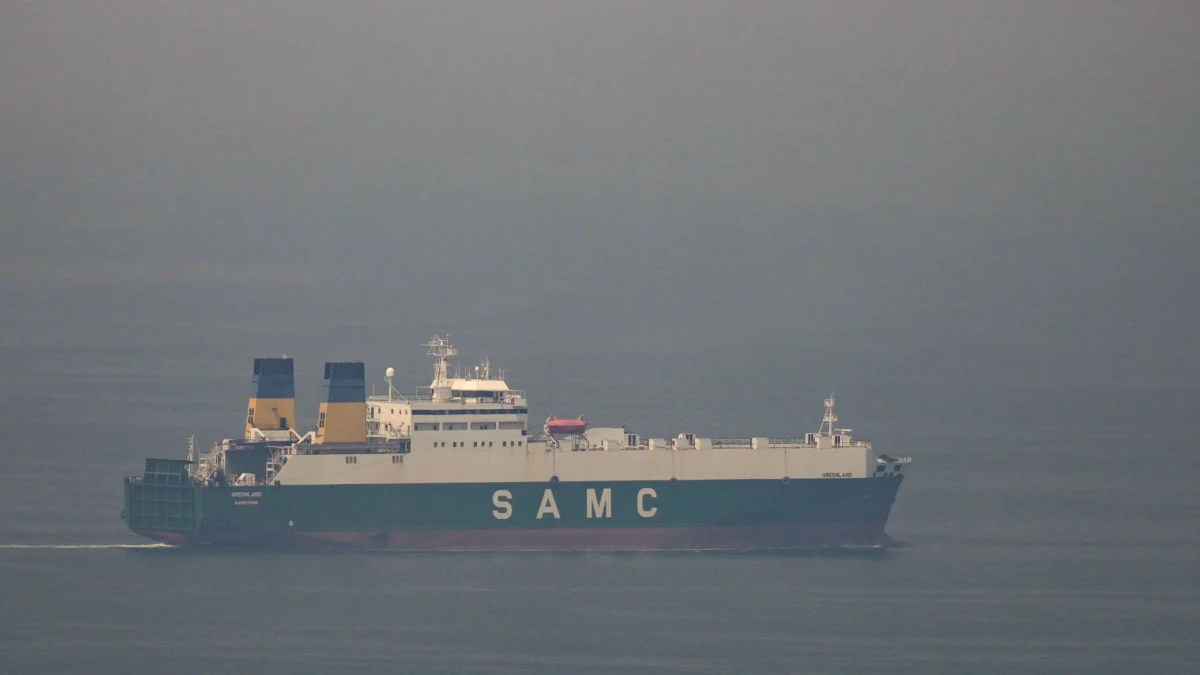
The geopolitical landscape in the Middle East is under immense strain as Iran issues a stark warning regarding the Strait of Hormuz, a critical chokepoint for global oil transit. The Islamic Republic has threatened a complete closure of the vital waterway, a move that could have profound and far-reaching economic and security implications for the international community. This escalation comes amid a backdrop of intensifying conflict involving Iran, Israel, and their respective proxies, creating a volatile environment where strategic waterways are increasingly becoming leverage points.
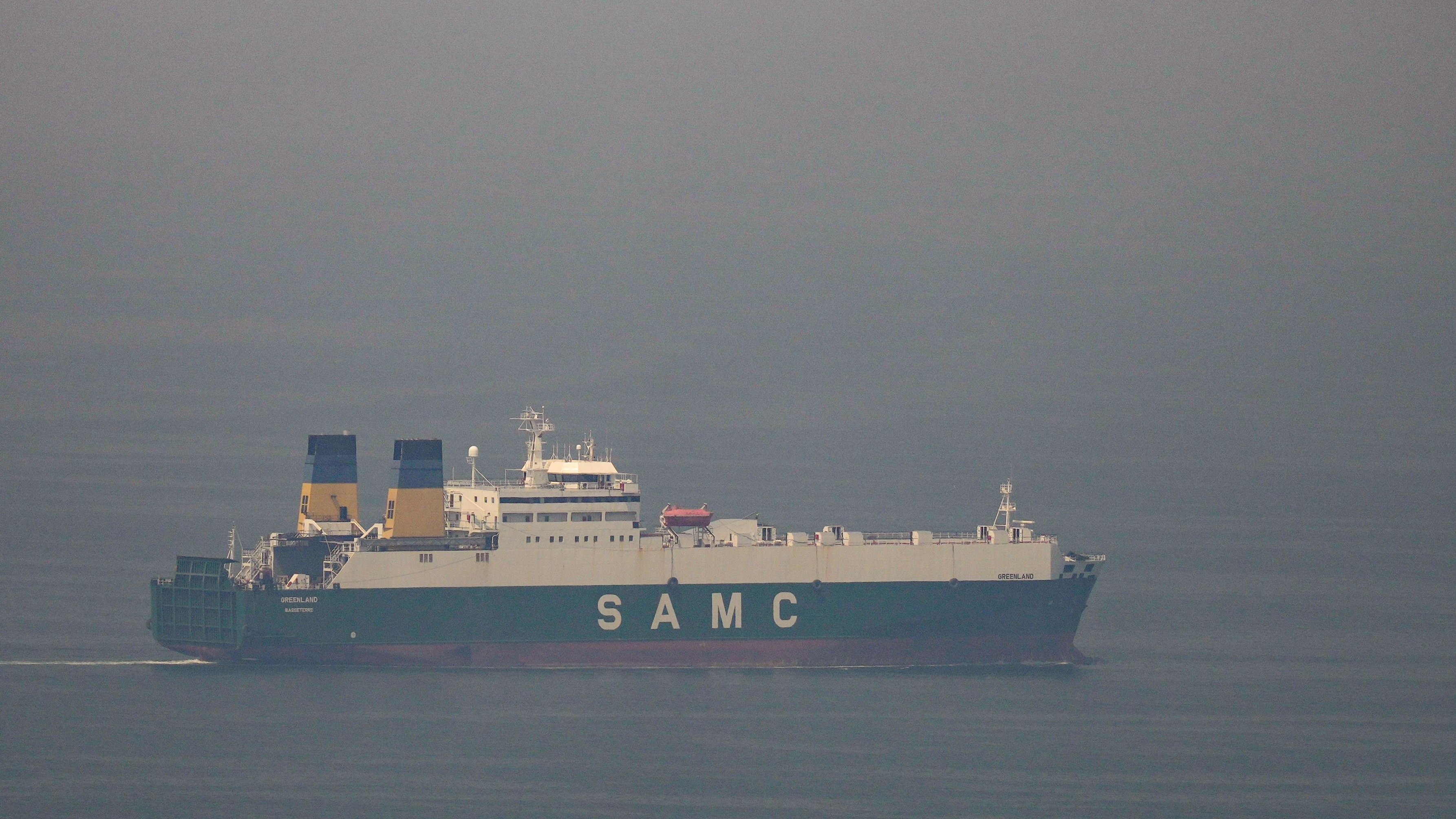
The Strait of Hormuz, a narrow passage connecting the Persian Gulf to the Gulf of Oman, is a linchpin of global energy security. An estimated 30% of the world’s seaborne oil trade passes through this strategic strait daily. Any disruption to this flow would invariably lead to significant spikes in crude oil prices, impacting economies worldwide and potentially triggering a global energy crisis. The Iranian threat underscores the high stakes involved in the current regional confrontation and highlights the potential for the conflict to spill over and destabilize vital international trade routes.
The escalating rhetoric and actions follow a series of recent developments, including an ultimatum issued by U.S. President Donald Trump to Iran, demanding the reopening of the Strait of Hormuz within 48 hours or facing severe repercussions, including attacks on Iranian power plants. This ultimatum, delivered via social media, has been met with defiance from Tehran, which views such demands as a direct provocation. The Iranian Revolutionary Guard Corps (IRGC) responded by stating that the Strait would be completely blocked until destroyed power plants are rebuilt, a veiled threat indicating a potentially prolonged and severe blockade if their infrastructure is targeted.
Chronology of Escalation and Key Developments
The current crisis has a discernible timeline, marked by a series of escalating events:
- March 21, 2026, 8:05 PM: Iran claims to have attacked air force bases in the UAE and Kuwait, alleging they were used for strikes against Iranian islands in the Persian Gulf.
- March 21, 2026, 6:54 PM: Iranian state media reports a child killed in an attack in southwestern Iran, with a hospital also damaged.
- March 21, 2026, 6:43 PM: Israel denies involvement in an alleged airstrike on Iran’s Natanz nuclear facility. The International Atomic Energy Agency (IAEA) confirms Iran notified them of the incident, with no reports of increased radiation.
- March 22, 2026, 12:07 AM: U.S. President Donald Trump issues an ultimatum, threatening attacks on Iranian power plants if the Strait of Hormuz is not reopened within 48 hours.
- March 22, 2026, 1:07 AM: Reports emerge of an unidentified projectile hitting a ship off the coast of the United Arab Emirates.
- March 22, 2026, 1:07 AM: The Israeli military claims to be striking targets in Tehran. Details remain scarce.
- March 22, 2026, 1:19 AM: German Chancellor Friedrich Merz speaks with President Trump about the situation in Iran, Israel, and Ukraine, agreeing to maintain close contact.
- March 22, 2026, 7:09 AM: Iran claims to have attacked Ben Gurion Airport near Tel Aviv with drones. Israel confirms heavy rocket alarms in the Tel Aviv area.
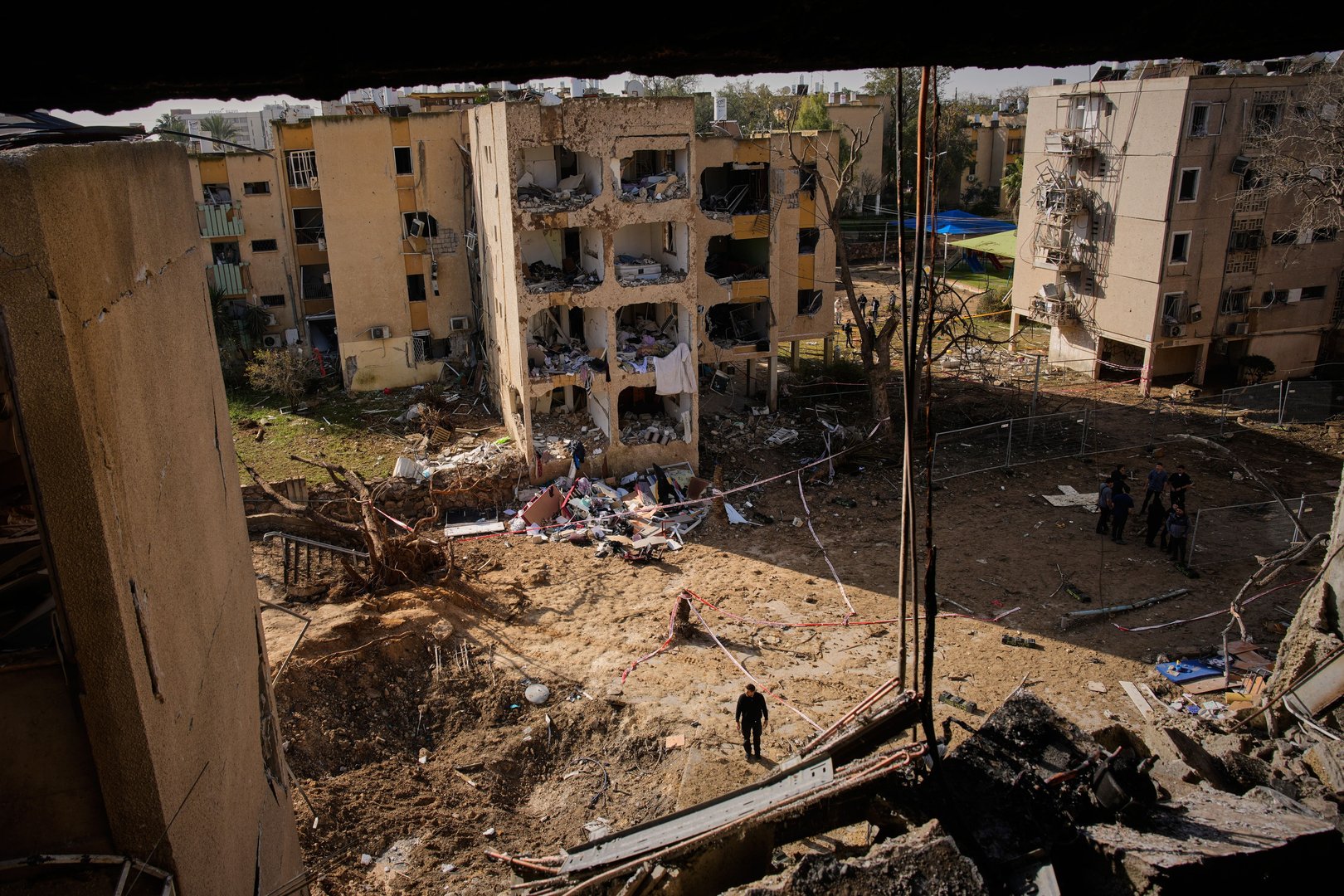
- March 22, 2026, 8:49 AM: Iran continues its missile attacks on Israeli targets. Israel confirms heavy damage and over 100 injured in southern cities Dimona and Arad.
- March 22, 2026, 10:31 AM: Israel directs its military to accelerate the destruction of homes in Lebanese border villages and bridges over the Litani River, citing threats to Israeli communities and "terrorist activities."
- March 22, 2026, 10:31 AM: German Defense Minister Boris Pistorius reiterates Germany’s stance to only participate in securing the Strait of Hormuz after a ceasefire, emphasizing no desire to be drawn into the conflict.
- March 22, 2026, 10:39 AM: Iran reports an attack on the Israeli nuclear research facility near Dimona.
- March 22, 2026, 10:58 AM: Israel confirms direct hits in Arad and Dimona from Iranian missile attacks, reporting catastrophic damage and numerous casualties.
- March 22, 2026, 1:07 PM: Israel attacks a key bridge in southern Lebanon, as reported by Lebanese state media.
- March 22, 2026, 6:01 PM: Reza Pahlavi, son of the last Shah of Iran, calls on President Trump to reconsider his ultimatum regarding the Strait of Hormuz, urging protection of civilian infrastructure.
- March 22, 2026, 7:20 PM: Israel’s military anticipates ongoing conflict with Iran and Hezbollah for several more weeks.
- March 23, 2026, 12:19 AM: Goldman Sachs significantly raises its oil price forecast for 2026, citing Middle East crisis uncertainty.
Economic Ramifications and Market Reactions
The immediate and most palpable consequence of Iran’s threat and the broader regional instability is the impact on global energy markets. Goldman Sachs, a leading financial institution, has already revised its oil price projections upwards. The bank anticipates an average Brent crude price of $85 per barrel in 2026, a substantial increase from its previous forecast of $77. For West Texas Intermediate (WTI), the forecast has been raised to $79 from $72. This upward revision is directly attributed to the "uncertainty over the duration of the crisis in the Middle East."

Goldman Sachs further noted that if supplies through the Strait of Hormuz were to fall to just five percent of their usual volume by April 10th, prices would likely surge. This prediction underscores the delicate balance of global oil supply and the outsized influence that events in this strategically vital region wield over international markets. A prolonged disruption could trigger inflationary pressures across various sectors, impacting transportation costs, manufacturing, and consumer prices globally.
International Responses and Diplomatic Efforts
The escalating tensions have drawn reactions and statements from key international players, reflecting a mixture of concern and cautious engagement.

- United States: President Trump’s direct ultimatum to Iran signals a more assertive, and some might say confrontational, approach. The threat to attack Iranian power plants, should the Strait remain closed, represents a significant escalation in rhetoric.
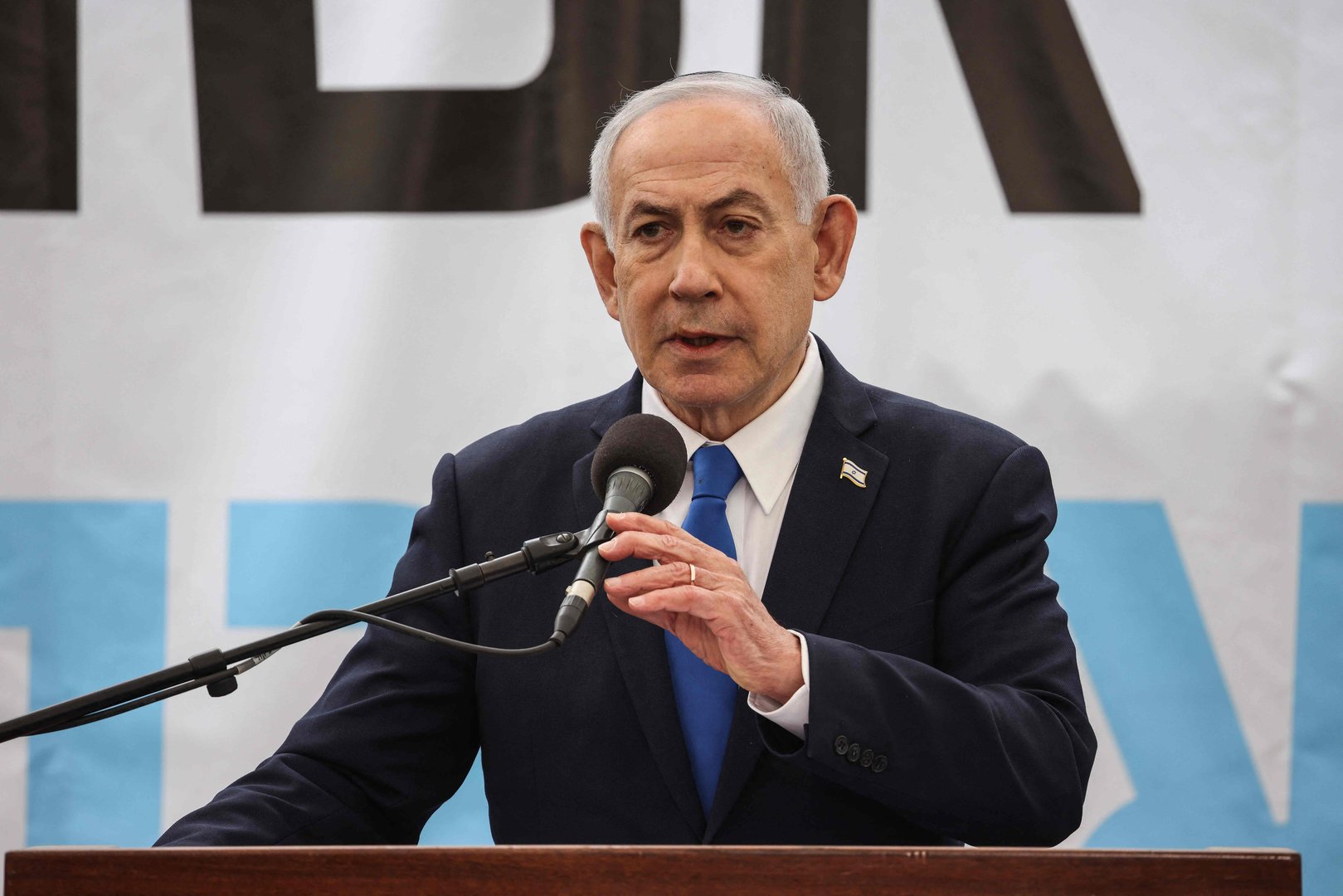
- Israel: Prime Minister Benjamin Netanyahu has called on other nations to join the fight against Iran, emphasizing a global coalition against perceived Iranian aggression. Israel’s military is reportedly preparing for prolonged conflict, expecting engagements with Iran and Hezbollah to last for weeks.
- Germany: Defense Minister Boris Pistorius has stated Germany’s commitment to helping secure the Strait of Hormuz, but only after a ceasefire. This position highlights a desire to avoid direct military involvement in ongoing hostilities while still acknowledging the need for future stability.
- United Kingdom: The British government has adopted a more reserved stance, with Housing Minister Steve Reed stating that while the UK will protect its interests in the region, it will not be drawn into war. Collaboration with allies to de-escalate the situation is a stated priority.
- Iran: The Iranian government, through its military and state media, has projected a defiant posture, framing its actions as defensive responses to perceived provocations and ultimatums. The threat to close the Strait of Hormuz is presented as a direct consequence of potential attacks on its infrastructure.
- Saudi Arabia: In a significant diplomatic move, Saudi Arabia has expelled Iran’s military attaché and four other embassy staff, citing ongoing Iranian attacks on Saudi territory. This action underscores the deepening rift between the two regional powers.
- European Union: The European Commission, acknowledging the impact of the conflict on energy prices, has proposed a reduction in the gas storage filling target for member states. This measure aims to mitigate the demand-side pressure on gas prices amidst a volatile supply situation.
Background and Broader Context
The current crisis is not an isolated incident but rather a culmination of long-standing geopolitical rivalries and regional power struggles. The tensions between Iran and Israel have been particularly acute, fueled by Iran’s nuclear program, its support for regional militant groups like Hezbollah and Hamas, and Israel’s security concerns. The Strait of Hormuz has historically been a point of contention, with Iran previously threatening to close it during periods of heightened conflict or sanctions.
The involvement of the United States, through President Trump’s direct intervention, adds another layer of complexity. The US has long been a key player in the Middle East, with significant security interests and alliances in the region. The perceived shift in US policy towards a more direct and confrontational stance towards Iran could further inflame regional dynamics.

The broader implications of a prolonged conflict or a closure of the Strait of Hormuz extend far beyond the immediate region. Global supply chains, already strained by recent geopolitical events, would face immense pressure. The price of oil, a fundamental commodity underpinning much of the global economy, would likely skyrocket, leading to increased inflation and potentially a global economic downturn. Furthermore, the risk of a wider, multi-front conflict involving regional and global powers remains a significant concern, with devastating humanitarian and economic consequences.
Analysis of Implications
The Iranian threat to close the Strait of Hormuz is a high-stakes gambit, designed to exert maximum pressure on global powers, particularly the United States and its allies. By leveraging its strategic position, Iran seeks to deter potential military action and to force a diplomatic re-evaluation of the current standoff.
The economic impact of such a closure would be immediate and severe. The projected increase in oil prices by Goldman Sachs is a conservative estimate, and a sustained blockade could lead to even more dramatic price surges. This would disproportionately affect developing nations that are heavily reliant on oil imports and could destabilize economies worldwide.
The diplomatic fallout is also significant. While some nations, like Germany, are signaling a reluctance to be drawn into direct military conflict, others, like Israel, are advocating for a more robust response. The diverging approaches among key international actors could complicate efforts to de-escalate the crisis and find a peaceful resolution. The expulsion of Iranian diplomats by Saudi Arabia signals a further fracturing of regional relations, potentially isolating Iran further and increasing the risk of miscalculation.
Ultimately, the situation in the Strait of Hormuz remains highly fluid and fraught with danger. The coming days and weeks will be critical in determining whether diplomatic channels can prevail over military posturing and whether the world can avert a catastrophic escalation that would have profound and lasting global repercussions. The complete closure of this vital waterway would not just be an economic blow but a stark indicator of a world teetering on the brink of widespread conflict.
