

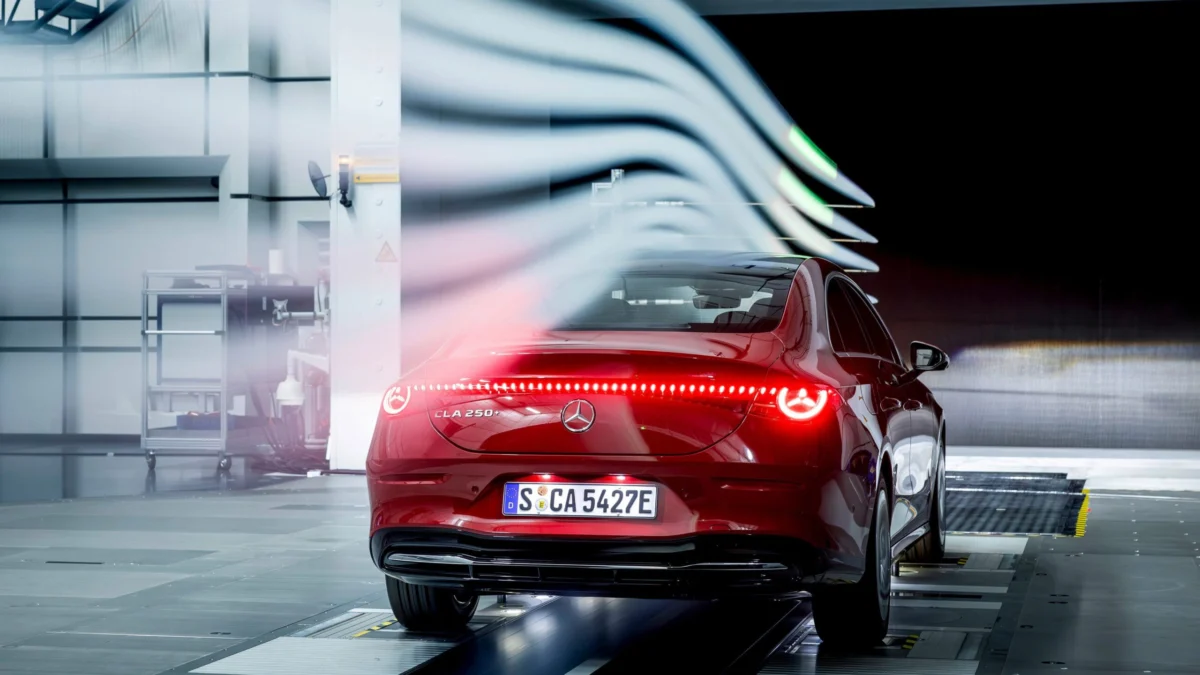
Exactly one year ago, Mercedes-Benz unveiled its coupe sedan, the CLA, to the global public, heralding what CEO Ola Källenius described as "the dawn of a new era." This pivotal model, alongside a broader offensive, is seen by industry analysts as crucial for Källenius’s own tenure. "The models must succeed; there are no more excuses," stated automotive expert Stefan Bratzel, head of the Center of Automotive Management. Recent analyses of delivery figures by Handelsblatt offer an early glimpse into the CLA’s performance, revealing a stark contrast between its reception in Europe and its struggles in the crucial Chinese market, all while Mercedes-Benz navigates its ambitious electrification strategy.
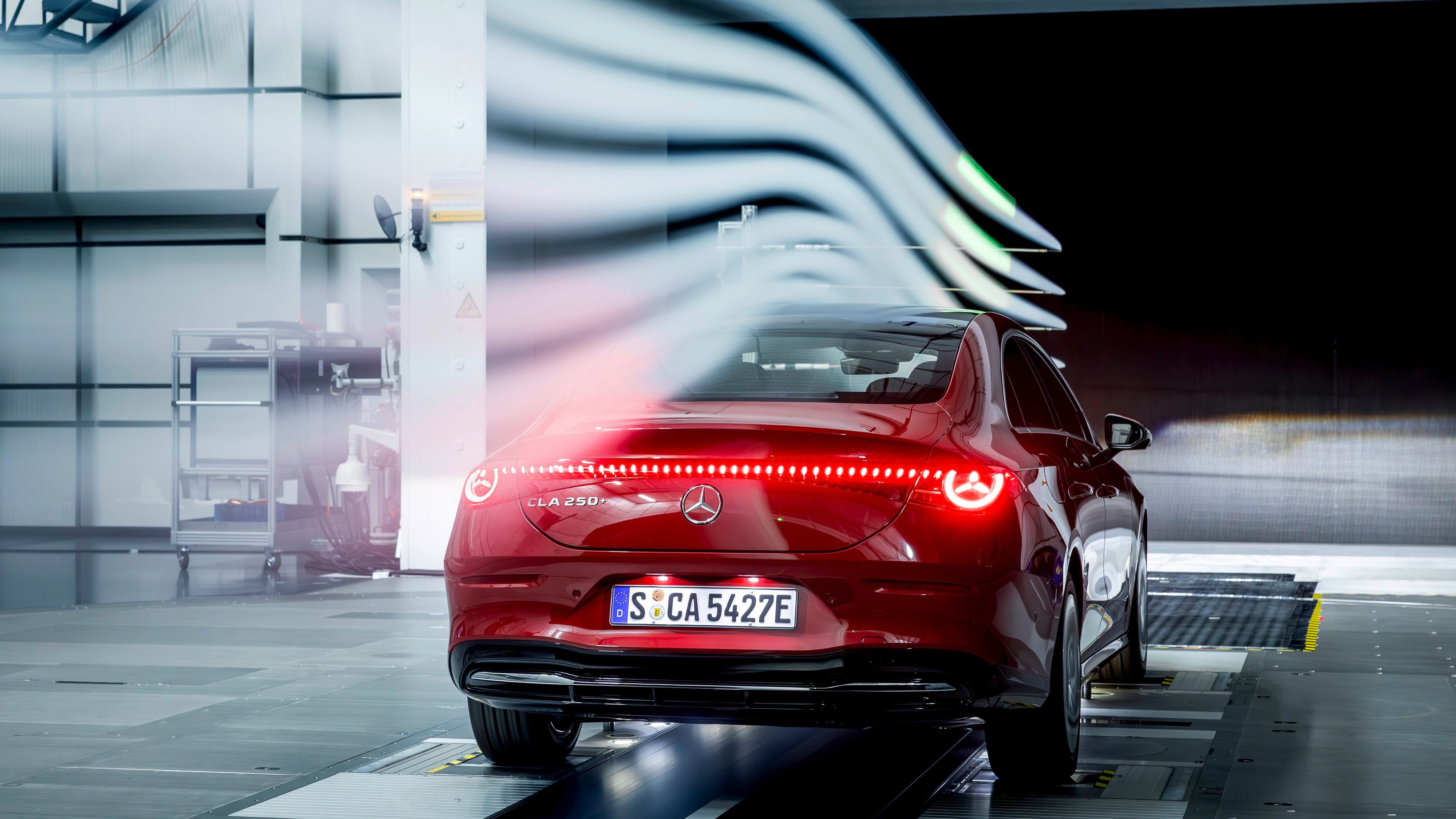
European Reception Exceeds Expectations
In Europe, the new all-electric CLA has demonstrated a strong start, significantly surpassing initial expectations. Data from the service provider Dataforce, analyzed by Handelsblatt, shows nearly 25,500 registrations in Europe up to February. Industry insiders view this as a successful launch, especially considering the prevailing challenging market conditions. Bratzel commented, "In a difficult market environment, these numbers are very good."
Mercedes-Benz management anticipates a further increase in sales, driven by robust pre-order figures. Mathias Geisen, Head of Sales at Mercedes-Benz, informed Handelsblatt that the CLA "significantly exceeded our expectations in February as well," with order books extending well into the second half of 2026. The production facility in Rastatt is operating at full capacity, running three shifts to meet demand.
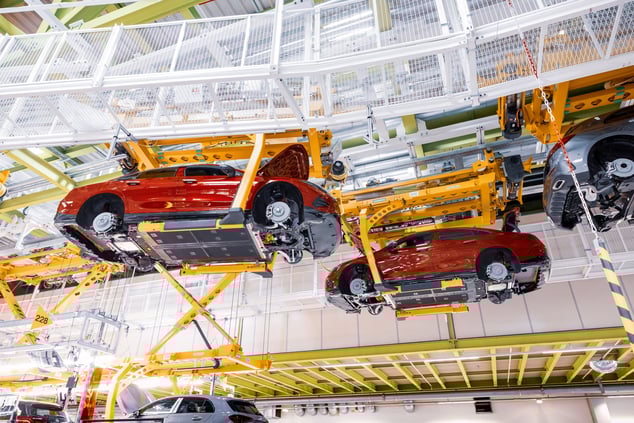
The CLA’s public debut occurred in March 2025, with production commencing and the first vehicles reaching showrooms in the autumn. Since September, Dataforce has recorded an average of 4,000 CLA registrations per month across Europe. Germany leads the pack with over 9,600 units registered, followed by the United Kingdom with 3,700 and Belgium with nearly 2,400. Notably, 30% of CLA purchases are made by private individuals, while half are acquired as company cars, with the remainder being self-registrations.
The vehicle’s technological prowess and design have garnered significant accolades. A European jury named the CLA "Car of the Year 2026," and it achieved the highest ranking in tests conducted by the industry magazine "Auto Motor und Sport." Bratzel also acknowledged the vehicle’s quality, stating, "Mercedes has delivered a very good vehicle with the CLA, which is technologically up-to-date."

A New Era of Software Integration and Design Evolution
The CLA represents a significant milestone for Mercedes-Benz, being the first vehicle where software development took center stage. The newly developed operating system, MB.OS, is also integrated into other new models and enables features like navigation via Google Maps rendered in Mercedes’ signature design language. Furthermore, MB.OS facilitates the integration of advanced automated and autonomous driving functions.
The design of the CLA also marks a strategic shift for the brand. Mercedes-Benz has moved away from the rounded silhouettes of its earlier EQ electric models, which apparently did not resonate with its traditional customer base. The company has since discontinued the EQ branding for these specific models and is now implementing a unified design language across both electric and combustion engine vehicles, reintroducing iconic brand elements such as the star logo, laurel wreath, and the distinctive grille.

Inside, the CLA features a full-width display stretching across the entire cockpit, a design choice that differentiates it from competitors like BMW, which opts for a smaller central display complemented by a head-up display in its newer models.
China’s Shifting Market Dynamics and the CLA’s Stagnation
Despite the promising European performance, Mercedes-Benz faces a significant challenge in reversing its declining market share in China, the world’s largest automotive market. The CLA, intended to spearhead this resurgence, has so far failed to gain traction. Internal reports suggest that sales figures are considerably lower than anticipated, with the company acknowledging it has "not yet reached its desired position." This is particularly concerning given that Mercedes-Benz produces a special long-wheelbase version of the CLA for the Chinese market at its Beijing plant.

While the CLA did outsell all previous EQ electric models in January, overall registration data from the service provider Marklines, covering October to January, indicates only around 1,600 units. This figure is based on insurance registrations. Monthly registrations, which ranged between 560 and 680 at the end of the year, dropped to 220 in January. This decline coincided with a broader slowdown in the Chinese auto market at the start of the year, partly attributed to the reduction of subsidies for electric vehicles.
Automotive expert Bratzel expressed a cautious outlook for the CLA in China, stating, "Sales in China are likely within Mercedes’ low expectations." He anticipates no significant surge in CLA sales in the People’s Republic due to intense competition. "The vehicle faces competitors in China that build similarly good vehicles but can produce and sell them more affordably," he added.

The fiercely competitive Chinese market, with over 100 automotive players, is experiencing a price war, especially impacting the entry-level segment where the CLA competes. Oliver Thöne, Head of Mercedes-Benz China, indicated that the company is conceding somewhat to the price pressure in China but is not engaging in aggressive discounting, unlike some rivals. He characterized the CLA in China as "positioned slightly more as a niche product than in Germany."
Furthermore, Chinese consumers are increasingly favoring larger vehicles over smaller sedans, a trend that does not align with the CLA’s profile. The CLA was primarily conceptualized with the European market in mind, and its appeal in China appears to be limited by these evolving consumer preferences.

The Crucial Role of the GLC and Future Electrification Goals
Looking beyond the CLA, Mercedes-Benz’s future success in China, and globally, will hinge on other key models. The fully electric E-Class, slated for launch next year, and the GLC SUV are considered "critically important" by CEO Källenius. The GLC, launched in the fall of 2023, has also seen its sales figures significantly exceed expectations, according to Mathias Geisen. He noted that many customers decide to purchase the GLC even before a test drive, seeing it as a strong testament to the brand’s reliability. Production of the GLC in Bremen is operating in three shifts, with additional Saturday shifts to meet demand.
While the CLA’s performance in China remains a concern, Mercedes-Benz is also implementing strategies to boost its sales. Over 600 CLA units have been sold to rental car companies, a segment Mercedes-Benz had previously sought to avoid due to lower profit margins. The CLA is currently available through premium rental providers like Sixt in Germany.

In the United States, the CLA has only been available since January. Mercedes-Benz anticipates stronger sales for the hybrid variant in the US, where demand for pure electric vehicles has been subdued. The hybrid CLA is expected to be available from late 2025.
Mercedes-Benz’s broader strategic objective is to significantly increase its electric vehicle sales. In 2025, only one in ten new Mercedes vehicles sold was a fully electric model, falling short of Källenius’s initial ambition to electrify the entire fleet by the end of the decade. The revised target is for 40% of new vehicles to be either fully electric or hybrid by the end of the decade, compared to the current figure of approximately 19%.

The model offensive includes other significant launches such as the GLB compact SUV, introduced in December, which has seen "excellent" order intake, according to sales chief Geisen. The S-Class also continues to perform strongly. In the coming week, Mercedes-Benz will unveil updated versions of its large GLE and GLS SUVs in the US. These models, while still featuring combustion engines, will incorporate Mercedes-Benz’s latest software advancements.
The company is also focusing on integrating its new software platform into upcoming models, including the updated GLE and GLS SUVs. This emphasis on software is a key component of Mercedes-Benz’s strategy to enhance the digital user experience and unlock new revenue streams through connected services. The success of these initiatives, particularly in the competitive Chinese market, will be closely watched as the automotive industry continues its rapid transformation.
