


The German coalition government has reached an agreement to lower the electricity tax, a move that, while providing some relief to households and businesses, has been met with a degree of skepticism regarding its overall impact. The decision, finalized late on Wednesday night, aims to reduce the burden of high energy costs, a persistent concern for many citizens and industries grappling with economic headwinds. While the gesture is intended to be a positive step, its limited financial scope has drawn comparisons to a famously understated analogy, highlighting the challenges the government faces in delivering substantial economic relief.
Background of the Electricity Tax Debate
The debate surrounding the electricity tax has been ongoing for some time, fueled by rising energy prices and the need to support both consumers and the industrial sector. Germany, like many European nations, has been navigating the complexities of energy security, transitioning to renewable sources, and mitigating the inflationary pressures that have impacted household budgets. The electricity tax, levied on the consumption of electrical energy, is a component of the overall energy price, and its reduction has been a point of contention within the ruling coalition, comprising the Social Democratic Party (SPD), the Green Party, and the Free Democratic Party (FDP).
The initial proposal for a significant tax reduction faced internal disagreements, particularly concerning the fiscal implications and the specific beneficiaries of such a measure. The FDP, often advocating for tax relief and fiscal discipline, pushed for a more comprehensive approach, while other parties focused on targeted support and ensuring the long-term stability of energy infrastructure. The eventual agreement represents a compromise, a common characteristic of coalition governance in Germany, but one that has left some questioning its efficacy in addressing the scale of the problem.
The "Currywurst Without Mayo" Analogy
The current decision has drawn a stark parallel to a quote from the late Guido Westerwelle, former leader of the FDP and Finance Minister, in 2009. At that time, Westerwelle famously described a particular economic stimulus measure as akin to "currywurst without mayo and fries." This analogy was used to convey that while the measure was intended to provide relief, it was incomplete and lacked the full substance to be truly satisfying or impactful. The sentiment resonates with the current electricity tax cut, which, despite its intention, offers a relatively modest financial benefit.
Financial Impact and Savings for Households
The specifics of the agreement reveal that the reduction in the electricity tax for private households and businesses not previously benefiting from exemptions will amount to approximately five billion euros in 2027. For a typical four-person family consuming 4,000 kilowatt-hours of electricity annually, this translates to a saving of roughly 93 euros per year. This equates to a monthly saving of approximately eight euros. To put this into perspective, using the analogy of a popular German fast-food item, this saving would not even cover the cost of three currywurst meals at a well-known Berlin eatery like Konnopke’s Imbiss, where a single currywurst costs around 2.90 euros. Furthermore, this saving is intended to be temporary, lasting for only one year, which adds another layer to the discussion about its long-term significance.
Political Maneuvering and Coalition Stability
Beyond the financial arithmetic, the agreement also underscores the intricate political dynamics within the governing coalition. The process leading to the decision was reportedly fraught with internal tension, with Chancellor Olaf Scholz and Vice-Chancellor Robert Habeck finding themselves at the center of protracted negotiations. The report suggests that the dispute over this relatively small fiscal adjustment had been elevated to a question of coalition stability, a situation that has been met with bewilderment by some observers who question the government’s ability to manage fundamental budgetary issues.
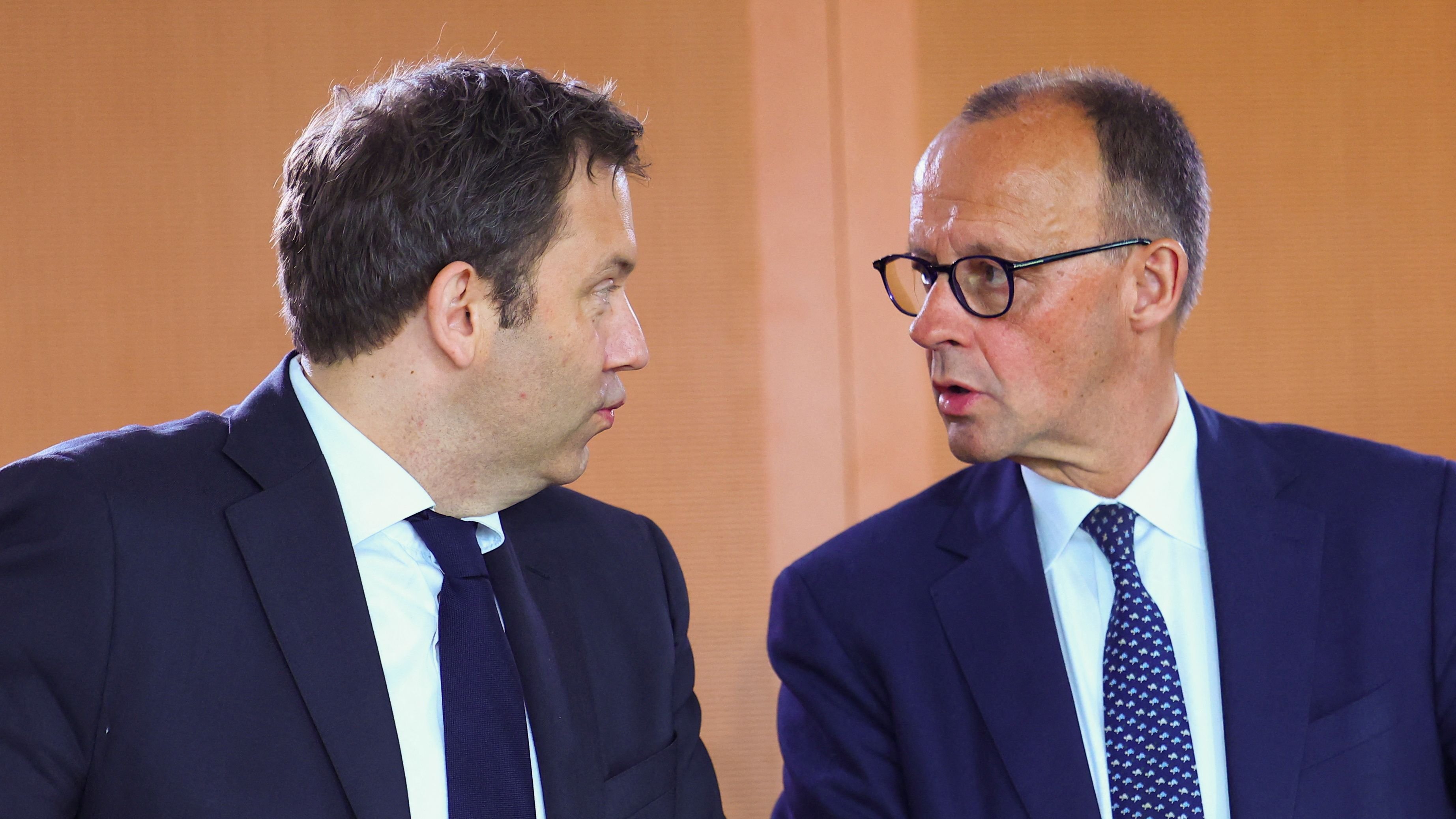
The implication is that if a coalition cannot identify a modest sum – a mere one percent within a federal budget of 540 billion euros – to address a pressing economic concern, its capacity to tackle larger, more complex challenges might be in doubt. This highlights a broader concern about the government’s effectiveness in delivering tangible results to its constituents, even on issues that directly impact their daily lives. The successful navigation of such internal disagreements is crucial for maintaining public confidence and demonstrating the coalition’s ability to govern effectively.
Broader Economic Context and Implications
The electricity tax reduction comes at a time when Germany’s economy is facing a complex set of challenges. Inflation, although showing signs of moderation, remains a concern, impacting purchasing power. The ongoing transition to a greener economy, while essential for long-term sustainability, requires significant investment and can create short-term economic disruptions. Furthermore, global geopolitical events continue to exert pressure on energy markets and supply chains, creating an unpredictable economic environment.
In this context, the government’s decision to lower the electricity tax can be viewed as an attempt to provide some immediate relief and signal a commitment to addressing the cost of living. However, its limited financial impact suggests that it is unlikely to fundamentally alter the economic trajectory for most households or businesses. Analysts suggest that more substantial measures might be needed to address the root causes of high energy prices and to stimulate broader economic growth.
Potential Reactions and Future Outlook
While official statements from the coalition parties have emphasized the positive outcome of reaching an agreement, the underlying sentiment among some segments of the public and the opposition is likely to be one of tempered expectations. Consumer advocacy groups may express disappointment that the relief offered is not more substantial, particularly for low-income households who are disproportionately affected by rising energy costs. Industry associations, while welcoming any reduction, may continue to call for more comprehensive energy policy reforms to ensure long-term competitiveness and stability.
The opposition parties are likely to seize upon the perceived modest impact of the tax cut to criticize the government’s economic management. They may argue that the coalition is prioritizing political maneuvering over effective policy solutions and that the current approach fails to adequately address the needs of the German population.
Looking ahead, the success of this measure will depend not only on its immediate financial impact but also on the government’s ability to implement further policies that can provide more sustained and significant relief. The temporary nature of the tax cut also raises questions about what will happen after the initial year, potentially leading to renewed debates and political pressure. The coalition will need to demonstrate a clear strategy for addressing the ongoing energy price challenges and for fostering a robust and resilient German economy in the years to come. The current agreement, while a step, appears to be just one small part of a much larger and more complex economic puzzle that the German government is tasked with solving. The coming months and years will reveal whether this modest tax adjustment is a prelude to more impactful interventions or a standalone, limited gesture in the face of significant economic headwinds.
