

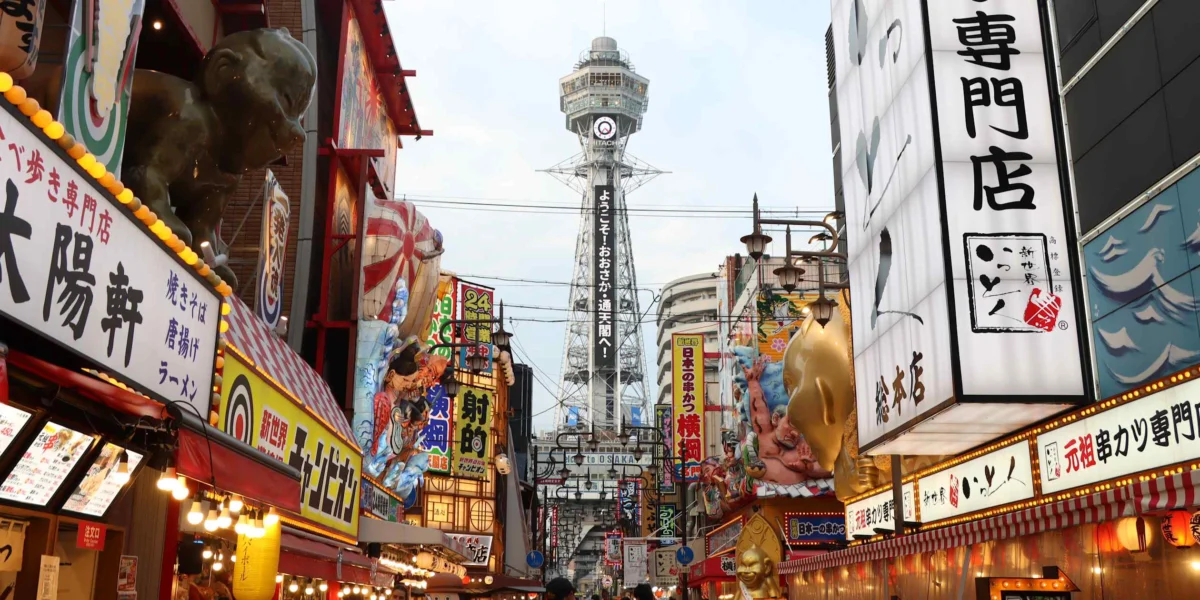
The iconic Tsutenkaku Tower, a beloved landmark in Osaka’s Shinsekai district, is poised to become the central pillar of a significant urban renewal initiative spearheaded by Nankai Electric Railway. This ambitious project aims to revitalize the historic neighborhood, infusing it with a renewed sense of nostalgia and a vibrant contemporary appeal, thereby cementing Tsutenkaku’s role not just as a tourist attraction, but as the symbolic heart of Shinsekai’s future. The tower, which recently marked the 70th anniversary of its reconstruction on October 28th, stands as a testament to Osaka’s enduring spirit and is now set to guide the district’s transformation into a modern yet historically resonant destination.

A District Steeped in History and Resilience
Shinsekai, meaning "New World," was originally conceived as a utopian district for the 1903 National Industrial Exhibition. Designed to emulate Parisian boulevards and Coney Island, it was intended to showcase Japan’s modernity. However, its post-exhibition trajectory saw it evolve into a vibrant, albeit somewhat gritty, entertainment hub, characterized by its unique retro charm, eclectic eateries, and the omnipresent Tsutenkaku Tower, which was first erected in 1912. The district’s character is deeply intertwined with its post-war reconstruction, particularly the rebuilding of Tsutenkaku Tower in 1956 after a fire. This reconstruction cemented the tower’s status as a symbol of resilience and rebirth for Osaka.
The area has historically been a melting pot of working-class culture, popular entertainment, and distinct culinary traditions, most famously kushikatsu (deep-fried skewers). Despite periods of urban decline and competition from newer developments, Shinsekai has retained a devoted following and a unique identity, attracting both locals seeking a taste of familiar comfort and tourists eager to experience an authentic slice of old Osaka. Nankai Electric Railway’s intervention signifies a concerted effort to harness this existing appeal and propel Shinsekai into a new era of prosperity.

The Nankai Vision: Integrating Heritage with Modernity
Nankai Electric Railway’s redevelopment plan for Shinsekai is multifaceted, with Tsutenkaku Tower at its conceptual and physical core. The company, a major player in Osaka’s transportation and real estate sectors, has outlined a strategy that prioritizes preserving the district’s unique atmosphere while introducing modern amenities and infrastructure. The goal is to create a more integrated and attractive urban environment that appeals to a broader demographic, from younger generations to families and international visitors.
Central to this vision is the enhancement of the visitor experience surrounding Tsutenkaku Tower. This includes improvements to pedestrian access, the development of new retail and dining spaces that complement the existing culinary landscape, and the potential for interactive cultural exhibits that delve into Shinsekai’s rich history. The tower itself is expected to undergo further enhancements, potentially including upgraded observation decks and facilities, to ensure it remains a premier attraction. Nankai’s investment is not merely in infrastructure but in the narrative of Shinsekai, aiming to amplify its story as a place where the past gracefully coexists with the present.

Tsutenkaku Tower: More Than Just a Landmark
Erected initially in 1912, Tsutenkaku Tower was inspired by the Eiffel Tower and Arc de Triomphe, standing at 64 meters tall. It served as a beacon of progress and a symbol of Osaka’s burgeoning modernity. The original tower was destroyed by fire in 1943 and subsequently rebuilt in 1956, reaching its current height of 103 meters. This reconstruction was a significant event, symbolizing the city’s recovery and determination to rebuild after the ravages of war. The tower’s distinctive neon lighting, a constant presence in the Osaka skyline, further solidifies its iconic status.
The tower’s current iteration features observation decks offering panoramic views of Osaka, a small museum dedicated to its history and the local area, and the famed "Billiken" statue, a symbol of good luck. Its recent 70th anniversary of reconstruction celebration underscores its enduring popularity and deep connection with the city. Nankai’s plan recognizes that Tsutenkaku is not just a tourist attraction; it is a cultural touchstone, embodying the resilience, character, and nostalgic charm that define Shinsekai. By positioning it as the core of their redevelopment, Nankai seeks to leverage this deep-seated emotional connection to drive the district’s revitalization.

Supporting Data and Projected Impacts
While specific financial figures for Nankai’s Shinsekai redevelopment project have not been fully disclosed, the company’s track record in urban development suggests a significant investment. Nankai Electric Railway has a history of successful integration of transportation hubs with commercial and residential developments, such as its extensive work around Namba Station. This expertise is expected to be applied to Shinsekai, aiming for a comprehensive revitalization.
The redevelopment is projected to have several key impacts:

- Increased Tourism: By enhancing the overall appeal and accessibility of Shinsekai, the project aims to attract a greater number of both domestic and international tourists. Osaka’s tourism sector has seen robust growth in recent years, with pre-pandemic figures showing over 12 million foreign visitors annually. A revitalized Shinsekai could capture a larger share of this market.
- Economic Stimulation: New retail, dining, and entertainment establishments are expected to create jobs and boost local businesses. The focus on traditional crafts and cuisine, combined with modern amenities, could foster a unique economic ecosystem.
- Preservation of Cultural Heritage: A key objective of Nankai’s plan is to balance modernization with the preservation of Shinsekai’s distinctive character. This approach is crucial for maintaining the district’s appeal as an authentic cultural experience.
- Improved Urban Environment: Enhancements to public spaces, infrastructure, and pedestrian flow are anticipated to improve the quality of life for residents and create a more welcoming environment for visitors.
Official Responses and Stakeholder Perspectives
While direct quotes from Nankai Electric Railway officials regarding specific future plans for Tsutenkaku Tower within the broader redevelopment are not yet publicly available, the company’s stated commitment to "revitalizing urban areas" and "preserving local charm" offers insight into their strategic direction. Their past projects have consistently demonstrated an understanding of how to integrate new developments with existing urban fabric, often by enhancing public transportation and creating vibrant commercial zones.
Local businesses in Shinsekai, many of which are family-run establishments that have been operating for generations, are likely to have a vested interest in the success of this redevelopment. While there may be initial concerns about gentrification or changes to the district’s unique character, the overarching goal of increased foot traffic and economic activity is generally welcomed. The emphasis on preserving the "taste of old Japan" is particularly reassuring for these stakeholders, suggesting a collaborative approach that respects the existing community.

The Osaka Municipal Government, which has long championed urban regeneration initiatives, is expected to be a key partner in this endeavor. The city’s focus on promoting tourism and preserving its cultural heritage aligns perfectly with Nankai’s proposed strategy. Collaboration between the private sector and local government is crucial for navigating regulatory processes, securing necessary permits, and ensuring that the redevelopment benefits the wider community.
Broader Implications for Urban Revitalization
Nankai’s approach to Shinsekai offers a compelling case study in urban revitalization that prioritizes heritage preservation and community integration. In an era where cities worldwide grapple with the challenges of modernization, gentrification, and the loss of unique cultural identities, Shinsekai’s planned transformation, anchored by Tsutenkaku Tower, suggests a model that could be emulated.

The success of this project will hinge on Nankai’s ability to execute its vision with sensitivity, ensuring that the "old Japan" charm is not merely a superficial aesthetic but is deeply woven into the fabric of the revitalized district. The careful balance between nostalgic appeal and modern convenience will be critical. By focusing on Tsutenkaku Tower, Nankai is not just redeveloping a neighborhood; it is investing in a narrative, a symbol, and a cherished piece of Osaka’s soul, aiming to ensure that this iconic landmark continues to stand tall as a testament to the city’s enduring spirit for generations to come. The 70th anniversary of Tsutenkaku’s reconstruction serves as a poignant reminder of its past resilience and a hopeful prelude to its future under Nankai’s stewardship.
