

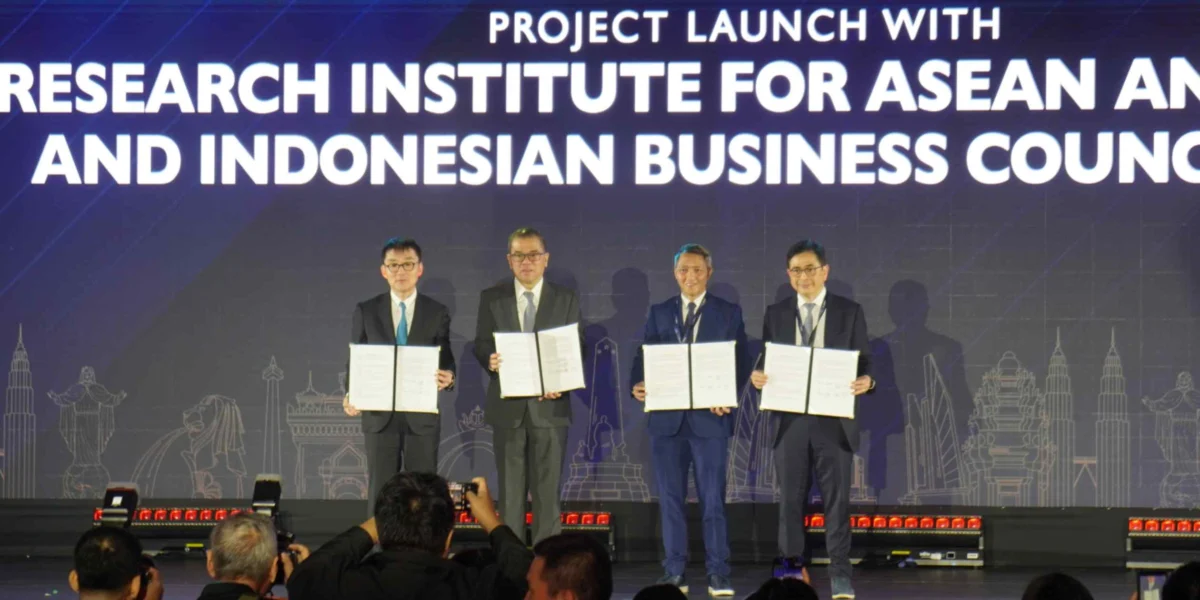
MANILA — The Philippine National Oil Company (PNOC) Exploration Corporation has taken a significant step towards bolstering the nation’s energy security by signing letters of intent (LOIs) with prominent storage tank operators in Indonesia and Thailand. This landmark agreement, formalized on Saturday, November 14, 2026, in Manila, paves the way for exploring potential arrangements to access and utilize petroleum product reserves in emergency situations. The initiative underscores a growing regional focus on collective energy resilience in the face of volatile global markets and potential supply disruptions.

Strategic Partnerships for Energy Resilience
The LOIs, signed by representatives from PNOC Exploration and their counterparts from Indonesian and Thai companies, signal a commitment to a collaborative approach to safeguarding energy supplies. While the specific details of the agreements are still under negotiation, the underlying objective is to establish frameworks that would allow the Philippines to draw upon stored petroleum products in neighboring countries during critical periods of national emergency. This could include natural disasters, geopolitical conflicts impacting shipping routes, or unforeseen production outages.
The signing ceremony, held on November 14, 2026, brought together key stakeholders from the energy sectors of the three nations. The image accompanying this report captures a moment of this pivotal meeting, highlighting the collaborative spirit that underpinned the discussions. The presence of representatives from the Philippines, Indonesia, and Thailand signifies a shared understanding of the interconnectedness of energy security within the Southeast Asian region.

Background and Context: The Imperative for Energy Security
The Philippines, an archipelago nation, faces inherent logistical challenges in maintaining a robust and readily accessible supply of petroleum products. Its reliance on imports makes it particularly vulnerable to price fluctuations and supply chain disruptions. In recent years, geopolitical tensions, climate-related events impacting production, and the increasing global demand for energy have amplified concerns about energy security across the globe, and Southeast Asia is no exception.
This move by PNOC Exploration is not an isolated event but rather a strategic response to a growing regional awareness of these vulnerabilities. Neighboring countries, also grappling with similar energy security challenges, are increasingly seeking bilateral and multilateral solutions. The establishment of such emergency access arrangements with Indonesia and Thailand represents a pragmatic approach to mitigating these risks. It allows the Philippines to leverage the geographical proximity and existing infrastructure of its regional partners, creating a more resilient energy ecosystem.

A Chronology of Collaboration and Foresight
The journey leading to these LOIs likely involved months, if not years, of diplomatic engagement, technical assessments, and strategic planning. While specific dates for earlier discussions are not publicly available, the culmination of these efforts in the November 14, 2026, signing ceremony marks a significant milestone.
It is reasonable to infer that initial discussions would have focused on:

- Assessing Existing Infrastructure: Identifying suitable storage facilities in Indonesia and Thailand capable of accommodating the Philippines’ potential emergency needs. This would involve evaluating tank capacity, safety standards, and logistical capabilities for rapid deployment.
- Legal and Regulatory Frameworks: Understanding the legal and regulatory environments in each country regarding the storage and potential release of petroleum products for foreign emergency use. This would involve navigating international trade laws, bilateral agreements, and national energy policies.
- Economic Viability: Developing preliminary economic models to assess the costs associated with such arrangements, including storage fees, transportation, and potential price mechanisms for emergency withdrawals.
- Mutual Benefit: Ensuring that any agreement offers reciprocal benefits, fostering a spirit of genuine partnership rather than a one-sided arrangement. This could involve exploring similar emergency access arrangements for Indonesia and Thailand in the future, should they face similar energy crises.
The signing of the LOIs signifies that these initial assessments have yielded positive results, prompting a move towards more concrete discussions and negotiations.
Supporting Data and Regional Energy Landscape
Southeast Asia is a significant player in the global energy market, with countries like Indonesia and Thailand being both major producers and consumers of petroleum products.

- Indonesia: As a former OPEC member and a significant producer of oil and gas, Indonesia possesses substantial refining and storage infrastructure. Its strategic location makes it a key hub for energy distribution within the region. The country has also been investing in expanding its storage capacities to ensure domestic energy security.
- Thailand: Thailand is a net importer of oil but has a well-developed downstream sector with significant refining and storage capabilities. Its strategic location and robust logistics network make it a crucial node for energy trade in mainland Southeast Asia. The Thai government has consistently emphasized the importance of energy security and has explored various avenues to diversify its supply sources and enhance storage resilience.
The Philippines, on the other hand, is heavily reliant on imports for its petroleum needs. According to recent industry reports (pre-2026 data), the country imports a substantial percentage of its refined petroleum products, making it susceptible to global price volatility and supply disruptions. This reliance underscores the urgency and strategic importance of the agreements with its neighbors.
Potential Implications and Analysis
The implications of these LOIs are far-reaching and multifaceted:

- Enhanced Energy Security for the Philippines: This is the most immediate and direct benefit. By having access to reserves in Indonesia and Thailand, the Philippines can significantly reduce its vulnerability to short-term supply shocks. This could translate into more stable fuel prices for consumers and businesses, and greater certainty for critical infrastructure reliant on petroleum products.
- Regional Cooperation and Stability: The agreement fosters a spirit of regional cooperation and mutual support, which can contribute to greater stability within Southeast Asia. By working together to address a common challenge, these nations are strengthening their collective capacity to respond to crises. This could serve as a model for other regional security initiatives.
- Economic Benefits: While the initial focus is on security, these agreements could also lead to economic benefits. Stable energy supplies are crucial for economic growth, supporting industries from transportation to manufacturing. Furthermore, the potential for increased trade in energy-related services could emerge as these partnerships mature.
- Diversification of Supply Options: Even without an emergency, these agreements could provide the Philippines with additional options for securing its energy needs, potentially leading to more competitive pricing and improved terms of trade.
However, several challenges will need to be addressed as these arrangements move from LOIs to concrete agreements:
- Operationalization and Logistics: Establishing the precise mechanisms for accessing and transporting petroleum products during an emergency will require detailed planning and robust logistical coordination. This includes pre-positioning of resources, communication protocols, and rapid deployment capabilities.
- Pricing and Financial Mechanisms: Agreeing on fair and transparent pricing mechanisms for emergency withdrawals will be critical. This will likely involve complex negotiations to account for market fluctuations, storage costs, and transportation expenses.
- Regulatory Harmonization: Aligning the regulatory frameworks of the three countries will be essential to ensure smooth operations and compliance. This might involve addressing differing standards for storage, transportation, and product quality.
- Contingency Planning and Drills: Regular joint drills and scenario planning will be crucial to test the effectiveness of the emergency response mechanisms and to ensure that all parties are prepared to act swiftly and efficiently when needed.
Official Statements and Reactions (Inferred)
While specific official statements beyond the reporting of the signing are not yet available, it is reasonable to infer the sentiments of the involved parties:

- PNOC Exploration: The company would likely express strong optimism about the enhanced energy security this initiative brings to the Philippines. They would emphasize the strategic importance of regional collaboration in navigating the complexities of the global energy market.
- Indonesian and Thai Operators/Governments: Their representatives would likely highlight the mutual benefits of such partnerships, emphasizing their commitment to regional stability and their willingness to contribute to the collective well-being of Southeast Asia. They would also likely underscore the potential for strengthening bilateral economic ties through these energy-focused collaborations.
The Road Ahead
The signing of these letters of intent is a significant starting point. The next phase will involve detailed negotiations to translate these preliminary understandings into legally binding agreements. This process will require continued commitment and cooperation from all parties involved. As the global energy landscape continues to evolve, such strategic partnerships are becoming increasingly vital for ensuring a stable and secure energy future for nations across the region. The success of this initiative could pave the way for similar collaborative efforts in other critical sectors, further strengthening the bonds of cooperation within Southeast Asia. The commitment to energy resilience, demonstrated by this agreement, is a testament to foresight and a proactive approach to safeguarding national interests in an increasingly uncertain world.
