

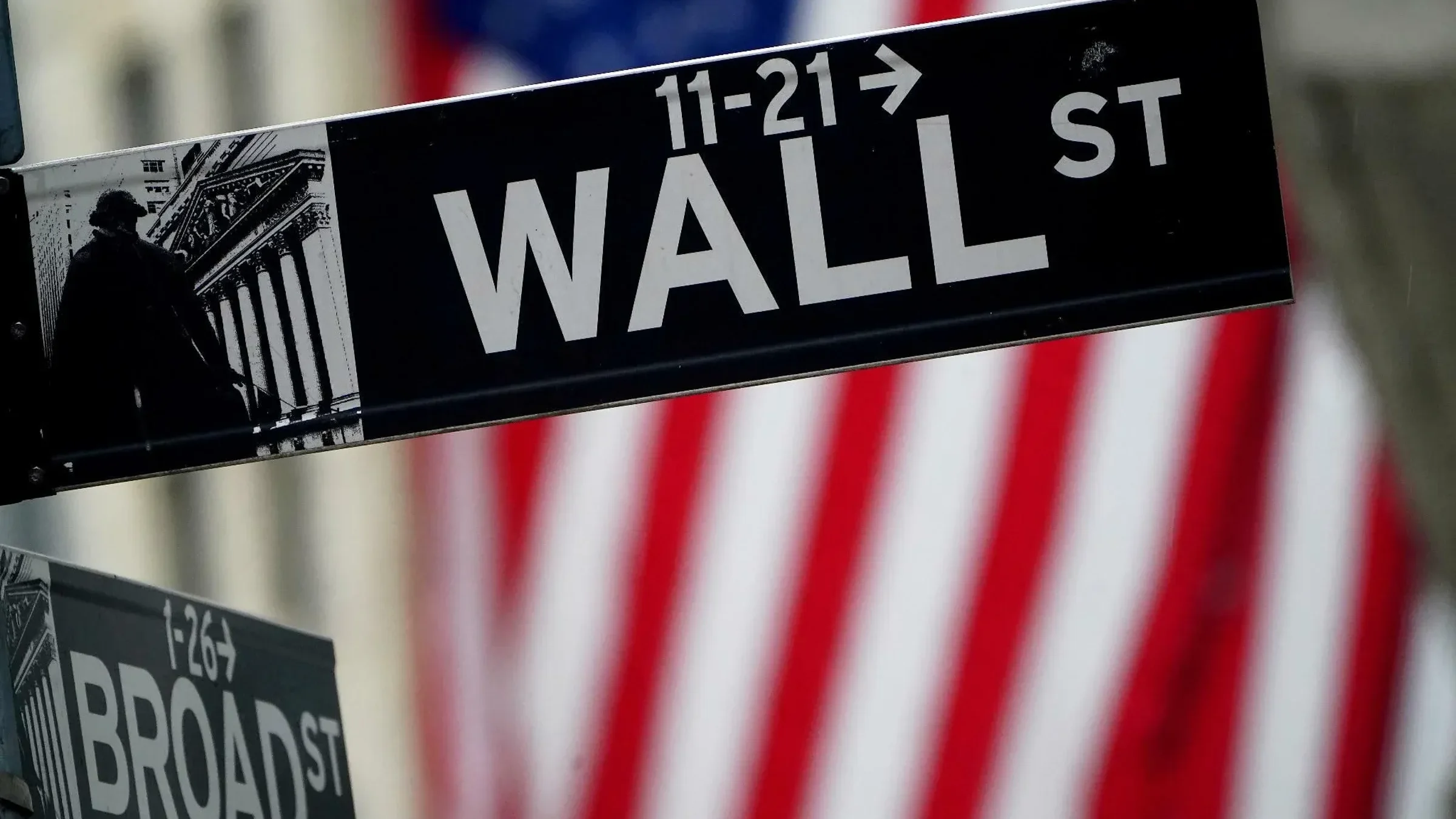
New York. Following a period of robust gains that saw major indices hit fresh all-time highs, investors on Wall Street adopted a more cautious stance on Thursday. The primary U.S. stock market benchmarks displayed a mixed performance in early trading, indicating a consolidation phase rather than significant directional movement. This hesitation comes after a strong rally, fueled by a combination of positive corporate earnings reports and developments in international diplomacy.
Market Dynamics and Recent Performance
The Dow Jones Industrial Average, the S&P 500 Index, and the Nasdaq Composite, all of which have recently achieved record-breaking levels, experienced fluctuations. While the initial trading sessions showed a lack of substantial momentum, the underlying sentiment remains cautiously optimistic, buoyed by a series of favorable economic indicators and geopolitical progress. The sustained upward trajectory in recent weeks has led to a natural pause as market participants assess the sustainability of these gains and await further economic catalysts.
Driving Forces Behind the Rally
The recent surge in U.S. equities has been propelled by several key factors. A strong corporate earnings season has provided a solid foundation, demonstrating the resilience and profitability of many American companies. Many sectors have reported better-than-expected results, exceeding analyst forecasts and instilling confidence in the market’s underlying strength. This positive earnings environment has been a significant driver, encouraging investment and pushing valuations higher.
Furthermore, diplomatic advancements, particularly concerning negotiations related to the Iran conflict, have contributed to an improved risk appetite among investors. President Donald Trump’s recent statements signaling openness to a potential agreement with Iran, though lacking specific details on the timing or nature of such talks, have been interpreted as a de-escalation of geopolitical tensions. Reductions in perceived international risks often translate into increased investor confidence and a willingness to allocate capital to riskier assets like equities.
The easing of tensions in the Strait of Hormuz, a critical chokepoint for global oil supply, has also played a role. Reports of Iran and Oman reaching an agreement on coordinates for a shipping route through the strait have temporarily eased concerns about oil price volatility. While this development had a short-lived impact on crude oil prices, it underscores the ongoing diplomatic efforts to stabilize key global trade routes. As of Thursday, Brent crude oil futures for October delivery were trading around $80 per barrel, with U.S. West Texas Intermediate (WTI) crude hovering near $76 per barrel. This relative stability in energy prices, a significant input cost for many industries, supports broader economic stability and corporate profitability.
Economic Calendar and Future Outlook
The market is now looking ahead to key economic data releases scheduled for Friday, which are expected to provide fresh directional impetus. Investors will be scrutinizing these reports for further clues about the health of the U.S. economy and the potential trajectory of monetary policy. Inflation data, employment figures, and consumer sentiment surveys are among the crucial indicators that will shape market sentiment in the coming days.
The Federal Reserve’s monetary policy remains a central theme. While recent economic data has suggested a robust economy, the Fed has maintained a generally accommodative stance, aiming to support sustained growth without stoking excessive inflation. Any signals of a shift in this policy, such as indications of an earlier-than-expected interest rate hike or a faster pace of quantitative tightening, could significantly influence market performance. However, for now, the market seems to be pricing in a continuation of the current policy framework, at least until more definitive economic shifts become apparent.

Historical Context and Market Trends
The current market environment follows a prolonged period of economic expansion, largely driven by technological innovation, corporate buybacks, and accommodative monetary policies. The sustained bull run has seen major indices reach unprecedented levels, raising questions about market valuations and the potential for a correction. However, the underlying economic fundamentals, including a strong labor market and steady consumer spending, have provided a resilient backdrop for equities.
The ongoing trade discussions and geopolitical developments, while contributing to short-term volatility, have not fundamentally derailed the broader upward trend. The market has demonstrated a remarkable ability to absorb negative news and continue its ascent, often attributed to the "fear of missing out" (FOMO) among investors and the availability of liquidity.

Investor Sentiment and Behavioral Analysis
The current market behavior can be characterized as a period of consolidation and reassessment. After a significant upward move, it is natural for investors to pause, evaluate their portfolios, and await new information. This can lead to increased trading volumes in certain sectors as investors rebalance their holdings. The mixed performance observed on Thursday reflects this dynamic, with some sectors experiencing profit-taking while others continue to attract investment.
The "H-Plus" designation indicated in the original article’s metadata suggests that the content is part of a premium offering, likely targeting a more informed and engaged investor base. This implies that the analysis and commentary provided are aimed at a sophisticated audience seeking in-depth market insights.

Broader Economic Implications
The sustained strength of the U.S. stock market has several broader economic implications. Firstly, it contributes to wealth creation for individuals and institutions invested in equities, potentially boosting consumer confidence and spending. Secondly, it can facilitate capital raising for companies, enabling them to invest in growth, research, and development, which in turn can foster innovation and job creation.
However, persistently high market valuations also carry risks. If the market were to experience a significant downturn, it could lead to a contraction in wealth, reduced consumer spending, and potentially slower economic growth. Therefore, the current period of consolidation, while potentially causing short-term uncertainty, could also be seen as a healthy adjustment, helping to prevent the build-up of excessive speculative bubbles.

Conclusion
The U.S. stock market’s performance on Thursday reflects a natural pause in its recent upward trajectory. Driven by strong earnings and a more stable geopolitical outlook, the market has reached historic highs. However, as investors await key economic data and further clarity on policy developments, a period of mixed trading and consolidation is expected. The resilience of corporate earnings and the ongoing diplomatic efforts provide a supportive backdrop, but vigilance remains crucial as the market navigates evolving economic and geopolitical landscapes. The interplay of corporate performance, economic indicators, and global events will continue to shape investor sentiment and market direction in the coming weeks.
